📅 June 2026 | ✍️ Mitti Gold Organic | 🗂️ Spices
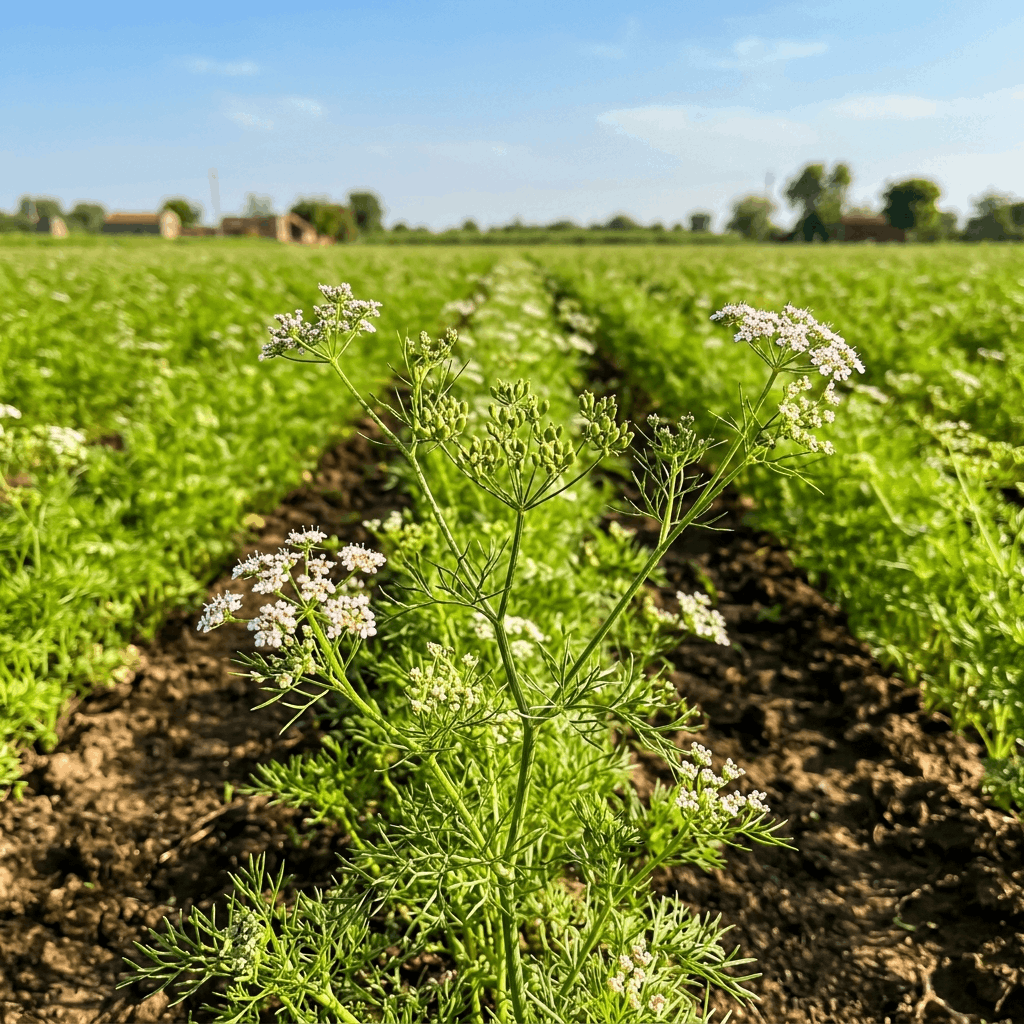
Nutrient Requirements and Organic Application Rates for Cumin
Cumin (Cuminum cyminum), locally known as Jeera, is a delicate spice crop grown primarily in the arid and semi-arid regions of North Gujarat and Saurashtra. The crop is highly sensitive to soil conditions and moisture levels. For a successful organic cumin harvest, land preparation must focus on creating a fertile, well-draining soil bed. The recommended application rate is 3 to 4 tons of composted cow dung manure and 1.5 tons of premium Mitti Gold vermicompost per acre. Additionally, incorporating 200 kg of agricultural charcoal during field preparation improves soil aeration and water retention, preventing waterlogging which is a major trigger for fungal wilt. Applying 200 kg of pure cow dung powder as a top dressing during the vegetative phase provides a slow-release nitrogen boost that supports uniform crop growth. To ensure balanced soil chemistry, farmers should also utilize vermiwash as a seed treatment and soil drench, diluted at a 1:10 ratio, to supply vital growth hormones and micro-nutrients during the critical early growth stage. For soils that are highly sandy, which is common in spice-growing regions, the rate of agricultural charcoal can be increased to 300 kg per acre to improve the soil's water-holding capacity and prevent nutrient leaching. During the mid-growth phase, applying a secondary top dressing of 500 kg of vermicompost mixed with 100 kg of pure cow dung powder helps sustain the crop's phosphorus demands. Proper agronomic spacing and row alignment must be maintained to allow adequate air circulation, which reduces humidity in the crop canopy and decreases the risk of airborne fungal infections. Farmers must monitor soil moisture closely, ensuring that irrigation is applied in light, controlled doses, as excess moisture in the root zone can cause root rot and stimulate Fusarium wilt spore germination. Additionally, in fields where cumin has been grown in rotation with castor or mustard, incorporating an extra 1 ton of composted cow dung manure per acre helps decompose crop residues and improves soil organic carbon levels, providing a fertile baseline for the cumin crop. Using these organic amendments systematically from the land preparation stage through to the vegetative phase builds a resilient soil environment that satisfies all the crop's macro and micro-nutritional needs.
How to Prepare Soil and Sow Cumin Seeds Organically
Cumin farming requires meticulous soil preparation and sowing techniques. The field should be plowed to a fine tilth and divided into small beds to facilitate controlled irrigation. Before sowing, treat the cumin seeds with Trichoderma-enriched vermiwash to prevent seed-borne pathogens. When to apply: Sow the treated seeds in October or November when temperatures begin to drop. Broadcast the seeds uniformly or sow them in lines with a spacing of 30 cm. Lightly rake the soil to cover the seeds. Apply a light irrigation immediately after sowing. During the crop cycle, apply a mixture of Mitti Gold vermicompost and pure cow dung powder before the second irrigation (around 30 days after sowing) to ensure the young plants receive a steady supply of nutrients. To maximize efficacy, farmers should blend this top-dressing mixture with composted cow dung manure and a light application of agricultural charcoal to ensure nutrients are held in the root zone and released slowly. For foliar applications, dilute vermiwash with water at a 1:5 ratio and spray it on the crop leaves at 45 and 60 days after sowing. This spray provides immediate micro-nutrients that improve vegetative vigor and flower set. During irrigation cycles, ensure the beds are watered using light sprinklers or flood basins, avoiding any standing water that can lead to collar rot. If any fungal wilt symptoms appear, immediately drench the surrounding soil with a solution of vermiwash and bio-fungicides like Pseudomonas. Applying these natural inputs in a systematic schedule ensures that the cumin plants receive optimal nutrition, remains protected from early-stage stresses, and develops healthy, aromatic seeds. Furthermore, to control weed competition in the early growth stages, farmers should perform hand weeding 20 to 25 days after sowing. During weeding, gently incorporate the top-dressed organic fertilizer into the soil around the young plants, taking care not to disturb their shallow root systems. Follow the weeding process with a light irrigation to settle the soil and activate the beneficial microbes in the vermicompost, ensuring that the released nitrogen and potassium are immediately available to the growing cumin roots.
1
Seed Bed Preparation
Plow the field to a fine tilth and apply 3 tons of composted cow dung manure and agricultural charcoal.
2
Organic Seed Treatment
Treat cumin seeds with bio-agents and vermiwash to protect them from early fungal infections.
3
Controlled Sowing and Irrigation
Sow cumin seeds in lines, irrigate lightly, and apply top-dressing fertilizer before the vegetative phase.
Outcome Comparison: Organic Cumin vs. Chemical-Intensive Farming
Comparing organic cumin cultivation against chemical-intensive farming in the Unjha region reveals significant differences in crop health, soil vitality, and market value:
- Wilt Resistance and Soil Biological Health: Organically grown cumin using Mitti Gold vermicompost enriched with Trichoderma exhibits high resistance to Fusarium wilt. Chemical farming often relies on heavy synthetic fungicides, which can lead to resistant pathogen strains and high crop losses. When combined with agricultural charcoal, the soil biology remains active and healthy, naturally suppressing pathogens and maintaining soil structure, whereas chemical inputs degrade soil structure and harm earthworms. This biological synergy protects the delicate roots of the cumin plant, ensuring steady growth even under dry climatic conditions.
- Essential Oil Content, Aroma, and Quality: Organic cumin seeds have a higher concentration of cuminyl alcohol and essential oils, resulting in a stronger aroma and flavor, which is highly prized in the market. The natural growth stimulation provided by composted cow dung manure and pure cow dung powder helps the plants synthesize volatile oils, whereas chemical fertilizers cause rapid, watery growth that dilutes these aromatic compounds, resulting in lower quality spices. The superior grain quality of organic cumin translates to heavier seed weight and a brighter appearance, which are key quality metrics at the spice exchange.
- Export Compliance, Residue-Free Harvest, and Profits: Organic cumin easily passes strict international pesticide residue tests, allowing exporters to ship it to Europe and the US, whereas chemical cumin often faces export rejections due to pesticide residues. By using vermiwash foliar sprays and organic practices, farmers can certify their crops as organic, bypassing middlemen to sell directly to export houses on the e-NAM platform or through contract farming, which translates to a 50% increase in net profit margins. Over time, the organic farming model restores the natural fertility of the dry sandy loam soils, ensuring sustainable yields for future generations.
Revitalizing Desert Soils for Spices
Cumin grows best in sandy loam soils which are naturally low in organic matter. Applying carbon-rich composted cow dung manure and highly porous agricultural charcoal acts as a biological catalyst in these dry soils. The agricultural charcoal provides microscopic habitats for beneficial soil bacteria and mycorrhizal fungi, protecting them from temperature fluctuations and dry soil conditions. This micro-life breaks down minerals and makes phosphorus and potash easily accessible to the cumin roots, boosting plant immunity and ensuring healthy growth. The inclusion of Mitti Gold vermicompost introduces a high density of earthworms and humic compounds that improve the soil's cation exchange capacity. Adding pure cow dung powder and vermiwash drenching further fuels the multiplication of these beneficial microbes, creating a lively rhizosphere. As these microbes break down organic matter, they secrete natural hormones and organic acids that improve soil aeration and water infiltration. This active soil food web naturally suppresses soil-borne pathogens like Fusarium, preventing root infections. By fostering a diverse and healthy soil microbiome, the organic cumin cultivation method ensures that the crop receives a continuous, balanced supply of nutrients while building long-term soil structure and fertility in the arid spice-growing belts. Additionally, the development of these microbial networks enhances the soil's overall resilience, allowing it to retain moisture longer between irrigation cycles, which is critical for a crop like cumin that is highly sensitive to water stress. The presence of mycorrhizal fungi is especially beneficial, as their hyphae extend far beyond the root zone, drawing water and phosphorus from micro-pores that the plant roots cannot reach. This biological cooperation between crop roots and soil organisms is the key to achieving high-quality cumin yields in the challenging climatic zones of North Gujarat.
Natural Defense Against Cumin Wilt and Powdery Mildew
Cumin is highly susceptible to fungal wilt (Fusarium oxysporum) and powdery mildew. Fungal wilt can destroy entire fields within days if not managed. Organic growers prevent these diseases by maintaining excellent soil drainage and using bio-control agents. Enriching Mitti Gold vermicompost with Trichoderma viride and Pseudomonas fluorescens creates a biological barrier around cumin roots. When to apply: Spraying a 10% solution of fermented cow urine mixed with neem oil on the crop during cloudy weather prevents powdery mildew and repels sucking pests like aphids. To enhance this protection, applying a foliar spray of vermiwash mixed with garlic and ginger extracts provides a natural repellent barrier against sucking pests, which are vectors for viral infections. The addition of agricultural charcoal in the soil helps absorb and hold the antagonistic bio-agents in the rhizosphere, extending their protective action. Furthermore, mixing pure cow dung powder and composted cow dung manure into the soil improves the crop's vigor and strengthens its cell walls, making it harder for fungal spores to penetrate the plant tissues. This systemic defense system, combined with proper crop rotation practices, allows cumin farmers to control diseases naturally, keeping their fields healthy and producing high-quality spices without using toxic chemical fungicides, ensuring safe, export-ready jeera. By establishing this multi-layered defensive shield, farmers can manage the volatile weather-induced pest pressures that are common in North Gujarat. The microbial antagonist Trichoderma not only attacks the pathogenic Fusarium fungi but also colonizes the root surface, stimulating root branching and increasing the plant's overall absorption capacity. This dual action of crop protection and nutrition ensures that organic cumin crops remain healthy and productively grow throughout their growth cycle, reducing crop loss risks dramatically.
Unjha APMC Spice Mandi and Export Trade Potential
Unjha APMC in Gujarat is the largest spice market in Asia and the global hub for cumin trade. Exporters, processors, and spice brands buy cumin in massive quantities here. The demand for certified organic cumin has grown exponentially, with buyers willing to pay a 40% to 50% premium over conventional cumin. Farmers who cultivate cumin organically using premium inputs like Mitti Gold vermicompost can bypass middlemen and trade directly on the e-NAM platform or secure direct supply contracts with major spice exporters, ensuring highly profitable returns. Blending these cumin amendments with agricultural charcoal and composted cow dung manure has allowed farmers to produce premium jeera that meets global market standards. Adding pure cow dung powder and using vermiwash sprays help lower production costs and increase the overall profit margins of spice growers. International buyers from Europe and North America enforce strict pesticide residue levels, making organic jeera highly valuable. This commercial interest has led to the creation of organic farming clusters in North Gujarat, where FPOs organize farmers to grow and process organic cumin collectively. By establishing direct export linkages and using sustainable farming practices, cumin growers can secure long-term financial stability, while protecting the region's environment and promoting the global reputation of Indian organic spices. In addition, the domestic demand for premium organic spices in urban retail markets has opened up new avenues for direct-to-consumer sales. Small-scale farmers can clean, grade, and package their organic cumin under local brand names, selling directly through e-commerce channels and organic specialty stores at double the price of bulk trade, thus transforming their farming operations into highly lucrative spice enterprises.
📦 Bulk Orders & Export
Mitti Gold Organic: For bulk orders of all organic fertilizers — Farmers, Nurseries, and Export. WhatsApp: +91 95372 30173
Unjha Organic Cumin Cultivation FAQ
What is the best sowing time for cumin in Gujarat?
The ideal sowing window is from mid-October to late November, when the day temperatures drop to around 30°C and night temperatures are cool.
How much water does cumin require?
Cumin is a low-water crop, requiring only 4 to 5 light irrigations during its 110-120 day lifecycle. Over-watering must be avoided.
Can Fusarium wilt in cumin be controlled organically?
Yes, by using crop rotation, treating seeds with Trichoderma, and applying Trichoderma-enriched Mitti Gold vermicompost to the soil.
What is the role of agricultural charcoal in cumin farming?
It improves soil drainage, prevents waterlogging around the roots (which causes wilt), and holds essential nutrients in sandy soils.
How can I secure organic certification for my cumin crop?
You must register with an accredited organic certification agency, maintain strict records of natural input usage, and avoid all chemical fertilizers and pesticides.