📅 June 2026 | ✍️ Mitti Gold Organic | 🗂️ Machinery & Markets
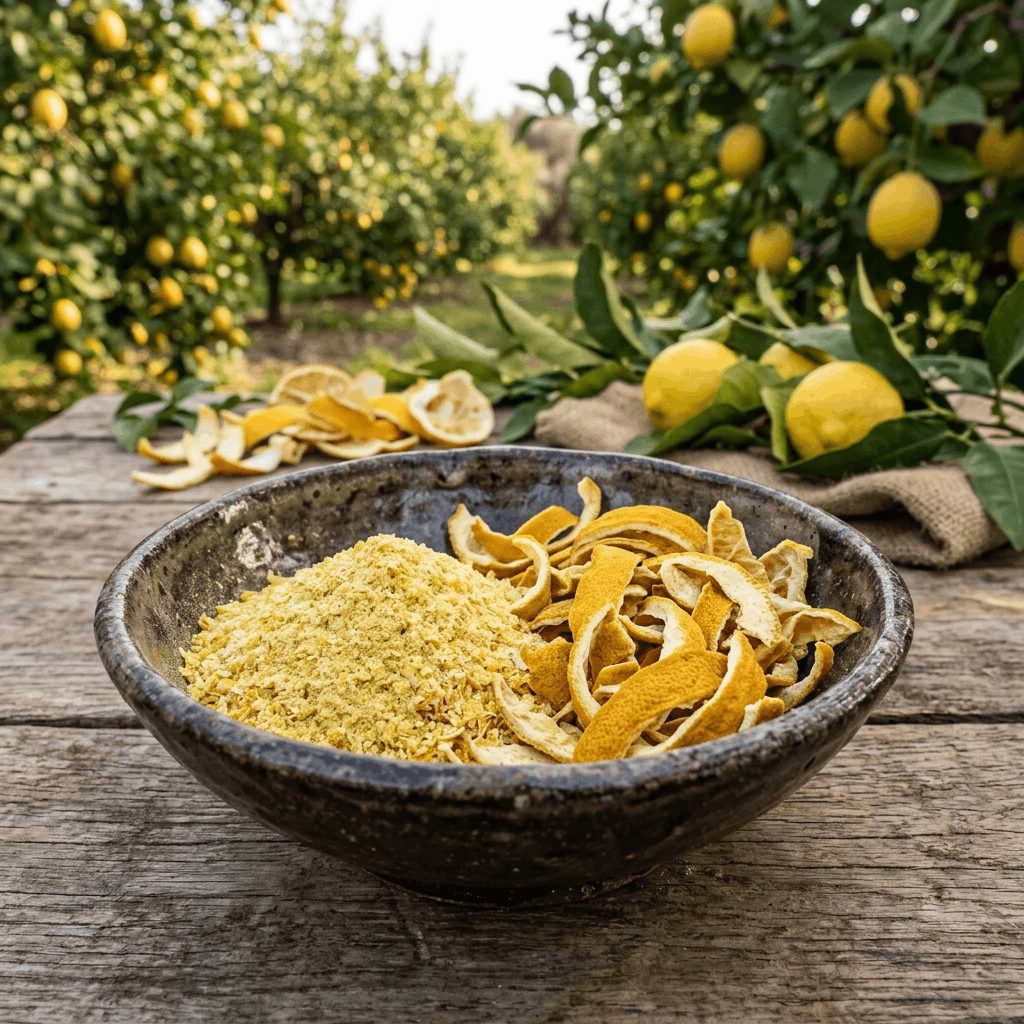
Recommended Application Rates of Lemon Peel Powder
Dehydrated lemon peels are highly prized in organic agriculture for their high concentration of citric acid, calcium, potassium, and vitamin C. They act as a natural, mild soil acidifier, making them perfect for alkaline soils commonly found in many regions of India. The recommended application rate for agricultural fields is 15 to 25 kg of dried lemon peel powder per acre, mixed into the soil during land preparation. For individual plants and kitchen gardens, mix 15 to 20 grams of lemon peel powder with 1 to 2 kg of premium Mitti Gold vermicompost per plant. For woody fruit trees, apply 100 to 150 grams of lemon peel powder mixed with 5 kg of composted cow dung manure around the drip line. Adding 200 grams of agricultural charcoal helps retain these nutrients and slows down the decomposition of the lemon peels, preventing rapid pH drops that could shock root systems. To enhance root uptake, this can be combined with a weekly application of vermiwash diluted at a 1:10 ratio as a soil drench. In clayey soils where drainage is poor, using up to 300 grams of agricultural charcoal along with pure cow dung powder at 500 grams per plant will optimize the soil structure and prevent waterlogging around the root zone. Farmers must check the baseline soil pH before application; if the soil is already acidic, the lemon peel powder rate should be reduced to 5 grams per plant, while the vermicompost dose can be maintained or increased. For large-scale plantations, soil testing should be conducted every six months to track pH changes and ensure that the slow release of citrus acids does not drive the pH below the crop-optimal range. Over-acidified soils can lock up phosphorus, which is why the buffering capacity of composted manure and charcoal is indispensable in this organic system. Additionally, for commercial greenhouse cultivation of acid-loving flowers like roses and hydrangeas, integrating a potting mix containing 15% vermicompost, 5% agricultural charcoal, and 1% lemon peel powder ensures vibrant blooms and strong stems, while maintaining a stable, healthy root environment that repels minor soil pests.
How to Apply Lemon Peel Powder in Organic Farming
To maximize the efficacy of dried lemon peel powder, proper application methods must be followed. The peels should be dried in shade and milled into a medium-coarse powder. For alkaline soil remediation, spread the powder evenly over the soil surface and mix it into the top 4 inches of soil. When to apply: The best timing is 2 to 3 weeks before transplanting seedlings or during the onset of the spring growth cycle. For foliar applications, boil 200 grams of dried lemon peel powder in 10 liters of water, let it cool, and filter the mixture. This citrus extract can be sprayed on crop leaves to repel sucking pests. In composting, adding lemon peel powder to compost heaps along with pure cow dung powder accelerates the breakdown of organic matter while neutralizing unpleasant odors. To get the best results, farmers should combine the foliar spray with vermiwash at a 1:1 ratio, which acts as a carrier and provides essential growth hormones that are absorbed through the leaves. When applying the powder directly to the soil, it is best to mix it with Mitti Gold vermicompost and composted cow dung manure to ensure the microbial population is high enough to process the citrus material. For home gardeners, mixing the lemon peel powder with agricultural charcoal before putting it into the potting soil prevents the powder from clumping and ensures even distribution. Apply this mixture once every 4 to 6 weeks during the active vegetative stage. Avoid applying lemon peel powder directly onto the plant stems or foliage under hot, sunny conditions, as the citric acid can cause leaf scorch. Instead, apply it early in the morning or late in the afternoon, followed by a thorough watering. If you notice any signs of leaf chlorosis, check the soil pH and reduce the application rate accordingly, replacing the citrus amendment with extra vermicompost to stabilize the soil chemistry.
1
Peel Dehydration and Crushing
Dry lemon peels under shade until fully crisp, then crush or grind them to a uniform consistency.
2
Soil Blending
Mix the lemon peel powder with vermicompost and composted manure to balance nutrients and buffer soil pH.
3
Root Zone Application
Apply the blended mixture to the root zones of acid-loving crops, incorporating it gently into the soil.
Outcome Comparison: Lemon Peel Amendment vs. Synthetic Chemical Acidifiers
Comparing agricultural soils treated with a combination of dried lemon peel powder and Mitti Gold vermicompost against those treated with synthetic chemical acidifiers like elemental sulfur or aluminum sulfate shows clear long-term biological and structural advantages:
- Gentle pH Adjustment and Nutrient Stabilization: Lemon peel powder lowers soil pH gradually, avoiding the sudden chemical shocks that can damage root hairs and kill soil microbes. Chemical acidifiers often cause rapid, erratic pH drops that stress the plant and require frequent monitoring. When used in combination with agricultural charcoal, the citric acid is held in the soil matrix and released slowly, providing a stable pH environment for weeks. This slow release allows the roots to adapt and absorb nutrients efficiently, without the risk of heavy metal toxicity that can occur with chemical sulfur applications.
- Trace Nutrient Enrichment and Bio-Availability: Lemon peels supply essential micronutrients like iron, zinc, and manganese, which are often locked up in alkaline soils, whereas synthetic acidifiers only adjust pH without adding nutrition. Furthermore, the organic matter in composted cow dung manure and pure cow dung powder provides a steady supply of humic acids that chelate these trace minerals, making them easily absorbable by the plant roots, resulting in greener foliage and increased flowering. This organic nourishment stimulates photosynthesis and root expansion, leading to stronger, more productive plants.
- Eco-Friendly Pest Management and Biosecurity: Citrus oils present in lemon peel powder repel ants, thrips, and nematodes naturally, while chemical alternatives leave toxic residues that damage the soil food web. Incorporating lemon peel extracts and vermiwash into your agricultural practices keeps pests away without destroying beneficial insect populations like ladybugs and honeybees. This natural protective barrier ensures a pesticide-free harvest that is safe for consumption and commands higher prices in the premium organic market. Over time, the organic treatment builds soil resilience, reducing the need for costly chemical interventions.
Fostering Beneficial Soil Microorganisms with Citrus Feed
The rich pectin and carbohydrate content of dried lemon peels provides a premium energy source for beneficial soil fungi, including mycorrhizae. Mycorrhizal fungi form symbiotic relationships with plant roots, helping them absorb water and minerals. Blending lemon peel powder with Mitti Gold agricultural charcoal provides a stable, porous habitat for these fungi, sheltering them from temperature extremes and moisture fluctuations. Additionally, when combined with Mitti Gold vermicompost, this citrus amendment stimulates the activity of phosphate-solubilizing bacteria, making locked-up phosphorus available to crops, enhancing root growth and plant vigor. The micro-life in the rhizosphere is further stimulated by applying composted cow dung manure and pure cow dung powder, which introduce diverse microbial species that assist in composting the citrus matter. The humic compounds present in these manures act as chelating agents, making nutrients more accessible to the plants. Furthermore, drenching the soil with vermiwash provides a rich supply of enzymes, vitamins, and plant hormones like auxins and gibberellins that stimulate microbial multiplication and root cell division. As these micro-organisms break down the lemon peel, they produce organic glues like glomalin that improve soil aggregation, water retention, and aeration. This biological activity attracts earthworms, which burrow through the soil, aerating it and creating fertile castings that are highly beneficial for the crop. The result is a self-sustaining soil ecosystem that provides continuous nutrition and protects plants from environmental stress, ensuring high crop yields and long-term soil health. By maintaining this microbial diversity, farmers can prevent soil compaction and nutrient depletion, creating a resilient agricultural environment that thrives naturally. The high carbon-to-nitrogen ratio of lemon peels is balanced by the nitrogen in pure cow dung powder, preventing nitrogen immobilization in the soil. The agricultural charcoal also acts as a slow-release reservoir, holding the volatile citrus compounds and releasing them slowly to keep the microbial populations stable. This prevents sudden spikes in microbial growth that could temporarily deplete soil oxygen. In this way, the combination of organic amendments creates a balanced, stable environment where both aerobic bacteria and beneficial mycorrhizal fungi can thrive in harmony, enhancing the soil's natural capacity to cycle nutrients and support plant growth.
Natural Insect Repellent and Disease Prevention
Dried lemon peels contain limonene, citral, and other terpenes that act as natural deterrents for common crop pests such as aphids, whiteflies, thrips, and cutworms. Incorporating lemon peel powder into the soil creates an unfavorable environment for soil-borne pests. When to apply: Apply the powder as a barrier around sensitive vegetable beds during the seedling stage. The acidic nature of the peels also suppresses pathogenic bacteria and fungi that cause damping-off and root rot. Mixing lemon peel powder with pure cow dung powder helps create a defensive biological shield around the crop roots, promoting healthy growth without chemical pesticides. To strengthen this protective barrier, farmers can use Mitti Gold vermicompost and composted cow dung manure, which contain beneficial microbes like Bacillus subtilis and Trichoderma that actively compete with pathogens for space and nutrients. Drenching the soil with vermiwash also boosts the plant's systemic acquired resistance (SAR), making it more resilient to leaf diseases and insect attacks. The addition of agricultural charcoal in the soil mix helps retain the active terpenes in the root zone, preventing them from leaching away during heavy rains or irrigation. This long-lasting protection reduces the need for synthetic fungicides and chemical pesticides, keeping the crop healthy and free from toxic residues. For foliar defense, a citrus extract spray can be applied to the leaves, forming a thin protective layer that deters chewing insects and prevents fungal spores from germinating on the leaf surface. This integrated natural pest management approach is highly effective, cost-effective, and safe for the environment. Furthermore, the citric acid in the peels helps solubilize calcium, which is essential for cell wall strength. Stronger cell walls make it physically harder for sucking pests to feed on the plant tissue, providing a mechanical defense alongside the chemical repellent properties of the citrus oils. This comprehensive protection ensures that crops remain healthy from seedling to harvest.
Commercial Sourcing and Horticultural Demand
The commercial value of dehydrated lemon peels has skyrocketed with the growth of organic farming and natural pesticide industries. Major lemon-producing states like Gujarat, Andhra Pradesh, and Maharashtra have established processing units to supply dried peels to agricultural suppliers. Horticultural nurseries and home gardens buy lemon peel powder in bulk to maintain the health of ornamental and fruit crops. FPOs and farmers' cooperatives source this material to produce organic fertilizers, creating a profitable value-added product that commands high prices in the organic market. Incorporating lemon peel powder with premium inputs like Mitti Gold vermicompost and composted cow dung manure has allowed manufacturers to create specialized, high-potassium organic blends that are highly sought after by commercial growers. By combining these citrus amendments with agricultural charcoal and pure cow dung powder, companies can offer complete soil-remediation kits that improve soil quality and plant yield. Exporters are also showing great interest in these organic inputs, as they help farmers meet the strict pesticide residue standards set by international regulatory bodies like the USDA and the European Food Safety Authority. Farmers who use these products can certify their crops as organic and sell them at a premium, boosting their income and supporting sustainable agriculture. The liquid extract, when combined with vermiwash, is also gaining popularity as an organic foliar spray in commercial floriculture and vegetable farming. This growing commercial interest creates a reliable market for lemon peel waste, transforming it from an environmental liability into a valuable agricultural asset that benefits both processing factories and farmers. With the rising global demand for organic lemon-derived products and residue-free fresh fruits, this value-added citrus amendment is poised to become a standard component of organic farming systems worldwide, providing a sustainable income source for rural processing clusters and improving agricultural sustainability.
📦 Bulk Orders & Export
Mitti Gold Organic: For bulk orders of all organic fertilizers — Farmers, Nurseries, and Export. WhatsApp: +91 95372 30173
Dried Lemon Peel Powder FAQ
Will lemon peel powder hurt earthworms in the soil?
No, when applied in recommended moderate amounts. Blending it with Mitti Gold organic vermicompost fertilizer and agricultural charcoal buffers the acidity, keeping the earthworms safe and active.
Which crops benefit most from soil acidification via lemon peels?
Acid-loving crops like potatoes, tomatoes, chillies, garlic, onions, and flowering plants like hibiscus and marigolds show excellent growth.
Can I use lemon peel powder in compost bins?
Yes, but in moderation. Too much citrus can slow down composting. Balance it with carbon-rich materials and composted cow dung manure to maintain a healthy decomposition rate.
Does lemon peel powder prevent fungal infections in plants?
Yes, it contains natural antifungal compounds that help inhibit the growth of root rot pathogens when mixed into the soil.
What is the shelf life of dried lemon peel powder?
When stored in a cool, dry place in airtight containers, dried lemon peel powder can retain its nutrient and pest-repelling properties for up to 12 months.