📅 June 2026 | ✍️ Mitti Gold Organic | 🗂️ Machinery & Markets
Application Rates: Volume and Quality of Organic Produce at Gujarat Mandis
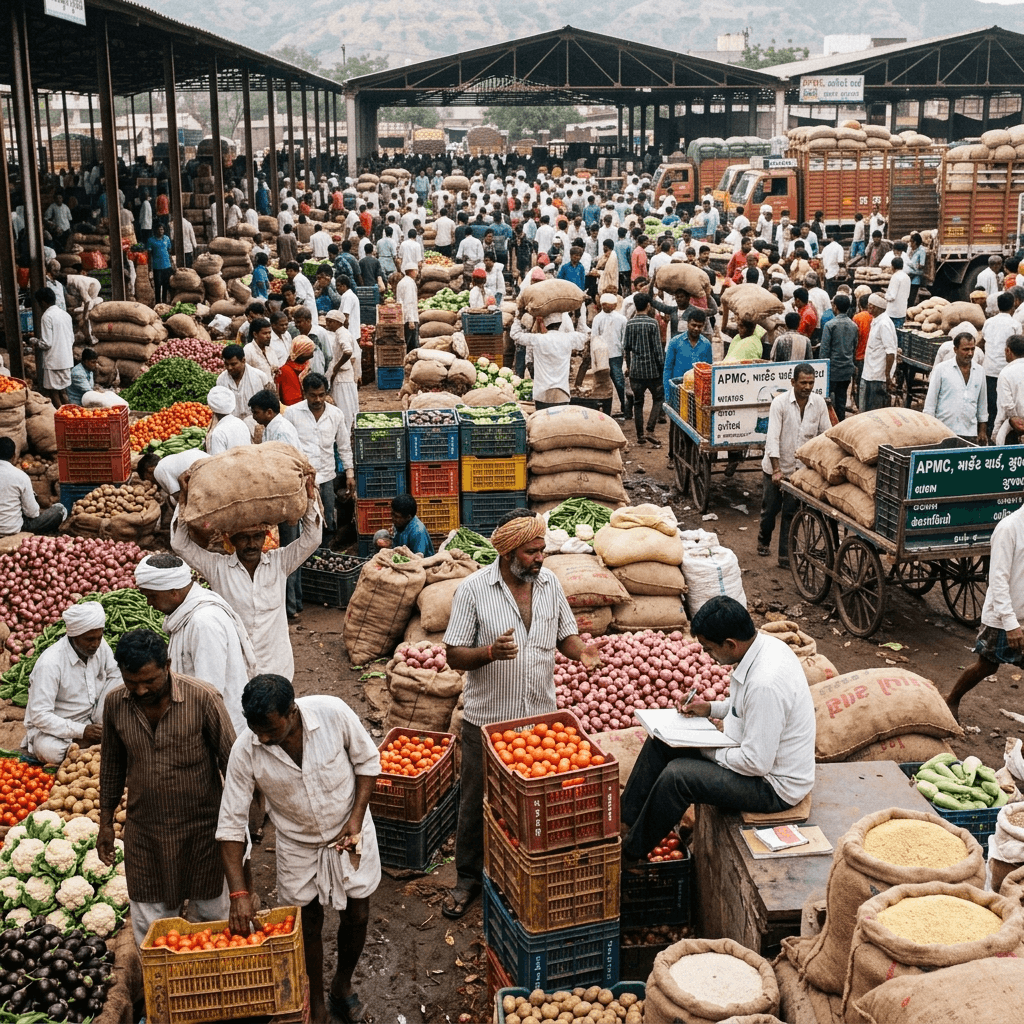
Agricultural Produce Market Committees (APMC) in Gujarat, including major hubs like Gondal, Rajkot, Unjha, and Ahmedabad, handle millions of tons of crops daily. The market for organic commodities is growing rapidly. Exporters and domestic organic brands actively buy organic groundnuts, cumin (Jeera), sesame, and castor from these mandis. To secure the highest prices, farmers must focus on crop quality. Growing premium crops requires applying Mitti Gold vermicompost and composted cow dung manure. The recommended application rate of compost is 500 kg per bigha for spices and 600-800 kg per bigha for oilseeds during land preparation. This balanced organic nutrition improves grain weight, oil content, and flavor, helping the crop pass APMC quality tests and fetch the highest bids. For groundnut crops, incorporating 150 kg of Mitti Gold vermicompost and 100 kg of pure cow dung powder per bigha at the time of pegging stimulates pod development and increases the shelling percentage. To improve soil structure in arid zones like Kutch and Saurashtra, applying 100 kg of agricultural charcoal per bigha helps conserve soil moisture and prevent nutrient leaching. During the growth cycle, liquid vermiwash should be sprayed at a rate of 5 to 10 liters per bigha, diluted in water, at intervals of 15 days, which supplies trace elements and boosts crop health. For high-value spices like cumin, applying a top-dressing of 100 kg of composted cow dung manure and 50 kg of Mitti Gold vermicompost per bigha ensures uniform seed setting and high essential oil content, which is a major factor in determining market prices at the Unjha APMC. By adhering to these precise organic application rates, farmers can consistently grow premium-grade crops that meet the strict requirements of export traders, ensuring maximum economic returns. Additionally, for cotton farmers trading in the Gondal and Rajkot yards, the application of composted cow dung manure at 1 ton per bigha combined with 300 kg of Mitti Gold vermicompost produces long-staple, high-tensile cotton fibers that fetch a premium from textile manufacturers. The addition of agricultural charcoal to the cotton fields increases the soil's organic carbon, allowing the crop to resist drought shocks and maintain fiber quality. For horticultural crops like mangoes and pomegranates sold at the Ahmedabad APMC, the recommended application rate is 15 kg of composted cow dung manure and 5 kg of Mitti Gold vermicompost per tree annually. This organic feeding, combined with regular foliar sprays of vermiwash, enhances fruit size, color, and sugar content, resulting in the coveted 'A-grade' classification. These standardized organic rates establish a reliable methodology for farmers to transition from quantity-focused chemical cultivation to quality-driven organic production, ensuring long-term prosperity in Gujarat's competitive market.
How to Use Product: Cleaning, Packaging, and Storing Crops for Auction
Preparing crops for auction at the APMC requires proper cleaning, sorting, and packaging. After harvesting, clean the grains to remove stones, dust, and chaff. Pack the clean produce in dry, eco-friendly jute bags. When to apply: Place agricultural charcoal packets inside the storage bags or warehouses. The agricultural charcoal acts as a natural desiccant and odor absorber, preventing the growth of storage molds and protecting the grains from spoilage during storage and transport. Mark the bags clearly with "Organic Produce" tags. Proper grading—separating high-quality grains from smaller ones—ensures that the crop receives the premium "A-Grade" classification at the APMC auction yard, maximizing the farmer's returns. To enhance the post-harvest quality of oilseeds, farmers can dust the seeds with a very fine layer of pure cow dung powder and wood ash, which prevents insect infestation without chemical residues. For perishable crops like vegetables, washing them in a highly diluted solution of vermiwash (1:50 ratio) before packing keeps them fresh and prevents bacterial rot during transit to the market. Storage warehouses should be pre-treated by spraying a mixture of cow urine and neem extract on the walls and floors, and laying a thin layer of composted cow dung manure mixed with lime at the entry points to repel pests. By implementing these systematic post-harvest and storage practices, farmers can maintain the purity and quality of their organic produce, ensuring that their hard work is rewarded with top-tier prices at the APMC auction. Furthermore, to prevent moisture damage during the monsoon season, when humidity in Gujarat's coastal regions is high, warehouses should be lined with larger bags of agricultural charcoal to act as humidity buffers. Cumin and sesame seeds, which are highly sensitive to moisture, must be stored in airtight containers or laminated bags with silica gel or charcoal packs. When transporting spices to the Unjha APMC, farmers should ensure that the vehicles are clean and dry. Applying a top layer of clean straw over the bags protects them from direct sunlight and dust. FPOs can set up automated cleaning and grading plants using mandi infrastructure, allowing smallholders to pool their crops and achieve uniform grading. This collective preparation increases the bargaining power of the farmers, enabling them to negotiate bulk sales directly with national organic exporters and retail chains, bypassing local commission agents and securing higher net profits.
1
Mandi Registration
Visit the local APMC office with your land records, Aadhaar, and bank account to get a farmer card.
2
Crop Grading
Clean and sort the harvested crops into uniform grades before packing them into jute bags.
3
Auction and Payment
Bring the bags to the auction yard, where licensed traders bid on the crop, and receive payment directly in your bank account.
Outcome Comparison: Certified Organic Sales vs. Conventional APMC Auction
Comparing the outcomes of selling certified organic crops against conventional crops at Gujarat APMCs reveals significant economic differences. The difference is not only in the final sale price but also in market demand, transaction speed, and post-auction processing efficiency:
- Price Premium and Income: Certified organic groundnuts and cumin sold at dedicated APMC organic counters fetch 30% to 50% higher prices compared to conventional crops that contain pesticide residues. The use of Mitti Gold vermicompost and pure cow dung powder ensures that the crop meets export standards, opening doors to global buyers.
- Buyer Demand and Trust: Exporters and premium brands prefer crops grown with natural inputs like composted cow dung manure and agricultural charcoal, as they comply with international phytosanitary standards. Buyers are willing to buy the entire stock in bulk, reducing the time farmers spend at the mandi.
- Storage Life and Weight: Organically grown crops have lower moisture levels and firmer cell structures, reducing storage losses and weight shrinkage during transport. Utilizing agricultural charcoal in storage prevents mold and insect damage, maintaining crop quality.
- Crop Health and Quality: Crops grown with regular applications of liquid vermiwash have higher nutritional value, stronger color, and higher essential oil content, which is a major factor in bidding wars at the mandi, compared to chemically grown crops that look dull and spoil quickly.
Enhancing Crop Quality through Living Soils
Producing premium-grade agricultural produce that commands top prices at the APMC is only possible through healthy, living soils. Applying organic composted cow dung manure and Mitti Gold vermicompost feeds the soil food web. Beneficial bacteria and earthworms break down organic matter into easily absorbable nutrients. This biological activity increases the concentration of vitamins, minerals, and essential oils in crops like cumin and mustard. The result is a high-quality harvest with superior aroma, color, and weight, which immediately attracts the attention of quality-conscious buyers at the mandi. The incorporation of agricultural charcoal provides a permanent physical habitat for these soil microbes, protecting them from drought and synthetic chemical damage. Regular application of vermiwash introduces beneficial liquid microbial cultures that stimulate the soil food web. Using pure cow dung powder acts as a natural feed for earthworms, encouraging them to multiply and burrow. As they move through the soil, they create channels that improve water infiltration and root growth. This active biology releases locked phosphorus and potassium, ensuring that the crop receives a steady supply of nutrients throughout its growth cycle. The soil becomes self-sustaining and fertile, producing crops that are naturally resilient to pests and diseases, and possess the high-quality characteristics that command premium prices at the APMC. In contrast, conventional chemical farming in regions like Saurashtra has depleted the soil organic carbon, leaving the soil sterile and prone to compaction. When soil biology is destroyed, plants become dependent on synthetic fertilizers, which leads to weak plant structures, lower nutritional content, and higher susceptibility to pests. The crops produced in such soils often have high water content, making them prone to rapid spoilage and shrinkage, which reduces their value at the mandi auction. By shifting to organic practices and utilizing carbon-rich amendments like composted cow dung manure and agricultural charcoal, farmers can rebuild the soil's biological fertility. The active soil microbes synthesize plant growth-promoting hormones, which improve root architecture and increase nutrient uptake. This biological restoration is the foundation of high-quality agriculture, ensuring that the harvested grains, oilseeds, and spices have the high test weight and premium appearance that drive intense bidding among APMC traders.
Preventing Post-Harvest Storage Diseases and Pest Infestations
Post-harvest pest infestations from weevils and beetles, along with storage molds, can ruin crop value before it reaches the APMC. Organic farmers avoid chemical fumigants by using natural storage protectants. Sun-drying the grains to a moisture level below 12% is essential. Mixing dried neem leaves or turmeric powder into the storage bags repels insects. Storing the bags on raised wooden pallets in a dry warehouse containing agricultural charcoal absorbs excess humidity, preventing fungal infections and keeping the grains safe. For growing crops, natural protection starts in the soil. Applying composted cow dung manure enriched with Trichoderma prevents root diseases. Incorporating Mitti Gold vermicompost builds overall plant vigor, reducing pest susceptibility. Foliar spray of vermiwash builds systemic resistance against sucking pests. Applying pure cow dung powder mixed with wood ash can be dusted on vegetables to control caterpillars. These combined natural prevention techniques ensure that the crop remains healthy, clean, and free from pesticide residues, making it highly valuable in the market. To further safeguard stored commodities, farmers can utilize specialized organic storage techniques. The use of agricultural charcoal as a moisture and gas adsorbent in storage bins is highly effective in preventing the accumulation of aflatoxins in groundnuts, which is a major barrier to export. Additionally, treating storage bags with a solution of neem oil and spraying the exterior with a liquid preparation of Bacillus thuringiensis prevents moth and beetle larvae from boring into the bags. In the field, crop rotation and the cultivation of trap crops like marigold help manage nematode populations in spice crops. Applying a mixture of composted cow dung manure and pure cow dung powder enriched with bio-pesticides like Metarhizium anisopliae controls white grubs in groundnut fields, which is a common pest in Gujarat. Spraying vermiwash mixed with fermented garlic and chili extract acts as a powerful repellent against thrips and aphids in cumin crops. By adopting these ecological and biological protection methods, farmers can prevent major crop losses in the field and storage, ensuring that their harvest is of the highest quality and completely free of synthetic chemical residues, which is a key requirement to secure premium bids at APMC yards.
Digital Trading via e-NAM and Private Organic Mandis in Gujarat
Gujarat APMCs are integrated with the e-NAM (National Agriculture Market) platform, allowing digital bidding by buyers nationwide. Additionally, private organic mandis and farmers' cooperatives (Khedut Mandalis) are emerging. These organizations offer contract farming opportunities, supplying certified organic inputs like Mitti Gold vermicompost, composted cow dung manure, and agricultural charcoal to members and buying back the harvest at guaranteed premium prices, bypassing traditional intermediaries. Using pure cow dung powder and vermiwash on their crops ensures that farmers meet the strict quality standards required by contract buyers. This integrated marketing system provides a secure income for farmers and promotes sustainable agriculture. FPOs can play a major role by setting up cleaning, grading, and testing labs at the village level, allowing farmers to test their crops for pesticide residues before bringing them to the APMC. This pre-testing gives farmers the confidence to demand premium prices from exporters, maximizing their profits and establishing Gujarat as a leading state in organic agriculture. The demand for organic cumin, sesame, and groundnuts in international markets, particularly in the European Union and the United States, has created a lucrative avenue for Gujarat's exporters. To tap into this opportunity, exporters require reliable sources of high-quality, certified organic raw materials. The emerging private organic mandis in districts like Banaskantha and Mehsana are bridging this gap by connecting organic farmers directly with export houses. These mandis utilize e-NAM to host online auctions specifically for certified organic lots, attracting buyers from across the country. By utilizing premium inputs such as Mitti Gold vermicompost and agricultural charcoal, farmers can guarantee that their crops meet the stringent quality specifications of international buyers. The addition of composted cow dung manure and foliar vermiwash sprays ensures that the crops have high nutritional profiles, which are highly valued in the global market. FPOs can assist farmers in obtaining collective NPOP (National Programme for Organic Production) certifications, reducing the cost of certification per farmer. This cooperative model, backed by digital marketing platforms and premium organic inputs, ensures that smallholders can participate in global trade, securing high returns and driving the growth of sustainable agriculture in Gujarat.
📅 Official Application & Deadline Guide
⏳
Last Date of Application
Ongoing / Seasonal registration
🌐
Official Portal to Apply
Gujarat State Agricultural Marketing Board (GSAMB)
Apply Online Here ↗
📦 Bulk Orders & Export
Mitti Gold Organic: For bulk orders of all organic fertilizers — Farmers, Nurseries, and Export. WhatsApp: +91 95372 30173
Gujarat APMC Mandi FAQ
What is the largest spice market APMC in Gujarat?
Unjha APMC in Mehsana district is the largest spice market in Asia, famous for trading cumin, fennel, mustard, and fenugreek.
How can a farmer check daily crop prices in Gujarat APMCs?
Daily crop prices can be checked on the official Gujarat State Agricultural Marketing Board website (gsamb.gujarat.gov.in) or via mobile apps like e-NAM.
What is the market fee (Mandi Tax) in Gujarat APMCs?
The market fee ranges from 0.5% to 1.5% of the transaction value, paid by the buyer (trader), not the farmer.
Can I sell my crop directly to private buyers outside the APMC?
Yes, recent agricultural reforms in Gujarat allow farmers to sell directly to private processors, exporters, and retailers outside the APMC boundaries.
How does agricultural charcoal prevent grain spoilage in storage?
Agricultural charcoal is highly porous, adsorbing excess moisture and toxic gases in the storage room, which prevents mold growth and insect breeding.