📅 June 2026 | ✍️ Mitti Gold Organic | 🗂️ Govt Schemes
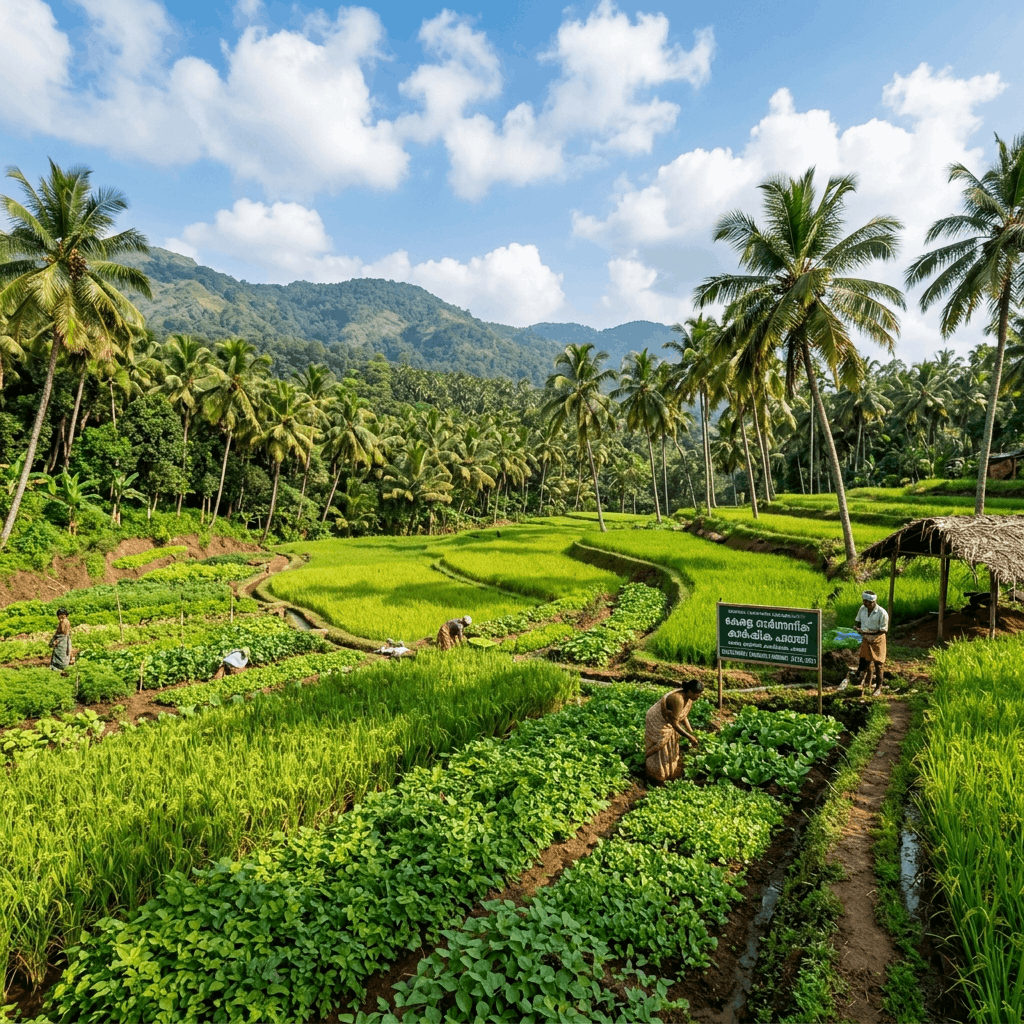
Application Rates: Inputs and Subsidies for Restoring Fallow Land
The Subhiksha Keralam scheme is a flagship program launched by the Government of Kerala to ensure food self-sufficiency by bringing fallow lands back under cultivation. The scheme offers substantial financial subsidies to individuals, self-help groups (Kudumbashree), and cooperatives. Under the scheme's guidelines, restoring fallow land requires restoring its organic carbon. The recommended application rate of composted cow dung manure is 4 to 5 tons per acre for vegetable and tuber cultivation, and 2 tons per acre for paddy. The scheme provides financial assistance of up to ₹40,000 per hectare for fallow land preparation. Farmers can utilize these funds to procure high-quality Mitti Gold vermicompost and agricultural charcoal to enrich the soil before sowing, ensuring a strong, nutrient-rich foundation for the crops. For tuber crops like tapioca, yam, and sweet potato, incorporating pure cow dung powder at a rate of 1.5 tons per acre alongside composted cow dung manure stimulates root bulking and increases tuber weight. In high-rainfall areas, applying agricultural charcoal at a rate of 500 kg per acre is highly recommended to build soil structure and prevent waterlogging. Additionally, during the crop growth cycle, applying vermiwash through foliar spray at a dilution of 1:10 with water at weekly intervals ensures that vegetable crops receive an immediate boost of micronutrients. For cash crops like banana, the recommended application rate is 10-15 kg of composted cow dung manure and 3-5 kg of Mitti Gold vermicompost per plant basin, applied in three split doses: at planting, at two months, and at four months. By following these precise organic application rates, farmers can rehabilitate degraded soils, maximize resource efficiency, and secure higher yields that meet the quality standards of Kerala's local markets. Regular monitoring of soil health through Krishi Bhavans helps in adjusting these rates based on crop-specific requirements, ensuring that the transition from fallow land to productive organic farms is both economically viable and ecologically sustainable.
How to Use Product: Restoring Soil Fertility and Raising Seedlings
Using subsidized organic inputs effectively is key to achieving high yields under the Subhiksha Keralam guidelines. During land preparation, clear the fallow area of weeds and rocks. Spread the composted cow dung manure evenly over the field and plow it into the soil. For raising vegetable seedling plants, prepare nursery beds using a mix of 50% topsoil, 30% organic Mitti Gold vermicompost, and 20% pure cow dung powder. When to apply: The nursery mix is applied prior to sowing seeds. For plantation crops like banana and coconut, which are widely subsidized under this scheme, mix 10 kg of Mitti Gold vermicompost and 1 kg of agricultural charcoal in the planting pits. The agricultural charcoal acts as a sponge, retaining soil moisture and preventing nutrient runoff during Kerala's heavy monsoon rains, resulting in robust root development and healthy vegetative growth. Liquid organic formulations like vermiwash should be applied directly to the plant foliage or root zone using a knapsack sprayer. Dilute vermiwash at a ratio of 1:8 with water and spray during cool hours, preferably in the morning, to enhance plant immunity and stimulate rapid growth. For coconut palms, apply 50 kg of composted cow dung manure and 15 kg of Mitti Gold vermicompost in a ring basin dug 1.8 meters away from the trunk base. Add 2 kg of agricultural charcoal to this basin to lock in moisture and nutrients, and cover with green leaves as mulch. This method ensures that the roots receive a continuous supply of nutrition, improving nut size and yield. Avoid using raw dung as it attracts pests like rhinoceros beetles, which can devastate young palms. By utilizing these systematic application methods, farmers can achieve optimal input efficiency and transform Kerala's agricultural landscape.
1
Portal Registration
Register online at the official AIMS portal of the Kerala Agriculture Department with land details.
2
Soil Preparation
Clear fallow land and incorporate 4 tons of composted cow dung manure per acre during primary tillage.
3
Seedling Inoculation
Use a mixture of vermicompost and pure cow dung powder in nursery beds to sprout healthy vegetable saplings.
Outcome Comparison: Subhiksha Organic Farming vs. Chemical Cultivation
Farmers participating in the Subhiksha Keralam scheme can compare the results of organic methods against chemical farming. By evaluating the direct physiological outcomes, soil health indices, and overall crop yield, growers can witness the long-term superiority of sustainable practices over conventional synthetic farming:
- Yield Quality, Nutritional Value, and Taste: Vegetables and tubers grown with organic Mitti Gold vermicompost and pure cow dung powder show superior taste, texture, and nutritional value compared to chemically grown crops. The organic crop develops a higher dry matter content and has a balanced mineral profile, whereas chemical crops tend to accumulate water and synthetic nitrates, leading to early spoilage.
- Rain-Fed Resilience and Moisture Retention: Organically treated soils enriched with porous agricultural charcoal and composted cow dung manure retain moisture far better during dry spells between monsoons, preventing crop wilting. The charcoal acts as a permanent water reservoir in the soil, which is crucial for high-water-demanding crops like banana and vegetables.
- Input Cost Reductions and Economic Profitability: By using local cow dung manure and subsidized Mitti Gold vermicompost instead of costly chemical fertilizers, farmers cut their input costs by up to 35%, improving net profits. The long-term application of organic inputs also eliminates the need for expensive chemical pesticides and soil conditioners.
- Systemic Crop Health and Disease Resistance: Applying liquid vermiwash as a foliar spray triggers the natural defense mechanisms of plants, reducing pest attacks and fungal infections. In contrast, chemical farming destroys soil microbiology, making crops dependent on continuous chemical interventions and increasing their vulnerability to root-rot pathogens.
Revitalizing the Soil Food Web in Kerala's Acidic Soils
Kerala's soils are naturally acidic due to heavy rainfall leaching basic cations. Chemical fertilizers aggravate this acidity, killing beneficial soil creatures. The Subhiksha Keralam scheme promotes organic inputs to restore soil biology. Composted cow dung manure buffers the soil pH, making it less acidic. The addition of agricultural charcoal provides a stable habitat for earthworms and soil bacteria. These soil organisms decompose organic matter, releasing plant-available nitrogen, phosphorus, and potassium, creating a self-sustaining nutrient cycle that keeps the soil alive and productive. When Mitti Gold vermicompost is applied to these acidic soils, it introduces a diverse population of beneficial bacteria and mycorrhizal fungi that colonize the root system, enhancing nutrient uptake. Spraying or drenching the soil with vermiwash further boosts this microbial activity, introducing plant growth-promoting rhizobacteria (PGPR) that fix nitrogen and solubilize phosphorus. The application of pure cow dung powder provides a quick source of organic carbon, stimulating the rapid multiplication of native soil microbes. These microscopic organisms work continuously to bind soil particles together, improving soil aggregation, aeration, and water-holding capacity. As a result, the soil food web is fully restored, converting sterile, acidic land into a thriving, fertile ecosystem that supports robust crop growth without the need for synthetic chemical additives, which only degrade the soil over time. Furthermore, the presence of these beneficial soil creatures helps in decomposing agricultural waste directly in the field, converting stubble and leaves into rich humus. The microscopic cavities within agricultural charcoal shield these microbes from dry spells and acid shocks, ensuring their survival. As these organisms burrow and move through the soil, they create channels that improve root penetration and air circulation. The humic substances present in Mitti Gold vermicompost and composted cow dung manure act as natural chelating agents, binding toxic aluminum and iron ions that are common in Kerala's acidic soils, preventing them from harming plant roots. This comprehensive biological restoration is key to sustainable farming in the region, ensuring that the soil remains productive for future generations and reduces the farmer's dependence on expensive chemical soil conditioners.
Natural Disease and Pest Management in Humid Zones
The humid climate of Kerala promotes fungal diseases like quick wilt in black pepper, bud rot in coconut, and downy mildew in cucurbits. Chemical fungicides damage the ecosystem. Under Subhiksha Keralam, biological control is highly encouraged. Farmers enrich organic Mitti Gold vermicompost with Trichoderma viride and Pseudomonas fluorescens before application. This builds a biological shield in the root zone, outcompeting pathogens. When to apply: Spraying fermented cow urine diluted with water (1:10 ratio) on vegetable crops repels sucking pests and prevents leaf spot diseases without chemical residues. Using vermiwash as a foliar spray provides systemic resistance to plants, as it contains antimicrobial proteins and enzymes that inhibit fungal spore germination. Additionally, the application of agricultural charcoal at the base of plants improves soil drainage, reducing the damp conditions that promote root-rot pathogens. For insect control, farmers can paint the trunks of coconut palms and banana trees with a thick paste made of pure cow dung powder and neem cake powder, which acts as a barrier against burrowing pests. Applying composted cow dung manure enriched with bio-pesticides like Beauveria bassiana helps control soil-borne grubs and beetles. By combining these natural prevention techniques, farmers can protect their crops from major diseases while keeping their produce organic and safe for consumption. Furthermore, maintaining a diverse ecosystem in the farm helps in attracting natural predators like ladybug beetles and lacewings, which control aphids and whiteflies naturally. Regular foliar application of vermiwash, combined with neem oil, creates a thin protective layer on the leaf surface that deters egg-laying by insect pests. In black pepper plantations, applying a mixture of Trichoderma-enriched composted cow dung manure and agricultural charcoal to the base of the vines during the onset of the monsoon prevents the outbreak of Phytophthora foot rot, which is a major cause of crop loss. The highly porous structure of agricultural charcoal adsorbs excess moisture and prevents water stagnation around the collar of the vine, which is critical for disease prevention. This ecological approach to pest and disease management ensures that the crops remain healthy, the environment is protected, and the harvest meets the residue-free requirements for export, enhancing the overall profitability of the farm.
Marketing through Kudumbashree and VFPCK Networks
The Subhiksha Keralam scheme is linked with local marketing networks, ensuring farmers can sell their organic produce easily. Kudumbashree weekly markets, VFPCK (Vegetable and Fruit Promotion Council Keralam) centers, and local cooperative stores buy organic vegetables at premium rates. Farmers who certify their farms as organic can access high-value export markets for spices, coconut products, and bananas, earning substantial foreign exchange and contributing to the state's agricultural economy. Utilizing premium inputs like Mitti Gold vermicompost and composted cow dung manure helps farmers produce crops that meet the strict residue testing requirements of international buyers. The addition of agricultural charcoal to the soil helps grow high-quality ginger and turmeric with high essential oil content, which is highly valued in the pharmaceutical and export sectors. Furthermore, using pure cow dung powder and vermiwash to grow export-grade bananas and pineapples ensures that the fruit has a beautiful appearance, rich taste, and extended shelf life, reducing losses during transit. By cooperative marketing, smallholders can aggregate their produce, obtain collective organic certifications, and negotiate directly with major retail chains, bypassing middle-men and capturing a larger share of the consumer price. This market-oriented organic farming model provides sustainable livelihoods for Kerala's rural youth and boosts the state's agricultural GDP. In addition to local sales, the government of Kerala is establishing dedicated organic processing hubs where farmers can dry, process, and package their produce under a unified state brand. Highlighting the use of ecological inputs like Mitti Gold vermicompost and agricultural charcoal on the packaging appeals to health-conscious consumers in urban markets like Kochi, Trivandrum, and Bangalore. The export demand for organic coconut oil, spices, and processed tubers is growing rapidly in the Gulf Cooperation Council (GCC) countries and Europe. By participating in cooperative training and utilizing shared resources for processing, farmers can add value to their raw crops, transitioning from subsistence farming to commercial agribusiness, securing long-term economic prosperity and promoting the sustainable agricultural development of Kerala.
📅 Official Application & Deadline Guide
⏳
Last Date of Application
Ongoing registration based on seasonal targets
🌐
Official Portal to Apply
Department of Agriculture Development and Farmers' Welfare, Government of Kerala
Apply Online Here ↗
📦 Bulk Orders & Export
Mitti Gold Organic: For bulk orders of all organic fertilizers — Farmers, Nurseries, and Export. WhatsApp: +91 95372 30173
Subhiksha Keralam Scheme FAQ
What is the main objective of the Subhiksha Keralam scheme?
The scheme aims to achieve food self-sufficiency in Kerala by cultivating fallow lands, boosting agricultural production, and promoting organic farming.
How much subsidy is provided for fallow land paddy cultivation?
The government provides a subsidy of up to ₹40,000 per hectare for individual farmers and groups to revive paddy cultivation on fallow land.
Can I apply for the Subhiksha Keralam scheme offline?
Yes, you can submit physical application forms at your local Krishi Bhavan, though online registration through the AIMS portal is highly recommended.
What is the role of Kudumbashree in this scheme?
Kudumbashree groups are key implementers, receiving land leases and subsidies to collectively cultivate vegetables and tubers on fallow plots.
How does vermicompost help in tuber crop cultivation under this scheme?
Applying vermicompost to tuber crops like tapioca and yam improves soil structure, aeration, and nutrient availability, resulting in larger and healthier tubers.