📅 June 2026 | ✍️ Mitti Gold Organic | 🗂️ Machinery & Markets
Recommended Application Rates of Citrus Peel Amendments
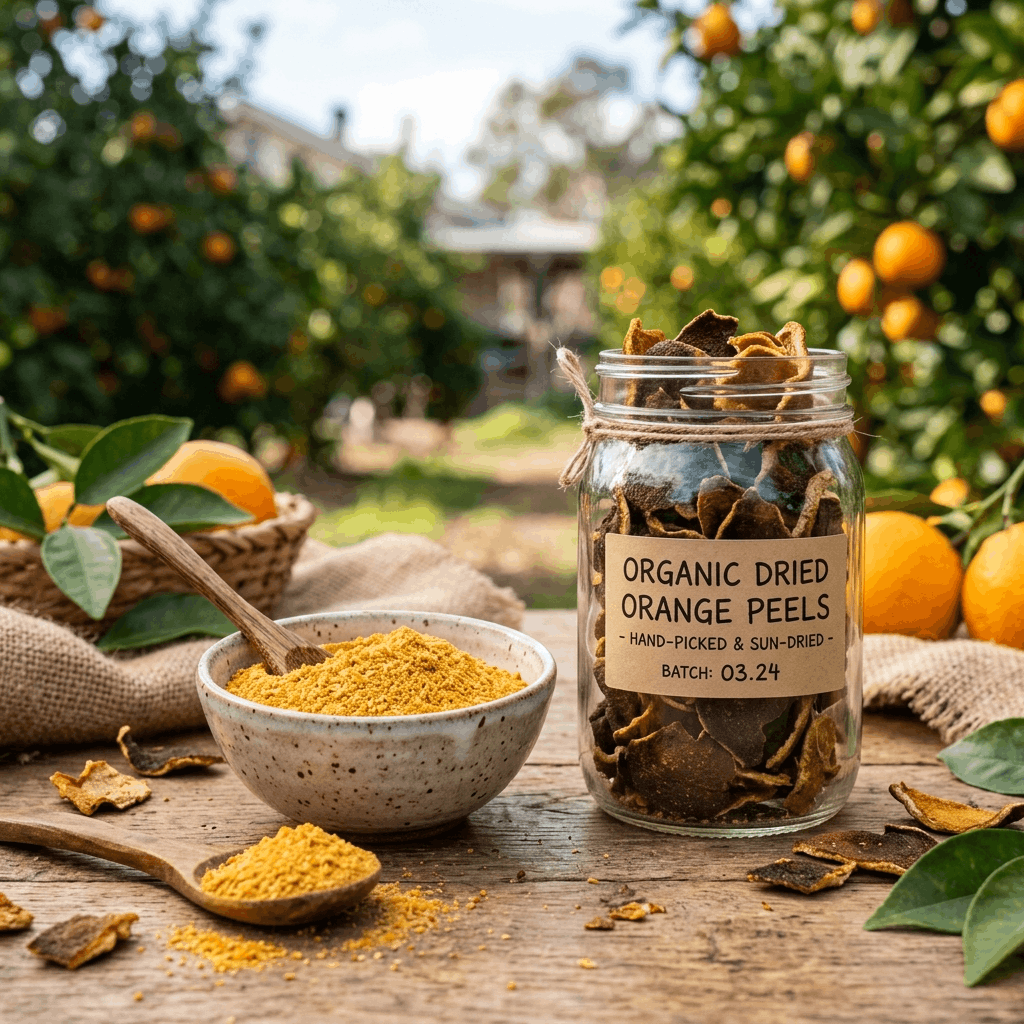
Dried orange peel powder (Citrus sinensis) is an exceptional organic amendment, acting as a treasure trove of essential plant nutrients such as nitrogen, potassium, calcium, and magnesium, alongside active bio-flavonoids and organic acids. In typical Indian agricultural environments and intensive gardening systems, the application of dried orange peel powder must be managed with precise dosage calculations to prevent soil over-acidification and temporary nutrient lockups. For potting soils, home gardens, and raised beds, the optimal application rate is 20 to 30 grams of dried orange peel powder per square meter. To ensure optimal performance, this powder should be blended thoroughly with 2 kg of premium Mitti Gold vermicompost, which introduces highly active microbial flora and enzymes that accelerate the decomposition of citrus fibers. In larger-scale horticultural orchards—particularly for heavy feeders like citrus fruits, mangoes, and pomegranates—growers should integrate 200 to 300 grams of dried orange peel powder with 10 kg of composted cow dung manure per tree basin, applying it in a ring along the drip line. Because citrus peels release citric and malic acids during decomposition, maintaining soil pH stability is vital. Incorporating 500 grams of highly porous agricultural charcoal per tree basin acts as a reliable pH buffer and provides microscopic nesting sites for beneficial soil microbes, preventing the root zone from becoming excessively acidic. Furthermore, combining this with a top dressing of 1 kg of pure cow dung powder provides a stable, slow-release nitrogen source that works in perfect synergy with the potassium-rich orange peels. For foliar applications and root-zone drenching, mixing these solid amendments with a diluted vermiwash spray at a 1:10 ratio enhances nutrient absorption and systemic resistance. Regular soil tests should be conducted to monitor pH fluctuations, and the application rate can be adjusted depending on soil clay content and existing organic matter levels. For sandy soils that drain quickly, the dosage of both orange peel powder and agricultural charcoal can be increased by 10% to prevent nutrient leaching and improve water retention.
How to Use Dehydrated Orange Peel in Gardens and Farms
Utilizing dried orange peel powder effectively in agricultural systems depends heavily on proper preparation, precise blending, and strategic timing. The process begins with sourcing fresh orange peels, which must be dried thoroughly under shade rather than in direct sunlight to preserve the volatile essential oils, particularly d-limonene, which is the active agent for pest deterrence and microbial stimulation. Once the peels are crisp, grind them into a uniform powder. For top dressing, apply the citrus peel powder in a circular ring along the drip line of the plant, keeping a distance of at least 10 to 15 cm from the main stem to avoid direct acid contact with the collar region. When to apply: The most critical times to apply this citrus amendment are during the early vegetative stage to promote foliage growth and right before the pre-flowering stage to support flower development. For commercial vegetable beds, blend the orange peel powder with Mitti Gold vermicompost, composted cow dung manure, and pure cow dung powder, then rake it gently into the top two to three inches of soil, followed immediately by light watering to activate the micro-organisms. To enhance soil structure and moisture-holding capacity, combine this mix with agricultural charcoal, which locks in the citrus nutrients. For liquid applications, farmers can create a potent liquid bio-fertilizer and pest repellent. Steep 100 grams of dried peels in 5 liters of water for 48 hours, then strain the liquid. Alternatively, dilute vermiwash with this citrus extract at a 1:5 ratio to create an advanced foliar spray. This liquid combination is highly effective when sprayed onto the undersides of leaves during early morning or late evening, acting as a natural repellent against sucking pests while delivering instantly absorbable micro-nutrients. For orchards, applying this treatment during the post-monsoon flush stimulates new growth and prepares the trees for heavy blooming. Repeat the application every 4 to 6 weeks during the active growth phase, making sure to water the soil adequately after each treatment to facilitate the slow breakdown of the peel powder and prevent any local salt accumulation or temporary acidity spikes.
1
Dry and Grind Peels
Collect fresh orange peels, dry them under shade until crisp, and grind them into a fine powder.
2
Blend with Bio-Organics
Mix the powder with vermicompost and agricultural charcoal to buffer acidity and enrich nutrient profiles.
3
Apply and Water
Incorporate the mixture into the topsoil around the root zone, keeping it away from the main stem, and water lightly.
Outcome Comparison: Orange Peel Organic Treatment vs. Chemical Soil Conditioners
Comparing agricultural soils amended with a combination of dried orange peel powder and Mitti Gold vermicompost against those treated with synthetic chemical soil conditioners and fertilizers reveals distinct long-term agronomic benefits. While chemical inputs provide temporary, immediate adjustments, they often lead to soil compaction, salinity, and degradation of the natural ecosystem. In contrast, the organic synergy of citrus peels and natural compost offers a sustainable solution for modern farming:
- Soil Structure and pH Regulation: Dried orange peel powder slowly releases mild organic acids, such as citric and malic acids, which naturally lower pH in alkaline soils and help unlock bound phosphorus, making it bioavailable to crops. When combined with agricultural charcoal, these acids are held in the root zone and released gradually, preventing sudden pH drops. Chemical conditioners, on the other hand, provide rapid, unstable changes that can leach away quickly and shock tender plant roots. The inclusion of composted cow dung manure further improves soil aggregate stability, creating a soft, well-aerated soil structure that resists erosion.
- Aromatics and Pest Deterrence: The natural d-limonene and volatile terpenes present in dried orange peels act as a highly effective repellent against subterranean and foliar pests, including root nematodes, ants, aphids, and whiteflies. Synthetic chemical pesticides can eradicate these pests temporarily but leave toxic chemical residues in the soil and harvested produce, while also destroying beneficial predatory insects. Applying a natural foliar spray containing vermiwash and citrus extract provides safe, long-lasting deterrence without harming the environment or beneficial pollinators.
- Sustained Microbial Activity and Root Health: The high carbon content, pectin, and cellulose in dehydrated orange peels serve as an excellent energy source for soil fungi, actinomycetes, and earthworms. This biological activity is boosted by pure cow dung powder, which contains active beneficial microbes that speed up the decomposition of organic matter. Synthetic chemicals, by comparison, sterilize the soil microbiome and kill earthworms, leading to dead, lifeless soils. By fostering a diverse soil food web, the organic citrus treatment ensures healthy root development, enhanced drought tolerance, and superior crop yields.
Nourishing Soil Micro-Life with Citrus Carbon
Dehydrated orange peels contain high concentrations of complex carbohydrates, pectin, and cellulose, which serve as excellent prebiotic food sources for saprophytic soil fungi, mycorrhizae, and beneficial actinomycetes. When citrus powder is incorporated into the soil alongside Mitti Gold vermicompost and highly porous agricultural charcoal, a highly favorable habitat is created for these micro-organisms. The microscopic pores of agricultural charcoal act as safe shelters, protecting delicate microbial colonies from desiccation, soil compaction, and temperature extremes. As these beneficial soil microbes colonize the charcoal, they break down the complex citrus polymers into simple sugars and organic acids. These simpler compounds, in turn, feed and stimulate free-living nitrogen-fixing bacteria like Azotobacter and Clostridium, as well as phosphate-solubilizing bacteria. This microbial activity is further supported by applying composted cow dung manure, which adds millions of active microbes to the soil. To accelerate this biological cycle, farmers can drench the root zone with vermiwash, which contains growth hormones, vitamins, and enzymes that stimulate root growth and microbial activity. The presence of pure cow dung powder adds a rich source of carbon and nitrogen, ensuring a balanced carbon-to-nitrogen ratio for the soil decomposers. As the soil biology flourishes, earthworms are attracted to the decomposing citrus matter. Earthworms consume the organic blend and pass it through their digestive tracts, producing highly fertile worm castings rich in plant-available nutrients and humic substances. This natural bio-degradation process transforms soil structure, improving aeration, water infiltration, and nutrient holding capacity. Over time, this active soil food web builds a resilient soil ecosystem that can naturally suppress soil-borne pathogens, reduce the need for synthetic fertilizers, and support vigorous plant growth across all cropping seasons.
Natural Pest Defense and Fungal Protection
Citrus peels are renowned in organic agriculture for containing high concentrations of d-limonene, linalool, and various monoterpenes, which act as powerful natural insecticides that are highly toxic to soft-bodied insect pests such as aphids, spider mites, thrips, leafminers, and whiteflies. When these volatile oils come into contact with insects, they disrupt their sensory receptors and dissolve the protective waxy coating on their cuticles, leading to dehydration and death. Instead of relying on hazardous chemical insecticides that harm human health and pollute the water table, farmers can mix dried orange peel powder directly into the soil. This creates a natural repellent barrier against subterranean pests, particularly root-knot nematodes and wireworms, which damage tender roots and reduce crop yields. When to apply: Incorporate this citrus amendment during primary tillage, or apply it as a protective barrier around the root zone of crops during early spring or before the onset of the monsoon. Furthermore, the natural antifungal and antibacterial compounds in orange peels help suppress devastating soil-borne pathogens such as Fusarium, Pythium, Phytophthora, and Rhizoctonia, which cause root rot and damping-off. Combining the peel powder with Mitti Gold vermicompost and composted cow dung manure introduces beneficial antagonistic microbes like Trichoderma that actively fight these pathogens. To enhance this protection, applying a foliar spray made of diluted vermiwash mixed with orange peel extract provides a dual-action defense system, coating the leaves with a bitter, pest-repellent layer that prevents fungal spores from germinating. Additionally, blending the citrus powder with pure cow dung powder creates a healthy rhizosphere environment, encouraging the development of systemic acquired resistance in the plant. The inclusion of agricultural charcoal in the soil mix helps adsorb and slowly release the volatile citrus oils, ensuring long-lasting pest control and preventing the active pest-repelling compounds from washing away during heavy rains.
Commercial Demand and Agri-Business Value of Citrus Waste
The global commercial market for dehydrated orange peel and citrus peel powder is experiencing rapid growth, driven by the increasing demand for organic farming inputs, natural cosmetics, bio-pesticides, and herbal medicines. Large-scale citrus juice extraction factories in major orange-producing states like Maharashtra, Punjab, Madhya Pradesh, and Andhra Pradesh generate massive quantities of citrus peel waste annually. Traditionally discarded in landfills, this waste is now being processed into high-value dried agricultural amendments through eco-friendly dehydration and milling technologies. Organic farming cooperatives, Farmer Producer Organizations (FPOs), and agricultural input brands, such as those manufacturing Mitti Gold vermicompost, are actively sourcing these processed citrus peels in bulk. They use them to formulate premium organic soil conditioners and natural pest repellents, often blending them with agricultural charcoal and composted cow dung manure to enhance nutrient profiles and soil moisture-holding capacity. Farmers who adopt these natural soil amendments can produce crops that are completely free from synthetic chemical residues. This allows them to obtain organic certifications easily, which is a key requirement for entering high-value export markets in Europe, North America, and Japan. Exporters are willing to pay a 30% to 50% price premium for pesticide-free fruits, vegetables, and grains. In addition, using liquid extracts like vermiwash and pure cow dung powder in combination with orange peel powder helps farmers lower their input costs by reducing their reliance on expensive imported chemical fertilizers and pesticides. This combination of lower production costs and higher market prices significantly improves the profit margins of small and marginal farmers, while promoting circular economy principles in agriculture by converting citrus processing waste into valuable soil-building resources.
📦 Bulk Orders & Export
Mitti Gold Organic: For bulk orders of all organic fertilizers — Farmers, Nurseries, and Export. WhatsApp: +91 95372 30173
Dried Orange Peel Powder FAQ
Can orange peel powder make the soil too acidic?
Yes, if applied in excessive amounts. To prevent this, always mix it with buffering agents like Mitti Gold agricultural charcoal and composted cow dung manure, which neutralize extreme pH swings.
Which plants benefit most from orange peel powder?
Acid-loving crops such as tomatoes, potatoes, citrus fruits, roses, blueberries, and gardenias thrive when treated with orange peel amendments.
Does orange peel powder repel ants?
Yes, the natural limonene in orange peels disrupts the scent trails of ants, making it an excellent natural repellent for kitchen gardens.
How often should I apply citrus peel powder to my crops?
Applying it once every 4 to 6 weeks during the active growing season is sufficient for most agricultural and horticultural plants.
Can I use fresh orange peels directly in the soil?
It is not recommended, as fresh peels decompose slowly, attract pests, and can temporarily lock up nitrogen. Dehydrated and powdered peels are much safer and more effective.