📅 June 2026 | ✍️ Mitti Gold Organic | 🗂️ Govt Schemes
Application Rates: Well Water Utilization and Organic Farming Scale
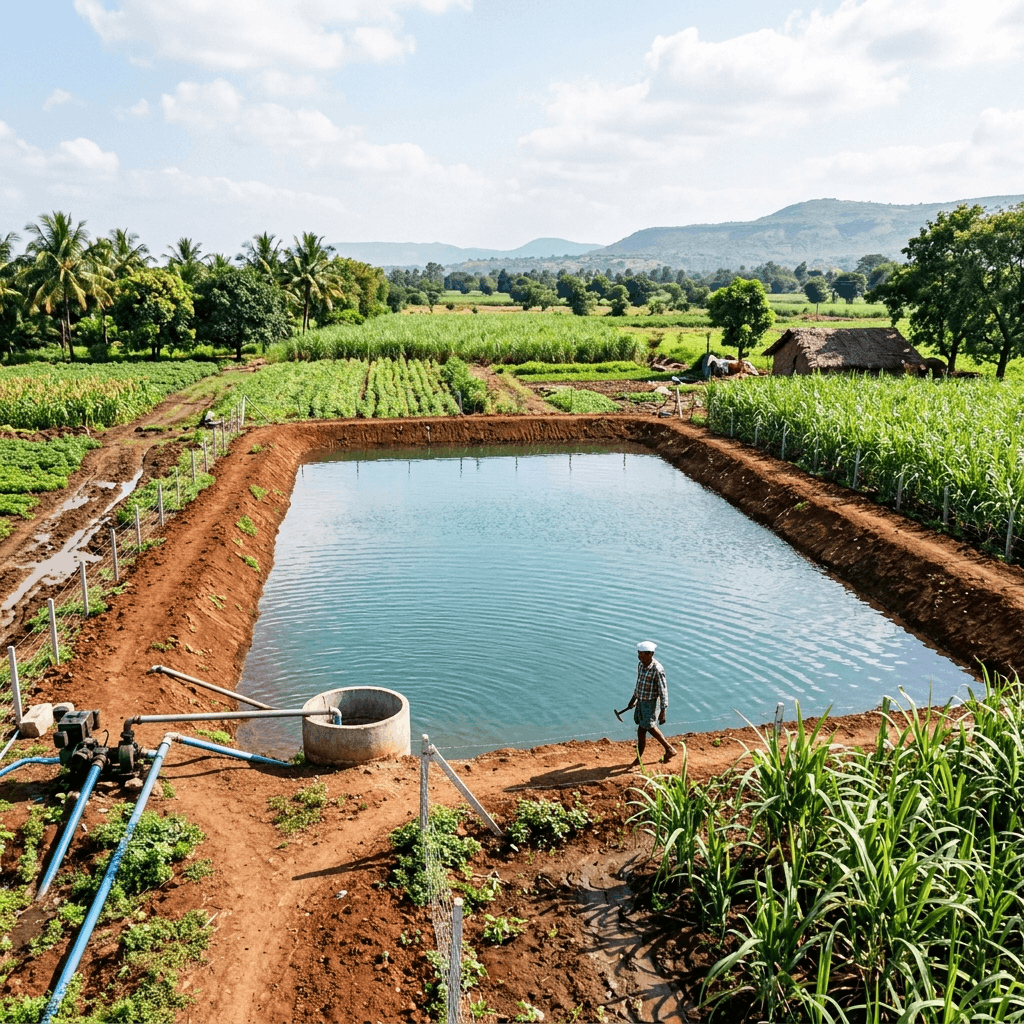
The Magel Tyala Vihir Yojana is a highly successful initiative by the Government of Maharashtra to provide assured irrigation to farmers by subsidizing the construction of farm wells. The scheme offers a direct financial subsidy of up to ₹3,00,000 to dig a well on the farmer's land. Water security is critical for applying organic inputs like Mitti Gold vermicompost and liquid vermiwash. With a stable well, farmers can maintain the optimal soil moisture required for organic farming. The application rate of well water must be managed using micro-irrigation systems to prevent soil compaction and surface crusting. A typical dug well can sustain 2 to 5 acres of high-yield organic crops, allowing farmers to transition from single-crop rain-fed farming to profitable year-round multi-cropping. Under well-irrigated conditions, the recommended annual application rate of composted cow dung manure is 5 to 6 tons per acre, supplemented with 1.5 tons of Mitti Gold vermicompost. To improve the water retention capacity of the soil, integrating 400 kg of agricultural charcoal per acre into the root zone helps retain the pumped well water, reducing irrigation frequency. During critical growth stages, vermiwash should be applied via venturi fertigation at a rate of 20 liters per acre weekly, diluted with the well water. For fruit crops, applying a top dressing of 2 kg of pure cow dung powder per tree basin during the fruiting phase provides the slow-release potassium necessary for larger, sweeter fruits. These precise application rates, backed by water security, ensure that farmers can double their crop intensity and build a highly profitable organic farm system. For high-value cash crops such as sugarcane or cotton, which are common in Maharashtra's agricultural belt, a consistent soil moisture level is vital to prevent nutrient stress. Having a farm well allows farmers to schedule irrigation precisely during critical stages like tillering or boll formation. The combined application of composted cow dung manure and agricultural charcoal ensures that the soil acts as a nutrient sponge, locking in the water-soluble minerals present in Mitti Gold vermicompost. In dryland areas of Vidarbha and Marathwada, where rainfall is erratic, this water-smart organic strategy has helped farmers sustain crop yields even during prolonged dry spells. By maintaining an organic carbon level above 0.8% in the soil, the efficiency of well water is maximized, allowing farmers to irrigate more land with less water, thereby promoting sustainable groundwater management.
How to Use Product: Integrating Well Water with Organic Soil Amendments
Using well water efficiently in combination with organic amendments maximizes crop yield and saves water. Avoid traditional flood irrigation, which causes nutrient leaching, soil erosion, and waterlogging. Instead, connect the farm well to a drip irrigation system. When to apply: Apply water during the early morning or late evening to minimize evaporation losses. Mix liquid organic inputs like vermiwash into the irrigation water via a venturi system. To use vermiwash, dilute it with well water at a ratio of 1:10 for drip fertigation and apply it every two weeks. In the crop root zones, incorporate composted cow dung manure and agricultural charcoal. The agricultural charcoal acts as a moisture reservoir, holding the well water in the root zone and reducing the irrigation frequency by up to 25%, ensuring the crops remain healthy and hydrated even during hot summer months. For new sapling plantations, dig pits of 2x2x2 feet and mix the excavated soil with 10 kg of composted cow dung manure, 3 kg of Mitti Gold vermicompost, and 500 grams of pure cow dung powder. Fill the bottom of the pit with a 2-inch layer of agricultural charcoal to ensure excellent drainage. This prevents water logging at the root base, which can cause collar rot. During the vegetative phase, top-dress the plants with Mitti Gold vermicompost every 45 days, followed immediately by drip irrigation from the well. This systematic application method ensures that the organic inputs are dissolved and carried directly to the active root zone, promoting rapid nutrient absorption and healthy vegetative growth. For seasonal vegetable cultivation, farmers should prepare raised beds lined with a mixture of composted cow dung manure and pure cow dung powder. The drip lines should be laid directly over the beds to deliver water close to the plant bases. The porous structure of agricultural charcoal within the beds helps to adsorb the liquid nutrients from vermiwash, preventing them from sinking below the root zone. During the dry season, applying a layer of organic mulch over the drip lines helps to lock in the moisture from the well. This integrated water and nutrient management system is highly effective in maintaining a stable soil temperature, preventing root stress, and encouraging continuous plant growth throughout the year, ensuring that the farmer gets the maximum return from their well investment.
1
Portal Application
Register on the MahaDBT portal and submit the application for "New Well" under the agricultural schemes.
2
Site Verification
A groundwater survey is conducted by a geologist to verify water availability and mark the well site.
3
Construction and DBT
Dig the well as per specifications, submit progress photos, and receive the subsidy in stages via DBT.
Outcome Comparison: Irrigated Organic Farm vs. Dryland Chemical Farm
Comparing the outcomes of a farm irrigated by a Magel Tyala well using organic practices against a dryland chemical farm reveals substantial differences. Having a reliable water source combined with organic carbon inputs changes the biological and chemical dynamics of the soil, leading to a highly productive and resilient farm system:
- Crop Diversity and Yield: Well-irrigated farms can grow high-value vegetables and fruits year-round, increasing income by 3x compared to rain-fed cotton or soybean. Incorporating Mitti Gold vermicompost and pure cow dung powder results in a 30% increase in fruit and vegetable yields, with superior taste and market appeal.
- Soil Moisture and Structure: Soils enriched with composted cow dung manure and watered via drip irrigation maintain a spongy, moist structure. Chemical-intensive dryland soils become hard, cracked, and infertile. The combination of agricultural charcoal and composted manure improves soil water-holding capacity, preventing drought stress.
- Drought Resilience: The combination of assured well water and moisture-retaining agricultural charcoal ensures that crops survive extended dry spells that destroy chemical farms. The charcoal holds moisture and releases it slowly, allowing plants to survive up to 15 days without irrigation.
- Nutrient Retention and Runoff: Organically managed soils prevent nutrient leaching. Liquid vermiwash applied through the drip lines is held by the soil organic carbon, whereas chemical fertilizers are washed away into the groundwater, causing pollution and wasting money.
Supporting Soil Organisms through Consistent Hydration
Soil organisms like earthworms and beneficial bacteria require consistent moisture to remain active. In dry, un-irrigated soils, earthworms burrow deep and become dormant, and microbial populations dwindle. The farm well constructed under the Magel Tyala scheme provides the consistent hydration needed to keep the soil biology active. When combined with organic carbon from composted cow dung manure, the moist soil becomes a thriving habitat for earthworms. Their burrowing aerates the soil, and their castings enrich it with plant-available nutrients, creating a self-fertilizing soil ecosystem. The addition of Mitti Gold vermicompost introduces billions of beneficial bacteria and mycorrhizal fungi that thrive in the hydrated environment. Agricultural charcoal provides microscopic pores that protect these microorganisms from drying out when the topsoil surface is hot. Spraying vermiwash introduces beneficial liquid cultures that stimulate microbial activity. Pure cow dung powder provides a quick source of carbon to feed the growing microbial population. As these microorganisms decompose the organic matter, they release humic acids that help in solubilizing locked minerals like phosphorus and potash, making them easily absorbable by the plant roots. The biological activity also creates glomalin, a glycoprotein that binds soil particles into stable aggregates, improving soil porosity. This biological cycle keeps the soil alive, fertile, and productive, reducing the need for chemical fertilizers and pesticide inputs. Furthermore, consistent well irrigation prevents the soil from experiencing sudden wet-and-dry shocks, which can kill delicate soil microbes. The porous structure of agricultural charcoal acts as a safety buffer, absorbing excess water during heavy rains and releasing it during dry spells, maintaining a stable moisture level in the root zone. In this stabilized environment, beneficial fungi like Trichoderma can colonize the rhizosphere, forming a protective barrier around the plant roots. Earthworms are attracted to the carbon-rich composted cow dung manure and multiply rapidly, creating vertical channels that improve water infiltration and root growth. This natural soil-building process, fueled by organic inputs and sustained by well water, restores the soil food web, turning degraded agricultural land into a living, dynamic ecosystem capable of supporting healthy, heavy-yielding crops.
Preventing Root Diseases through Balanced Soil Hydration
Excess water from poorly managed wells can cause waterlogging, leading to root rot and collar rot diseases in crops. Organic farmers prevent these diseases by improving soil drainage and using natural biological controls. Mixing agricultural charcoal and Mitti Gold vermicompost into the soil improves porosity, allowing excess water to drain away while retaining essential moisture. When to apply: Spraying biological fungicides like Trichoderma viride, mixed with well water, protects the crop roots from pathogenic fungi. Spraying vermiwash on the crop foliage builds systemic resistance against sucking pests. Applying pure cow dung powder mixed with neem oil on the plant trunks protects them from boring insects. Composted cow dung manure enriched with Pseudomonas fluorescens can be applied in the root zone to control bacterial wilt. Pests like aphids and whiteflies can be controlled by spraying a solution of fermented cow urine and neem seed kernel extract. By maintaining a clean, well-drained field and utilizing these natural plant protection methods, farmers can keep their crops healthy and disease-free without using toxic chemical pesticides, which degrade the environment and pollute the well water. To prevent damping-off in vegetable nurseries, farmers should treat the seeds with a liquid formulation of Trichoderma before sowing them in beds prepared with Mitti Gold vermicompost and pure cow dung powder. The drainage layer of agricultural charcoal at the bottom of the beds prevents the accumulation of stagnant water, which is the primary breeding ground for fungal pathogens. If a crop shows signs of leaf spot or mildew, spraying a 10% solution of vermiwash mixed with fermented buttermilk provides a natural, highly effective control. In orchards, applying composted cow dung manure mixed with castor cake powder around the base of the trees deters soil insects and termites. The integration of these mechanical, cultural, and biological control measures ensures that the crop protection strategy is preventive rather than reactive, resulting in a healthy, residue-free harvest that is safe for consumption and highly profitable.
High-Value Summer Crops and Organic Mandi Contracts
Having a reliable well allows Maharashtra farmers to grow crops during the lucrative summer season (March to June) when market prices are highest. Farmers can grow organic leafy vegetables, watermelons, and fodder crops. This steady supply enables them to sign direct contract agreements with organic retail chains and exporters in major cities like Pune, Mumbai, and Nagpur. The high quality of organic produce ensures premium prices, making the well investment highly profitable. Exporters actively buy organic crops grown using Mitti Gold vermicompost, composted cow dung manure, and agricultural charcoal, as these crops easily pass chemical residue tests. Spraying vermiwash on the crops improves their size, color, and shelf life, making them ideal for long-distance transport. Top-dressing with pure cow dung powder boosts crop quality, ensuring a high grade at the market. By forming cooperative marketing groups, farmers can pool their irrigated organic crops, secure group organic certifications, and sell directly to premium organic brands, earning up to 50% higher profits than traditional chemical farmers. The growing health consciousness among urban consumers in Maharashtra has created a massive demand for residue-free vegetables, fruits, and grains. Buyers are willing to pay a high premium for certified organic produce that is free from toxic pesticides and heavy metals. By utilizing sustainable inputs like Mitti Gold vermicompost and agricultural charcoal, farmers can differentiate their produce in the market. The farm well provides the water required to maintain a continuous, year-round supply of fresh vegetables, which is essential to secure long-term contracts with supermarkets and organic brands. FPOs can set up processing centers where the organic crops are cleaned, graded, and packed. Highlighting the use of ecological inputs like composted cow dung manure and vermiwash on the packaging builds trust with consumers and enhances brand value. This market-driven approach to organic farming ensures that farmers are no longer dependent on volatile local mandi prices, securing their livelihoods and driving the rural economy forward.
📅 Official Application & Deadline Guide
⏳
Last Date of Application
Continuous / Annual budget allocations
🌐
Official Portal to Apply
MahaDBT Portal, Government of Maharashtra
Apply Online Here ↗
📦 Bulk Orders & Export
Mitti Gold Organic: For bulk orders of all organic fertilizers — Farmers, Nurseries, and Export. WhatsApp: +91 95372 30173
Magel Tyala Vihir Yojana FAQ
What is the maximum land holding required to apply for the well subsidy?
Farmers must own at least 1.5 acres (0.6 hectares) of land to be eligible for the Magel Tyala Vihir Yojana in Maharashtra.
How much financial subsidy is provided for digging a well?
The Maharashtra government provides a financial subsidy of up to ₹3,00,000, which is credited directly to the farmer's bank account in stages.
Is a joint well option available under the scheme?
Yes, if individual land holding is less than 1.5 acres, two or more farmers can apply jointly to construct a shared irrigation well.
What documents are required for the application?
Required documents include the 7/12 land record, 8A document, bank passbook, Aadhaar card, and a certificate stating that no well exists on the land.
Can I use the well water for flood irrigation?
While permitted, it is highly recommended to install drip or sprinkler irrigation to conserve well water and prevent soil erosion and nutrient leaching.