📅 June 2026 | ✍️ Mitti Gold Organic | 🗂️ Farming
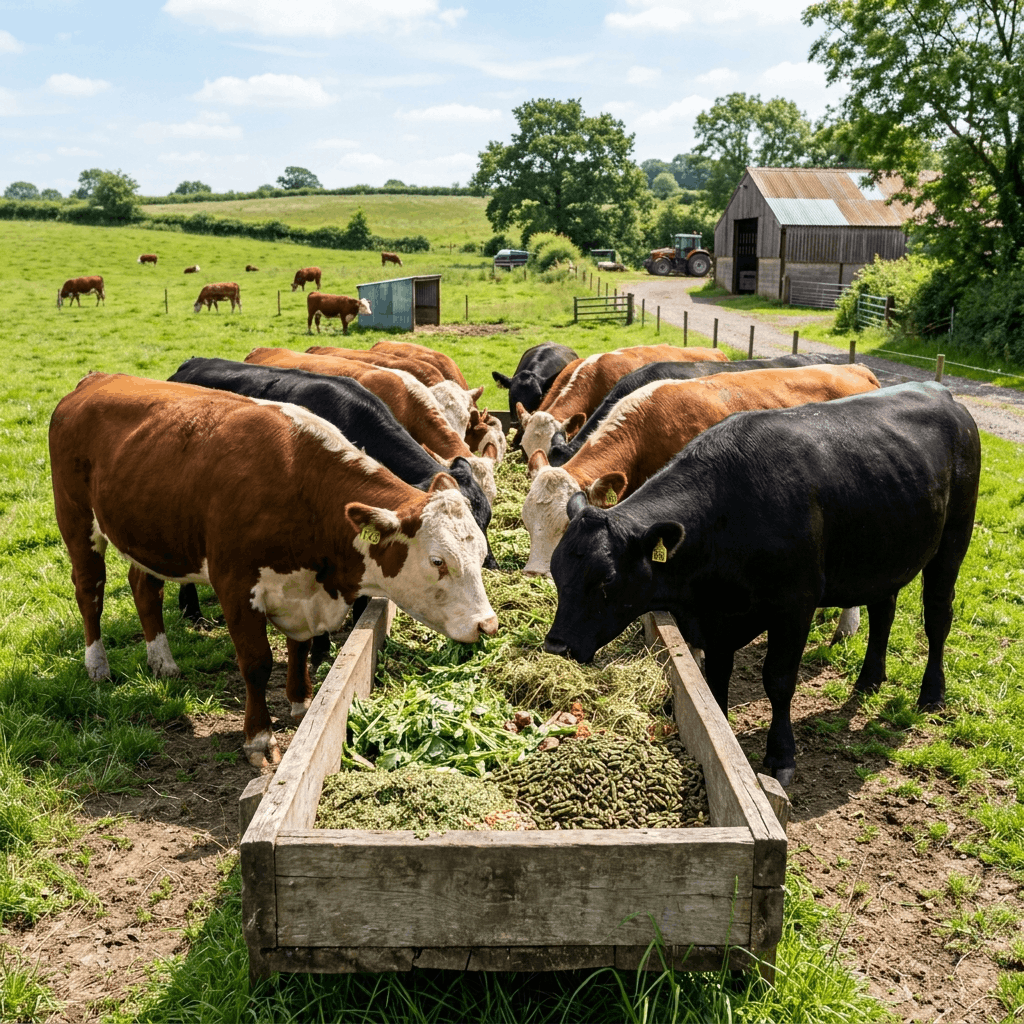
Understanding Application Rates and Dosage
When integrating a feed grade urea substitute into your livestock's diet, understanding the correct application rates is crucial. Unlike pure urea, which carries a high risk of ammonia toxicity if overfed, premium substitutes provide a slower, sustained release of non-protein nitrogen (NPN). Typically, the recommended dosage ranges from 10 to 15 grams per 100 kg of body weight, but this can vary depending on the base forage quality and the specific formulation of the substitute.
Farmers must gradually introduce the substitute over a period of 10 to 14 days. This adaptation phase allows the rumen microbes to adjust to the new nitrogen source, preventing digestive upsets and maximizing microbial protein synthesis. Always consult with a veterinary nutritionist to tailor the dosage to your herd's specific life stage, whether they are lactating cows, growing heifers, or dry cows.
It is important to remember that these substitutes are designed to complement, not replace, a balanced diet. Adequate levels of fermentable carbohydrates, such as molasses or cracked corn, must be present in the rumen to provide the energy microbes need to utilize the released nitrogen effectively. Failure to balance nitrogen with energy can lead to wasted nutrients and potential health risks.
Step-by-Step Guide to Using Urea Substitutes
Implementing a new feed additive requires a systematic approach to ensure safety and efficacy. Follow these steps to successfully transition your herd to a feed grade urea substitute.
Assess Current Feed Formulation
Begin by analyzing your current Total Mixed Ration (TMR). Identify the protein deficit that the urea substitute will fill. Ensure that the diet contains sufficient fermentable carbohydrates (like grains or molasses) to provide energy for rumen microbes to utilize the non-protein nitrogen.
Select the Right Substitute
Choose a high-quality, slow-release urea substitute. Look for products that offer a controlled release profile matching the carbohydrate fermentation rate in the rumen. This synchronization is key to preventing ammonia spikes and maximizing microbial protein synthesis.
Gradual Introduction
Introduce the substitute slowly over a two-week period. Start with 25% of the target dose for the first few days, gradually increasing to 50%, 75%, and finally 100%. Monitor the herd closely for any signs of feed refusal or digestive discomfort during this transition.
Thorough Mixing
Ensure the substitute is evenly distributed throughout the TMR. Poor mixing can lead to some animals consuming toxic amounts while others receive none. Use specialized mixing equipment and verify the consistency of the feed batch.
Continuous Monitoring
Regularly assess milk production, body condition scores, and manure consistency. Adjust the dosage if necessary based on these performance indicators and any changes in the quality of your base forage.
Outcomes: Urea vs. Substitutes Comparison
Traditional feed grade urea provides a rapid influx of ammonia into the rumen. While cost-effective, this rapid release often outpaces the microbes' ability to utilize it, leading to ammonia toxicity, wasted nitrogen (excreted as BUN/MUN), and potential health crises. Substitutes, particularly slow-release formulations, offer a safer and more efficient alternative.
By matching the release rate of nitrogen with the availability of carbohydrates, substitutes ensure continuous microbial activity. This results in higher microbial protein yield, which is the most high-quality protein source for the cow. Studies have shown that herds transitioning to slow-release substitutes often experience a 5-10% increase in milk yield and improved milk protein and fat components.
Furthermore, the risk of toxicity is drastically reduced. Even in cases of accidental overconsumption or poor mixing, the controlled release mechanism provides a safety buffer that traditional urea lacks, protecting your valuable livestock investment.
Impact on Livestock Health and Digestion
The primary benefit of a high-quality urea substitute lies in its positive impact on rumen health. A stable rumen environment is the foundation of dairy cow health. Slow-release substitutes prevent the sudden spikes in rumen pH associated with rapid ammonia release, maintaining a balanced microbial ecosystem.
This stability enhances fiber digestion. When microbes have a steady supply of nitrogen, they can more efficiently break down complex carbohydrates in roughage, extracting more energy from lower-quality forages. This is particularly beneficial during dry seasons or when feeding mature, fibrous hay.
Additionally, optimizing nitrogen utilization reduces the metabolic burden on the cow's liver and kidneys, which otherwise have to process and excrete excess ammonia. This energy savings can be redirected toward milk production, growth, and improved reproductive performance.
Safety and Protection Measures
While substitutes are significantly safer than pure urea, proper handling and storage are still essential. Store the product in a dry, cool environment to prevent degradation of the slow-release coating. Moisture can compromise the integrity of the product, causing it to act like rapid-release urea.
Never feed urea or its substitutes to monogastric animals (like horses or pigs) or to calves whose rumens are not fully developed (typically under 4-6 months of age). Their digestive systems cannot utilize non-protein nitrogen and it can be rapidly fatal.
Always maintain a clean and reliable water supply. Water intake is critical for proper rumen function and for flushing out any excess metabolic byproducts. If toxicity is suspected (symptoms include muscle tremors, excessive salivation, and incoordination), veterinary assistance should be sought immediately, and a drench of cold water and vinegar can be administered as a first-aid measure to lower rumen pH.
Market Applications: Dairy Farmers and Feed Industry
The market for feed grade urea substitutes is expanding rapidly as both dairy farmers and commercial feed mills recognize the benefits of safety and efficiency. For dairy farmers, the value proposition is clear: improved herd health, increased milk components, and better utilization of home-grown forages, leading to improved profit margins.
Commercial feed manufacturers are increasingly incorporating these substitutes into their pelleted feeds and premixes. It allows them to formulate high-protein, cost-effective feeds without the liability and handling risks associated with raw urea. The ability to guarantee a safe, slow-release nitrogen source gives feed mills a competitive edge in a market that prioritizes animal welfare and performance.
As sustainability becomes a larger focus in agriculture, these substitutes also play a role in reducing the environmental footprint of dairy farming. By improving nitrogen utilization, less nitrogen is excreted in the manure, reducing ammonia emissions and potential groundwater contamination, aligning farming practices with eco-friendly standards.
📦 Bulk Orders & Export
Mitti Gold Organic: For bulk orders of all organic fertilizers — Farmers, Nurseries, and Export. WhatsApp: +91 95372 30173