📅 July 2026 | ✍️ Mitti Gold Organic | 🗂️
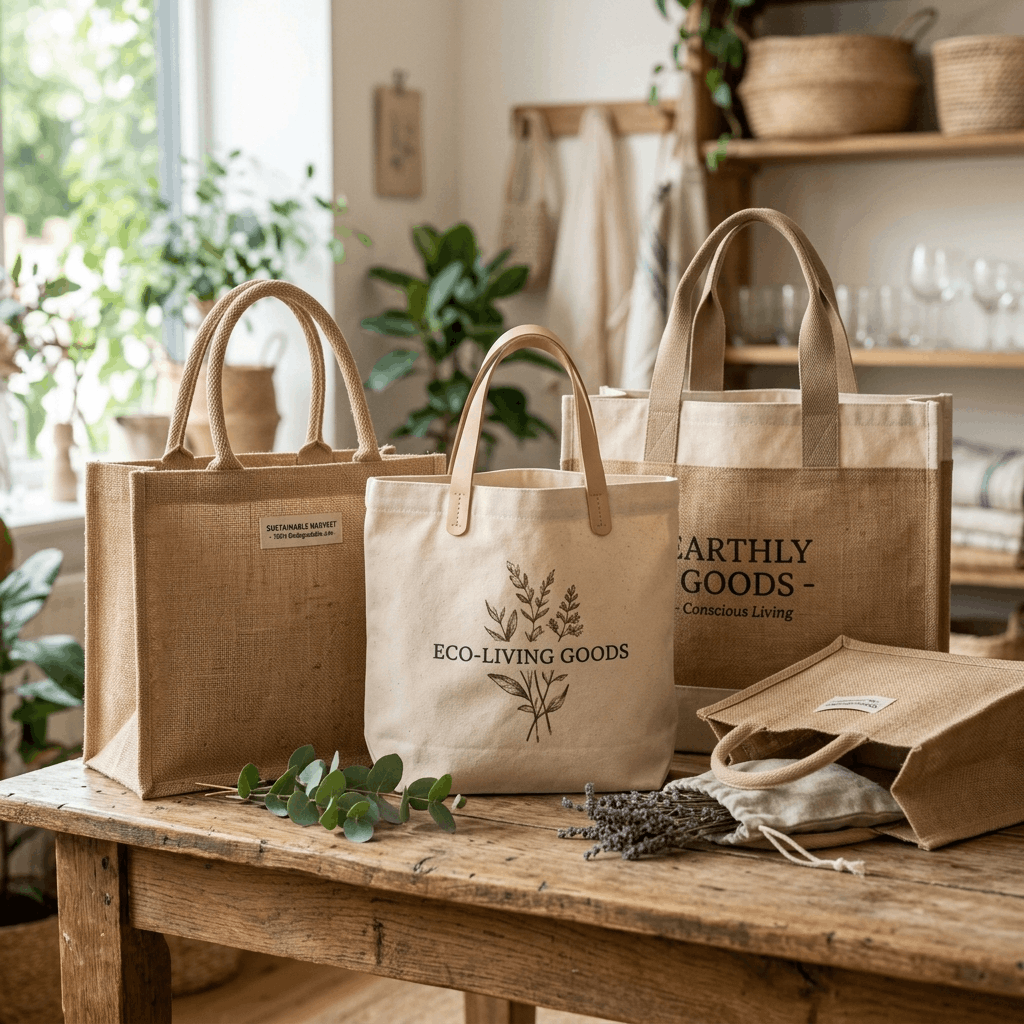
Introduction to the Eco-Friendly Bag Movement
In the contemporary era of hyper-consumption, the ubiquitous plastic shopping bag has emerged as one of the most visible and destructive symbols of environmental degradation, triggering an urgent global mandate for a massive transition towards eco-friendly bags. For over half a century, the retail and grocery sectors have been addicted to the convenience of thin, single-use high-density polyethylene (HDPE) bags. Trillions of these bags have been distributed globally, used for an average of merely twelve minutes before being thoughtlessly discarded. The environmental consequences of this brief utility are catastrophic. Plastic bags are notoriously difficult to recycle; they jam machinery in recycling plants and are overwhelmingly rejected, leading to less than 5% ever being repurposed. The remaining 95% choke our overflowing landfills, scatter across pristine landscapes like modern tumbleweeds, and inevitably find their way into our rivers and oceans. In the marine environment, they form massive floating garbage patches, smother coral reefs, and persistently degrade into toxic microplastics over centuries. The imperative to understand how to make eco-friendly bags, and to adopt them universally, is no longer an alternative lifestyle choice; it is a critical necessity for mitigating the escalating climate crisis and preserving the fragile ecological balance of our planet. Eco-friendly bags offer a powerful, scalable, and practical solution to this global catastrophe. By shifting our manufacturing focus and consumer habits toward bags crafted from sustainable, renewable, and biodegradable materials, we can systematically dismantle the plastic pollution pipeline at its source.
The realm of eco-friendly bags is incredibly diverse, encompassing a wide spectrum of materials and manufacturing techniques designed to suit every conceivable carrying need while respecting the earth's boundaries. From the classic woven strength of organic cotton, robust jute, and durable hemp, to the innovative, biodegradable chemistry of bioplastics derived from corn starch (PLA) or cassava, the options are vast and technologically advanced. Furthermore, recycled materials play a massive role; bags fashioned from recycled PET (rPET) pull existing plastic bottles out of the waste stream and give them a highly functional second life. The movement towards eco-friendly bags is accelerating rapidly, propelled by a potent combination of grassroots environmental activism, shifting consumer paradigms, and decisive legislative action by governments worldwide banning or heavily taxing single-use plastics. This comprehensive guide will dissect the multifaceted industry of eco-friendly bag manufacturing. We will explore the sourcing of sustainable raw materials, the intricate step-by-step production processes of various bag types, the stark environmental and health contrasts with traditional plastics, and the boundless economic potential within the global green market. By deeply understanding how eco-friendly bags are made and the profound positive impact they deliver, entrepreneurs, manufacturers, and everyday consumers can become active participants in the monumental shift towards a circular, zero-waste global economy, ensuring a cleaner, safer, and more vibrant world for future generations.
Raw Material Sourcing, Market Scale, and Yield Quantities
To fully grasp the massive potential and scalability of the eco-friendly bag industry, it is essential to analyze the sourcing, agricultural yield, and market scale of the raw materials involved. The global demand for sustainable packaging and carrier bags is skyrocketing, representing a multi-billion dollar market that requires vast, reliable, and highly sustainable supply chains. Fortunately, the earth provides an abundance of natural resources capable of meeting this demand without depleting ecological reserves. Let us examine jute, often referred to as the "golden fiber," which is one of the most popular and robust materials for manufacturing heavy-duty eco-friendly bags. Jute cultivation is highly efficient and exceptionally environmentally friendly. A single hectare (roughly 7.5 bighas) of jute cultivation can yield between 2 to 3 metric tons of dry jute fiber in just four to five months. Remarkably, during this short growing period, that same hectare of jute plants will absorb approximately 15 tons of carbon dioxide from the atmosphere and release 11 tons of oxygen, acting as a massive carbon sink. From just one ton of raw jute fiber, manufacturers can produce thousands of highly durable, reusable shopping bags. This incredible yield, coupled with the crop's minimal need for pesticides and fertilizers, makes it an incredibly lucrative and sustainable crop for farmers, particularly in South Asian regions where it thrives.
Similarly, the production of bioplastic bags relies heavily on the massive yields of agricultural starch crops such as corn, cassava, and potatoes. Cassava, for example, is a hardy root vegetable that can grow in poor soils and drought conditions, making it an ideal raw material for developing nations. A well-managed cassava farm can yield 20 to 30 tons of tubers per hectare. The starch extracted from these tubers is polymerized into biodegradable plastics like Polylactic Acid (PLA). The sheer volume of starch available from these high-yield crops ensures a continuous, affordable supply of raw material for producing millions of compostable shopping bags. Furthermore, the market scale for recycled materials is equally vast. For every ton of recycled PET (rPET) fabric produced to make durable reusable bags, thousands of discarded plastic water bottles are diverted from landfills and oceans. The market scale for eco-friendly bags is virtually limitless, driven by the total phase-out of plastic bags in the retail sector globally. Whether utilizing the high-yield biomass of crops like jute and cotton, the starch from robust root vegetables, or the endless stream of recyclable post-consumer waste, the raw material infrastructure is firmly in place to support a total global transition away from petroleum-based plastics, turning agricultural prowess and waste management into highly profitable, earth-saving industries.
The Comprehensive Production Process and Usage Guide
The production process of eco-friendly bags is a marvel of sustainable engineering, transforming natural fibers or plant starches into durable, reliable, and aesthetically pleasing carriers. Because "eco-friendly bag" is a broad term, the manufacturing process differs significantly based on the chosen material. Let us explore the production of two distinct, highly popular types: the reusable natural fiber bag (like jute or cotton) and the compostable bioplastic bag. For natural fiber bags, the process begins in the agricultural fields. Once harvested, materials like jute undergo 'retting'—a process of soaking the plant stems in water to soften them and separate the long, strong fibers from the woody core. These extracted fibers are washed, dried under the sun, and then spun into strong yarns at textile mills. The yarn is subsequently woven on massive industrial looms to create large rolls of durable fabric. This fabric is then cut into specific patterns using heavy-duty cutting machines. Skilled artisans or advanced automated sewing machines stitch the pieces together, attaching reinforced handles and finishing the seams to ensure the bag can carry heavy loads (often up to 20kg or more) without tearing. Finally, the bags can be screen-printed with eco-friendly, water-based inks to add logos, designs, or educational environmental messages, creating a beautiful, long-lasting product ready for years of use.
Conversely, the production of a compostable bioplastic bag (often made from corn or cassava starch) closely mirrors traditional plastic bag manufacturing, but replaces toxic petroleum with renewable plant matter. The plant starch is extracted and processed in a bio-refinery, where it is fermented and polymerized into a bio-resin, commonly Polylactic Acid (PLA). These bio-resin pellets are fed into high-temperature extruders. The machine melts the pellets and blows the liquid resin up into a massive, continuous, thin bubble of bioplastic film. This long tube of film is flattened, cooled, and rolled onto massive spools. The spools are then fed into automated bag-making machines which cut the film, heat-seal the bottoms and seams, and punch out the handle shapes at lightning speed. From a usage perspective, eco-friendly bags are designed to seamlessly integrate into daily life while providing vastly superior performance and environmental benefits. Reusable canvas or jute bags are unparalleled for heavy grocery runs, carrying books, beach trips, and daily commuting; they are washable, incredibly strong, and replace hundreds of single-use bags over their lifetime. Compostable bioplastic bags serve as the perfect drop-in replacement for the thin plastic bags used for produce, bakery items, or small retail purchases; they perform identically to plastic but, after use, can be tossed directly into a compost bin along with food scraps, where they will break down entirely, leaving zero toxic residue.
A Stark Contrast: Comparing Eco-Friendly Bags to Plastic Bags
To fully comprehend the critical importance of the eco-friendly bag movement, one must conduct an uncompromising, side-by-side comparison of the product outcomes, lifecycle impacts, and environmental costs between sustainable bags and traditional petroleum-based plastic bags. The outcome of producing standard high-density polyethylene (HDPE) plastic bags is fundamentally flawed and ecologically destructive from its very inception. The raw material is derived from crude oil and natural gas—non-renewable resources whose extraction involves massive carbon emissions, habitat destruction, and the constant risk of catastrophic oil spills. The refining process releases a toxic cocktail of air pollutants. The end product is a flimsy bag designed for minutes of use, yet engineered to last for millennia. When a plastic bag reaches the end of its absurdly short useful life, the outcome is pure pollution. In landfills, they prevent organic matter from decomposing by blocking oxygen, producing potent methane gas. In the environment, they do not biodegrade; they photodegrade, becoming brittle under the sun and shattering into millions of microplastics. These microplastics contaminate the soil, enter the water table, and absorb highly toxic persistent organic pollutants (POPs), turning into poisonous microscopic sponges that infiltrate every level of the global food chain.
In stark contrast, the outcome of manufacturing and utilizing eco-friendly bags represents a harmonious alignment with the earth's natural cycles and a triumph of sustainable innovation. Eco-friendly bags, whether made from organic cotton, robust jute, or plant-starch bioplastics, are derived from renewable resources that actively absorb carbon dioxide from the atmosphere as they grow, drastically lowering their overall carbon footprint. The functional outcome is significantly superior; a well-made reusable jute or canvas bag boasts immense tensile strength, capable of carrying heavy loads that would instantly shred a flimsy plastic bag, and it can perform this duty reliably for years. The most profound difference lies in the end-of-life outcome. When a reusable natural fiber bag finally wears out, it can be composted or recycled as textile waste, breaking down into natural organic matter. Similarly, a certified compostable bioplastic bag, when placed in a composting environment, is rapidly consumed by microorganisms, breaking down into water, carbon dioxide, and rich biomass within 90 to 180 days. Instead of leaving behind a legacy of immortal, toxic microplastics, eco-friendly bags return to the earth, enriching the soil and supporting future plant growth. Choosing an eco-friendly bag is an active decision to break the destructive, linear chain of plastic pollution and participate in a regenerative, circular economy that prioritizes the long-term health of the planet over fleeting convenience.
Safeguarding Marine Life and Preserving Biodiversity
The catastrophic impact of plastic bags on global ecosystems, particularly within our delicate marine environments, is one of the most heartbreaking ecological disasters of modern history. Because traditional plastic shopping bags are incredibly lightweight and aerodynamic, they are easily caught by the wind, escaping trash cans, garbage trucks, and landfills. They blow across landscapes, inevitably finding their way into storm drains, rivers, and ultimately, the world's oceans. Once in the marine ecosystem, a plastic bag becomes a silent, floating assassin. To a foraging sea turtle or an endangered leatherback turtle, a floating, translucent plastic bag looks exactly like their primary food source: a jellyfish. Upon ingestion, the plastic bag causes severe, often fatal, intestinal blockages. The turtle suffers a slow, agonizing death from starvation or internal ruptures. Similarly, marine mammals such as whales, dolphins, and seals frequently ingest plastic bags or become fatally entangled in them, leading to drowning or severe lacerations. Seabirds dive for floating plastic, feeding it to their chicks, resulting in entire generations of birds dying with stomachs full of indigestible petroleum waste. As these bags slowly break down into microplastics, they are consumed by smaller fish and plankton, introducing deadly toxins into the very foundation of the oceanic food web, causing widespread reproductive failure and disease among marine populations.
The global transition to eco-friendly bags is a direct, critical intervention necessary to halt this senseless slaughter and safeguard marine life and global biodiversity. By removing plastic bags from the supply chain and replacing them with sustainable alternatives, we drastically reduce the volume of lethal debris entering our waterways. If a natural fiber bag, like one made of cotton or jute, accidentally blows into a river or ocean, it does not pose the same deceptive threat. It is heavy, it sinks, and it rapidly begins to rot and degrade naturally in the water, returning to natural cellulose without releasing any toxic chemicals or forming microplastics. True compostable bioplastic bags, while they should ideally be processed in composting facilities, are formulated to break down much faster in natural environments than traditional plastics, significantly reducing the window of time they pose a threat to wildlife. Furthermore, by utilizing sustainable agricultural materials instead of drilling for oil, the production of eco-friendly bags reduces the likelihood of catastrophic oil spills that devastate marine and coastal habitats. The widespread adoption of eco-friendly bags is not just about reducing unsightly litter; it is a profound moral imperative to stop the poisoning of our oceans, to protect the magnificent creatures that inhabit them, and to preserve the intricate web of biodiversity upon which all life on Earth depends.
Health Benefits and Uncompromising Protection from Toxins
While the environmental devastation caused by plastic bags is highly visible, the insidious health risks they pose to human beings are often silent, invisible, and dangerously underreported. Traditional plastic bags, especially those made from cheap, low-grade recycled plastics often used in developing nations, are not inert materials. They are complex chemical matrices containing a variety of toxic additives, plasticizers, colorants, and heavy metals used to achieve desired colors, flexibility, and production efficiency. When food—especially warm, greasy, or acidic food like hot street food, fresh meats, or baked goods—is placed directly into these plastic bags, a highly dangerous process called chemical migration or leaching occurs. The heat and fats act as solvents, drawing out toxic chemicals such as phthalates, Bisphenol A (BPA) analogues, and sometimes even lead or cadmium from the ink used for printing logos. These chemicals contaminate the food and are subsequently ingested by the consumer. Prolonged, cumulative exposure to these endocrine-disrupting chemicals has been scientifically linked to a terrifying array of severe health issues, including reproductive disorders, hormonal imbalances, developmental problems in fetuses and children, neurological damage, and an increased risk of various cancers. By casually carrying our groceries and hot meals in conventional plastic bags, we are unknowingly exposing ourselves and our families to a continuous micro-dosing of industrial toxins.
Transitioning to eco-friendly bags offers robust, uncompromising protection against these severe health hazards, ensuring the safety and purity of our food supply. Bags made from natural, untreated fibers like organic cotton, jute, or hemp contain absolutely zero synthetic chemicals, plasticizers, or heavy metals. They are inherently safe for direct food contact; carrying fresh produce, bread, or bulk grains in a clean canvas bag guarantees that zero industrial toxins will leach into your meal. Furthermore, reputable manufacturers of compostable bioplastic bags adhere to strict food-safety standards. Because these bags are synthesized from natural plant starches (like corn or cassava) rather than petroleum sludge, they do not require the toxic stabilizing chemicals found in conventional plastics. They are designed to break down organically, not to release endocrine disruptors. Even the inks used on high-quality eco-friendly bags are typically water-based and free from toxic heavy metals. Beyond direct chemical exposure, reducing plastic bag usage mitigates broader public health crises; clogged drainage systems caused by plastic bags lead to stagnant water, creating breeding grounds for disease-carrying mosquitoes, spreading malaria and dengue fever in vulnerable communities. By choosing eco-friendly bags, consumers are making a powerful, proactive decision to shield their bodies from toxic chemical exposure, demand higher safety standards in packaging, and promote a dramatically healthier living environment for the global population.
Step-by-Step Manufacturing Guide for Reusable Jute Bags
Step 1: Cultivating, Harvesting, and Retting the Jute Plant
The manufacturing journey of an eco-friendly jute bag begins in the agricultural fields, primarily in the warm, humid climates of South Asia. Jute is a fast-growing, highly sustainable crop that requires minimal pesticides and fertilizers. Farmers plant the seeds and within just four to five months, the plants grow into tall, dense stalks reaching up to 10-12 feet in height. During this rapid growth phase, the crop absorbs massive amounts of CO2, significantly contributing to climate change mitigation. Once the stalks are mature and the flowers begin to shed, the harvesting begins. The tall plants are cut close to the ground, bundled together, and left in the field for a few days to defoliate. The next critical step is 'retting.' The bundles of jute stalks are fully submerged in slow-running water (like rivers or large ponds) for up to three weeks. This natural biological process allows aquatic microorganisms to break down the cellular tissues and gummy pectins that bind the valuable inner fibers to the woody core of the stalk. Proper retting is essential, as it determines the strength, luster, and overall quality of the final jute fiber.
Step 2: Fiber Extraction, Washing, and Drying
After the retting process is complete and the stalks have sufficiently softened, the meticulous task of fiber extraction begins. Skilled agricultural workers stand waist-deep in the water and manually strip the fibers from the woody core. They beat the softened stalks gently to loosen the fibers, then strip them off in long, continuous, golden ribbons. These raw fibers are immediately washed thoroughly in clean river water to remove any remaining mud, plant tissue, or impurities, ensuring the fiber is pure and strong. Once washed, the long strands of golden fiber are hung over bamboo poles under the bright, natural sunlight to dry completely. This sun-drying process naturally bleaches the fiber to its characteristic golden-brown hue and locks in its immense tensile strength. The dried fibers, now known as raw jute, are then gathered, compressed into massive, highly dense bales, and transported to the textile mills, ready for the mechanical transformation into heavy-duty fabric.
Step 3: Spinning, Weaving, and Fabric Production
Upon arriving at the textile mill, the bales of raw jute are opened, and the fibers undergo a series of mechanical processes to transform them into usable fabric. First, the fibers are passed through 'softener machines' where they are sprayed with a light emulsion of water and natural oils to increase their pliability. They are then fed through carding machines which comb, untangle, and align the fibers into a continuous, untwisted ribbon called a 'sliver.' These slivers are drawn out and spun on high-speed spinning frames, twisting the fibers tightly together to create strong, durable jute yarn or twine. This yarn is then transferred to massive industrial weaving looms. The looms interlace the longitudinal threads (warp) with the transverse threads (weft) at right angles, weaving the yarn into broad, continuous rolls of heavy, durable burlap or hessian fabric. The density of the weave can be adjusted to create different grades of fabric, from fine, smooth weaves for premium bags to rough, heavy weaves for bulk agricultural sacks.
Step 4: Cutting, Printing, and Tailoring
The massive rolls of woven jute fabric are then moved to the cutting and tailoring department. The fabric is unrolled onto large cutting tables where heavy-duty cutting machines slice through multiple layers of fabric simultaneously, precisely following the pattern templates for the specific bag design. Before being stitched together, the individual fabric panels are often sent to the printing press. To maintain the bag's eco-friendly integrity, manufacturers use water-based, AZO-free, and non-toxic inks to screen-print vibrant logos, intricate designs, or environmental slogans onto the fabric. Once the ink is cured and dried, the printed panels are handed over to skilled tailors operating heavy-duty industrial sewing machines. The tailors expertly stitch the body panels together, often double-stitching the seams and reinforcing the stress points at the bottom and corners to ensure the bag can withstand immense weight and years of rigorous, daily use.
Step 5: Handle Attachment, Finishing, and Quality Control
The final and crucial step in the manufacturing process is the attachment of the handles and strict quality control. The handles are the primary load-bearing component and must be exceptionally strong. They are typically made from thick, braided jute rope, durable cotton webbing, or woven cane. The tailors securely stitch or rivet these handles to the top edges of the bag, reinforcing the attachment points with cross-stitching to guarantee they will not tear under heavy loads. Once fully assembled, every single bag undergoes a rigorous quality inspection. Inspectors check for flawless stitching, correct dimensions, high-quality printing without smudges, and overall structural integrity. Any stray threads are trimmed, and the bags are meticulously cleaned. Finally, the finished, premium eco-friendly jute bags are bundled and packaged—using minimal, recyclable materials—ready to be shipped to retailers, grocery chains, and eco-conscious consumers worldwide, prepared to serve as a durable, highly sustainable replacement for thousands of single-use plastic bags.
Unveiling the Enormous Market Scope and Commercial Potential
The global market scope for eco-friendly bags is undergoing a period of explosive, unprecedented growth, transforming from a niche environmental initiative into a massive, mainstream global industry. This monumental expansion is primarily driven by sweeping international legislation. Over 100 countries have now implemented full or partial bans, or severe taxation, on the distribution of single-use plastic bags. This legislative crackdown has instantly rendered billions of plastic bags obsolete, creating a colossal, immediate demand across the entire retail, grocery, fashion, and food delivery sectors for sustainable, compliant alternatives. The market is not merely growing; it is frantically attempting to meet an enforced, universal demand. Supermarket giants are placing orders for millions of reusable jute and canvas bags to sell at checkouts, while small businesses and boutique retailers require customized, compostable bioplastic bags to safely package their goods for environmentally conscious consumers. This surge is further fueled by a radical shift in consumer behavior. Today’s consumers are highly educated on the devastating impacts of plastic pollution and actively demand that the brands they support provide sustainable packaging. An eco-friendly bag is no longer just a carrier; it is a powerful branding tool, a walking billboard that communicates a company's commitment to environmental stewardship and corporate social responsibility.
This surging demand translates into phenomenal commercial potential across multiple sectors of the global economy. For farmers and agricultural communities, particularly in developing nations, it revitalizes the cultivation of cash crops like jute, cotton, hemp, and cassava, providing stable, lucrative income streams and elevating rural economies. The manufacturing sector is experiencing a boom, with vast opportunities for entrepreneurs to establish facilities producing bioplastics, weaving natural fabrics, or tailoring finished bags. The nursery and gardening markets are vast consumers, utilizing biodegradable planting bags that can be placed directly into the ground, preventing root shock and reducing plastic waste. However, the export market arguably holds the greatest potential. Countries with rich agricultural resources and established textile infrastructures are perfectly positioned to become global powerhouses, exporting massive volumes of eco-friendly bags to stringent markets in North America and Europe, where demand heavily outpaces local manufacturing capabilities. The market for eco-friendly bags is incredibly diverse, scalable, and permanent. Investing in this sector is not just a highly profitable business venture; it is an investment in the future of the planet, aligning immense economic prosperity with the critical, urgent mission of eradicating plastic pollution and building a sustainable, circular global economy.
📦 Bulk Orders & Export
Mitti Gold Organic: For bulk orders of all organic fertilizers — Farmers, Nurseries, and Export. WhatsApp: +91 95372 30173
Frequently Asked Questions
Yes, significantly better, provided they are disposed of correctly. Compostable bags are made from renewable plant starches (like corn or cassava) instead of fossil fuels, vastly reducing carbon emissions during production. Crucially, in a proper commercial or home composting environment, they break down entirely into water, biomass, and carbon dioxide within a few months, leaving zero toxic residue. Traditional plastic bags take centuries to degrade, breaking into harmful, permanent microplastics. However, to realize their environmental benefit, compostable bags must be composted, not sent to anaerobic landfills.
You must use them consistently for them to be environmentally beneficial. The production of heavy-duty natural fibers like cotton and jute is resource-intensive, requiring water and land. Studies suggest a cotton tote needs to be used anywhere from 50 to 150 times to offset its higher production carbon footprint compared to a single-use plastic bag. However, because these bags are incredibly durable, they can easily last for years and thousands of uses. The key to their eco-friendliness is unwavering reuse—make it a strict habit to always bring them to the store.
Yes, and you absolutely should for hygiene purposes. Reusable bags can harbor bacteria from raw meats or unwashed produce over time. Canvas and organic cotton bags are very easy to clean; they can generally be thrown directly into a standard washing machine on a cold or warm cycle and air-dried to prevent shrinking. Jute bags require a bit more care due to their natural fibers; they should typically be spot-cleaned with a damp soapy cloth or gently hand-washed in cold water and hung out to dry in the sun to maintain their structural integrity.
No, they are very different, and the terminology is crucial. "Compostable" has a strict legal definition: the bag will break down into natural, non-toxic elements within a specific timeframe under composting conditions, leaving no residue. "Biodegradable" is a much looser term. Some bags labeled merely biodegradable are actually traditional petroleum plastics laced with chemical additives (oxo-degradable) that simply make the plastic shatter into invisible microplastics faster when exposed to light or oxygen. Always look for certified "compostable" labels to ensure true environmental safety.
Yes, they can carry significantly more weight. High-quality reusable bags made from heavy-duty woven jute, thick canvas, or heavy-grammage non-woven recycled materials are incredibly robust. Their thick, reinforced fabric and securely stitched or riveted handles are engineered for heavy lifting. A standard jute shopping bag can comfortably and safely carry 15 to 20 kilograms of heavy groceries, cans, or bottles without any risk of the handles snapping or the bottom tearing out, far outperforming even double or triple-layered flimsy plastic grocery bags.