📅 June 2026 | ✍️ Mitti Gold Organic | 🗂️ Govt Schemes
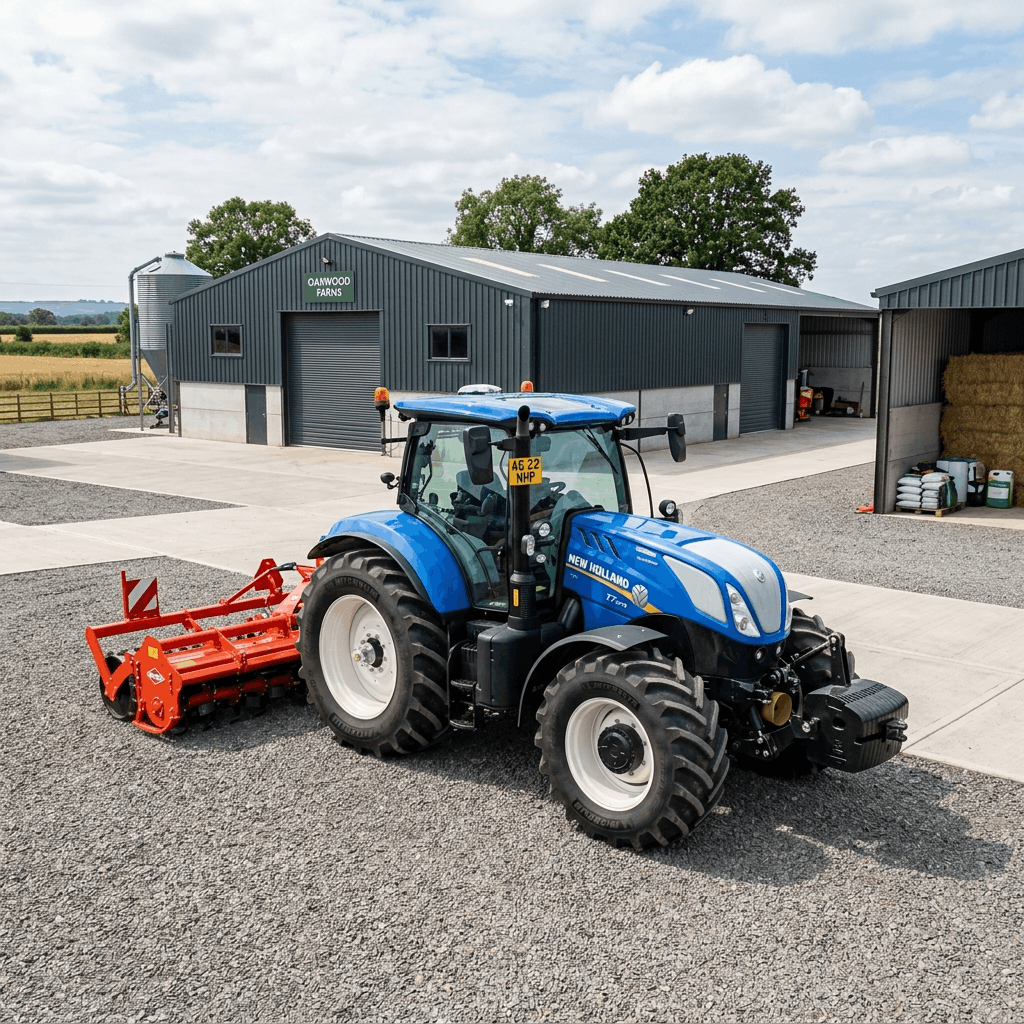
Application Rates: Mechanized Spreading of Organic Inputs
Mechanization is key to scaling organic farming. Applying Mitti Gold vermicompost and composted cow dung manure manually over large fields is labor-intensive and often leads to uneven nutrient distribution, which results in variable crop performance. Under the Sub-Mission on Agricultural Mechanization (SMAM) and state-specific schemes, the government publishes the approved Krishi Yantra list, offering 40% to 80% subsidies on key agricultural machinery. For organic farms, manure spreaders and seed-cum-fertilizer drills are highly recommended yantras. The application rate of these machines is adjustable, allowing farmers to apply 2 to 5 tons of composted cow dung manure and 1 to 2 tons of Mitti Gold vermicompost per acre with high precision. By automating this process, farmers save time and ensure that every square inch of the field receives the exact amount of organic nutrients required for optimal crop growth. In addition, the use of agricultural charcoal can be mechanized by mixing it with pure cow dung powder and applying it through tractor-operated fertilizer broadcasters at a rate of 300 to 500 kg per acre, which drastically improves soil structural stability. For liquid fertigation, solar-powered pump sets and automated sprayers can distribute vermiwash at a rate of 50 to 100 liters per acre, ensuring uniform foliage cover. These precise machinery application rates enable farmers to transition from labor-intensive manual operations to high-efficiency mechanized organic farming, optimizing resource consumption and lowering production costs. Furthermore, large-scale orchards can utilize specialized tractor-mounted deep-placement fertilizer injectors. These machines place composted cow dung manure and agricultural charcoal directly into the root zone at a depth of 20 to 30 cm, preventing surface run-off and gaseous loss of nitrogen. The application rate for deep injectors is adjustable from 500 grams to 5 kg per plant basin, making it ideal for high-density plantings. The integration of GPS-guided precision spreaders allows commercial organic farms to map soil nutrient deficiencies and apply organic inputs at variable rates across different field zones. This site-specific nutrient management ensures that weaker soil zones receive higher doses of Mitti Gold vermicompost, leading to a uniform crop canopy and synchronized harvest. By utilizing subsidized machinery from the Krishi Yantra list, modern organic farmers can achieve efficiency levels comparable to large-scale industrial farms while preserving the ecological integrity of their land.
How to Use Product: Operating Composting and Sowing Implements
Using the yantras on the approved Krishi Yantra list correctly is crucial for crop success. A tractor-mounted manure spreader is filled with dry composted cow dung manure or Mitti Gold vermicompost. When to apply: Spread the organic manure during the final land preparation phase. The spreader distributes the compost evenly across the field. Immediately follow this with a rotavator pass to mix the compost into the top 6 inches of soil. For sowing, use a subsidized seed-cum-fertilizer drill (Orni) that places seeds and fine pure cow dung powder or Mitti Gold vermicompost together, placing the nutrients right below the seed. This ensures immediate nutrient uptake by the seedling's primary roots, accelerating early growth. Additionally, farmers can use tractor-operated sprayers to apply liquid vermiwash as a foliar spray. The sprayer should be calibrated to apply 200 liters of diluted vermiwash (1:10 ratio with water) per acre. For orchards, use power-operated basin diggers to create shallow trenches around the trees before hand-applying agricultural charcoal and composted cow dung manure. When using zero-tillage machines like happy seeders, the residues of the previous crop are left as mulch on the surface, and the seed is sown directly underneath, which conserves soil moisture. This conservation tillage method, combined with a soil application of agricultural charcoal, creates a highly resilient growing environment that buffers the crop against drought and heat stress. By mastering the operation of these mechanized tools, organic growers can scale their operations, reduce field preparation time by 60%, and ensure a professional, standard farming practice. To optimize the use of vermiwash in automated boom sprayers, the liquid must be filtered through a 100-mesh sieve to prevent nozzle clogging. This liquid fertilizer is best applied during early morning hours when plant stomata are open, allowing for maximum absorption. For compost preparation, farmers can utilize subsidized shredders from the approved Krishi Yantra list to chop crop residues like cotton stalks or paddy straw. The shredded material is then mixed with composted cow dung manure and pure cow dung powder in a tractor-operated compost turner, which accelerates the decomposition process. Applying these mechanized methods ensures that organic waste is rapidly recycled into high-value nutrients, creating a self-sustaining farm loop and reducing the dependence on external inputs.
1
Machinery Selection
Review the approved Krishi Yantra list on the state DBT portal and select the desired implement.
2
Portal Application
Register on the SMAM portal (agrimachinery.nic.in) and upload land documents and Aadhaar.
3
Verification and Purchase
Upon receiving the approval letter, purchase the machinery from an authorized dealer to claim the subsidy.
Outcome Comparison: Mechanized Organic Farm vs. Manual Farm Operations
Comparing a mechanized organic farm utilizing subsidized Krishi Yantras against a manually operated farm shows clear benefits. The differences are not merely confined to labor savings but extend to crop yield consistency, soil conservation, and biological efficiency:
- Sowing Precision and Germination: Using a seed-cum-fertilizer drill ensures uniform depth and spacing of seeds, resulting in a 95% germination rate, compared to just 65% for manual broadcasting. The drill places Mitti Gold vermicompost and pure cow dung powder alongside the seed, providing immediate nutrition.
- Labor and Time Savings: Mechanized manure spreading using tractor-mounted spreaders reduces the time required from days to hours, cutting labor costs by up to 75%. This allows farmers to complete land preparation and organic fertilization within the brief optimal planting window.
- Soil Aeration and Structure: Using light power tillers and rotavators from the approved list maintains a loose, aerated soil structure, which is crucial for root penetration and water retention. Combining this tillage with agricultural charcoal and composted cow dung manure creates a spongy soil matrix.
- Liquid Fertigation Efficiency: Spraying liquid vermiwash using automated tractor sprayers ensures uniform leaf coverage and fast absorption, whereas manual spraying is uneven and wastes valuable liquid nutrients.
Protecting Soil Micro-Life through Reduced Tillage
Heavy tillage machinery can crush earthworms and destroy beneficial fungal networks (mycorrhizae) in the soil. The approved Krishi Yantra list includes conservation agriculture tools like zero-till drills and happy seeders. These machines place seeds directly into the soil with minimal disturbance. This reduced tillage protects the soil microbiome. Beneficial earthworms thrive in the undisturbed crop residues, and mycorrhizal fungi remain intact, delivering essential phosphorus to plant roots, thus keeping the soil biologically active and fertile. When Mitti Gold vermicompost is applied to these low-tillage soils, the beneficial microbes multiply rapidly, colonizing the stable environment. The porous structure of agricultural charcoal provides a permanent physical sanctuary for these micro-life forms, protecting them from drying out or being crushed during machinery passes. Applying pure cow dung powder acts as a natural feed for the soil creatures, stimulating the soil food web. The consistent addition of vermiwash introduces beneficial liquid cultures that suppress pathogenic soil fungi. Over time, the soil becomes highly aerated and porous, not through mechanical means, but through the biological activity of earthworms and roots, showing that conservation machinery combined with organic inputs is the most effective way to sustain long-term soil productivity. In conventional chemical farming, heavy disc harrows and plows compact the lower soil layers, creating a hardpan that prevents root growth and suffocates beneficial anaerobic and aerobic bacteria. The conservation implements on the approved Krishi Yantra list, such as subsoilers and chisel plows, break this hardpan with minimal soil inversion. This preserves the vertical distribution of soil microbes, keeping the aerobic bacteria in the topsoil and anaerobic species in the deeper layers where they belong. The application of composted cow dung manure in conjunction with these tillage methods provides the necessary carbon source to fuel microbial metabolism. As the soil microbes digest this organic matter, they secrete glomalin and other sticky substances that glue soil particles into water-stable aggregates. This biological aggregation improves the soil's water infiltration and aeration, creating a healthy rhizosphere where the roots can breathe and absorb nutrients efficiently, leading to high-yielding, resilient crops.
Recycling Crop Residue to Prevent Plant Diseases
Crop residues left in the field can harbor pests and pathogens if not managed properly. Instead of burning residues, which is environmentally destructive and kills soil microbes, farmers can use subsidized shredders and mulchers from the Krishi Yantra list. The shredded residue is mixed with composted cow dung manure and sprayed with a bio-fungicide like Trichoderma. This accelerated decomposition converts waste into rich organic mulch, protecting the soil from moisture loss and preventing soil-borne fungal diseases from attacking the subsequent crop. Spraying liquid vermiwash on the growing crops using boom sprayers builds systemic resistance against pests. The application of pure cow dung powder mixed with wood ash can be dusted on plants using power dusters to control leaf-eating caterpillars. Furthermore, the inclusion of agricultural charcoal in the soil mix suppresses root parasitic nematodes by adsorbing their chemical signals. Incorporating Mitti Gold vermicompost builds overall plant vigor, making crops less susceptible to insect attacks. This combination of shredding machinery and biological inputs creates a clean, healthy field environment, minimizing pest outbreaks and keeping the farm completely organic. To further enhance crop protection, farmers can use tractor-mounted flail mowers to chop cover crops and green manures, incorporating them into the topsoil. This practice, known as bio-fumigation, releases natural volatile compounds that suppress soil pathogens and weeds. Applying Trichoderma-enriched composted cow dung manure immediately after flail mowing accelerates the breakdown of these residues, converting them into stable organic matter. The porous nature of agricultural charcoal helps in retaining these bio-fumigant compounds in the root zone for a longer duration, extending their protective effect. Additionally, automated weeders and inter-cultivators from the Krishi Yantra list allow for chemical-free weed control, preventing weeds from competing with the crop for nutrients. Regular foliar application of vermiwash using ultra-low volume (ULV) sprayers ensures that the plants are coated with beneficial microbes that inhibit the colonization of leaf pathogens. By replacing chemical pesticides with these integrated mechanical and biological control strategies, farmers can protect their crops, maintain high yields, and ensure that their produce is free from toxic residues, securing their market value.
Custom Hiring Centers and Commercial Machinery Rentals
The Krishi Yantra subsidy scheme provides a lucrative business opportunity for rural entrepreneurs and FPOs through the establishment of Custom Hiring Centers (CHCs). With up to 80% government subsidy, CHCs procure a range of approved machinery and rent them out to smallholders at affordable rates. This ensures that even small farmers can access high-tech implements like rotavators and manure spreaders. The rental income provides a steady revenue stream, while the widespread use of machinery boosts regional agricultural productivity. FPOs can also establish organic processing units under post-harvest subsidies. Using subsidized graders, dryers, and packaging machines, they can process organic crops grown with Mitti Gold vermicompost, composted cow dung manure, and agricultural charcoal. They can package these crops under their own brand, using pure cow dung powder and vermiwash for quality control. This adds value to the raw produce, allowing the cooperative to sell directly to retail chains and exporters at a premium. The integration of machinery subsidies with organic marketing enables FPOs to build a highly profitable, self-sustaining agricultural enterprise, ensuring prosperity for all member farmers. The global market for organic food is expanding rapidly, with consumers willing to pay a premium of 20% to 50% for certified residue-free products. To access these premium markets, FPOs must maintain strict quality control and traceability. Subsidized machinery such as laser land levelers and precision seeders ensures that the crop is uniform, which is a key requirement for commercial food processors. By incorporating organic soil amendments like Mitti Gold vermicompost and agricultural charcoal, the FPO can guarantee that the crop has superior nutritional parameters, such as higher protein content in grains and higher oil content in oilseeds. The cooperative can establish a dedicated laboratory using post-harvest grants to test for chemical residues and certify the produce as 100% organic. Marketing these premium products under a cooperative brand, backed by modern packaging and e-NAM digital trading platforms, allows smallholders to access national and international buyers, transforming the rural economy and establishing a sustainable, high-income model for Indian agriculture.
📅 Official Application & Deadline Guide
⏳
Last Date of Application
Varies by state (Typically April to July annually)
🌐
Official Portal to Apply
Direct Benefit Transfer (DBT) Portal - Agricultural Mechanization
Apply Online Here ↗
📦 Bulk Orders & Export
Mitti Gold Organic: For bulk orders of all organic fertilizers — Farmers, Nurseries, and Export. WhatsApp: +91 95372 30173
Krishi Yantra Subsidy FAQ
What is the subsidy percentage for individual farmers under SMAM?
Individual farmers, especially women, small, and marginal farmers, receive a 50% to 60% subsidy on approved agricultural machinery.
Can I buy a tractor under the Krishi Yantra subsidy scheme?
Yes, compact and utility tractors are listed under the approved yantras, with subsidies ranging from ₹1 Lakh to ₹3 Lakh depending on horsepower and category.
How can FPOs benefit from the Krishi Yantra list?
FPOs can set up Custom Hiring Centers (CHCs) and receive an 80% subsidy on the total machinery package, up to a maximum project cost of ₹10 Lakh to ₹50 Lakh.
What is the validity of the approved machinery list?
The list is updated annually by the Ministry of Agriculture, ensuring that only certified, high-performance machinery is sold under the subsidy scheme.
Is vermicompost machinery covered under the yantra list?
Yes, vermicompost sieving machines, shredders, and organic waste composters are included under the post-harvest and waste management machinery category.