📅 June 2026 | ✍️ Mitti Gold Organic | 🗂️ Machinery & Markets
Application Rates of Dehydrated Mango Peel Powder
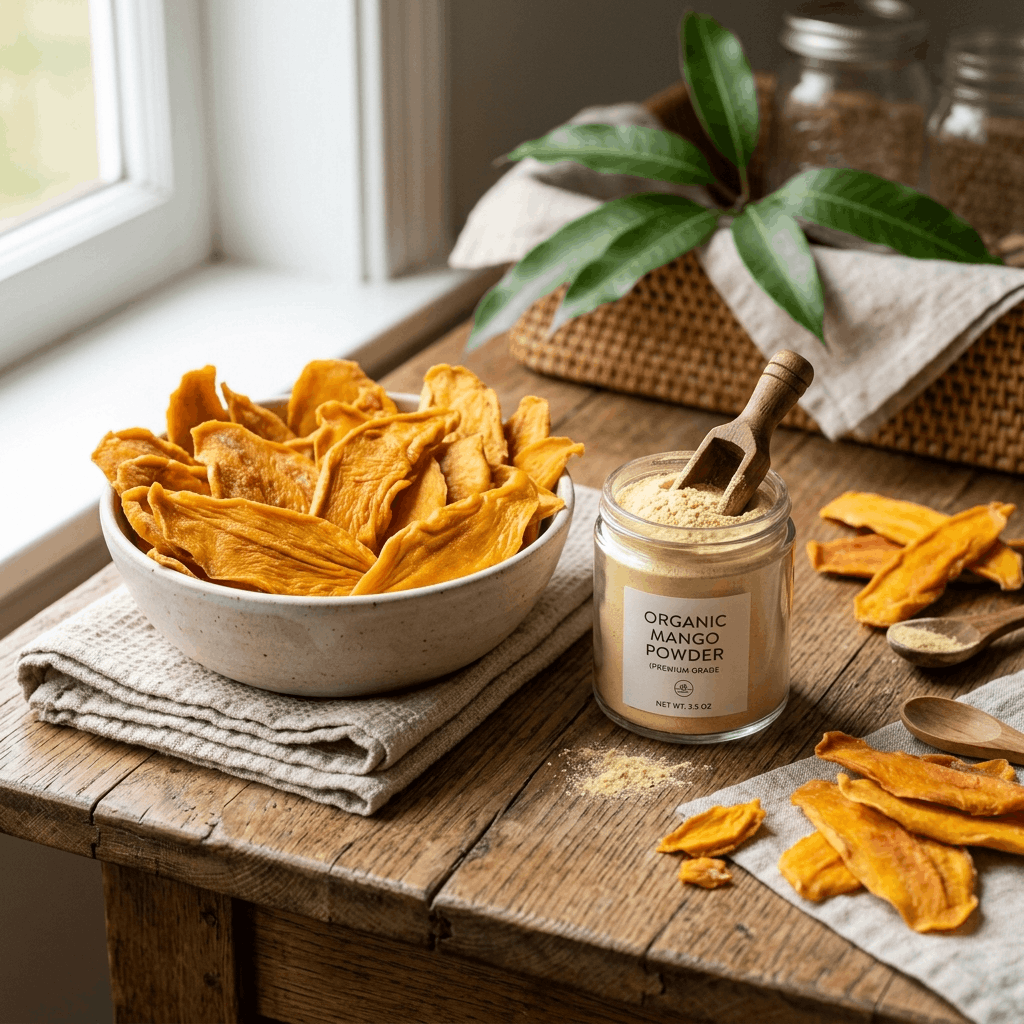
Dried mango (Mangifera indica) peel powder is a premium organic amendment rich in potassium, organic acids, dietary fibers, and powerful antioxidants like polyphenols. It serves as an excellent natural potassium source, which is critical for flowering, fruiting, and crop quality. The recommended application rate for open-field agriculture is 20 to 30 kg of dried mango peel powder per acre, mixed into the soil during land preparation. For fruit orchards and vegetable crops, mix 30 to 50 grams of mango peel powder with 2 to 3 kg of premium Mitti Gold vermicompost per plant. For flowering ornamental plants, apply 15 to 20 grams per pot. Mixing this with 150 grams of agricultural charcoal and composted cow dung manure helps retain the potassium and organic acids in the root zone, preventing them from leaching during irrigation. To maximize fruiting results in large orchards, farmers should also apply a foliar spray of vermiwash at a 1:10 dilution during the pre-flowering stage, which works in tandem with the soil-applied potassium. In sandy loam soils where nutrient runoff is common, adding 500 grams of pure cow dung powder per root zone will supply organic nitrogen, balancing the carbon-rich mango peels. The application rates must be adjusted based on soil test results, especially for potassium-demanding crops like bananas, potatoes, and tomatoes. For heavy clay soils, the dosage of agricultural charcoal can be increased to 250 grams to improve drainage and keep the rhizosphere loose and well-oxygenated. Applying this rich organic combination in split doses—half during vegetative development and the remainder during fruit set—ensures that crops receive a steady, uninterrupted flow of potassium and essential trace elements, leading to higher fruit set rates, reduced flower drop, and significantly improved harvest weights. Additionally, in commercial floriculture crops such as roses, gerberas, and carnations, introducing a basal dressing of 40 grams of mango peel powder combined with 3 kg of vermicompost per square meter helps increase flower size and stem thickness, while extending the vase life of harvested blooms. Farmers must ensure the soil remains moist after application to allow the soil fungi to break down the peel fibers and release the organic potassium, avoiding dry periods that can delay nutrient availability.
How to Apply Mango Peel Powder in Farms and Gardens
To utilize dried mango peel powder effectively, it must be dried under hygienic conditions and ground into a fine powder. Spread the powder evenly around the plant drip line and work it gently into the soil. When to apply: The ideal timing is during the early flowering stage and fruit set stage to support high potassium demand. For composting, adding mango peel powder to the compost pile along with pure cow dung powder acts as a natural accelerator, feeding the decomposer microbes and enriching the final compost with potassium and micronutrients. For liquid soil drenching, steep 200 grams of mango peel powder in 10 liters of water for 48 hours to create a nutrient-rich organic tea. This citrus-colored liquid can be mixed with vermiwash at a 1:2 ratio to create a highly potent foliar spray that provides immediate potassium and micronutrient supplementation to crops. When applying the dry powder as a top dressing, it is highly recommended to blend it with Mitti Gold vermicompost and composted cow dung manure to ensure proper microbial breakdown. Rake the mixture into the top two inches of soil and water immediately. For high-value fruit trees like mangoes, pomegranates, and citrus, make a shallow ring trench along the canopy drip line, apply the mango peel and manure blend, cover it with a layer of agricultural charcoal to buffer acidity and retain moisture, and then cover it with soil. Repeat this process every 4 to 6 weeks during the active fruiting cycle to maintain a steady nutrient supply and prevent soil compaction. Make sure to avoid applying the powder directly onto the plant trunks or leaves when the sun is at its peak, as the concentrated organic acids can cause minor tissue burns under dry, hot conditions. For home vegetable gardens, blending 20 grams of mango peel powder with 1 kg of vermicompost in the potting soil before transplanting tomatoes and peppers will give them a strong potassium base. This encourages early flowering and sturdy fruit development. For drip-irrigated farms, the strained liquid mango peel tea can be filtered through a fine mesh and run through the fertigation lines, providing a completely natural, organic liquid fertilizer that does not clog emitters, while delivering rapid nourishment to the crop root zones.
1
Peel Dehydration
Collect clean mango peels, dry them under shade or in a dehydrator, and grind them into a powder.
2
Nutrient Blend Creation
Mix the mango peel powder with vermicompost and agricultural charcoal to create a high-potassium organic fertilizer.
3
Crop Fertilization
Apply the blend around the root zones of flowering and fruiting plants, mixing it into the topsoil, and water thoroughly.
Outcome Comparison: Mango Peel Organic Blend vs. Muriate of Potash (MOP)
Comparing crops fertilized with a combination of dried mango peel powder and Mitti Gold vermicompost against those treated with chemical Muriate of Potash (MOP) reveals superior quality, biological, and environmental outcomes:
- Improved Fruit Quality, Brix Content, and Shelf Life: Fruits grown with mango peel powder have higher sugar content (Brix), better aroma, and richer flavor due to the natural organic acids and micronutrients. Chemical MOP can sometimes lead to salt accumulation, which results in watery fruits with a shorter shelf life and poor transportability. When combined with agricultural charcoal, the mango peel powder provides a steady, balanced release of potassium, preventing the luxury consumption of nutrients that often happens with highly soluble chemical fertilizers. This organic nutrient supply results in fruits with firmer pulp and higher market value.
- Soil Micro-Life and Biological Balance Preservation: Organic mango peel powder stimulates soil enzymes and feeds beneficial bacteria, whereas chemical potash fertilizers can increase soil salinity and harm earthworms. Blending this organic powder with composted cow dung manure and pure cow dung powder creates a highly fertile soil environment where beneficial mycorrhizal fungi can thrive, extending the plant's root network and helping it absorb water and minerals more efficiently. This active soil food web builds natural soil structure and keeps the root zone aerated.
- Sustained Nutrient Release and Leaching Prevention: The organic potassium in mango peels is released slowly, matching the plant's growth cycle, while chemical potassium is highly soluble and prone to leaching during heavy rains. The combination of mango peel powder and vermiwash drenching ensures that nutrients remain in the root zone for several weeks, reducing input waste and protecting the groundwater from chemical pollution. This sustainable approach helps farmers maintain high crop yields and soil health year after year, while lowering their overall input costs.
Stimulating Soil Enzymes and Micro-Flora
Dried mango peels are rich in pectin and cellulose, which act as a prebiotic for soil micro-flora. When incorporated with composted cow dung manure, these peels stimulate soil enzymatic activities, particularly phosphatase and urease, which play key roles in nutrient cycling. The highly porous structure of Mitti Gold agricultural charcoal provides a safe haven for these enzymes and the bacteria that produce them. This microbial synergy improves soil health and structure, encouraging earthworms to thrive and aerating the root zone. To accelerate this biological decomposition, farmers can drench the soil with vermiwash, which introduces beneficial hormones and micronutrients. The addition of pure cow dung powder provides a readily available source of nitrogen that balances the high carbon content of the mango peels, preventing nitrogen immobilization in the soil. As the soil microbial population grows, it breaks down the mango peel fibers into humus, which enhances the soil's cation exchange capacity. This allows the soil to hold onto essential nutrients like calcium, magnesium, and potassium, preventing them from leaching away. The thriving soil food web also helps suppress soil-borne pathogens naturally, reducing the risk of root rot and damping-off, and creating a resilient soil environment that supports vigorous crop growth and high yields across all seasons. In addition, the symbiotic mycorrhizal fungi, which are nourished by the carbohydrate-rich mango peel amendments, form extensive networks that assist crop roots in accessing water from deeper soil layers, thereby protecting the crops against drought stress during dry periods. Earthworms feeding on the decomposed mango peel and vermicompost mixture produce rich castings that are packed with plant growth hormones, humic acids, and highly available nutrients, creating a self-reinforcing cycle of soil fertility and crop health.
Natural Immunity and Stress Tolerance
The high concentration of vitamin C, flavonoids, and polyphenols in mango peels acts as a natural immunity booster for plants. These compounds trigger the plant's systemic acquired resistance (SAR), helping it withstand environmental stress such as drought, salinity, and temperature fluctuations. When to apply: Apply the mango peel amendment at the onset of seasonal stress or high temperature periods. Blending the powder with pure cow dung powder builds a healthy root environment that repels pathogenic fungi and boosts overall crop resilience. To enhance this protection, incorporating Mitti Gold vermicompost and composted cow dung manure introduces beneficial antagonistic microbes like Trichoderma and Bacillus subtilis. These beneficial microbes actively suppress pathogenic fungi like Fusarium and Rhizoctonia, which cause root rot and wilt. Applying a foliar spray made of diluted vermiwash mixed with mango peel extract helps protect crop leaves from fungal leaf spots and mildew. The presence of agricultural charcoal in the soil mix helps adsorb and hold the defensive polyphenols in the root zone, ensuring long-lasting protection. This natural pest and disease control approach reduces the dependency on synthetic chemical fungicides, helping farmers grow healthy, pesticide-free crops that are safe for consumers and meet organic standards. By strengthening the plant's natural defenses, this organic treatment ensures high crop yields and sustainable agricultural practices. Furthermore, the polyphenols act as natural feeding deterrents for chewing insects, making the crop leaves less attractive to pests like caterpillars and beetles. This combination of physical, chemical, and biological defenses keeps the crops healthy from the vegetative stage through to fruit ripening, protecting the farmer's investment and ensuring high quality produce.
Commercial Sourcing and Export Quality Crop Production
Mango processing plants in India generate vast amounts of peel waste during the summer. Recycling these peels into dried agricultural powder has created a highly profitable eco-friendly market. Cooperatives and FPOs buy mango peel powder in bulk to formulate special organic fertilizers for high-value horticultural crops like grapes, pomegranates, and mangoes. Farmers using these inputs can grow premium, export-grade fruits that pass pesticide residue tests, securing high-paying contracts in domestic and international markets. Blending the peel powder with premium inputs like Mitti Gold vermicompost and composted cow dung manure has allowed companies to manufacture specialized potassium-rich fertilizers. These organic blends are highly demanded by commercial growers who want to replace chemical MOP. By adding agricultural charcoal and pure cow dung powder, manufacturers can offer complete soil-building packages that improve crop yield and soil quality. The liquid extract, when combined with vermiwash, is gaining popularity as an organic foliar spray for floriculture and vegetable crops. Exporters are willing to pay a 40% to 50% premium for fruits and vegetables grown with these natural amendments, as they meet the strict pesticide standards of the EU and US. This growing commercial interest helps farmers reduce their reliance on chemical inputs, lower their production costs, and increase their overall profits, while supporting a circular economy in agriculture. Additionally, the development of localized collection and processing centers for mango peels has created employment opportunities in rural areas, especially for women's self-help groups. By establishing small-scale drying and grinding units near processing factories, FPOs can supply high-quality organic raw materials to fertilizer manufacturers, creating a sustainable rural value chain that enhances the overall agricultural economy.
📦 Bulk Orders & Export
Mitti Gold Organic: For bulk orders of all organic fertilizers — Farmers, Nurseries, and Export. WhatsApp: +91 95372 30173
Dried Mango Peel Powder FAQ
Is mango peel powder a good substitute for chemical potash?
Yes, it is an excellent organic alternative to chemical potash, providing slow-release potassium along with organic acids and micronutrients that improve soil health.
Can I use mango peel powder on indoor plants?
Yes, it is safe and highly beneficial for indoor flowering plants. Mix 1 to 2 tablespoons with Mitti Gold organic vermicompost fertilizer in the potting mix.
Does mango peel powder attract fruit flies?
When thoroughly dried and ground into a powder, and mixed properly into the soil, it does not attract fruit flies. Avoid leaving wet, fresh peels on the soil surface.
What crops benefit most from mango peel powder?
Fruiting crops like tomatoes, peppers, melons, strawberries, and fruit trees like banana, guava, and citrus benefit the most due to the high potassium requirement.
Can I mix mango peel powder with composted cow dung manure?
Yes, mixing it with Mitti Gold composted cow dung manure is highly recommended as it creates a balanced nitrogen-phosphorus-potassium organic fertilizer.