📅 June 2026 | ✍️ Mitti Gold Organic | 🗂️ Machinery & Markets
Application Rates: Bulk Sourcing of Organic Amendments for FPOs
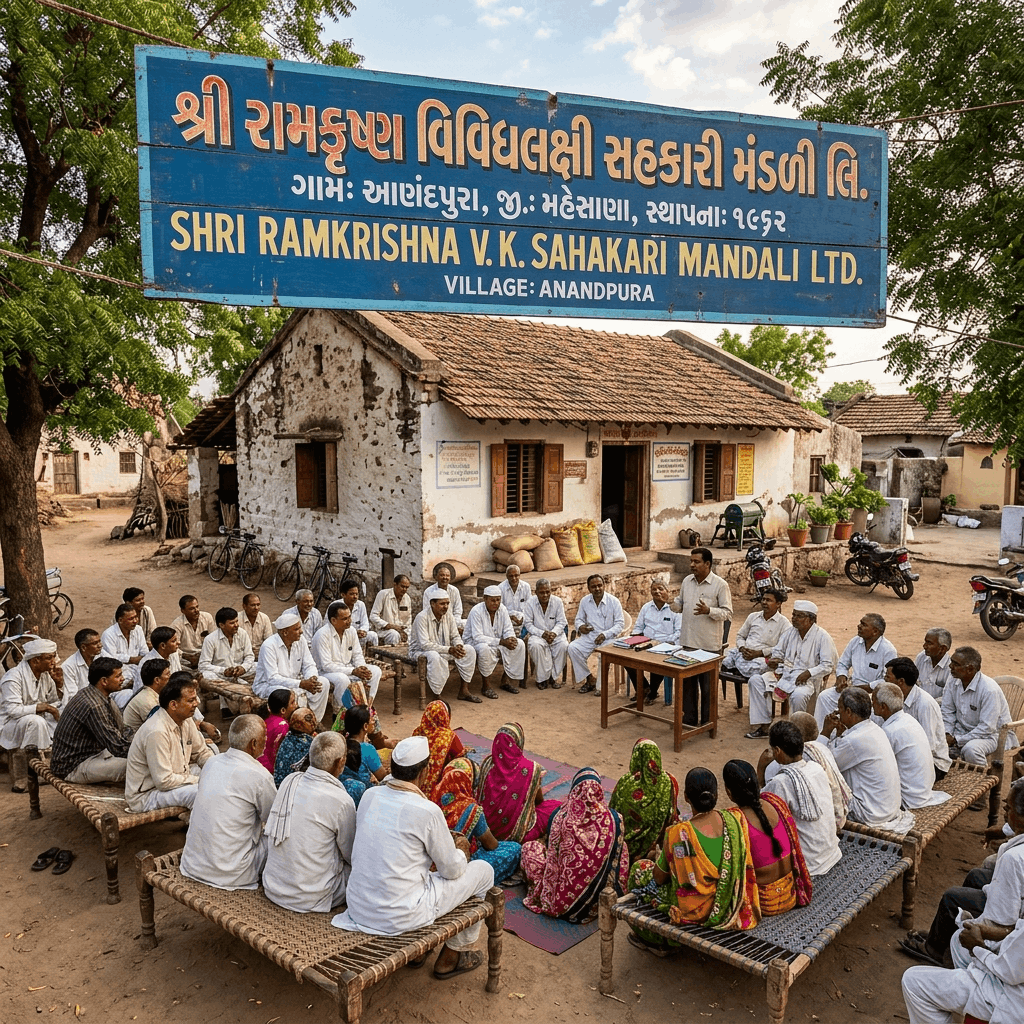
Farmer Producer Organizations (FPOs) and Khedut Mandalis (Farmers' Cooperatives) are playing a crucial role in modernizing Indian agriculture. By pooling resources, cooperatives enable small and marginal farmers to buy inputs in bulk, reducing costs. The procurement scale of organic fertilizers under FPOs is substantial. Cooperatives buy organic vermicompost fertilizer, composted cow dung manure, and agricultural charcoal in truckloads of 10 to 20 tons. This bulk buying reduces the price per bag by up to 25% compared to individual retail purchases. For cooperative farms, the recommended application rate is 500 kg of Mitti Gold vermicompost and 50 kg of agricultural charcoal per bigha, which is distributed to members to improve regional soil fertility and ensure a uniform, high-quality crop yield. To maximize productivity of cash crops like cumin and groundnut, the cooperative recommends adding 150 kg of composted cow dung manure and 50 kg of pure cow dung powder per bigha. In dryland areas, combining agricultural charcoal at a rate of 100 kg per bigha with organic fertilizers improves water-use efficiency by 30%. For horticultural crops, FPOs coordinate the distribution of liquid vermiwash to be applied as a foliar spray at a rate of 10 liters per bigha, diluted in water, twice during the flowering and fruit-setting stages. By following these community-wide application rates, the cooperative ensures that all member fields maintain high soil health indices, leading to a standardized crop quality that easily meets the demands of premium contract buyers. FPOs monitor the application process through trained village coordinators, ensuring that the organic protocols are strictly followed by all participating farmers. Furthermore, the cooperative can optimize the application rates by conducting regional soil testing campaigns. Members receive custom nutrient prescriptions based on their soil analysis. For soils deficient in nitrogen, the cooperative recommends increasing the application of Mitti Gold vermicompost to 600 kg per bigha and supplementing it with pure cow dung powder at 75 kg per bigha to stimulate soil microbes. In areas prone to salinity or heavy metal toxicity, agricultural charcoal is applied at an increased rate of 150 kg per bigha to adsorb toxic ions and buffer the root zone. During dry spells, the FPO organizes collective water spraying, mixing liquid vermiwash with irrigation water to deliver a nutrient boost directly to the thirsty plants. This scientifically monitored, collective approach to soil nutrition allows smallholders to achieve yields that rival large commercial farms, ensuring high-quality, residue-free harvest across the entire cooperative network.
How to Use Product: Community Training and Sowing Operations
Using the collectively sourced inputs effectively is coordinated through cooperative workshops. Khedut Mandalis organize training sessions where agricultural experts teach farmers how to use organic manures. When to apply: Apply the composted cow dung manure during the primary tillage phase, mixing it thoroughly with the soil. For nurseries, farmers use pure cow dung powder in community seedbeds. This collective seedbed raising ensures that all members receive healthy, disease-resistant seedlings for transplanting. Additionally, the cooperative coordinates the application of liquid organic formulations, like vermiwash, through shared spraying equipment, ensuring precise application and saving labor costs. In orchards, FPOs train members to apply 10 kg of Mitti Gold vermicompost and 1 kg of agricultural charcoal in a ring basin around each tree, covered with organic mulch. For field crops, a seed-cum-fertilizer drill is used to place the seeds and pure cow dung powder together, which ensures that the germinating roots are surrounded by active microbes. Regular foliar application of vermiwash, diluted 1:8 with water, is carried out early in the morning using tractor-mounted boom sprayers owned by the cooperative. By sharing these advanced application tools and techniques, Khedut Mandalis help smallholders implement precise, high-efficiency farming methods that would otherwise be unaffordable for individual farmers, leading to uniform plant growth and synchronized crop maturity. To optimize composting operations, the cooperative establishes centralized vermicomposting units where dairy waste from members is recycled. The cow dung is mixed with agricultural charcoal at a ratio of 9:1 to absorb ammonia and lock in volatile nitrogen. Composting earthworms are introduced, and the beds are managed under controlled humidity. The liquid runoff is collected as vermiwash, which is then bottled and distributed to members. The final sieved vermicompost is packaged under the cooperative's brand, while the larger organic fibers are processed into pure cow dung powder. By utilizing these community-managed composting facilities, the Khedut Mandali ensures a constant supply of high-grade organic inputs for its members. The training sessions also cover the proper calibration of community sprayers and spreaders, ensuring that inputs are applied uniformly across all fields, minimizing waste and maximizing nutrient efficiency.
1
Cooperative Registration
Join the local Khedut Mandali or FPO by submitting your land records, Aadhaar, and a nominal membership fee.
2
Collective Ordering
Place your input requirements with the cooperative committee before the kharif or rabi season begins.
3
Bulk Distribution
Collect your share of organic fertilizer and seeds from the cooperative's village warehouse upon delivery.
Outcome Comparison: Group Organic Sourcing vs. Individual Retail Purchase
Comparing the outcomes of sourcing and selling through a Khedut Mandali against individual retail transactions highlights major benefits. The difference is clear in terms of financial savings, operational efficiency, product quality, and market access:
- Input Cost Reduction: Group buying saves up to 25% on seeds, biological pest controls, and organic Mitti Gold vermicompost. By ordering truckloads of composted cow dung manure and agricultural charcoal, members eliminate retail margins and shipping costs.
- Quality Assurance: FPOs source directly from verified manufacturers, ensuring that the compost is free from adulteration, silt, or weed seeds. Using pure cow dung powder and vermiwash from verified sources prevents crop failures and ensures consistent organic quality.
- High-Value Markets: Cooperatives pool the harvest, allowing members to sell in bulk to corporate buyers and exporters at 30% higher prices than individual sales. This collective bargaining power ensures that the organic premium is passed directly to the farmers.
- Shared Infrastructure and Labor Efficiency: Members have access to shared machinery like manure spreaders and power sprayers, which reduces operational costs and completes farming tasks during the narrow seasonal windows.
Protecting Regional Soil Ecosystems through Collective Organic Shift
When an entire village or cooperative shifts to organic practices, it has a powerful impact on the local environment. Reducing chemical fertilizers and pesticides prevents the runoff of toxic residues into local lakes and groundwater. This collective organic shift directly helps soil creatures like earthworms and beneficial bacteria. The soils recover their natural biodiversity. This biological activity restores the soil food web, leading to natural pest control and improved soil structure across the entire farming cooperative. The application of Mitti Gold vermicompost introduces a diverse population of beneficial bacteria and mycorrhizal fungi that colonize the root zone. Adding agricultural charcoal to the soil creates a permanent physical refuge for these micro-life forms, protecting them from dry spells and acid shock. The consistent addition of pure cow dung powder provides a quick source of organic carbon to fuel microbial growth. Spraying or drenching the fields with vermiwash further stimulates this microbial activity, introducing plant growth-promoting rhizobacteria (PGPR) that fix nitrogen and solubilize phosphorus. As a result, the soil food web is fully restored across the village, turning sterile land into a thriving, fertile ecosystem that supports robust crop growth. This collective biological restoration is key to sustainable farming in the region, ensuring that the soil remains productive for future generations and reduces the farmer's dependence on expensive chemical soil conditioners. In areas where chemical farming is practiced, chemical runoff from one farm can contaminate neighboring organic plots, destroying beneficial insects and soil biology. A community-wide shift coordinated by the Khedut Mandali creates a buffer zone, protecting the biological integrity of all member farms. The organic carbon in composted cow dung manure and Mitti Gold vermicompost helps filter toxins and bind heavy metals, preventing them from entering the food chain. Earthworms return to the fields, burrowing through the soil profile and converting organic waste into nutrient-dense castings. These vertical channels improve water infiltration, preventing soil erosion and waterlogging. The microscopic pores within agricultural charcoal hold water and nutrients close to the roots, creating a highly resilient rhizosphere. This collective biological restoration improves the soil's natural fertility, allowing the community to grow healthy, high-yielding crops without the need for synthetic chemical additives, which only degrade the soil over time.
Group Bio-Security and Community Disease Control
Pests and fungal diseases do not respect land boundaries. If one farmer uses chemical pesticides, pests simply move to neighboring fields. Khedut Mandalis promote group bio-security. By collectively applying organic neem-based pesticides and using Trichoderma-enriched Mitti Gold vermicompost, the community builds a biological shield over all member fields. When to apply: Standardized biological sprays are applied simultaneously across the village, reducing pest breeding grounds and protecting crops from major outbreaks. Spraying liquid vermiwash using the cooperative's power sprayers provides systemic resistance to plants, as it contains antimicrobial proteins and enzymes that inhibit fungal spore germination. Additionally, the application of agricultural charcoal at the base of plants improves soil drainage, reducing the damp conditions that promote root-rot pathogens. For insect control, farmers can paint the trunks of trees with a thick paste made of pure cow dung powder and neem cake powder, which acts as a barrier against burrowing pests. Applying composted cow dung manure enriched with bio-pesticides like Beauveria bassiana helps control soil-borne grubs and beetles. By combining these natural prevention techniques, the community can protect their crops from major diseases while keeping their produce organic and safe for consumption. Furthermore, synchronized pest control campaigns organized by the cooperative ensure that pests are targeted at the same time, preventing them from taking refuge in adjacent fields. The FPO supplies members with bio-control agents like Trichoderma-enriched composted cow dung manure and Pseudomonas cultures in bulk. The porous nature of agricultural charcoal helps retain these beneficial bio-fungicides in the soil, extending their protective window. Regular foliar application of vermiwash mixed with neem oil creates a thin protective film on the leaves that deters egg-laying by insect pests. In spice crop cultivation, which is highly prone to wilt diseases in Gujarat, applying a mixture of bio-pesticides and pure cow dung powder to the soil suppresses soil-borne pathogens naturally. This community-based ecological crop protection strategy ensures that the entire village's harvest is of high quality and free of chemical residues, meeting the strict phytosanitary standards of national and international markets.
Bulk Contracts, e-NAM Integration, and Organic Export Links
Khedut Mandalis and FPOs have strong market connections. They negotiate bulk supply contracts with major food processors, organic supermarkets, and exporters. This ensures buyback guarantees for members at premium rates. Furthermore, the cooperative manages the group organic certification process (PGS-India or NPOP), which is too expensive and complex for individual smallholders, opening doors to lucrative domestic and international markets. Utilizing premium inputs like Mitti Gold vermicompost and composted cow dung manure helps farmers produce crops that meet the strict residue testing requirements of international buyers. The addition of agricultural charcoal to the soil helps grow high-quality spices and oilseeds with high essential oil content, which is highly valued in the pharmaceutical and export sectors. Furthermore, using pure cow dung powder and vermiwash to grow export-grade crops ensures that the produce has a beautiful appearance, rich taste, and extended shelf life, reducing losses during transit. By cooperative marketing, smallholders can aggregate their produce, obtain collective organic certifications, and negotiate directly with major retail chains, bypassing middle-men and capturing a larger share of the consumer price. This market-oriented organic farming model provides sustainable livelihoods for Gujarat's rural youth and boosts the state's agricultural GDP. In addition to bulk sales, the FPO establishes dedicated collection and grading centers where the organic crops are sorted, cleaned, and packed under a unified cooperative brand. Highlighting the use of ecological inputs like Mitti Gold vermicompost and agricultural charcoal on the packaging appeals to health-conscious consumers in urban markets. The export demand for organic cumin, fennel, and oilseeds is growing rapidly in Europe and North America. By participating in cooperative training and utilizing shared resources for processing, farmers can add value to their raw crops, transitioning from subsistence farming to commercial agribusiness, securing long-term economic prosperity. This collective marketing model, backed by digital platforms and premium organic inputs, ensures that smallholders can participate in global trade, securing high returns and driving the growth of sustainable agriculture in Gujarat.
📅 Official Application & Deadline Guide
⏳
Last Date of Application
Ongoing registration
🌐
Official Portal to Apply
Gujarat State Cooperative Marketing Federation (Gujcomasol)
Apply Online Here ↗
📦 Bulk Orders & Export
Mitti Gold Organic: For bulk orders of all organic fertilizers — Farmers, Nurseries, and Export. WhatsApp: +91 95372 30173
Gujarat Khedut Mandali FAQ
What is the main benefit of joining a Farmer Producer Organization (FPO)?
The main benefits include lower input costs through bulk buying, access to shared machinery, group organic certification, and better selling prices through bulk marketing.
How do cooperatives verify the quality of organic fertilizers?
Cooperatives source fertilizers directly from certified manufacturers and conduct laboratory tests to check organic carbon, NPK values, and heavy metal limits.
Can I sell my crop to the cooperative instead of the APMC?
Yes, many FPOs buy crops directly from their members at market-linked prices and sell them in bulk to corporate buyers, saving farmers APMC transport costs.
What is group organic certification?
Group certification allows a cooperative to certify all member farms under a single organic license, sharing the compliance and inspection costs.
How can a Khedut Mandali help in water conservation?
Cooperatives coordinate community watershed management, help build check dams, and distribute micro-irrigation equipment to members at subsidized rates.