📅 June 2026 | ✍️ Mitti Gold Organic | 🗂️ Farming
Quantity Requirements and Material Economics
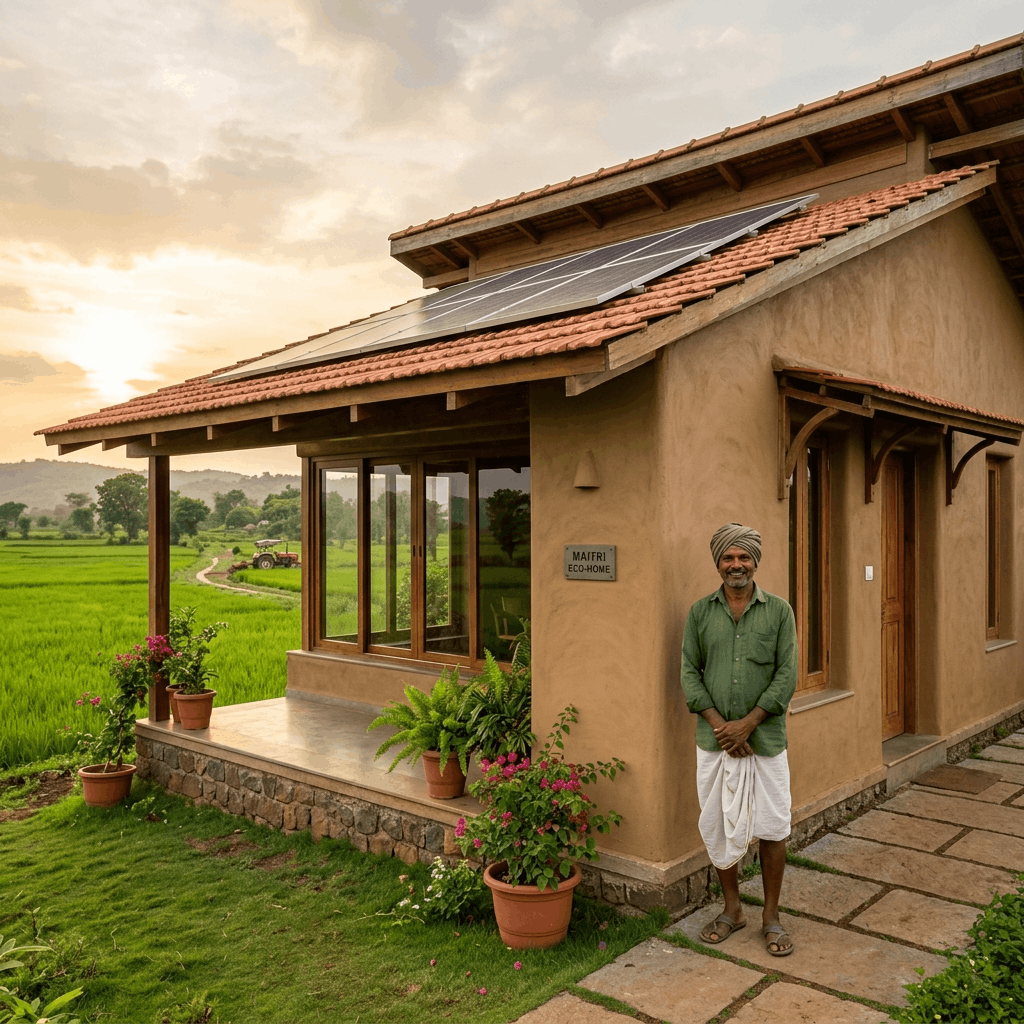
In 2026, the construction industry is shifting towards "Carbon-Neutral" materials, and cow dung is emerging as a cornerstone of eco-friendly building. For residential construction, specifically for Natural Plastering, the required quantity is approximately 150 kg to 200 kg per 100 square feet of wall surface. This mixture, when combined with clay and lime, creates a "Breathing Wall" that naturally regulates humidity and temperature.
From an agricultural perspective, if a farmer owns a 1-bigha plot and decides to build a storage unit or a farmhouse using these materials, they can utilize the dung from 3-4 cows over a period of 6 months. This reduces the dependency on cement by up to 40% and provides superior thermal comfort. The "Input Efficiency" of cow dung in construction is high because it acts as both a binder and an insulator, reducing the need for expensive cooling systems.
Mix Ratios for High-Performance Plaster (Per 100 kg Mix)
- Fresh Cow Dung Powder: 40 kg (Provides the fibrous matrix and antibacterial properties).
- Sieved Local Clay: 30 kg (Acts as the primary structural body).
- Fine River Sand: 20 kg (Reduces shrinkage and adds strength).
- Hydrated Lime: 10 kg (Ensures durability and water resistance).
Traditional and Modern Application Methods
The "Application Protocol" for cow dung in construction involves several steps. For Flooring, the dung is applied as a thin slurry (known as "Lippan") which is traditionally hand-patted. In 2026, modern builders use "Pneumatic Sprayers" to apply thickened cow dung plasters for a smoother, industrial finish. The material must be applied in layers, with each layer allowed to dry completely to prevent "Delamination."
For Sun-Dried Bricks, the cow dung is mixed with soil and straw, molded, and then cured in the sun for 21 days. These bricks are then used for non-load-bearing partitions. The usage of cow dung in 2026 has been standardized by green building councils, ensuring that the moisture content of the dung is below 15% before industrial processing into "Bio-Tiles."
Surface Preparation
Ensure the wall or floor is clean and slightly damp to improve the bond with the cow dung mix.
Batch Mixing
Mix fresh dung with clay and lime using a paddle mixer until a uniform consistency is reached.
First Coat (Base)
Apply a 12mm thick base coat. Use a wooden float to level the surface.
Fiber Reinforcement
Add jute or wheat straw to the second coat to prevent structural cracking during drying.
Finishing Coat
Apply a thin, 3mm finish coat mixed with natural pigments like Ocher or Turmeric.
Natural Curing
Allow the plaster to dry naturally for 7-10 days. Avoid artificial heating to prevent brittleness.
Comparison: Cement Plaster vs. Cow Dung Vedic Plaster
Comparing the outcomes, Cement Plaster is rigid and traps heat, leading to higher electricity bills for air conditioning. Cow Dung Vedic Plaster is flexible and "Thermal-Regulating." You can compare the results by measuring the indoor temperature; cow-dung-plastered rooms are consistently 4-6°C cooler in summer. Additionally, cement cracks over time, whereas cow dung plasters are "Self-Healing" due to the organic fibers that bridge micro-cracks.
Protecting the Local Biodiversity
Using cow dung in construction helps "creatures" by eliminating the need for high-heat brick kilns that destroy local topsoil and displace burrowing animals. It supports a Living Architecture where the walls don't leach toxic chemicals into the ground, ensuring that garden insects and earthworms around the house remain healthy. It is a "Compassionate Building" philosophy.
Natural Disease and Radiation Protection
One of the most unique benefits in 2026 is cow dung's ability to act as a Natural Radiation Shield. Studies have shown that walls plastered with cow dung can reduce the penetration of harmful UV rays and electromagnetic frequencies (EMF) from mobile towers. Furthermore, the "Antibacterial Slurry" naturally repels pests like termites and silverfish, protecting the wooden elements of the house without chemical pesticides.
Market Focus: Eco-Resorts and Sustainable Housing
The market for cow-dung-based construction materials has exploded in the Eco-Tourism sector. Resorts in the Himalayas and coastal areas are using these materials to market "Detox Holidays." There is also a growing Export Market for "Ready-to-Use Vedic Plaster Mix" in the Middle East and Africa, where heat management is critical. For the farmer, this means selling dung to "Green Material Hubs" at premium prices.
📦 Bulk Orders & Export
Mitti Gold Organic: For bulk orders of all organic fertilizers — Farmers, Nurseries, and Export. WhatsApp: +91 95372 30173