📅 June 2026 | ✍️ Mitti Gold Organic | 🗂️ Farming
Application Rates: Nutrient Requirements for Kutch Date Palms
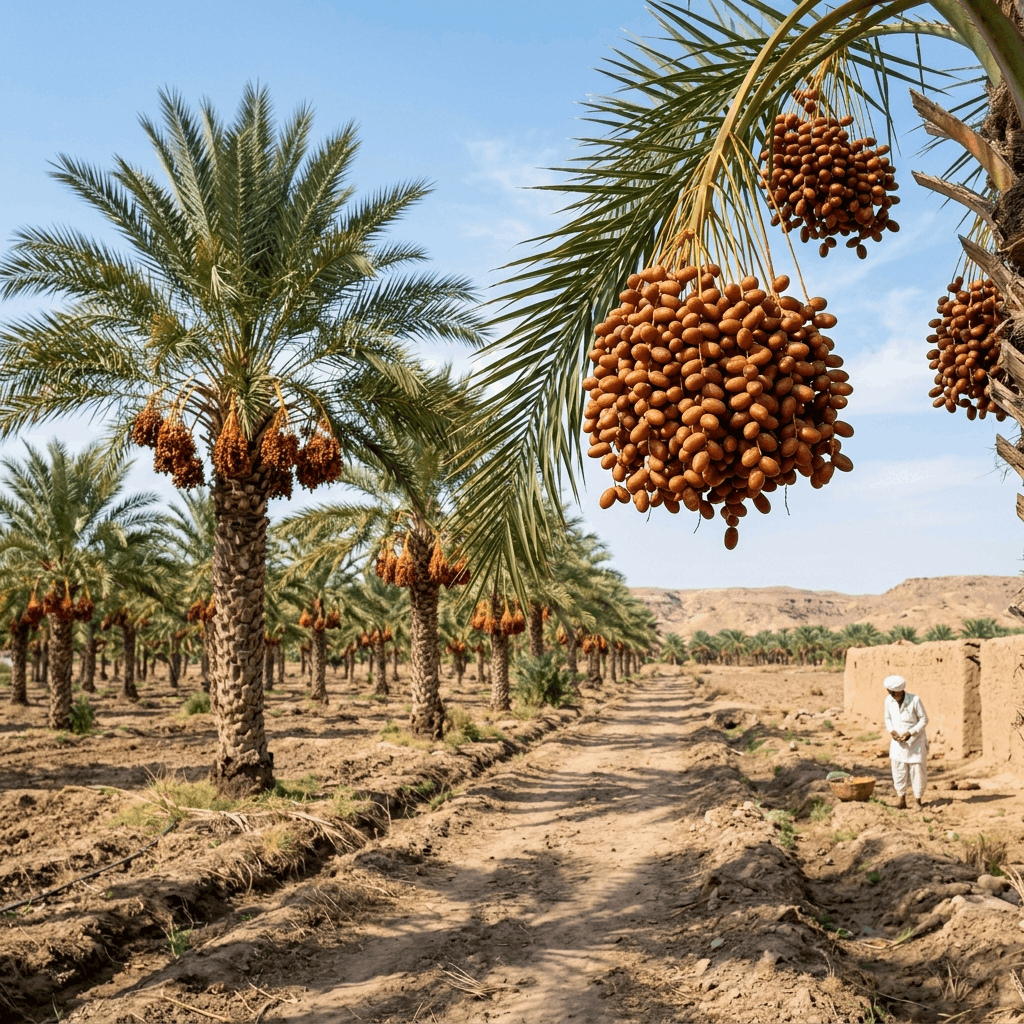
Date palms (Phoenix dactylifera) are robust plants that thrive in hot, arid conditions, but they require a steady supply of nutrients to produce high-quality Kharek. In the sandy, highly porous soils of Kutch, nutrient leaching is a major challenge due to low clay content and high infiltration rates. To combat this, farmers must follow precise organic application rates of various soil amendments. For a newly planted date palm offshoot or tissue culture sapling, mixing 15 to 20 kg of well-decomposed composted cow dung manure and 5 kg of premium Mitti Gold vermicompost in the planting pit is essential to establish a robust root system. Additionally, mixing in 2 to 3 kg of agricultural charcoal helps retain moisture and nutrients in the immediate root zone, preventing them from washing away during irrigation. For mature, bearing trees (5 to 10 years old), the annual application rate should be increased to 60-80 kg of composted cow dung manure and 15-20 kg of premium Mitti Gold vermicompost per tree. This should be applied in the basin during the winter months (November to January) before flowering begins. During the active flowering and fruit setting stages, applying a foliar spray of vermiwash diluted in a 1:10 ratio with water every 15 days provides essential micronutrients and plant growth hormones. To further boost fruit size and sweetness during the fruit development phase, applying 5 kg of pure cow dung powder as a top dressing around the tree basin helps in slow-releasing essential nitrogen and potassium. For older orchards (above 10 years), the dosage of composted cow dung manure should be scaled up to 100 kg per tree, split into two equal applications: one post-harvest in August to rejuvenate the tree, and one in December to support the upcoming crop. Incorporating these organic inputs at these specific rates ensures that the date palm receives a continuous, balanced supply of nutrients throughout its crop cycle, leading to high-quality Kharek with excellent commercial value. For sandy loam soils, the addition of agricultural charcoal at a rate of 5 kg per mature tree every alternate year has shown to reduce water requirement by 20% and prevent nutrient leaching. During the hot summer months, applying a thick mulch of organic matter mixed with pure cow dung powder at a rate of 10 kg per tree helps in conserving soil moisture and promoting root growth. Regular soil testing should be conducted to adjust these application rates, ensuring that the soil's organic carbon content remains above 0.8% for sustainable date palm cultivation.
How to Use Product: Planting and Fertigation of Date Palms
Understanding how to use organic inputs during the lifecycle of a date palm determines the quality of the harvest. During the land preparation and pit-making stage, dig pits of 1m x 1m x 1m. Mix the excavated soil with 20 kg of composted cow dung manure, 5 kg of Mitti Gold vermicompost, and 3 kg of agricultural charcoal. Fill the bottom of the pit with a 4-inch layer of agricultural charcoal to serve as a drainage and water-retention layer. When to apply: The basal organic mix is applied during planting, followed by deep watering. For mature trees, dig a shallow ring-trench (30 cm wide and 15 cm deep) around the tree trunk, keeping a distance of 1 to 1.5 meters from the base. Fill this trench with a mixture of organic Mitti Gold vermicompost and pure cow dung powder, cover it with soil, and apply water immediately. This encourages the horizontal roots to absorb the nutrients efficiently, feeding the growing fruit clusters (doqqa or khalal stages) and maximizing sweetness. During the monsoon season, apply vermiwash through the drip irrigation system or as a direct soil drench. To use vermiwash, dilute it with water in a 1:5 ratio for soil drenching, or 1:10 for foliar spray. This liquid fertilizer should be applied every 3 weeks during the vegetative growth phase. For established orchards, applying composted cow dung manure should be done by incorporating it into the top 10 cm of soil in the basin, followed by a light irrigation. This method ensures that the microbial activity is concentrated near the feeder roots. Avoid applying raw manure directly to the tree base as it can cause heat injury and invite termites. By following these precise application methods, farmers in Kutch can maximize the efficiency of organic fertilizers, resulting in healthy palms, uniform fruit development, and a sustainable orchard ecosystem that remains productive for decades. For optimal results, the application of agricultural charcoal should be repeated every three years to maintain soil porosity and moisture retention capacity in the sandy terrain. Farmers should also ensure that the ring trench method is implemented after the annual pruning of dry leaves in autumn, which helps the tree recover and prepare for the winter flowering stage. The use of pure cow dung powder during this transition phase helps in stimulating new root growth and active nutrient absorption.
1
Pit Preparation and Charcoal Lining
Dig a 1x1x1 meter pit and line the bottom with a 4-inch layer of agricultural charcoal to ensure excellent drainage and prevent nutrient leaching.
2
Soil Blending and Basal Dressing
Mix the topsoil with 20 kg of composted cow dung manure and 5 kg of vermicompost before refilling the pit and planting the offshoot.
3
Annual Ring Feeding and Irrigation
Apply 15 kg of vermicompost and 50 kg of cow dung compost in a circular trench around mature trees every winter, followed by immediate watering.
Outcome Comparison: Organic Dates vs. Chemical Cultivation
Evaluating the outcomes of organic cultivation against conventional chemical farming reveals significant advantages for Kutch date palm growers. The choice between natural inputs and synthetic chemicals determines not only the immediate crop yield but also the long-term sustainability of the agricultural ecosystem. Studies have shown that palms managed with organic methods exhibit greater resilience to climate fluctuations and produce fruit of superior quality:
- Fruit Texture, Weight, and Sugar Content (Brix): Dates grown using organic Mitti Gold vermicompost and pure cow dung powder have a distinct, rich sweetness and a firm, appealing texture. The slow-release organic nutrients ensure that the sugars accumulate naturally in the fruit, resulting in a higher Brix value. Chemically grown dates, though sometimes larger due to excessive urea application, often feel watery, have a bland taste, and are prone to pre-harvest fruit dropping and lower sugar concentrations.
- Shelf Life, Transportability, and Post-Harvest Quality: Organically nourished dates possess thicker cell walls and higher dry matter content, allowing them to resist post-harvest spoilage and bruising during transport to distant markets like Mumbai or Delhi. When treated with agricultural charcoal and vermiwash, the palms absorb balanced minerals, which strengthen the skin of the fruit, preventing cracking during high humidity and expanding the shelf life of fresh Kharek.
- Soil Health Preservation and Salinity Mitigation: Chemical fertilizers like urea and DAP destroy the soil's natural structure, leading to soil crusting, acidification, and increased salinity in the arid Kutch region. Organic inputs, especially when combined with porous agricultural charcoal and composted cow dung manure, improve soil aggregation, enhance water holding capacity, buffer soil pH, and sustain long-term soil fertility, turning sandy tracts into highly productive orchards.
- Economic Returns and Cost-Effectiveness: While chemical farming requires continuous investment in expensive synthetic inputs and pesticides, organic date palm farming utilizes locally sourced composted cow dung manure and Mitti Gold vermicompost. Over a three-year period, organic farms show a 30% reduction in input costs and a 40% increase in market selling price, resulting in significantly higher net profits for the growers.
Fostering Micro-Life in Desert Soils
Arid soils in Kutch are naturally low in organic matter and microbial activity, which limits the natural availability of plant nutrients. The application of carbon-rich composted cow dung manure and highly porous agricultural charcoal acts as a biological catalyst. The agricultural charcoal provides microscopic chambers that shelter beneficial soil fungi (mycorrhizae) and nitrogen-fixing bacteria from extreme summer temperatures and moisture stress. This microbial network breaks down locked minerals, making phosphorus and potash easily accessible to the date palm roots. Furthermore, applying organic mulches and Mitti Gold vermicompost encourages the growth of native soil creatures like earthworms, which aerate the soil and improve water infiltration, transforming sterile sand into a living, fertile ecosystem. Regular application of vermiwash as a soil drench introduces millions of active microbes, enzymes, and hormones directly into the root zone. These microorganisms secrete organic acids that solubilize fixed calcium phosphate in saline soils, ensuring that the palms receive a steady supply of micronutrients. Over time, the integration of pure cow dung powder and organic composts increases the soil organic matter (SOM) percentage, which is crucial for sustaining the soil food web. A living soil behaves like a sponge, retaining water and nutrients, and releasing them slowly as the palm requires them. This biological approach to farming reduces the reliance on external inputs and creates a resilient agricultural system capable of withstanding the harsh climatic conditions of the Kutch desert. Additionally, the presence of beneficial bacteria like Bacillus subtilis and Pseudomonas fluorescens, which thrive in composted cow dung manure, helps in suppressing pathogenic fungi that cause root rot. The symbiotic relationship between mycorrhizal fungi and the date palm roots is enhanced by the porous structure of agricultural charcoal, which retains moisture and provides a stable environment for fungal hyphae to colonize. As these fungi extend their networks, they increase the effective root surface area, allowing the palm to absorb water and trace elements from deeper soil layers. This microbiological synergy is the foundation of organic agriculture in arid regions, showing that soil health is directly linked to crop productivity.
Preventing Palm Diseases and Pest Attacks Naturally
Date palms in Kutch face threats from pests like the Red Palm Weevil (Rhynchophorus ferrugineus) and the Rhinoceros Beetle, as well as fungal diseases like Graphiola leaf spot and root rot. Chemical pesticides leave harmful residues on the fruit, leading to export rejections and soil degradation. Organic growers prevent these diseases by maintaining tree vigor through balanced nutrition. Applying Trichoderma-enriched Mitti Gold vermicompost to the soil prevents root rot by outcompeting pathogenic fungi. When to apply: Spraying a 10% solution of fermented cow urine mixed with neem oil on the leaves during the early vegetative phase acts as a natural repellant against beetles. Painting the trunk base with a paste of pure cow dung powder, lime, and copper sulphate protects the palm from boring insects and fungal pathogens. Regular application of vermiwash onto the foliage strengthens the cuticle layer of the leaves, making it harder for fungal spores to penetrate and cause leaf spots. In addition to this, the incorporation of agricultural charcoal in the root basin reduces humidity around the crown by improving water percolation, which limits the growth of soil-borne pathogens. Farmers can also use pheromone traps to capture adult Red Palm Weevils, preventing them from laying eggs in the trunk. If a palm shows early signs of infestation, injecting a solution of neem seed kernel extract (NSKE) directly into the affected area can control the pest without damaging the tree. Combined with composted cow dung manure to boost overall immunity, these natural pest control methods keep the orchard healthy and productive without relying on toxic chemicals. Maintaining orchard sanitation is another critical aspect of organic pest management. Pruning dry leaves and removing dead tissues from the palm trunk prevents pests from finding nesting sites. After pruning, the cuts should be immediately pasted with a mix of pure cow dung powder and copper oxychloride to prevent fungal entry. The use of vermiwash as a foliage spray not only provides nutrients but also acts as a systemic resistance builder, triggering the plant's natural defense mechanisms against insect attacks. By implementing these integrated pest and disease management strategies, date palm growers can ensure chemical-free production, meeting international standards and securing a safer environment for themselves and their consumers.
Commercial Market and Export Potential of Kutch Kharek
Kutch date palm farming has immense commercial potential, especially with Kutch Kharek receiving the Geographical Indication (GI) tag. The domestic market demands fresh yellow dates (Khalal stage) during the summer, while the export market in Gulf countries, Europe, and the US pays a high premium for dry organic dates (Tamar stage). Exporters actively seek out certified organic farms that use natural inputs like Mitti Gold vermicompost and composted cow dung manure, as these crops easily pass residue testing and meet international food safety standards. Transitioning to organic cultivation allows farmers to bypass middlemen and sell directly to premium organic brands, earning up to 40% higher returns per acre. By using agricultural charcoal in their soil mixes, farmers can market their produce as climate-resilient and sustainably grown, appealing to eco-conscious consumers. The export market for organic dates is growing at an annual rate of 15%, driven by the global shift towards healthy eating. To tap into this, farmers can form cooperatives to pool their harvest and negotiate directly with international buyers. Furthermore, spraying vermiwash on the fruit clusters during the development phase improves the size and appearance of the dates, making them more attractive for export. The use of pure cow dung powder in post-harvest processing as a natural preservative coating can also extend the shelf life of fresh dates during shipping. Overall, investing in organic date palm cultivation in Kutch is a highly profitable venture, offering long-term economic security and environmental sustainability for the region's farmers. Additionally, the GI tag for Kutch Kharek provides a unique branding opportunity. Cooperative societies and FPOs can establish processing units where dates are sorted, washed with ozone water, and packed in eco-friendly packaging. By highlighting the use of sustainable inputs like Mitti Gold vermicompost and agricultural charcoal on the packaging, farmers can command a premium price in high-end retail stores across major Indian metro cities like Mumbai, Bangalore, and Delhi. The residue-free certification is key to entering European markets, where imports are strictly regulated. The integration of traditional organic farming methods with modern post-harvest technology will position Kutch as a global hub for premium organic dates, ensuring prosperity for the local farming community.
📦 Bulk Orders & Export
Mitti Gold Organic: For bulk orders of all organic fertilizers — Farmers, Nurseries, and Export. WhatsApp: +91 95372 30173
Date Palm Farming in Kutch FAQ
What is the ideal spacing for planting date palms in Kutch?
The standard recommended spacing is 8m x 8m or 9m x 9m, allowing about 50 to 60 trees per acre to ensure proper sunlight and air circulation.
How much water do date palms need in the Kutch region?
While date palms are drought-tolerant, they require regular watering during fruit development. Drip irrigation is recommended, delivering 40 to 60 liters of water per day per tree.
When is the harvesting season for Kutch dates?
The harvesting season in Kutch typically runs from June to August, when the dates reach the yellow or red "Khalal" stage, just before the onset of heavy monsoon rains.
Can agricultural charcoal protect date palms from salinity?
Yes, agricultural charcoal helps buffer the soil against salt stress by improving drainage and adsorbing excess salts, protecting the sensitive feeder roots of the palm.
What are the main varieties of dates grown in Kutch?
Barhee (yellow) and Medjool (red/brown) are the most popular commercial varieties, alongside local seedling selections known for high yield.