📅 June 2026 | ✍️ Mitti Gold Organic | 🗂️ Machinery & Markets
Application Rates: Nutritious Fodder and Feed for High-Fat Milk
Dairy farming is a vital source of income for millions of rural households in Gujarat. Village milk cooperative societies, commonly known as Dudh Mandalis, collect milk twice daily. The payout is determined by Fat and SNF (Solid Not Fat) percentages. To increase milk fat and SNF, cows require a balanced, nutritious diet. The recommended daily application rate of feed is 25-30 kg of green fodder, 5-7 kg of dry fodder, and 4-6 kg of balanced compound feed per cow. Growing high-yielding green fodder (like Lucerne, Maize, or Napier grass) requires fertile soil. Farmers should apply 3 to 4 tons of composted cow dung manure and 1 ton of Mitti Gold vermicompost per acre to fodder fields. This organic nutrition increases the protein and mineral content of the fodder, directly boosting milk quality. For fodder plots, incorporating 300 kg of agricultural charcoal and 200 kg of pure cow dung powder per acre during field preparation improves soil moisture retention and microbial activity, leading to a 40% increase in green biomass yield. Applying liquid vermiwash as a foliar spray at a rate of 15 liters per acre, diluted in water, after each cutting stimulates rapid regrowth of fodder grass and increases its palatability. For milking cows, adding 50 grams of mineral mixture and 100 grams of pure cow dung powder to their concentrate feed daily helps balance their digestive system, improving feed conversion and milk yield. By following these precise application rates for both fodder cultivation and cattle feed, dairy farmers can produce milk with consistently high fat and SNF levels, securing maximum rates at the local Dudh Mandali. Furthermore, in drought-prone districts like Banaskantha and Mehsana, maintaining green fodder supply during summer is a major challenge. Assured irrigation combined with composted cow dung manure at 5 tons per acre ensures that the fodder crops develop deep root systems and resist heat stress. The addition of agricultural charcoal to the soil works as a subterranean sponge, retaining well water and dissolved nutrients from Mitti Gold vermicompost. This prevents nutrient leaching and ensures that the grass remains succulent and rich in digestible crude fiber, which is the precursor to milk fat synthesis in the cow's rumen. Regular applications of vermiwash through sprinkler systems help keep the fodder foliage free of dust and pests. By implementing these coordinated soil and crop nutrition practices, dairy farmers can secure a constant, year-round supply of high-grade fodder, ensuring stable milk production and high financial returns from the milk cooperative.
How to Use Product: Recycling Dairy Waste into Organic Fertilizer
A dairy farm generates large volumes of cow dung and urine. Understanding how to use these resources creates a profitable secondary income stream. Instead of leaving cow dung in open heaps where nutrients are lost, collect it daily and process it. When to apply: Build vermicompost beds (typically 30 feet long, 4 feet wide, and 2 feet deep) under a shaded roof. Mix the cow dung with 10% agricultural charcoal to absorb nitrogen and odors. Introduce composting earthworms (Eisenia fetida) to convert the dung into premium Mitti Gold vermicompost. The resulting compost and pure cow dung powder can be used on your own fodder fields or sold to local nurseries and urban gardeners, creating a self-sustaining circular dairy farm. To use vermiwash effectively, collect the liquid runoff from the vermicompost beds into a dedicated tank. Dilute it at a ratio of 1:10 with water and apply it as a foliar spray on fodder crops or vegetables. For pasture lands, apply composted cow dung manure at a rate of 2 tons per acre twice a year, spreading it evenly before the onset of the monsoon. When preparing seedling nurseries for fodder grass, use a growing medium consisting of 60% soil, 30% Mitti Gold vermicompost, and 10% pure cow dung powder. This ensures rapid seed germination and strong root establishment. By adopting these organic waste management techniques, dairy farmers can completely eliminate the cost of buying chemical fertilizers and create a high-value biological product line from their herd's waste. Additionally, to control flies and odor in the composting area, spraying a 5% solution of vermiwash mixed with biological decomposers accelerates the digestion of organic waste. The composting beds must be kept moist but not waterlogged. The porous nature of the agricultural charcoal mixed with the cow dung helps maintain the perfect balance of moisture and aeration inside the pile, preventing anaerobic conditions that cause bad odors and attract pests. Once the earthworms have fully processed the dung, the vermicompost should be sieved and dried in the shade. The leftover large particles can be ground into fine pure cow dung powder, which is highly sought after by florists and organic farmers. Selling this value-added organic fertilizer provides dairy farmers with a stable cash flow that helps cover herd maintenance costs, making the overall dairy operation highly resilient to market fluctuations.
1
Daily Milk Delivery
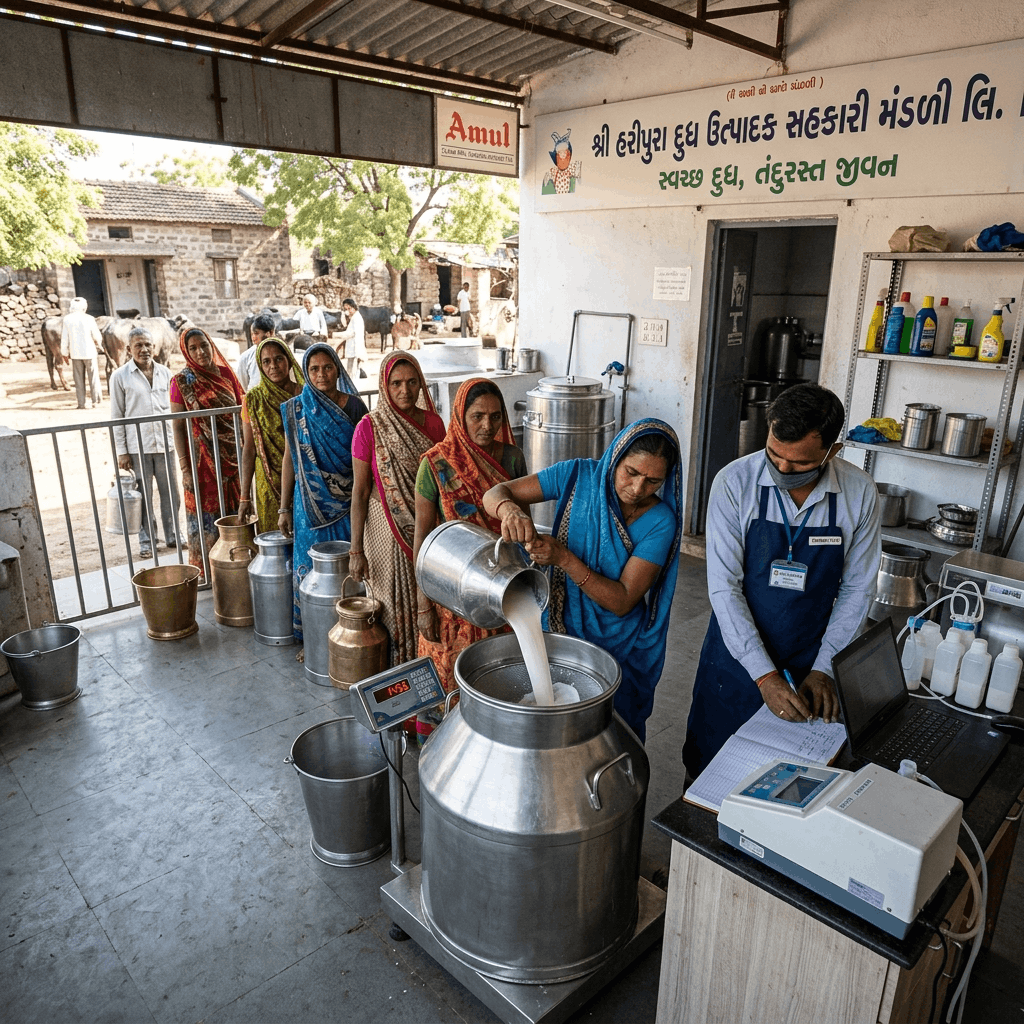
Bring fresh milk to the Dudh Mandali, where it is weighed, and milk fat and SNF are tested automatically.
2
Cowshed Hygiene
Wash the cowshed floor and spread a thin layer of agricultural charcoal and pure cow dung powder to absorb moisture and prevent bacterial growth.
3
Fodder Fertilization
Apply 2 tons of vermicompost per acre to your fodder plots after each cutting to promote rapid, nutrient-rich growth.
Outcome Comparison: Organic Cattle Management vs. Conventional Dairy Practices
Comparing the outcomes of organic cattle management and feeding practices against conventional chemical-heavy practices reveals clear benefits. The impact is seen not only in the health of the dairy herd but also in the milk quality, overall farm revenue, and environmental sustainability:
- Higher Fat and SNF Percentages: Cows fed on organic green fodder have better rumen health, resulting in milk with 0.5% to 1% higher fat content, fetching better prices at the Dudh Mandali. The feed includes natural nutrients from crops fertilized with Mitti Gold vermicompost and pure cow dung powder.
- Lower Veterinary Costs and Better Herd Health: Dairy cows kept in hygienic sheds and fed pesticide-free fodder have stronger immune systems, reducing mastitis and hoof infections by 60%. Spreading agricultural charcoal on the shed floor keeps the floor dry, preventing bacterial breeding.
- Secondary Income and Farm Sustainability: Selling processed vermicompost and composted cow dung manure provides a steady secondary revenue stream, buffering farmers against seasonal milk price drops. The farm becomes self-sufficient in nutrients, eliminating fertilizer costs.
- Reduced Barn Odor and Fly Population: Spreading agricultural charcoal and spraying vermiwash in the barns significantly reduces ammonia odors and repels flies, creating a clean environment for both cows and milkers.
Strengthening the Soil Food Web with Cowshed Manure
The integration of dairy and crop farming is a classic example of ecological synergy. The cow dung and urine produced by the cattle are rich in organic carbon and nitrogen. Applying this manure to the soil feeds native earthworms and beneficial bacteria. The microbes convert complex organic compounds into plant-available nutrients, which are absorbed by the fodder crops. This biological cycle improves soil structure, water retention, and microbial diversity, ensuring that the land remains productive for generations. Introducing Mitti Gold vermicompost to these fields accelerates the soil food web restoration by adding billions of active microbes. The porous structures of agricultural charcoal act as safe micro-habitats, sheltering these microbes from high heat and dry spells. Spreading pure cow dung powder provides an instant source of energy for soil bacteria, while liquid vermiwash stimulates microbial multiplication. As these organisms thrive, they bind soil particles into water-stable aggregates, enhancing soil aeration. This biological activity ensures that the fodder grass receives a balanced supply of macro and micronutrients, which are then passed on to the dairy cows, completing a healthy, natural circle of nutrition. In conventional dairy-farming areas where chemical fertilizers are heavily applied to fodder fields, the soil soon becomes acidic and compacted. This compaction restricts root growth, limits water absorption, and decimates the earthworm population, leading to nutrient-poor fodder that negatively impacts milk quality. By applying composted cow dung manure and agricultural charcoal, farmers can break this negative cycle. The organic carbon in the manure improves the soil's cation exchange capacity, allowing it to hold nutrients more efficiently. Beneficial fungi like mycorrhizae colonize the roots, extending their surface area and helping them absorb phosphorus and trace minerals. Earthworms return to the soil, burrowing through the profile and converting dead organic matter into nutrient-rich castings. This healthy, living soil ecosystem produces highly nutritious fodder, which in turn leads to healthier cows, higher milk fat percentages, and increased profits at the Dudh Mandali.
Preventing Bovine Diseases through Barn Hygiene
Barn hygiene is critical for preventing diseases like Foot and Mouth Disease (FMD), mastitis, and tick infestations. Wet, dirty floors breed harmful bacteria. Organic farmers maintain hygiene by spreading pure cow dung powder and agricultural charcoal on the cowshed floor. The charcoal adsorbs moisture, ammonia, and pathogens, keeping the floor dry and odor-free. When to apply: Spraying diluted neem oil and cow urine on the cattle acts as a natural insecticide, repelling ticks and flies without chemical residues entering the milk. Using vermiwash as a foliar spray on fodder crops prevents fungal infections and pest attacks, ensuring clean feed. Composted cow dung manure enriched with beneficial microbes can be applied to the soil to suppress root pathogens in fodder grass. Incorporating Mitti Gold vermicompost into the nursery soil makes the grass seedlings robust and resistant to diseases. By utilizing these natural barn hygiene and crop protection methods, dairy farmers can ensure the health and safety of their livestock, producing clean milk that meets the highest quality standards. To prevent mastitis, which is the most common and expensive disease in dairy farming, the cow's udder should be washed with a warm, natural antiseptic solution before and after milking. Spreading a mixture of agricultural charcoal and slaked lime on the cowshed floor twice a week is highly effective in neutralizing pathogenic bacteria and absorbing moisture that can cause hoof rot. In fodder cultivation, pests like armyworms and grasshoppers can devastate grass yields. Instead of using chemical insecticides that can leave residues in the milk, farmers can spray a fermented solution of cow urine, neem leaves, and wild garlic, diluted with vermiwash. This natural preparation deters insect pests while providing a foliar feed to the crop. Applying composted cow dung manure mixed with Karanja cake around the fodder plots helps repel soil pests and grubs. These integrated ecological and hygiene practices create a healthy, biosecure dairy farm, reducing the reliance on antibiotics and chemical treatments, and ensuring that the milk produced is pure, safe, and highly valued.
GCMMF (Amul) Network, Milk Mandis, and the A2 Premium Market
The dairy cooperative network in Gujarat, led by the Gujarat Cooperative Milk Marketing Federation (GCMMF / Amul), ensures daily milk collection and transparent electronic payments. Furthermore, there is a rapidly growing niche market for certified organic A2 milk, which sells for a premium in urban centers like Surat, Vadodara, and Ahmedabad. Dairy farmers who feed their indigenous (Desi) cows organic fodder and manage them using natural inputs can tap into this premium market, earning significantly higher profits. Utilizing premium inputs like Mitti Gold vermicompost, composted cow dung manure, and agricultural charcoal to grow fodder ensures that the milk is free from chemical residues. Using pure cow dung powder and vermiwash to maintain barn hygiene ensures a clean milking environment. By forming organic dairy cooperatives, smallholders can collectively market their organic A2 milk, establish their own local brands, and deliver directly to health-conscious consumers. This cooperative organic dairy model is highly profitable, ensuring a sustainable, secure livelihood for rural families and boosting the rural economy of Gujarat. The export market for organic milk powder, ghee, and traditional dairy products is also expanding rapidly, driven by the Indian diaspora and global consumers seeking pure, grass-fed dairy. To access these high-value markets, dairy farms must comply with international organic standards, which strictly prohibit the use of chemical pesticides, synthetic feed additives, and preventive antibiotics. By utilizing certified organic inputs like Mitti Gold vermicompost and agricultural charcoal in fodder production, farmers can easily pass the residue testing protocols required for international export. Cooperative societies can set up dedicated organic milk collection routes, ensuring that organic milk is not mixed with conventional milk during transport and processing. Packaging the finished organic products with detailed tracing information about the organic feed and cow care practices builds strong consumer trust. This value-addition and market-oriented organic dairy model enables small farmers to transition from commodity suppliers to stakeholders in a global organic business, ensuring long-term prosperity.
📅 Official Application & Deadline Guide
⏳
Last Date of Application
Ongoing registration
🌐
Official Portal to Apply
Gujarat Cooperative Milk Marketing Federation (Amul)
Apply Online Here ↗
📦 Bulk Orders & Export
Mitti Gold Organic: For bulk orders of all organic fertilizers — Farmers, Nurseries, and Export. WhatsApp: +91 95372 30173
Gujarat Dudh Mandali FAQ
How often does the Dudh Mandali pay farmers for milk?
Most village milk cooperatives transfer payments directly to the farmer's bank account every 10 days, ensuring consistent cash flow.
What is the difference between A1 and A2 milk?
A2 milk comes from indigenous Indian cow breeds (like Gir and Kankrej) and contains the A2 beta-casein protein, which is easier to digest than the A1 protein found in exotic crossbred cows.
How can I register as a member of the local Dudh Mandali?
Contact the Dudh Mandali secretary in your village, fill out the membership form, and submit your bank account and cattle ownership details.
What is SNF in milk testing?
SNF stands for Solid-Not-Fat, which includes proteins, lactose, vitamins, and minerals present in the milk, and is a key factor in determining milk price.
Can I compost cattle manure without earthworms?
Yes, you can use the pit composting method, but vermicomposting is preferred as it is faster and produces a nutrient-dense organic fertilizer with higher microbial activity.