📅 June 2026 | ✍️ Mitti Gold Organic | 🗂️ Machinery & Markets
Nutrient Requirements and Organic Application Rates for Andhra Pradesh Soils
Andhra Pradesh's agriculture covers diverse soil profiles, including the highly fertile alluvial soils in the Godavari and Krishna delta regions, red sandy soils in Rayalaseema, and saline-alkaline or black soils in the coastal districts. Key crops like paddy, Guntur red chillies, cotton, groundnut, tobacco, and Banginapalli mangoes require high levels of organic matter to maintain soil physical structure, prevent compaction, and support heavy yields. For open-field paddy and groundnut, the recommended basal application rate is 4 tons of Mitti Gold composted cow dung manure per acre during secondary land preparation. This basal application increases soil organic carbon and improves soil aeration. For intensive cash crops like red chillies and cotton, farmers should apply 2 tons of Mitti Gold vermicompost per acre during field preparation to ensure immediate nutrient availability to the root system. Red sandy soils in the Rayalaseema region have naturally poor water-holding capacity and low cation exchange capacity; incorporating 300 to 400 kg of Mitti Gold agricultural charcoal per acre improves moisture retention and holds nutrients within the root zone, preventing runoff during heavy rains. Top-dressing with 200 to 250 kg of Mitti Gold pure cow dung powder during the active vegetative growth phase provides a slow-release nitrogen source, alongside micronutrients that improve grain weight, pod size, and market value. Additionally, applying 10 liters of liquid vermiwash per acre through drip lines or as a drench helps stimulate hormones and root development, boosting nutrient absorption. This comprehensive organic soil management plan ensures that soils remain fertile, porous, and highly productive over successive cropping seasons, resulting in superior crops that command premium prices at the state's competitive APMC mandis, satisfying the high quality demands of exporters. Furthermore, to maximize root-zone biological activity in the red loams of Anantapur and Chittoor, incorporating a combination of agricultural charcoal and Mitti Gold vermicompost is highly recommended. The agricultural charcoal acts as a biological buffer, protecting beneficial mycorrhizal networks and nitrogen-fixing bacteria from intense summer heat, while the vermicompost supplies premium organic carbon that feeds these micro-organisms. For paddy cultivation in the Godavari and Krishna delta regions, where soils are heavy and prone to waterlogging, adding agricultural charcoal improves gas exchange and prevents the build-up of toxic anaerobic organic acids. In coastal belts where salinity is a rising concern, the regular application of composted cow dung manure helps reduce sodium toxicity by improving the soil's calcium and magnesium availability, thereby reclaiming soil productivity. Applying pure cow dung powder as a split top-dress, especially during the boot-leaf stage of paddy and pod-formation of groundnuts, provides a steady nutrient release that prevents early leaf senescence. This top-dress should be immediately followed by soil drenching with liquid vermiwash diluted at 1:10 with water, ensuring that humic acids and growth regulators are washed down directly into the root zone. This holistic approach not only boosts overall crop yield but also significantly improves quality parameters like grain density, arecanut weight, and chili pungency, helping Andhra Pradesh's farmers achieve maximum returns at local RMC auctions and national e-NAM bidding screens.
How to Apply Organic Amendments in Andhra Pradesh Agriculture
The application of organic amendments must be carefully tailored to the crop cycle, soil conditions, and irrigation methods of Andhra Pradesh. In paddy fields, apply Mitti Gold composted cow dung manure during the puddling stage to incorporate organic carbon into the muddy soil layer, which improves soil structure and aeration. For red chilli and cotton fields, broadcast composted manure and agricultural charcoal evenly during primary tillage before the monsoon season starts, allowing the soil to absorb and retain the nutrients. When to apply: Sowing and transplanting are typically carried out in July-August, immediately after the southwest monsoon rains have moistened the soil. For chilli transplanting, mix Mitti Gold vermicompost with pure cow dung powder in the planting furrows to provide an immediate nutrient boost for the young roots and stimulate early branching. Apply a split dose of vermicompost near the root zone of cotton plants before the flowering stage, followed by light irrigation to carry nutrients to the roots. Drenching the crop with vermiwash diluted at 1:10 with water during dry spells helps prevent moisture stress and improves the absorption of macronutrients. For mango orchards, apply vermicompost in circular trenches dug along the tree's drip line during the post-harvest period (June-July) and again before flowering to support fruit set. Foliar application of vermiwash at a 10% concentration during the pre-flowering stage of field crops boosts flower retention and increases crop vigor. Incorporating agricultural charcoal during land preparation in Rayalaseema red soils ensures that the applied Mitti Gold vermicompost remains in the root zone instead of leaching away during heavy monsoon rains. By adhering to these tailored schedules, farmers can optimize fertilizer efficiency, reduce costs, and ensure high-quality produce for market auctions.
1
Basal Land Enrichment
Mix composted cow dung manure and agricultural charcoal with the soil before sowing to build soil carbon.
2
Root Zone Fertilization
Apply vermicompost and cow dung powder in splits near the crop roots during transplanting and before flowering.
3
Crop Drying and Grading
Clean and dry red chillies or grains thoroughly, packing them in dry bags with charcoal packets to prevent color loss and mold before auction.
Outcome Comparison: Organic Farming vs. Chemical Cultivation in Andhra Pradesh
Comparing agricultural yields under organic management using Mitti Gold vermicompost against chemical-intensive farming in Andhra Pradesh reveals distinct agronomic and financial advantages. Chemical farming in AP has led to rising pesticide resistance, soil compaction, and high debt due to escalating input costs. Organic farming, conversely, reduces input costs and improves soil structure and crop quality. Organically grown Guntur red chillies have a deeper red color, higher capsaicin content, and longer shelf life, preventing rotting during storage and transport, which commands top bids at the Guntur APMC. Similarly, organic paddy shows higher grain weight, better head rice recovery, and increased resistance to blast disease. Organic soils amended with Mitti Gold agricultural charcoal and composted cow dung manure retain moisture longer, protecting crops from sudden dry spells that often affect rain-fed farms in Rayalaseema and Prakasham districts. Additionally, applying pure cow dung powder and vermiwash results in completely residue-free produce, satisfying exporters and premium food processors who reject chemically farmed crops. The long-term economic comparison shows that while chemical farming depletes the soil and requires ever-increasing fertilizer dosages, organic farming builds soil health over time, leading to input cost reductions of up to 40% in subsequent years. Organic cotton, for example, is highly sought after by textile exporters who offer premium contracts, bypassing middlemen. Paddy grown organically displays higher grain density and less breakage during milling, improving market value. Ultimately, the transition to organic cultivation using Mitti Gold vermicompost ensures soil sustainability, crop resilience, and higher profit margins for Andhra's farmers trading in the state's competitive agricultural markets, securing their livelihoods against climatic fluctuations.
Revitalizing Soil Biology in Rayalaseema and Coastal Soils
The application of composted cow dung manure provides the essential organic carbon needed to feed beneficial soil microorganisms. Incorporating highly porous Mitti Gold agricultural charcoal creates a stable habitat for nitrogen-fixing bacteria (like Azotobacter and Rhizobium) and mycorrhizal fungi, protecting them from the high soil temperatures typical of Andhra's summers. These microbes break down organic matter and make locked-up phosphorus and potassium available to the plants, promoting healthy root development. This biological activity increases the population of native earthworms, which aerate the soil and improve its drainage. The humic acids in Mitti Gold vermicompost and vermiwash stimulate microbial enzymes, speeding up the decomposition of crop residues and converting them into plant-absorbed organic compounds. Earthworms, attracted to the organic matter of pure cow dung powder, create channels that assist in root penetration and water absorption, reducing soil compaction in coastal delta zones. As mycorrhizal fungi colonize the root systems, they release glomalin, which binds soil particles into stable aggregates, reducing soil erosion during heavy rains. This biological revitalization is crucial for reversing the degradation of red soils in Rayalaseema, transforming them into a fertile, self-sustaining growing medium. A healthy, living soil results in crop yields that are not only larger but also richer in minerals and nutrients, satisfying the premium quality requirements of e-NAM buyers and international exporters, while ensuring long-term agricultural sustainability.
Natural Pest Resistance and Wilt Prevention in Chillies
Red chillies in Andhra Pradesh are highly vulnerable to sucking pests like thrips, mites, and pod borers, which transmit the chili leaf curl virus, and fungal pathogens causing wilt and dieback. Chemical pesticides leave toxic residues, leading to mandi rejections and health hazards. Organic farmers prevent these issues by mixing Trichoderma and Pseudomonas-enriched Mitti Gold vermicompost and composted cow dung manure into the soil. When to apply: Apply during land preparation and transplanting to establish a protective barrier around the developing root system. Weekly sprays of neem oil mixed with fermented cow urine and vermiwash act as a powerful natural insect repellent, keeping crops healthy and pesticide-free. The plant nutrients supplied by organic inputs help build thicker cell walls and cuticles, making it difficult for sucking pests to pierce the leaves and transmit viruses. The addition of agricultural charcoal to the soil helps absorb harmful pathogens and soil toxins, preventing root rot and damping-off. Pure cow dung powder, when mixed with bio-pesticides like Bacillus thuringiensis, acts as a carrier that keeps the beneficial microbes active on the soil surface, providing long-lasting protection. This organic crop protection strategy ensures a completely residue-free harvest, qualifying the produce for strict international export and premium domestic markets. By using these natural methods, farmers protect beneficial insects like ladybirds and hoverflies, which act as natural predators, establishing an ecological balance in the field and reducing crop losses without chemical dependency.
e-NAM Trading and Premium Organic Spice Sales at Andhra APMCs
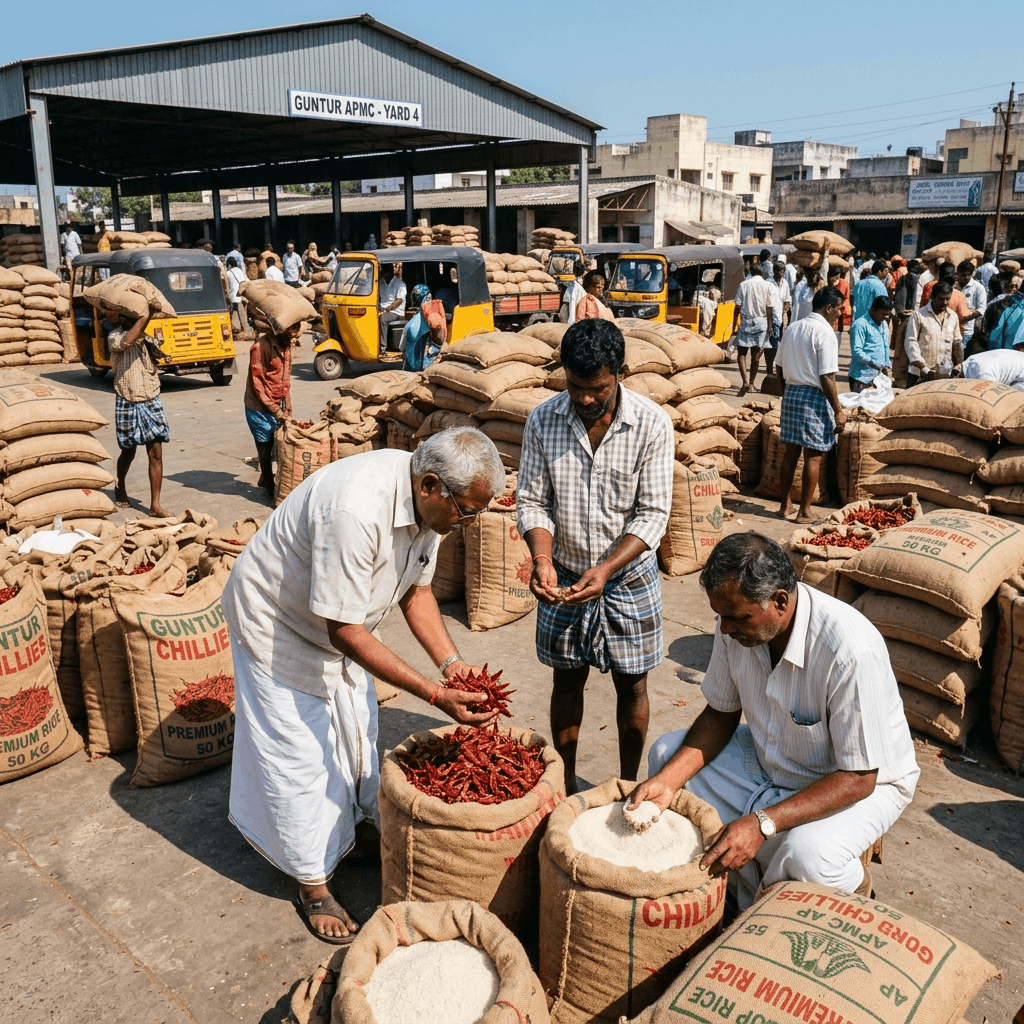
Guntur, Adoni, and Vijayawada APMCs are major trading hubs for cotton, chillies, and grains in Andhra Pradesh. The state's integration with the e-NAM platform enables digital auctions where buyers from across India bid on certified organic crops. Guntur red chillies grown organically command a 30% to 50% price premium. Exporters and organic spice brands bid actively on crops cultivated with natural inputs like Mitti Gold vermicompost and composted cow dung manure, as they easily pass pesticide residue tests. The assaying process at these mandis evaluates quality parameters such as curcumin content, capsaicin content, and fiber strength. Incorporating Mitti Gold agricultural charcoal, pure cow dung powder, and vermiwash ensures a residue-free, high-grade harvest that consistently clears these tests. Direct trading via e-NAM ensures transparent transactions, eliminating local middlemen cartels and commission agents who reduce the farmer's profits. Furthermore, the digital bidding process ensures immediate electronic payment directly into the farmer's bank account within 24 hours. This financial security allows farmers to invest in sustainable farming and purchase high-quality organic inputs. By producing certified organic, high-grade commodities, farmers can negotiate direct buy-back agreements with exporters and premium retailers, securing long-term financial stability and bypassing local market uncertainties, making organic agriculture a highly viable economic option.
📅 Official Application & Deadline Guide
⏳
Last Date of Application
Ongoing / Seasonal registration
🌐
Official Portal to Apply
Andhra Pradesh Agricultural Marketing Department
Apply Online Here ↗
📦 Bulk Orders & Export
Mitti Gold Organic: For bulk orders of all organic fertilizers — Farmers, Nurseries, and Export. WhatsApp: +91 95372 30173
Andhra Pradesh APMC and Organic Farming FAQ
Which is the largest APMC for red chillies in Andhra Pradesh?
The Guntur APMC is the largest market in Asia, famous for trading high-quality red chillies.
How can I control chili leaf curl virus organically?
Repel sucking pests using yellow sticky traps and spraying neem oil and cow urine mixtures, while maintaining plant health with organic vermicompost.
Is agricultural charcoal beneficial for Rayalaseema soils?
Yes, it is highly recommended for red sandy soils in Rayalaseema as it improves water retention and prevents nutrient leaching.
What makes Guntur red chillies so popular?
Guntur red chillies are famous worldwide for their high pungency, heat, and deep red color, which are further enhanced under organic farming practices.
Can I trade organic paddy on e-NAM in Andhra Pradesh?
Yes, registered farmers can auction certified organic paddy on the e-NAM platform, attracting premium national buyers.