📅 June 2026 | ✍️ Mitti Gold Organic | 🗂️ Machinery & Markets
Nutrient Requirements and Organic Application Rates for Kerala Soils
Kerala's agricultural sector is dominated by high-value spice crops, coconut palms, bananas (Nendran), ginger, and tubers grown in humid, coastal, and hilly terrains. The soils are predominantly acidic laterite, which are highly prone to quick nutrient leaching and erosion during the heavy southwest and northeast monsoons. To maintain soil fertility and produce premium-grade spices that command top global prices, balanced organic inputs are absolutely essential. For spice crops like black pepper and cardamom, which are heavy feeders but have shallow root systems, the recommended basal application rate is 15 to 20 kg of Mitti Gold composted cow dung manure and 5 to 8 kg of Mitti Gold vermicompost per vine or plant annually. For banana and coconut plantations, apply 10 kg of composted manure and 3 to 5 kg of vermicompost per plant during basin preparation to sustain high yields and fruit weight. Acidic laterite soils require constant pH buffering and structure improvement; incorporating 300 to 400 kg of Mitti Gold agricultural charcoal per acre improves soil pH, creates micro-aeration, and retains essential nutrients in the root zone, preventing them from being washed away by heavy rainfall. Top-dressing with 200 to 250 kg of Mitti Gold pure cow dung powder during the active vegetative growth phase provides a slow-release nitrogen source that helps in early canopy development and vine establishment. Additionally, soil drenching and foliar application of vermiwash at a 10% concentration during critical vegetative and flowering phases triggers hormonal activity, helping spice plants absorb trace minerals and resist climate stress. By implementing this combined organic feeding strategy, Kerala's spice and fruit growers can counteract the negative effects of acidic, leached soils, ensuring rich harvests of cardamom, pepper, and ginger that easily satisfy the strict quality requirements of global buyers. To further optimize nutrient efficiency in the steep, terraced spice estates of Idukki and Wayanad, farmers should implement a multi-tiered organic replenishment schedule. Applying a mixture of Mitti Gold vermicompost and composted cow dung manure during the post-monsoon period helps regenerate the soil microbiome that is typically depleted by heavy runoff. The addition of agricultural charcoal is particularly vital here, as it acts as a permanent soil structure enhancer, holding water and soluble minerals close to the roots during the dry winter and pre-monsoon months (January to April). For ginger and turmeric growers, broadcasting pure cow dung powder during the secondary tillage phase, followed by earthing up, prevents soil compaction and allows the rhizomes to expand freely in a nutrient-dense, loose soil layer. Furthermore, during early flowering of cardamom and flowering spikes of black pepper, spraying a 10% foliar solution of vermiwash stimulates cellular growth and prevents early spike shedding. This biological feeding program not only strengthens the crop's natural defense mechanism against soil-borne pathogens like foot rot (Phytophthora) but also increases the content of essential oils and piperine. As a result, the harvested spices exhibit bolder sizes, intense coloration, and premium quality, qualifying them for the highest grades at regional cooperative auctions (like those run by Spices Board and VFPCK networks) and e-NAM bidding. By substituting synthetic chemicals with this integrated organic regime, Kerala's growers can protect their precious plantation soils and secure sustainable, long-term premium pricing.
How to Apply Organic Amendments in Kerala's Humid Plantations
The application of organic amendments must focus on preventing nutrient runoff and managing soil moisture in Kerala's high-rainfall climate. For black pepper vines, dig a shallow ring-trench approximately 10 to 15 cm deep around the base of the support tree (standard) at the drip line during the post-monsoon period (September-October). Mix the excavated soil with Mitti Gold vermicompost, composted cow dung manure, and agricultural charcoal, then backfill the trench and water lightly to initiate microbial action in the root zone. When to apply: The best time to apply the basal organic mix is right before or immediately after the monsoon seasons to minimize leaching and volatilization. For coconut and banana, apply agricultural charcoal at the bottom of the planting pits during planting to serve as a moisture and nutrient reservoir that helps the plants survive dry winter months. Drenching the root zone with liquid vermiwash diluted in a 1:10 ratio with water during dry spells enhances crop resilience, root growth, and nutrient uptake. For ginger and turmeric beds, incorporate composted cow dung manure and agricultural charcoal during land preparation, and top-dress with pure cow dung powder before the earthing-up operations. Foliar application of vermiwash at a 10% dilution during the vegetative stage of cardamoms promotes tiller production, leaf width, and disease resistance. Incorporating agricultural charcoal into acidic laterite soils permanently buffers the soil, ensuring that nutrients from Mitti Gold vermicompost are held securely and released slowly as the crop demands. By adhering to these tailored schedules, farmers can optimize fertilizer efficiency, protect their investment, and ensure that their spices and fruits reach grade-A standards for domestic auctions and export markets.
1
Soil pH Buffering
Broadcast agricultural charcoal and composted cow dung manure during land preparation to neutralize laterite soil acidity.
2
Ring Trench Application
Dig circular trenches around spice vines and fruit trees, filling them with vermicompost and cow dung powder to ensure slow nutrient release.
3
Spices Post-Harvest Care
Dry cardamom or black pepper under shade, packing them in dry bags containing charcoal moisture absorbers to prevent mold before auction.
Outcome Comparison: Organic Spice Farming vs. Chemical Cultivation in Kerala
Comparing spices and plantation crops grown with Mitti Gold vermicompost and composted cow dung manure against chemically farmed crops in Kerala shows significant differences. Chemical fertilizers like urea, diammonium phosphate (DAP), and potassic formulations lead to rapid soil acidification, soil compaction, and nutrient leaching under heavy rains, leaving the soil sterile and microbially inactive. Conversely, organic inputs improve soil structure, increasing its water retention, aeration, and cation exchange capacity. Black pepper grown organically displays a higher piperine content, bolder berries, and less spike shedding, while organic cardamom shows a stronger essential oil aroma, higher density, and bold green color, commanding top bids at spice auctions. Conventional chemical spice fields face rising pesticide costs and pesticide residue compliance issues, leading to frequent export market rejections. Furthermore, soils treated with Mitti Gold agricultural charcoal and composted cow dung manure show a significant increase in water-holding capacity, allowing crops to withstand dry winter spells without losing flower buds or leaves. Top-dressing with pure cow dung powder and applying vermiwash helps establish a natural nutrient reservoir, reducing the need for chemical top-dresses that burn delicate spice roots. The economic comparison reveals that while chemical farming requires rising budgets and yields fewer premium grades over time, organic farming stabilizes yields and increases the percentage of export-grade produce. Organic spices consistently receive higher grade certificates, attracting national and international buyers who bid actively at Nedumkandam and Bodinayakanur auctions, making organic spice cultivation in Kerala highly lucrative and sustainable.
Fostering Soil Micro-Life in Acidic Laterite Soils
Acidic laterite soils in Kerala often suffer from low microbial activity due to high soil acidity, low organic carbon, and heavy leaching of organic matter. The application of carbon-rich composted cow dung manure and highly porous Mitti Gold agricultural charcoal acts as a biological catalyst. The agricultural charcoal provides microscopic shelters that protect beneficial soil bacteria (like Azotobacter and Rhizobium) and mycorrhizal fungi from acidic conditions and dry spells, maintaining their populations during summer. These microbes break down organic matter and make phosphorus and potassium available to the crop roots. This biological activity increases soil health and encourages native earthworms to thrive, improving soil aeration. The humic substances in Mitti Gold vermicompost and vermiwash act as strong microbial catalysts, accelerating the multiplication of beneficial actinomycetes in the soil. These organisms are vital for decomposing cellulose from crop residues, converting them into stable humus. Furthermore, earthworms attracted to the organic carbon of pure cow dung powder create deep burrows that enhance water infiltration and root penetration, preventing soil erosion on sloping plantation lands of Western Ghats. The mycorrhizal networks facilitated by the agricultural charcoal extend the root surface area, allowing plants to absorb nutrients and water from deeper soil layers. This thriving microbiome acts as a natural biological filter, protecting the roots from harmful pathogens like Phytophthora and ensuring that the soil remains productive and fertile for future generations without the need for expensive chemical interventions, creating a self-sustaining ecosystem.
Natural Pest Resistance and Wilt Prevention in Spices
Spice crops like black pepper are highly vulnerable to quick wilt (Phytophthora foot rot) and cardamom to root rot and rhizome rot, which can devastate entire plantations within a single season under humid conditions. Chemical fungicides leave harmful residues, leading to export market rejections and ecological damage. Organic growers prevent these diseases by mixing Trichoderma and Pseudomonas-enriched Mitti Gold vermicompost and composted cow dung manure into the soil. When to apply: Apply this biological shield during basin preparation before the monsoon to allow the beneficial microbes to colonize the root zone. Spraying a diluted mixture of fermented cow urine, neem oil, and vermiwash on the foliage acts as a natural insect repellent against capsule borers, thrips, and aphids, keeping crops healthy and pesticide-free. The plant nutrients supplied by organic inputs help build thicker cell walls and cuticles, making it difficult for pests to feed and pathogens to penetrate. Additionally, agricultural charcoal in the soil helps absorb harmful pathogens and soil toxins, preventing root rot and damping-off in waterlogged conditions. Pure cow dung powder, when mixed with bio-pesticides like Beauveria bassiana, acts as a carrier that keeps the beneficial microbes active on the soil surface, providing long-lasting protection. This organic protection strategy ensures a completely residue-free harvest, qualifying the produce for international export and premium domestic markets. By using these natural methods, farmers protect the local ecosystem, safeguard natural predators, and establish an ecological balance in the field, reducing crop losses without chemical dependency.
VFPCK Networks and Premium Organic Spice Sales in Kerala
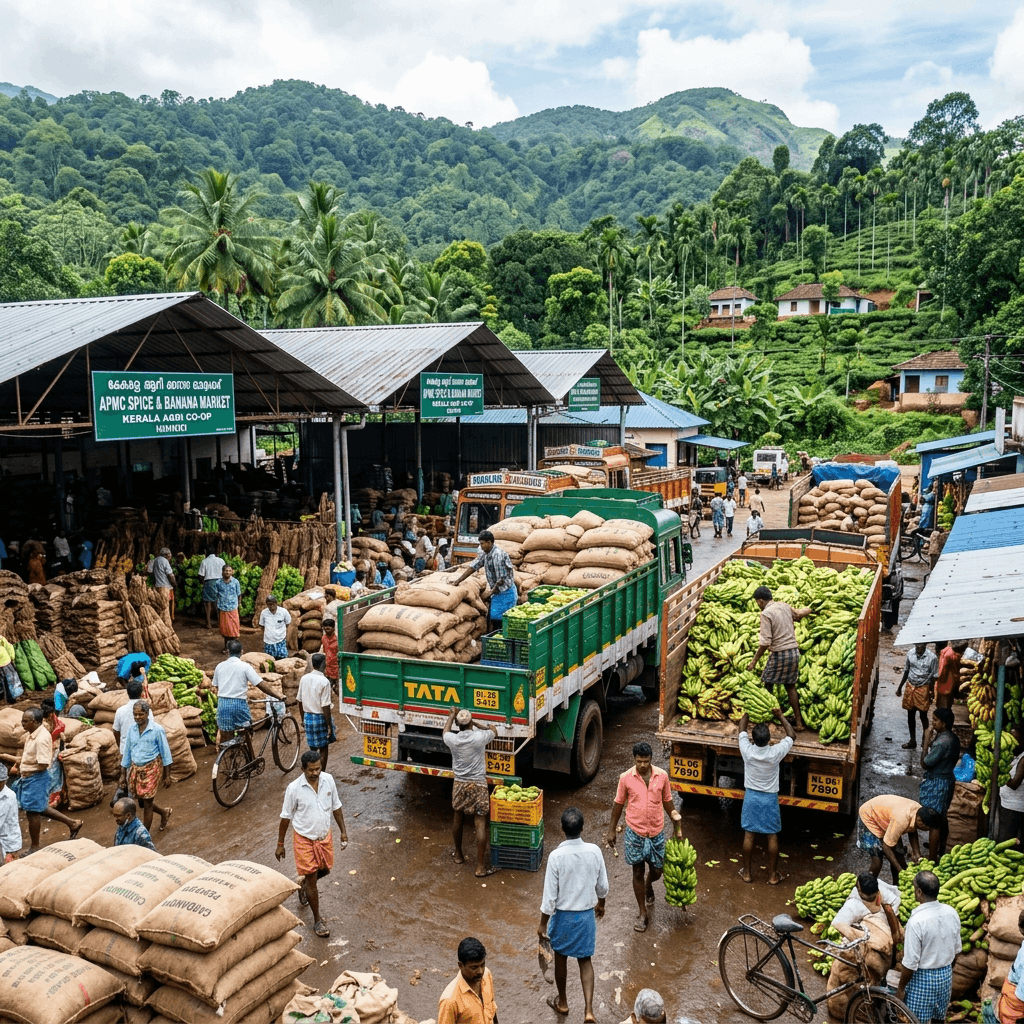
Kerala's spice trade is coordinated through dedicated auction centers, the Vegetable and Fruit Promotion Council Keralam (VFPCK) networks, and spice producer cooperatives. Certified organic cardamom, black pepper, ginger, and turmeric command a 30% to 50% price premium over conventional crops. Exporters and spice brands bid actively on crops grown using natural inputs like Mitti Gold vermicompost and composted cow dung manure, as they easily pass international pesticide residue tests. The assaying process at these markets evaluates quality parameters such as piperine content in pepper, moisture content, and essential oil percentages in cardamom. Incorporating Mitti Gold agricultural charcoal, pure cow dung powder, and vermiwash ensures a high-grade, residue-free harvest that consistently clears these tests. Direct trading via e-NAM or cooperative networks ensures transparent auctions, eliminating local middlemen cartels and commission agents who reduce the farmer's profits. Furthermore, the digital bidding process ensures immediate electronic payment directly into the farmer's bank account within 24 hours. This financial security allows farmers to invest in sustainable farming and purchase high-quality organic inputs for the next cropping season. By producing certified organic, high-grade commodities, Kerala's farmers can access premium international markets in Europe, North America, and the Middle East, securing long-term contracts and establishing direct relationships with buyers, ensuring financial stability and rural prosperity.
📅 Official Application & Deadline Guide
⏳
Last Date of Application
Ongoing / Seasonal registration
🌐
Official Portal to Apply
Kerala Department of Agriculture & Development
Apply Online Here ↗
📦 Bulk Orders & Export
Mitti Gold Organic: For bulk orders of all organic fertilizers — Farmers, Nurseries, and Export. WhatsApp: +91 95372 30173
Kerala Spice Trade and Organic Farming FAQ
What is the main marketing network for fruits in Kerala?
The VFPCK (Vegetable and Fruit Promotion Council Keralam) is the main cooperative network, assisting farmers in marketing fruits and vegetables.
How can I control quick wilt in black pepper organically?
Maintain good drainage, apply Trichoderma-enriched Mitti Gold vermicompost, and spray a preventive Bordeaux mixture before monsoon.
Is agricultural charcoal beneficial for laterite soils?
Yes, it is highly recommended as it buffers acidic soils and prevents nutrient leaching during heavy rains.
What is the best organic fertilizer for cardamom?
A combination of composted cow dung manure and organic vermicompost fertilizer provides the balanced nutrients needed for high yield.
How can I sell my organic crop at premium rates in Kerala?
Register with organic certification agencies, join spice producer societies, and trade via dedicated organic auctions or VFPCK.