📅 June 2026 | ✍️ Mitti Gold Organic | 🗂️ Machinery & Markets
Recommended Application Rates of Organic Amendments for Bihar Soils
Bihar's agricultural landscape is characterized by its highly fertile alluvial soils in the Gangetic plains, which are well-suited for a variety of crops but suffer from soil structure degradation due to intensive chemical farming. Key crops like paddy, wheat, maize, banana, litchi, and seasonal vegetables require high organic carbon levels to produce premium yields. For basal application during primary tillage, farmers are advised to apply 3.5 to 4 tons of Mitti Gold composted cow dung manure per acre to restore soil organic carbon. This application helps rebuild the degraded soil structure and increases the soil's moisture-holding capacity, which is essential for sustaining crop growth through dry spells. For high-value fruit crops like the famous Muzaffarpur litchi and Bhagalpur mango, applying 1.5 to 2 tons of Mitti Gold vermicompost per acre during the pre-flowering stage is recommended to boost fruit size, sweetness, and overall quality. This premium vermicompost supplies crucial humic substances and micronutrients that encourage robust bloom development. In the sandy loam soils along the river basins that are prone to rapid nutrient leaching and water loss, incorporating 300 to 450 kg of Mitti Gold agricultural charcoal per acre improves soil moisture retention, stabilizes soil structure, and significantly boosts cation exchange capacity (CEC). This charcoal acts as a sponge, holding onto valuable nutrients that would otherwise wash away. For crop top-dressing during the active vegetative growth phase of cereals and pulses, applying 200 to 250 kg of Mitti Gold pure cow dung powder supplies a steady stream of nitrogen, promoting uniform plant growth and increasing grain weight. Furthermore, applying liquid vermiwash as a foliar spray at a rate of 10 to 15 liters per acre, diluted with water, provides instant nutrition during critical flowering and grain-filling stages. By combining these organic inputs in balanced proportions, farmers in Bihar can establish a self-sustaining agricultural system that relies less on synthetic fertilizers, protects the environment, and maximizes yield potentials. This comprehensive nutritional strategy addresses both macronutrient demands and micronutrient deficiencies, ensuring that the soil retains its fertility over successive planting seasons. Additionally, the integration of these organic elements helps buffer the soil against pH fluctuations, which can often restrict nutrient availability in Bihar's diverse soil profiles, ranging from light sandy loams to heavy clay soils.
How to Apply Organic Amendments in Bihar's Agricultural Cycles
The successful integration of organic amendments depends on the specific crop cycle and irrigation methods. In paddy cultivation, Mitti Gold composted cow dung manure and Mitti Gold agricultural charcoal should be incorporated into the wet soil during the final puddling phase, at least two weeks before transplanting seedlings. This allows the organic material to thoroughly blend with the soil, initiating the decomposition process and releasing essential nutrients right when the young root systems are establishing. For horticultural orchards, particularly banana and mango plantations, Mitti Gold vermicompost is best applied using the ring method. Dig a circular trench about 15 cm deep along the canopy drip line of the trees, mix the excavated soil with the organic vermicompost, refill, and irrigate immediately. When to apply: Basal applications should be completed in June before the Kharif sowing and in October for Rabi sowing. In maize fields, top-dress with Mitti Gold pure cow dung powder during the active vegetative stage (knee-high stage) and follow with light irrigation to wash the nutrients down into the root zone. Applying agricultural charcoal is particularly beneficial in flood-prone North Bihar soils as it maintains aeration, prevents soil compaction, and avoids root rot during periods of waterlogging. To supplement root uptake, farmers should spray liquid vermiwash diluted with water at a 1:10 ratio during the active growth phase, specifically targeting the underside of leaves for maximum absorption. This foliar application stimulates metabolic activities, increases chlorophyll content, and helps plants withstand climatic stress, such as sudden temperature rises or temporary drought. By scheduling these applications in sync with local weather patterns and crop growth stages, Bihar's farmers can ensure that their crops receive a continuous supply of vital nutrients, resulting in healthier crops and more robust harvests that stand out in local and national markets. Furthermore, applying agricultural charcoal alongside composted cow dung manure during land preparation creates a long-lasting reservoir of nutrients. The highly porous structure of the charcoal acts as a biological magnet, preventing the leaching of water-soluble nutrients from the manure during heavy monsoon downpours. By matching application techniques to the specific soil moisture levels and crop requirements, farmers can dramatically reduce input wastage, build long-term soil resilience, and achieve sustainable productivity year after year.
1
Basal Soil Enrichment
Broadcast composted cow dung manure and agricultural charcoal during land preparation to increase soil carbon and water retention.
2
Split Top-Dressing
Apply organic vermicompost fertilizer and cow dung powder near the root zone during early growth stages to supply continuous nutrition.
3
Post-Harvest Protection
Grade the harvested crops and store them with agricultural charcoal packets to absorb moisture and prevent mold before auctioning.
Outcome Comparison: Organic Farming vs. Conventional Chemical Farming in Bihar
Comparing crop performance under organic management using Mitti Gold vermicompost against chemical-intensive cultivation in Bihar highlights major quality differences. Conventional chemical farming, which relies heavily on urea and DAP, leads to soil compaction, depletion of organic matter, and rapid loss of crop vigor during dry spells. Over time, chemical inputs disrupt the natural balance of the soil, rendering crops highly dependent on frequent irrigation and synthetic crop protection. In contrast, soils managed with organic amendments like composted cow dung manure retain moisture longer, support deep root systems, and maintain a crumbly, porous structure. Organically grown litchis and mangoes exhibit a higher sugar content (Brix level), superior skin texture, and a longer shelf life, which are crucial for long-distance transport to national markets without spoilage. Rice crops grown with organic amendments produce bolder grains with less breakage during milling, giving farmers a significant advantage over chemically grown grain. Moreover, incorporating agricultural charcoal into the soil provides a permanent improvement in soil aeration and water retention, which chemical fertilizers simply cannot replicate. In sugarcane and maize, organic cultivation yields crops with thicker stalks and higher juice quality, while chemical farming often results in quick vegetative growth followed by lodging and susceptibility to pests. The application of pure cow dung powder and periodic sprays of vermiwash provide balanced micro-nutrients that chemical fertilizers lack, resulting in crops that are naturally more resilient, flavorful, and nutrient-dense. Consequently, organic produce fetches higher premium prices at auctions, whereas conventional crops face market saturation and declining margins due to rising chemical input costs. Furthermore, the ecological impact of organic cultivation extends beyond the farm gate. While conventional farming causes chemical run-offs that contaminate local water bodies and harm aquatic ecosystems, organic practices keep nutrients locked within the soil matrix. Bihar's organic farms show a remarkable capacity to recover from environmental shocks, such as late monsoons or sudden heatwaves, because the organic matter acting as a buffer retains soil moisture and cool root temperatures. This stability not only secures the farmer's seasonal income but also preserves the land's agricultural value for future generations, making organic farming a far superior and more profitable option in the long run.
Stimulating the Rhizospheric Micro-Life in Bihar's Alluvial Soils
Bihar's alluvial soils, though naturally fertile, require active biological activity to unlock essential nutrients. Incorporating highly porous Mitti Gold agricultural charcoal provides a permanent physical habitat that protects beneficial soil microbes, such as Azotobacter (nitrogen-fixing) and Pseudomonas (phosphate-solubilizing bacteria), from extreme temperatures and chemical inputs. When combined with the carbon-rich matter in composted cow dung manure, these microbes thrive and form extensive symbiotic networks with crop roots. This microbial activity converts bound phosphorus, potash, and micronutrients into plant-absorbable forms, leading to robust root development and encouraging the growth of native earthworms, which naturally aerate the soil. The presence of Mitti Gold vermicompost further inoculates the soil with millions of active, beneficial microorganisms, enzymes, and plant growth hormones that stimulate root elongation and cell division. As earthworms ingest and process this organic material, they create channels that improve soil porosity and drainage, making it easier for crop roots to penetrate deeper into the subsoil. Additionally, periodic applications of liquid vermiwash act as a biostimulant, feeding the beneficial bacteria on the leaf surfaces and in the immediate root zone (rhizosphere). This rich biological activity forms a living barrier around the plant roots, preventing harmful pathogens from establishing themselves. Over time, the soil becomes a self-nourishing ecosystem where organic matter is constantly recycled, maintaining optimal soil health and fertility without the need for synthetic microbial inoculants. The synergistic combination of pure cow dung powder and agricultural charcoal ensures that the biological engine of Bihar's soils remains highly active, guaranteeing sustained crop productivity and long-term soil health. This biological reactivation is particularly crucial in areas that have suffered from years of intensive chemical farming, which has sterilized the soil and killed off the native microbial population. By supplying a constant source of complex carbon and a safe physical shelter within the charcoal's micro-pores, farmers can kick-start the soil's natural regenerative processes. As the microbial population recovers, they secret organic acids and sticky substances called glomalin, which bind soil particles into stable aggregates. This aggregation prevents soil erosion during heavy rains and improves oxygen diffusion within the root zone, ensuring that the crops' respiratory demands are met even during heavy monsoonal phases.
Natural Disease Resistance and Crop Protection in Humid Climates
Humid conditions in Bihar often encourage fungal diseases like late blight in potato, root rot in pulses, and fruit rot in banana. Chemical pesticides leave harmful residues, increase production costs, and cause pest resistance. Organic farmers manage these diseases by blending Trichoderma-enriched Mitti Gold vermicompost into the soil during sowing or transplanting. This bio-control agent establishes a protective barrier around the root zone, suppressing soil-borne pathogens. When to apply: Use this enriched mix during basal preparation. Regular sprays of diluted fermented cow urine and neem seed kernel extract repel sucking pests like thrips and whiteflies, preventing the spread of viral diseases naturally. In addition, applying composted cow dung manure and agricultural charcoal strengthens the plant's cell walls, making it physically harder for pests and pathogens to penetrate the plant tissues. The charcoal helps absorb and neutralize soil toxins and harmful chemical residues, creating a cleaner, healthier root environment. Spraying diluted vermiwash onto the crop canopy forms a protective microflora layer on the leaves, which outcompetes fungal spores and reduces the incidence of foliar diseases like powdery mildew and leaf spot. For crops like paddy, using pure cow dung powder during soil preparation introduces beneficial antagonistic bacteria that suppress bacterial leaf blight. By avoiding harsh chemical fungicides, farmers also preserve natural predators like ladybird beetles and lacewings, which act as a natural defense system against common crop pests. This integrated organic protection strategy not only reduces the dependency on expensive chemical sprays but also ensures that the harvested produce is completely free of chemical residues, making it highly attractive to health-conscious consumers and export markets. Furthermore, these biological protection methods work in tandem with the plant's own systemic acquired resistance (SAR). The presence of humic and fulvic acids in the vermicompost triggers the plant's defense genes, preparing it to fight off infections before they can establish. This preventative approach is far more effective and sustainable than the reactive chemical spraying common in conventional farming. It protects the crop throughout its lifecycle, minimizing yield losses during peak disease seasons and ensuring that the harvest is clean, safe, and highly marketable. As a result, farmers can avoid the vicious cycle of pest resurgence and secondary pest outbreaks that are frequently triggered by broad-spectrum chemical insecticides, maintaining a balanced and stable farm ecosystem.
Premium Organic Sales and e-NAM Trading at Bihar APMCs
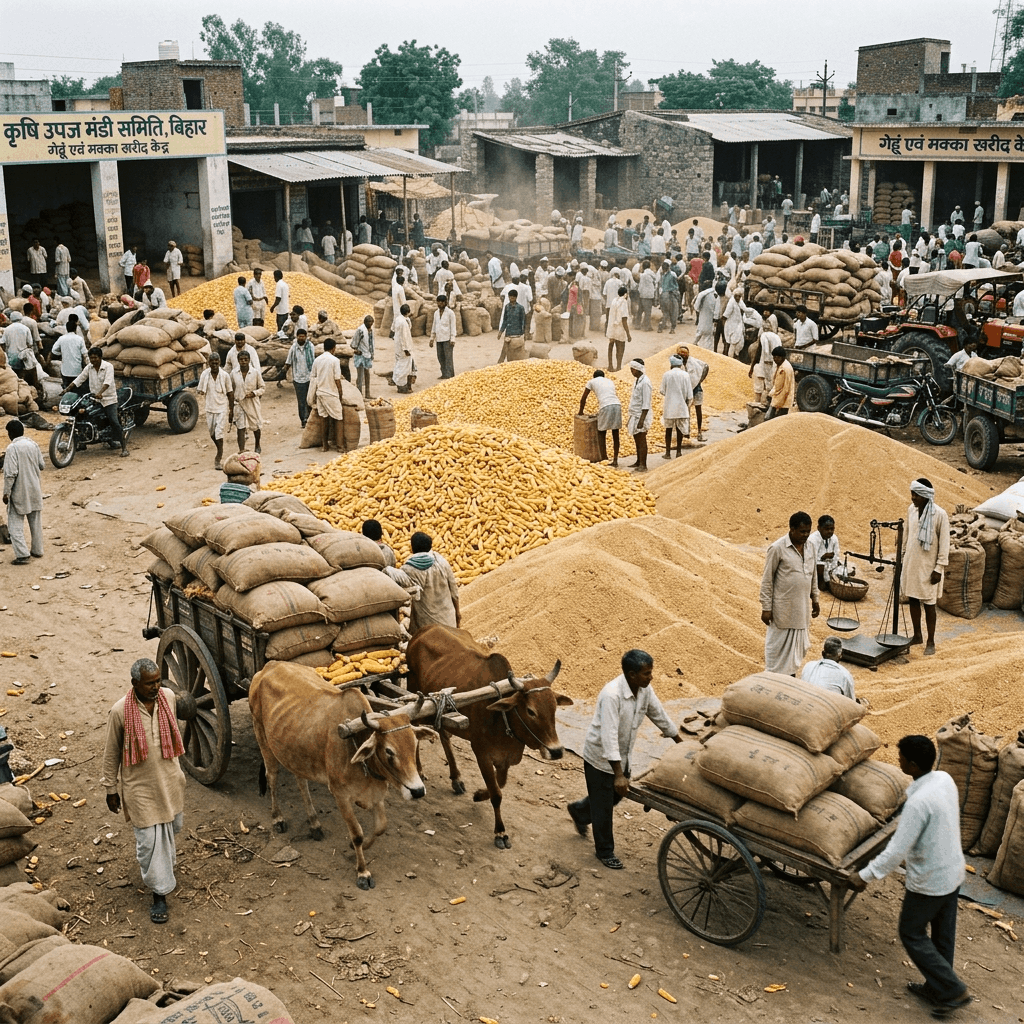
Although Bihar repealed its APMC Act in 2006, agricultural trade is actively managed through Primary Agricultural Credit Societies (PACS), private trade centers, and e-NAM enabled market yards. Certified organic produce, particularly organic rice, maize, and high-quality fruits, commands a price premium of 35% to 50% in modern markets. Buyers, exporters, and organic food processing brands look for crops grown using organic amendments like Mitti Gold vermicompost. By securing organic certification and listing crops on the e-NAM platform, farmers can bypass local intermediaries, access direct purchase agreements, and receive secure, timely electronic payments. Using agricultural charcoal and composted cow dung manure improves the physical appearance, size, and shelf life of the harvested crops, making them highly competitive in national auctions. The use of pure cow dung powder and vermiwash guarantees chemical-free produce, which is a major selling point for high-value export markets. Exporters from nearby hubs like Kolkata and Patna actively seek out organic basmati rice and premium maize from Bihar for shipments to Europe and North America. When listing crops on digital platforms, farmers can upload quality assaying reports that prove the use of organic amendments and the absence of pesticide residues, allowing them to attract top bids from corporate buyers. This direct access to nationwide buyers reduces transaction costs and transportation risks for smallholder farmers. By transitioning to organic cultivation and utilizing electronic trading channels, Bihar's agricultural community can transform farming from a subsistence activity into a highly profitable commercial enterprise, driving economic development across the rural sectors of the state. In addition, the rising demand for organic baby foods, health supplements, and packaged cereals in urban centers has opened up lucrative opportunities for contract farming in Bihar. Food processing companies are increasingly willing to enter into pre-harvest agreements with farmer groups who strictly use natural inputs such as composted cow dung manure and vermiwash. These agreements provide farmers with guaranteed pricing and financial security, eliminating the price volatility associated with local trade. By focusing on quality and leveraging digital platforms, Bihar's farmers can tap into these high-value supply chains, boosting their household incomes and establishing a prestigious reputation for Bihar's organic produce on the global stage.
📅 Official Application & Deadline Guide
⏳
Last Date of Application
Ongoing / Seasonal registration
🌐
Official Portal to Apply
Bihar Directorate of Agriculture
Apply Online Here ↗
📦 Bulk Orders & Export
Mitti Gold Organic: For bulk orders of all organic fertilizers — Farmers, Nurseries, and Export. WhatsApp: +91 95372 30173
Bihar APMC and Organic Farming FAQ
How can Bihar farmers sell their crops after the APMC repeal?
Farmers can sell their crops through local PACS (Primary Agricultural Credit Societies), private trade platforms, or register at e-NAM enabled yards to reach national buyers.
What is the best organic amendment for Muzaffarpur litchi orchards?
Applying a combination of Mitti Gold organic vermicompost fertilizer and agricultural charcoal around the root zone ensures excellent fruit size, sweetness, and shelf life.
Why is agricultural charcoal useful in flood-prone North Bihar?
Mitti Gold agricultural charcoal improves soil porosity and structure, helping prevent soil compaction and root rot during periods of waterlogging.
How does composted cow dung manure improve clayey soils?
Mitti Gold composted cow dung manure adds organic carbon, which loosens heavy clay soils, improves drainage, and increases microbial activity.
Can I get a premium price for organic maize in Bihar?
Yes, certified organic maize used for food processing and export commands a 30% to 40% premium when traded through verified channels and e-NAM.