📅 June 2026 | ✍️ Mitti Gold Organic | 🗂️ General Guides
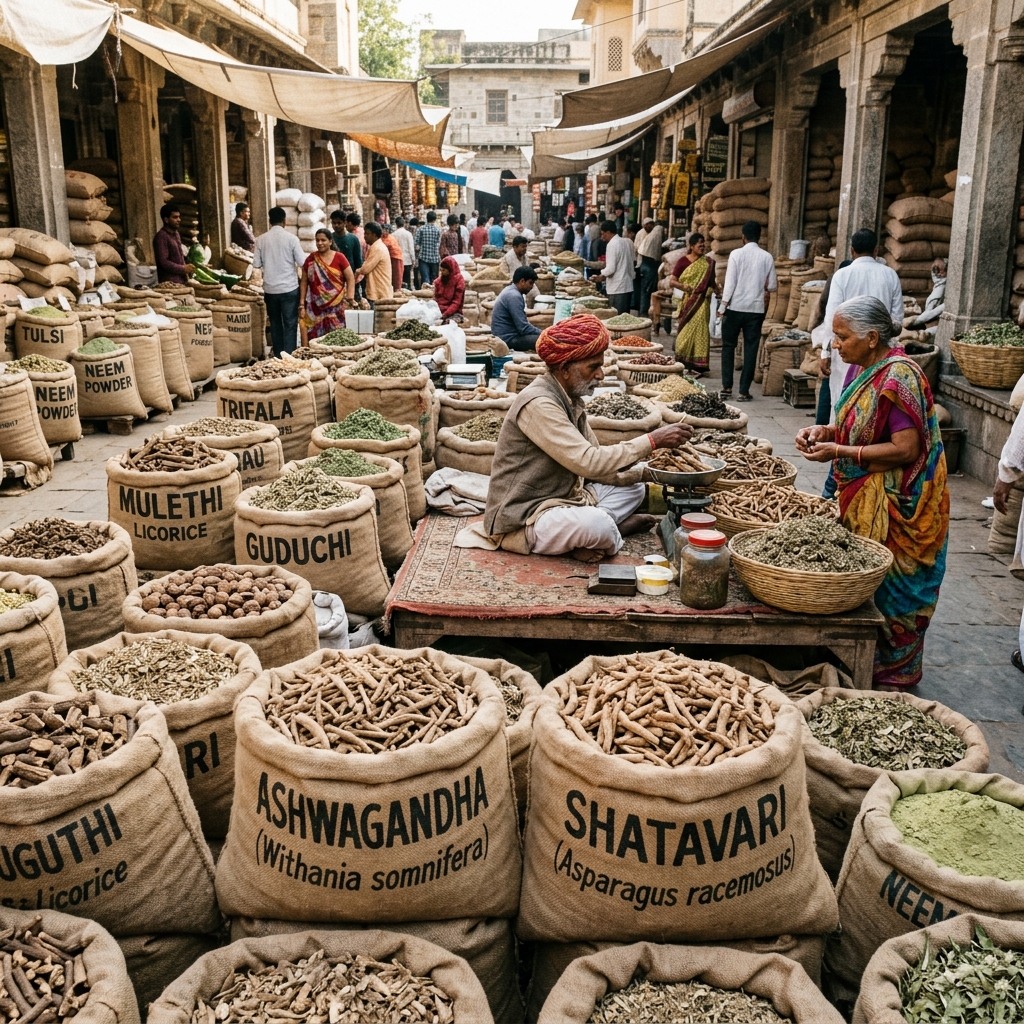
Nutrient Schedules and Application Rates for Medicinal Herbs
Commercial cultivation of Indian medicinal plants like Ashwagandha (Withania somnifera), Tulsi (Ocimum sanctum), Aloe Vera, Giloy, and Shatavari is a highly lucrative venture. For medicinal plants, quality is measured by the concentration of active ingredients (like withanolides in Ashwagandha or ursolic acid in Tulsi). Chemical fertilizers often decrease these active compounds. The recommended organic application rate is 4 to 5 tons of composted cow dung manure and 1.5 tons of premium Mitti Gold vermicompost per acre. During soil preparation, incorporating 200 kg of agricultural charcoal improves soil structure and drainage. Applying 200 kg of pure cow dung powder as a top dressing during the active vegetative growth phase provides a slow-release nutrient source that supports healthy herb development. To further enhance alkaloid synthesis and root elongation in tuberous crops like Shatavari and Ashwagandha, farmers should apply a foliar spray of vermiwash diluted at 1:10 every fortnight. In heavy clay soils, increasing the dosage of agricultural charcoal to 300 kg per acre is highly recommended to prevent waterlogging and soil compaction, which are major causes of root rot. Composted cow dung manure should be broadcasted evenly and mixed into the topsoil during the summer plowing phase. Pure cow dung powder can also be applied as a localized treatment along the rows during weeding. For commercial growers looking to optimize active ingredient profiles, combining these organic inputs ensures that the plants receive a balanced supply of phosphorus, potassium, and trace elements without the rapid, watery growth associated with synthetic fertilizers. Regular soil testing should be conducted to monitor microbial levels and humic acid content, and the organic fertilization schedule can be adjusted to ensure that the crops receive continuous nutrition during their entire lifecycle, leading to premium, high-potency herbal raw materials. Furthermore, for secondary crops like Giloy and Tulsi, applying a light top dressing of 100 kg of vermicompost and 50 kg of pure cow dung powder after each harvest cycle helps the plants recover quickly and initiates a strong secondary growth phase. This continuous feeding prevents the plants from exhausting their nutrient reserves, ensuring that subsequent harvests are just as rich in essential oils and active bio-compounds as the first harvest, maximizing the farm's annual yield and profit margins.
How to Prepare Soil and Sow Medicinal Crops Organically
Sowing and cultivating medicinal plants requires specific soil preparation based on the crop type. Prepare well-pulverized, raised beds for crops like Ashwagandha and Shatavari, which require loose soil for root development. Mix the composted cow dung manure and vermicompost into the beds before sowing or transplanting. When to apply: Sow seeds or transplant saplings in July-August during the monsoon season. For Aloe Vera, plant suckers on ridges with a spacing of 60 cm x 60 cm. To optimize the active ingredients, avoid over-watering; apply water only when the topsoil is dry. Spread a thin layer of agricultural charcoal around the base of the herbs to regulate soil moisture and prevent fungal diseases in the root zone. To maximize transplant survival and seedling health, treat seeds or root dips in a 10% vermiwash solution for 30 minutes before planting. For field establishment, mix 50 grams of Mitti Gold vermicompost and 10 grams of agricultural charcoal directly into the planting pits for crops like Tulsi and Giloy. During the vegetative stage, apply 100 grams of pure cow dung powder per plant around the root zone, working it gently into the soil. For drip-irrigated medicinal gardens, prepare a liquid organic tea by fermenting 5 kg of composted cow dung manure and 1 kg of agricultural charcoal in 100 liters of water for 3 days, filter it, mix it with 10 liters of vermiwash, and apply it through the irrigation system every 20 days. This natural liquid fertilizer provides a slow, steady release of essential nutrients, keeping the soil porous and preventing salt buildup. Additionally, when the crops enter the pre-harvest drying phase, which is critical for root crops like Ashwagandha, irrigation should be completely suspended to encourage the roots to dry and concentrate their active alkaloids. A final foliar spray of vermiwash at a 1:5 dilution 15 days before harvest helps enhance the leaf glossiness and essential oil concentration in aromatic herbs like Tulsi. Following this systematic organic protocol ensures that growers produce a clean, premium-grade medicinal crop that commands high prices in the pharmaceutical and wellness markets.
1
Soil and Bed Prep
Dig the soil to a fine tilth and mix in composted cow dung manure, vermicompost, and agricultural charcoal.
2
Planting and Nursery
Raise healthy seedlings of Tulsi or Ashwagandha, or plant Aloe Vera suckers on raised beds.
3
Water Management and Feeding
Apply water sparingly, add top-dressings of vermicompost, and harvest at the peak active-ingredient stage.
Outcome Comparison: Organic Medicinal Plants vs. Chemical Cultivation
Comparing medicinal plants grown organically using a combination of Mitti Gold vermicompost, agricultural charcoal, and natural inputs against those treated with synthetic chemical inputs reveals massive biological, quality, and economic differences:
- Higher Concentration of Active Secondary Metabolites: Organically grown herbs contain significantly higher concentrations of active medicinal alkaloids, essential oils, and withanolides. Chemical fertilizers often cause rapid, watery growth with lower active compounds. The presence of agricultural charcoal and organic vermicompost helps release nutrients slowly, ensuring that the plant allocates energy towards secondary metabolite synthesis rather than excessive vegetative growth, yielding higher potency herbal raw materials. This premium quality is highly valued by pharmaceutical manufacturers.
- Zero Chemical Contamination and Heavy Metal Compliance: Pharmaceutical and Ayurvedic companies require pesticide-free, heavy-metal-free raw materials. Organic herbs easily pass strict quality tests, while chemically grown herbs face rejection. Using composted cow dung manure and pure cow dung powder ensures that no chemical residues enter the plant tissues, making the harvest highly safe for therapeutic use and premium international export markets. This builds trust with wellness brands.
- Healthy Soil Biology and Disease Suppression: Organic inputs keep the soil micro-life active, ensuring sustainable cultivation, while chemical fertilizers degrade the soil over time. The application of vermiwash introduces beneficial enzymes and microbes that colonize the root zone, protecting the crop from root rot and other soil-borne diseases. This active biological defense maintains the long-term health and productivity of the medicinal herb field, allowing farmers to cultivate premium crops continuously.
Nourishing Rhizosphere Micro-Flora for Herb Quality
The rhizosphere (root zone) of medicinal plants plays a key role in synthesizing active compounds. Applying organic composted cow dung manure feeds the beneficial soil bacteria and mycorrhizal fungi. The porous structure of Mitti Gold agricultural charcoal provides safe shelters for these microbes. This active micro-life assists the plant roots in absorbing key trace minerals like iron, boron, and zinc, which act as catalysts in the biosynthesis of medicinal compounds, resulting in high-potency herbal raw materials. Adding Mitti Gold vermicompost introduces a high density of earthworms and humic compounds that improve the soil's structure and water-holding capacity. Drenching the soil with vermiwash and applying pure cow dung powder further stimulates the multiplication of these beneficial soil microbes, creating a lively rhizosphere. As these microbes decompose the organic inputs, they produce substances that improve soil structure and water-holding capacity, preventing root rot. This active soil food web protects the plant roots from pests, ensuring a healthy, high-yielding medicinal crop that can withstand environmental stress and produce premium quality roots and leaves for the commercial market. Furthermore, the presence of mycorrhizal fungi, which are supported by this organic substrate, extends the root system's reach, allowing the herbs to absorb water and nutrients from a larger volume of soil. This is particularly beneficial for drought-resistant crops like Ashwagandha and Aloe Vera, as it helps the crop stay healthy and productive during dry spells. The biological activity also increases the availability of native soil minerals, reducing the dependency on synthetic inputs and building a sustainable, long-term soil ecosystem that continues to yield high-quality medicinal plants year after year, protecting the region's environment and promoting agricultural sustainability.
Natural Disease and Pest Protection in Herb Farms
Medicinal crops are vulnerable to leaf spots, root rot, and sucking pests. Chemical pesticides cannot be used as they contaminate the herbal harvest. Organic growers prevent these issues naturally. Spraying a 10% solution of fermented cow urine mixed with neem oil repels insects and prevents fungal leaf diseases. When to apply: Spray as a preventive measure every 15 days starting from the early vegetative stage. Incorporating Trichoderma-enriched organic vermicompost in the soil protects root-crops like Shatavari and Ashwagandha from root rot pathogens. To strengthen this protective barrier, incorporating Mitti Gold vermicompost and composted cow dung manure into the root zone introduces beneficial microbes like Bacillus subtilis, which actively compete with pathogens. Applying agricultural charcoal in the soil mix helps hold these beneficial bio-agents in the rhizosphere, extending their protective action. For foliar protection, spraying a strained liquid extract of cow urine, neem leaves, and ginger onto the crop canopy acts as a natural deterrent against chewing insects and fungal pathogens. Drenching the soil with vermiwash provides a quick boost of plant-available nutrients and enzymes, which help the plant recover from pest damage and build systemic resistance. Incorporating agricultural charcoal helps adsorb and hold the defensive compounds in the soil, preventing them from leaching. This integrated natural pest and disease control strategy allows medicinal farmers to grow healthy, high-yielding crops without using hazardous chemical pesticides, ensuring a clean and safe harvest that meets international export quality standards. Additionally, the silica and calcium present in composted manure and pure cow dung powder help strengthen the cell walls of the plant leaves, making them physically tougher and less susceptible to the feeding activities of sucking pests like thrips and mites. The physical barrier created by agricultural charcoal and organic mulch also prevents weeds from growing in the early stages, reducing competition for water and nutrients, and ensuring that the young plants have a clean, protected root zone that supports healthy growth.
Commercial Demand and Ayurvedic Pharma Supply Chain
The global market for Ayurvedic medicines, herbal supplements, and natural cosmetics is booming. Major Ayurvedic pharmaceutical companies (like Patanjali, Dabur, and Himalaya) and exporters buy organic medicinal herbs in bulk. Certified organic herbs command a price premium of 50% to 100% over conventional crops. By organizing into FPOs and using premium inputs like Mitti Gold vermicompost, farmers can sign direct buy-back agreements with pharma companies, ensuring guaranteed markets and high profits. Blending these medicinal plant amendments with agricultural charcoal and composted cow dung manure has allowed farmers to produce premium herbs that meet global market standards. Adding pure cow dung powder and using vermiwash sprays help lower production costs and increase the overall profit margins of herb growers. International buyers from Europe and North America enforce strict pesticide residue levels, making organic herbs highly valuable. This commercial interest has led to the creation of organic farming clusters in major medicinal-growing states, where FPOs organize farmers to grow and process organic herbs collectively. By establishing direct export linkages and using sustainable farming practices, herb growers can secure long-term financial stability, while protecting the region's environment and promoting the global reputation of Indian organic medicinal plants. Additionally, the development of localized value-added products like organic herbal extracts and essential oils has allowed FPOs to process raw herbs directly, turning them into high-value products that can be sold year-round, thereby eliminating waste and maximizing farm revenue.
📦 Bulk Orders & Export
Mitti Gold Organic: For bulk orders of all organic fertilizers — Farmers, Nurseries, and Export. WhatsApp: +91 95372 30173
Medicinal Plants Cultivation FAQ
Which medicinal plant is most profitable for commercial farming?
Ashwagandha, Shatavari, and Aloe Vera are highly profitable due to their high demand and relatively low maintenance costs.
Why are chemical fertilizers avoided in medicinal farming?
Chemical fertilizers dilute the concentration of active medicinal compounds (alkaloids, essential oils) and leave harmful chemical residues.
What is the role of agricultural charcoal in root-crop herbs?
It keeps the soil loose and well-aerated, preventing waterlogging and root rot in crops like Ashwagandha and Shatavari.
Can Tulsi be grown year-round?
Yes, Tulsi is a perennial herb that can be harvested multiple times a year, though it requires protection from extreme frost in winter.
How is the quality of medicinal herbs tested?
Quality is tested in laboratories using techniques like HPLC to measure active alkaloids, and testing for heavy metals and pesticide residues.