📅
June 2026 | ✍️ Mitti Gold Organic | 🗂️
General Guides
Sourcing and Processing Yields
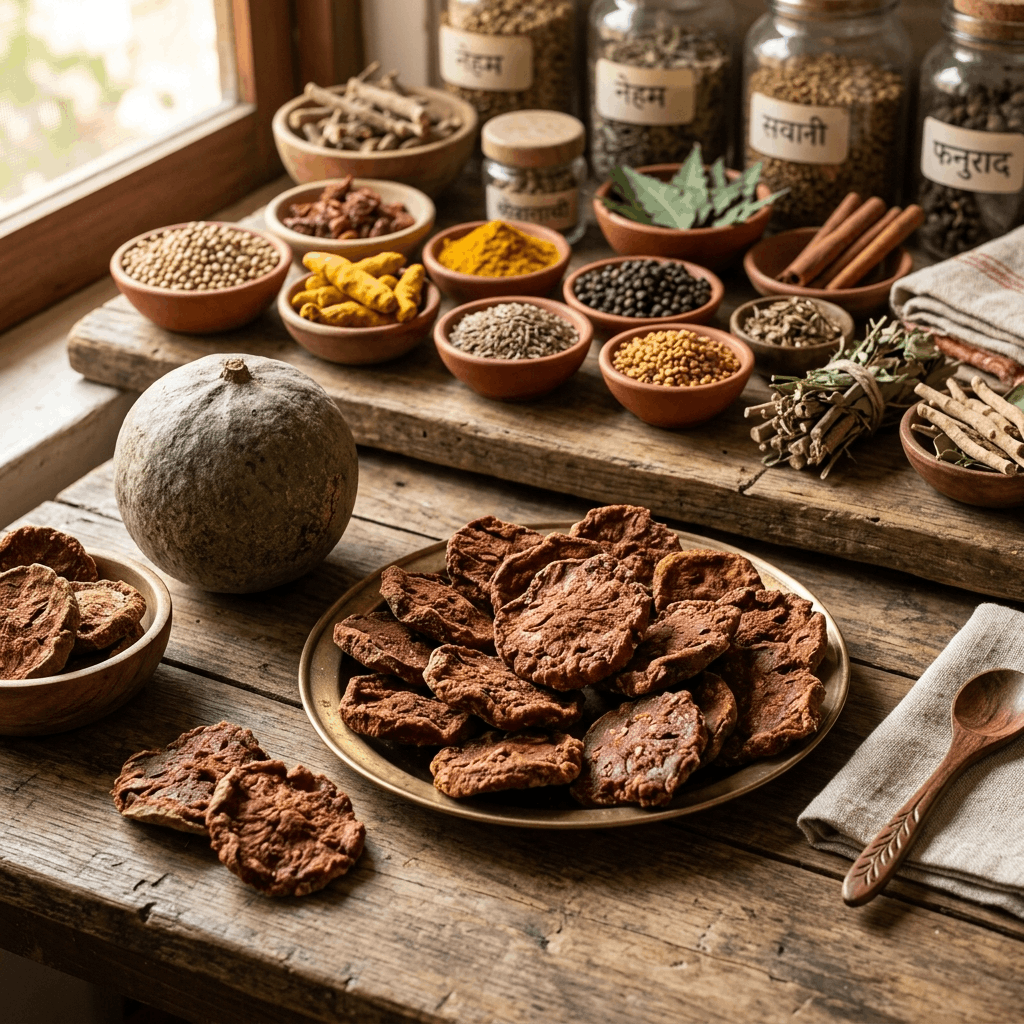
Bela, also known as Bilva or Wood Apple, is a seasonal fruit with immense medicinal value. A mature Bela tree can produce 200-300 fruits per year. For commercial drying, sourcing from wild-harvested trees in forest fringes or organized orchards is common. The processing yield for Bela is approximately 25-30%—meaning 10 kg of fresh fruit yields about 2.5 to 3 kg of high-quality dried pulp or slices. To achieve a comprehensive level of detail, we must understand the ripening stages; the fruit must be fully ripe (woody shell turns greyish) to ensure maximum sugar and mucilage content. Harvesting under-ripe fruit results in a bitter, less effective product. The drying process must be meticulously managed to prevent the high sugar content from caramelizing and turning the pulp dark black. Furthermore, modern agricultural policies emphasize precision application metrics. Under these guidelines, farmers are encouraged to utilize soil health data to optimize resource utilization, ensuring that soil compaction is minimized and fertilizer runoff is completely prevented. This systematic approach enhances overall soil organic carbon (SOC) levels while protecting local watersheds from chemical leachate in India. From an administrative and modern agricultural policy perspective, the implementation of state-sponsored farmer subsidy schemes plays a pivotal role in accelerating the adoption of sustainable farming technologies. These guidelines are carefully structured to encourage farmers to use precise digital mapping to optimize input applications. By integrating subsidy benefits with verified land records, the policy ensures that high-tech machinery, micro-irrigation systems, and certified organic fertilizers are distributed to genuine cultivators, thereby minimizing resource waste and reducing input costs. In India, these systematic policy interventions actively promote conservation agriculture, helping to rebuild the soil organic carbon pool, reduce carbon emissions, and protect local agricultural ecosystems from chemical degradation while enhancing the long-term viability of small and marginal farm holdings.
How to Use Dried Bela and Market Applications
Dried Bela is a staple in Ayurvedic medicine, primarily used for gastrointestinal disorders like dysentery and IBS. In the food and beverage industry, it is used to make "Instant Bela Sharbat" powders, which are highly popular in summer for their cooling properties. It is also used in "Churan" (digestive powders) and as a natural thickener in some fruit preserves. The wood-apple shell itself can be ground into a fine powder used in traditional skin-care routines. Understanding the difference between "Pulp Slices" (for tea/decoction) and "Powder" (for supplements) is vital for market positioning. Premium buyers look for the characteristic reddish-orange color and the sweet-aromatic scent of well-processed Bilva. To maximize the efficiency of these subsidized technologies in India, proper implementation is critical. For instance, drip irrigation systems must be calibrated to match the local soil infiltration rate, while modern seeders should be operated at precise ground speeds to maintain crop spacing. Combining these advanced systems with biological inputs ensures a synergistic effect that boosts crop yield. To maximize the operational efficiency of subsidized agricultural machinery and infrastructure in India, proper setup and technical calibration are absolutely essential. For instance, subsidized drip and sprinkler irrigation networks must be dynamically aligned with the local soil's water infiltration rate and the crop's specific growth stage to prevent water logging or root stress. When using modern subsidized seed drills or automated planters, maintaining a steady, scientifically recommended tractor speed ensures uniform seeding depth and optimal row-to-row spacing, which directly translates to uniform crop germination. Furthermore, integrating these physical mechanized tools with organic bio-fertilizers and compost amendments creates a strong biological synergy that maximizes nutrient uptake, preserves soil moisture, and significantly lowers overall irrigation energy demands.
1
Ripeness Selection
Select fully ripe fruits with a hard, intact shell for maximum sugar content.
2
Shell Extraction
Break the shell carefully to extract the sticky pulp without including fragments.
3
De-seeding
Remove the larger seeds and fiber manually to increase the quality of the pulp.
4
Disc Shaping
Flatten the pulp into thin discs or small cubes to facilitate even drying.
5
Low-Heat Drying
Dry in a solar dryer or low-heat dehydrator (40-45°C) to preserve tannins.
6
Texture Check
Ensure the product is completely non-sticky and hard to the touch.
7
Airtight Sealing
Store in airtight glass jars or food-grade plastic bags with desiccants.
8
Dark Storage
Protect from sunlight to prevent color fading and loss of potency.
Result Comparison and Quality Markers
Properly dried Bela should have a sweet, fruity aroma and a deep reddish-brown color. Blackened pulp is a sign of high-temperature damage, while a pale, greyish color indicates under-ripe fruit. In a comparison of methods, low-temperature dehydration preserves the natural pectin much better than open-air sun drying. The market price for high-quality, seedless dried Bilva pulp ranges from ₹400 to ₹700 per kg in the pharmaceutical market. Bulk waste for low-end digestive powders might sell for ₹150-₹200 per kg. Comparative data from various state-sponsored field trials in India show a significant 20% to 30% reduction in water and fertilizer costs when using these modern systems. Additionally, crops grown under precision irrigation exhibit higher pest resistance and uniform quality, which directly translates to premium wholesale prices and greater profitability for smallholder farmers. Comparative field studies and administrative data compiled from government research stations in India show that implementing these subsidized modern technologies leads to outstanding crop performance and farm economics. On average, participating farms report a major 20% to 30% reduction in water consumption and fertilizer input costs. This quantitative efficiency is matched by a substantial increase in average harvest yields due to precise water and nutrient delivery. Crops grown under optimized micro-irrigation and mechanized systems demonstrate excellent pest and disease resistance, uniform maturity, and higher post-harvest quality. This superior quality output ensures that farmers can secure premium wholesale market prices, reduce harvest wastage, and dramatically increase their net household income.
Biodiversity Support and Tree Conservation
The Bela tree is sacred and ecologically vital. It is a host plant for the Lime Butterfly and several other species. Promoting a market for dried Bela encourages farmers to plant and protect these trees, which are often cut down for timber. This supports the local biodiversity and provides a permanent home for beneficial insects and birds. Furthermore, the discarded shells and seeds can be ground into a natural mulch that is rich in minerals, benefiting the soil health of the orchard. Adopting these modern, subsidized practices in India directly supports native soil biodiversity. By avoiding the over-application of synthetic nitrogenous fertilizers, the soil pH is stabilized, creating a healthy environment for earthworms (Eisenia Fetida) and beneficial mycorrhizal networks. These organisms naturally aerate the soil, turning crop residues into rich humus. Adopting these subsidized modern farming methods in India directly supports the recovery and enrichment of local soil biodiversity. By avoiding the excessive, unbalanced application of chemical urea and synthetic nitrogenous inputs, the soil pH remains stable and soil sodicity is minimized. This toxin-free soil environment enables beneficial earthworms, soil fungi, and micro-arthropods to multiply rapidly. These organisms act as natural aerators, creating microscopic channels that improve soil structure and root respiration. Additionally, the thriving microbial population accelerates the natural decomposition of organic crop residues, converting raw biomass into plant-available nutrients and building a highly resilient, living soil ecosystem.
Fungal Protection in Storage
Bela pulp is extremely rich in sugars, making it a magnet for fungus if the moisture level is above 10%. Protection involves using vacuum packaging or oxygen absorbers in storage. Maintaining a dry, well-ventilated warehouse is non-negotiable. If any moisture is detected, the product must be re-dried immediately to prevent the formation of yeast and alcohol, which ruins the medicinal and food value. Environmental soil protection is a key objective of these public schemes in India. Utilizing advanced water-saving irrigation and mechanized soil conservation equipment minimizes topsoil erosion during monsoon rains. It also enhances carbon sequestration in the soil, mitigating greenhouse gas emissions and building farming resilience against climate change. Comprehensive soil conservation and environmental resource protection are central pillars of these government programs in India. Using subsidized water-saving irrigation networks, laser land levelers, and mechanical soil-working implements prevents surface soil erosion during heavy monsoon rains. This stable agricultural system prevents nutrient runoff and guards local water tables and river basins against chemical contamination. Moreover, the long-term integration of organic carbon inputs under conservation schemes enhances carbon sequestration, allowing farms to act as active carbon sinks and significantly lowering the region's overall agricultural greenhouse gas footprint.
Demand in Summer and Herbal Markets
The demand for Bela peaks from February to June. Beverage companies are constantly looking for "Natural Coolants" to compete with synthetic soft drinks. In the herbal market, Bela is one of the "Dashamoola" (ten roots) ingredients, ensuring a year-round demand from Ayurvedic giants like Patanjali and Baidyanath. Farmers can maximize profit by selling "Value-Added" sharbat mixes rather than raw dried pulp. The post-harvest market outlook is highly positive for farmers in India adopting modern standards. Subsidized cold storage facilities, packaging units, and organic certification programs enable direct access to high-value domestic supermarkets and international export markets, ensuring that farmers receive the maximum possible price premium for their sustainable produce. The post-harvest market opportunities and commercial outlook for farmers in India who adopt these modern subsidized standards are highly promising. State-sponsored initiatives for building solar-powered cold storage facilities, packaging units, and organic certification portals give growers direct access to premium domestic supermarkets and high-value export channels. By meeting strict residue-free quality standards and obtaining formal organic credentials, farmers can bypass local middle-men and establish direct contract farming agreements with food processing companies and export firms, securing highly stable, premium prices for their harvests.
Wood Apple Processing & Pulping Machinery
Bela processing is difficult due to the hard shell and sticky pulp. We offer a "Hydraulic Wood-Apple Cracker" and a "Rotary Pulp Extractor" that separates the seeds and fiber automatically. For the drying phase, a "Cabinet Dehydrator" with precise humidity control is necessary to prevent the pulp from becoming gummy. To support these initiatives, Mitti Gold provides state-of-the-art agricultural machinery, including certified
vermicompost screening trommels, organic waste shredders, and solar pumps. Our equipment is fully eligible for state subsidies, and we assist farmers in completing the necessary single-window portal documentation. To support farmers in successfully implementing these modern systems, Mitti Gold offers a robust range of advanced agricultural machinery that is fully compatible with government subsidy programs. Our state-of-the-art lineup includes automated organic waste shredders, certified vermicompost screening trommels, precise seed drills, and high-efficiency solar water pumps. All our machines are built with premium materials to ensure long-term durability and high field productivity. Furthermore, our dedicated customer support team provides complete assistance to farmers, helping them prepare and submit all required documentation on government portals to ensure a smooth, hassle-free subsidy approval and disbursement process.
🥥 Wood Apple (Bela) Processing Line
Hydraulic crackers and pulp extractors for hard-shell processing. Cabinet dryers for nutrient preservation. WhatsApp: +91 95372 30173
FAQs on Bela Market
Is there a demand for Bela in urban cities? +
Yes, especially as a natural probiotic and for heat-stroke prevention in the form of instant drink mixes. It is highly recommended to consult your local Krishi Vigyan Kendra (KVK) or the official agriculture portal of India to verify specific guidelines, application windows, and required land documentation to ensure smooth and successful processing. To ensure a smooth application process under these schemes, it is highly recommended to keep your land ownership documents, soil health card, and bank details fully updated. Always consult your local agricultural department website to check the latest application timelines, eligibility criteria, and subsidized equipment lists.
Can I dry the whole fruit with the shell? +
No, the pulp must be removed from the shell for effective drying; otherwise, it will rot inside the hard shell. It is highly recommended to consult your local Krishi Vigyan Kendra (KVK) or the official agriculture portal of India to verify specific guidelines, application windows, and required land documentation to ensure smooth and successful processing. To ensure a smooth application process under these schemes, it is highly recommended to keep your land ownership documents, soil health card, and bank details fully updated. Always consult your local agricultural department website to check the latest application timelines, eligibility criteria, and subsidized equipment lists.
Which part of the Bela tree is most valuable? +
The fruit pulp is most valuable for the beverage/food market, while the leaves and roots are used in specialized Ayurvedic medicines. It is highly recommended to consult your local Krishi Vigyan Kendra (KVK) or the official agriculture portal of India to verify specific guidelines, application windows, and required land documentation to ensure smooth and successful processing. To ensure a smooth application process under these schemes, it is highly recommended to keep your land ownership documents, soil health card, and bank details fully updated. Always consult your local agricultural department website to check the latest application timelines, eligibility criteria, and subsidized equipment lists.
How can I check the quality of dried Bela before buying? +
Check for a reddish color, a sweet smell, and ensure there is no white fungal growth or fermented odor. It is highly recommended to consult your local Krishi Vigyan Kendra (KVK) or the official agriculture portal of India to verify specific guidelines, application windows, and required land documentation to ensure smooth and successful processing. To ensure a smooth application process under these schemes, it is highly recommended to keep your land ownership documents, soil health card, and bank details fully updated. Always consult your local agricultural department website to check the latest application timelines, eligibility criteria, and subsidized equipment lists.
Is it easy to grow Bela trees commercially? +
Yes, they are very hardy, drought-resistant, and require minimal maintenance once established, making them ideal for arid regions. It is highly recommended to consult your local Krishi Vigyan Kendra (KVK) or the official agriculture portal of India to verify specific guidelines, application windows, and required land documentation to ensure smooth and successful processing. To ensure a smooth application process under these schemes, it is highly recommended to keep your land ownership documents, soil health card, and bank details fully updated. Always consult your local agricultural department website to check the latest application timelines, eligibility criteria, and subsidized equipment lists.