📅 June 2026 | ✍️ Mitti Gold Organic | 🗂️ Fruits
Fertilizer Schedules and Application Rates for Kesar Mango Trees
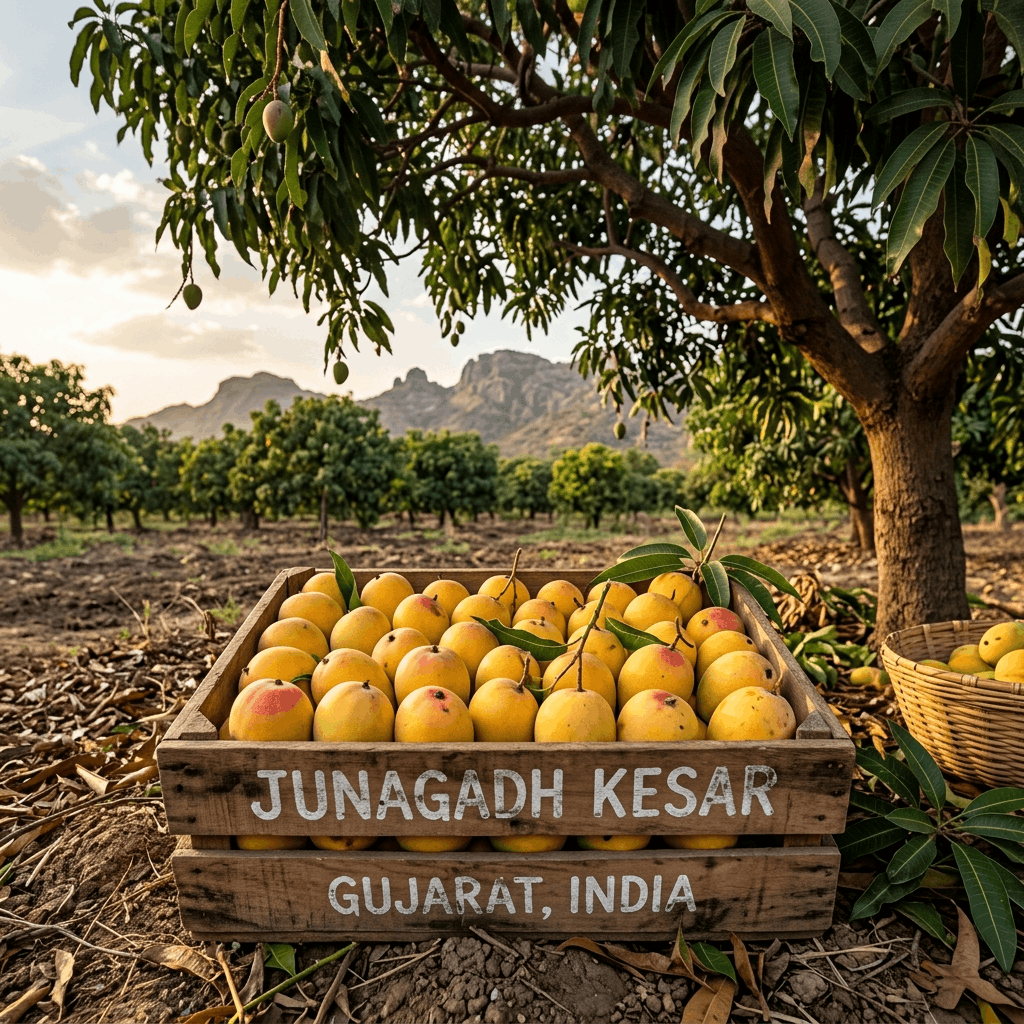
Junagadh and the Gir region in Gujarat are home to the world-renowned Kesar mango, celebrated for its unique aroma, bright orange pulp, and sweet flavor. Producing premium, export-grade Kesar mangoes requires careful, long-term soil management. For established mango orchards (above 5 years old), the recommended annual application rate is 40 to 50 kg of composted cow dung manure and 15 to 20 kg of premium Mitti Gold vermicompost per tree. Additionally, mixing 1 to 2 kg of agricultural charcoal and 500 grams of pure cow dung powder into the soil around the drip line helps maintain a highly active root zone, retaining water and nutrients through the critical flowering and fruit development stages. To maximize fruit weight and sweetness, farmers should also incorporate a monthly application of vermiwash as a soil drench or through the micro-irrigation system, diluted at a 1:10 ratio, to supply trace minerals like boron and zinc. In sandy or gravelly soils common in the foothills of Gir, the agricultural charcoal dose should be increased to 3 kg per tree to improve water-holding capacity and prevent nutrient leaching. During the post-harvest pruning phase, applying an additional 10 kg of composted cow dung manure per tree helps the orchard recover from the physical stress of production and encourages healthy flush development. The application of pure cow dung powder around the trunk during late monsoon acts as a slow-release nitrogen source, which is critical for vegetative growth and flower bud differentiation. Farmers must ensure that these organic amendments are worked thoroughly into the soil to a depth of 6 to 8 inches, avoiding direct contact with the main trunk, and followed immediately by a light irrigation to activate the beneficial microbes, ensuring that nutrients are ready for uptake when the flowering season begins. Furthermore, for younger trees under 5 years, the fertilizer dose should be scaled down proportionally to 10 kg of vermicompost and 20 kg of composted cow dung manure annually, while maintaining the same ratio of agricultural charcoal to build a strong root foundation. This precise nutritional balancing prevents vegetative overgrowth, which can delay the onset of commercial fruiting, while establishing a healthy biological reserve in the orchard soil that sustains the trees for decades of high-quality harvests.
How to Apply Organic Nutrients in Mango Orchards
Organic mango cultivation involves precise timing and placement of fertilizers. The fertilizer blend should be applied in a circular trench dug around the canopy drip line of the tree, which is where the active feeding roots are located. When to apply: The best time is in September-October, right after the monsoon season, to encourage root growth and prepare the tree for winter flowering. After applying the composted manure, agricultural charcoal, and vermicompost, cover the trench with soil and irrigate immediately. During the flowering and early fruit set stages, apply liquid vermiwash as a foliar spray or through the micro-irrigation system to boost fruit set and prevent flower drop. To maximize the absorption of nutrients, farmers should mix 500 grams of pure cow dung powder and 1 kg of Mitti Gold vermicompost in the circular trench before covering it. This provides a rich concentration of organic matter right where the roots can access it. For foliar sprays, dilute vermiwash with water at a 1:5 ratio and spray it onto the tree canopy using a high-pressure orchard sprayer. Apply this foliar treatment twice: first at full bloom to support flower pollination, and second when the fruits reach pea-sized stage to encourage cell division. Avoid applying foliar sprays during hot midday hours; instead, spray in the early morning or late afternoon to prevent leaf scorch. For orchards in dry zones, applying a thick layer of organic mulch over the fertilized trenches helps retain moisture and keeps the root zone cool, while agricultural charcoal in the trench absorbs and slowly releases the nutrients over a 3-month period, ensuring steady fruit growth. Additionally, farmers should monitor soil moisture levels using tensiometers, especially during the critical fruit-development phase from March to May. If soil moisture drops too low, it can lead to fruit cracking and premature dropping. During this period, applying a light weekly fertigation with diluted vermiwash provides a quick boost of potassium and moisture, helping the mangoes grow to their optimum size with a smooth, blemish-free skin. Following this systematic organic application schedule ensures that orchards consistently produce premium-grade Kesar mangoes.
1
Trench Digging and Manure Application
Dig a ring trench along the drip line of the tree canopy post-monsoon and apply organic manures.
2
Flowering and Foliar Spray
Spray the tree with diluted vermiwash and bio-nutrients before and during flowering to minimize flower drop.
3
Fruit Care and Mulching
Mulch the tree basin to conserve moisture and apply organic insect traps to protect developing fruits.
Outcome Comparison: Organic Kesar Mango vs. Chemical Farming
Cultivating Kesar mangoes organically using a combination of Mitti Gold vermicompost, agricultural charcoal, and natural inputs rather than synthetic chemical fertilizers and artificial ripening agents offers massive biological and commercial advantages for orchard health and fruit value:
- Higher Brix Value and Intense Aroma Development: Organic Kesar mangoes have a higher sugar-to-acid ratio, resulting in a naturally sweeter, more aromatic pulp that commands top prices in export markets. Chemical fertilizers like urea and synthetic potash often cause rapid, watery fruit growth that dilutes these aromatic compounds, resulting in less flavorful fruits with lower Brix levels. Blending agricultural charcoal in the soil helps release potassium slowly, which is critical for starch and sugar synthesis in the ripening fruits, giving Gir Kesar its legendary flavor profile.
- Longer Shelf Life and Structural Firmness: Mangoes grown with organic vermicompost and agricultural charcoal have firmer flesh, thicker skin, and lower moisture content, extending their shelf life during shipping and handling. This is critical for overseas export. Chemically grown mangoes tend to soften quickly, making them prone to bruising and fungal diseases during transit, which leads to high post-harvest losses. Using composted cow dung manure and pure cow dung powder provides a stable supply of nutrients, helping the fruit develop a thick cuticular layer that acts as a natural barrier against dehydration and decay.
- Resilience to Spongy Tissue and Internal Breakdown: Organic fertilization prevents structural nutrient imbalances, reducing the occurrence of spongy tissue disease. This disease is a major cause of export rejections in chemical-intensive mango farming. The organic approach, combined with regular vermiwash applications, provides a complete and balanced supply of calcium and boron, which are essential for cell wall strength, ensuring that the fruit flesh remains firm, healthy, and completely free of physiological disorders. This reliable quality allows farmers to secure premium contracts with confidence.
Enhancing Rhizosphere Micro-Life in Foothill Soils
The deep root systems of mango trees depend heavily on symbiotic relationships with soil microorganisms, particularly mycorrhizal fungi. Using composted cow dung manure and Mitti Gold agricultural charcoal creates an ideal porous habitat for these fungi, helping them colonize the mango roots. This biological network unlocks phosphorus and essential trace minerals like zinc, iron, and boron from the soil, delivering them directly to the tree. This continuous microbial activity maintains a healthy, fertile soil food web, ensuring the long-term productivity and health of the orchard. Adding Mitti Gold vermicompost introduces a high density of earthworms and humic compounds that improve the soil's structure and water-holding capacity. Drenching the soil with vermiwash and applying pure cow dung powder further stimulates the multiplication of these beneficial soil microbes, creating a lively rhizosphere. As these microbes decompose the organic matter, they release natural plant hormones like auxins and gibberellins, which promote root branching and leaf growth. The active soil food web also plays a critical role in suppressing soil-borne pathogens, protecting the orchard from root rot and wilt diseases, and creating a stable soil environment that supports vigorous tree growth and high seasonal yields. Furthermore, the presence of these beneficial microbes improves the soil's carbon sequestration capacity, turning the orchard into a carbon sink that contributes to climate mitigation. The symbiotic mycorrhizae, supported by the carbon-rich agricultural charcoal, form an extensive network of hyphae that explore a much larger volume of soil than the roots alone could reach, enhancing the tree's drought tolerance during the hot summer months before the monsoon. This biological cooperation between crop roots and soil organisms is the key to maintaining orchard productivity in the rocky and calcareous soils of the Junagadh region, ensuring that Kesar mango trees remain healthy and productive for generations.
Organic Prevention of Flower Drop and Fruit Fly Control
Kesar mango trees are highly vulnerable to pests like mango hoppers, mealybugs, and thrips, as well as fungal diseases like powdery mildew and anthracnose. Organic growers manage these problems using natural repellents and preventative measures. Regularly spraying a mixture of neem oil and vermiwash on the canopy repels mango hoppers and thrips during the flowering stage. When to apply: Sucking pest control is critical at the onset of flower bud emergence. Additionally, treating the soil around the tree trunks with a biological barrier of pure cow dung powder and Trichoderma suppresses soil-borne fungal spores, protecting the fruits from post-harvest rot. To strengthen this protective barrier, incorporating Mitti Gold vermicompost and composted cow dung manure into the root zone introduces beneficial microbes like Bacillus subtilis, which actively compete with pathogens. Applying agricultural charcoal in the circular trench helps hold these beneficial bio-agents in the rhizosphere, extending their protective action. For foliar protection, spraying a strained liquid extract of cow urine, neem leaves, and ginger onto the tree canopy acts as a natural deterrent against chewing insects and fungal pathogens. This integrated natural pest and disease control strategy allows mango farmers to grow healthy, high-yielding Kesar crops without using hazardous chemical pesticides, ensuring a clean and safe harvest that meets international export quality standards. Furthermore, the systematic application of organic amendments boosts the plant's systemic acquired resistance (SAR), which activates the tree's natural defense genes. This makes Kesar trees more resilient to environmental stresses like dry winds and sudden temperature drops, which can trigger flower drop and pest outbreaks. The physical barrier created by agricultural charcoal and organic mulch also prevents weeds from growing, reducing competition for water and nutrients, and ensuring that the tree has a clean, protected root zone that supports healthy fruit development.
Junagadh Mango Market and Global Kesar Export Demand
Junagadh Kesar mangoes hold a protected Geographical Indication (GI) tag, giving them a highly prestigious status in global markets. The demand for organic, residue-free Kesar mangoes in the US, Europe, and the Middle East is massive, with premium buyers willing to pay up to 100% higher prices compared to conventional mangoes. Farmers using organic vermicompost can certify their orchards for export, bypassing local intermediaries and selling directly to international export houses or premium retail chains, securing exceptional financial returns for their seasonal harvest. Blending these mango amendments with agricultural charcoal and composted cow dung manure has allowed farmers to produce premium fruits that meet global market standards. Adding pure cow dung powder and using vermiwash sprays help lower production costs and increase the overall profit margins of orchard owners. International buyers from Europe and North America enforce strict pesticide residue levels, making organic mangoes highly valuable. This commercial interest has led to the creation of organic farming clusters in the Gir region, where FPOs organize farmers to grow and process organic Kesar mangoes collectively. By establishing direct export linkages and using sustainable farming practices, mango growers can secure long-term financial stability, while protecting the region's environment and promoting the global reputation of Indian organic Kesar mangoes. Additionally, the development of localized value-added products like organic mango pulp and dried mango slices has allowed FPOs to process fruits that do not meet the aesthetic standards for fresh exports, turning them into high-value products that can be sold year-round, thereby eliminating waste and maximizing orchard revenue.
📦 Bulk Orders & Export
Mitti Gold Organic: For bulk orders of all organic fertilizers — Farmers, Nurseries, and Export. WhatsApp: +91 95372 30173
Junagadh Kesar Mango Farming FAQ
Why is the Gir region famous for Kesar mangoes?
The Gir region has specific climatic conditions, volcanic soils, and foothill topography that give the Kesar mango its unique saffron color, sweet taste, and aroma.
How can I prevent mango flower drop organically?
Apply balanced organic nutrition using Mitti Gold vermicompost and spray the canopy with liquid vermiwash or bio-stimulants during the pre-flowering and fruit-set stages.
What is the role of agricultural charcoal in mango farming?
It helps retain water and nutrients in the root zone, preventing moisture stress during the dry summer months when the fruits are developing.
How are organic mangoes ripened safely?
Organic mangoes are ripened naturally inside dry grass beds, wooden crates, or using eco-friendly ethylene ripening chambers, without using toxic calcium carbide.
When is the harvesting season for Junagadh Kesar mangoes?
The harvesting season typically runs from late April to mid-June, depending on flowering time and weather conditions.