📅
June 2026 | ✍️ Mitti Gold Organic | 🗂️
General Guides
Quantity Required Per Acre and Processing Yields
For commercial dried lemon production, an average 1-acre lemon orchard can yield approximately 40-50 quintals of fresh lemons. When processing for dehydration, the weight reduces by nearly 75-80%. This means for every 100 kg of fresh lemons, you obtain roughly 20-25 kg of high-quality dried slices or whole dried lemons. The requirement for premium export-grade dried lemons depends heavily on the variety. Sourcing thin-skinned, seedless or low-seed varieties like Kagzi Lime ensures a higher flesh-to-peel ratio, which is preferred by industrial buyers. To reach a comprehensive depth of understanding, one must consider the seasonal fluctuations; peak summer harvests provide the highest citric acid concentration, making them ideal for long-term preservation. Farmers should target a harvest moisture content of around 85%, which is then reduced to a stable 10-12% during the drying process to prevent microbial growth while maintaining the essential oils in the zest. Furthermore, modern agricultural policies emphasize precision application metrics. Under these guidelines, farmers are encouraged to utilize soil health data to optimize resource utilization, ensuring that soil compaction is minimized and fertilizer runoff is completely prevented. This systematic approach enhances overall soil organic carbon (SOC) levels while protecting local watersheds from chemical leachate in India. From an administrative and modern agricultural policy perspective, the implementation of state-sponsored farmer subsidy schemes plays a pivotal role in accelerating the adoption of sustainable farming technologies. These guidelines are carefully structured to encourage farmers to use precise digital mapping to optimize input applications. By integrating subsidy benefits with verified land records, the policy ensures that high-tech machinery, micro-irrigation systems, and certified organic fertilizers are distributed to genuine cultivators, thereby minimizing resource waste and reducing input costs. In India, these systematic policy interventions actively promote conservation agriculture, helping to rebuild the soil organic carbon pool, reduce carbon emissions, and protect local agricultural ecosystems from chemical degradation while enhancing the long-term viability of small and marginal farm holdings.
How to Use Dried Lemons and Industrial Applications
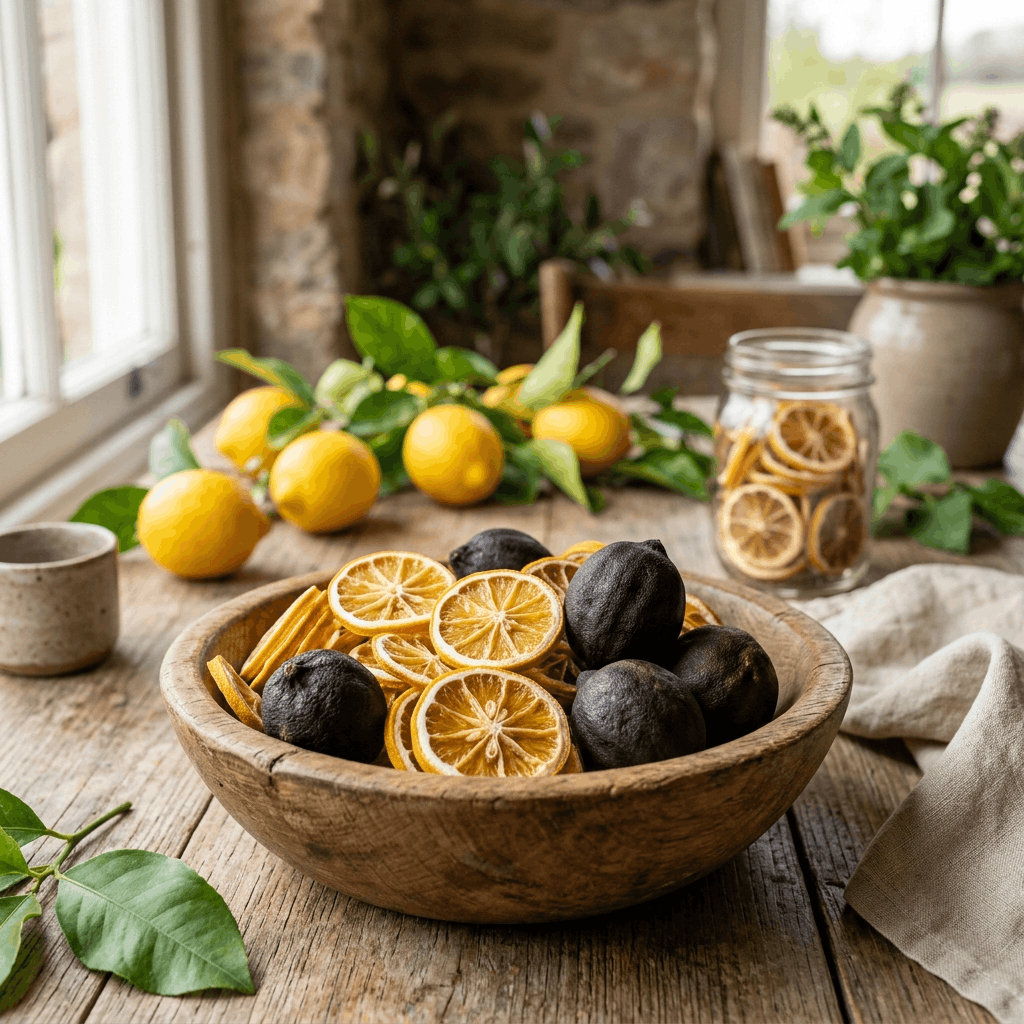
Dried lemons, also known as "black limes" or "loomi" in international markets, have a vast array of applications. In the culinary world, they are used as a potent souring agent that adds a complex, fermented citrus note to stews, soups, and rice dishes. Industrially, soda shops and beverage manufacturers use dried lemon powder as a natural flavor enhancer and preservative. The peel itself is rich in pectin and limonene, which are extracted for use in the pharmaceutical and cosmetic industries. Furthermore, the pharmaceutical sector utilizes dried lemon extracts in the formulation of Vitamin C supplements and digestive tonics. For the beverage industry, dried lemon slices serve as a premium garnish for cocktails and herbal teas, commanding high prices in urban cafes and export markets. Understanding the chemistry of the peel is crucial; the essential oils located in the flavedo (the outer colored layer) are highly volatile, so gentle low-temperature drying is required to preserve the aromatic profile that buyers pay a premium for. To maximize the efficiency of these subsidized technologies in India, proper implementation is critical. For instance, drip irrigation systems must be calibrated to match the local soil infiltration rate, while modern seeders should be operated at precise ground speeds to maintain crop spacing. Combining these advanced systems with biological inputs ensures a synergistic effect that boosts crop yield. To maximize the operational efficiency of subsidized agricultural machinery and infrastructure in India, proper setup and technical calibration are absolutely essential. For instance, subsidized drip and sprinkler irrigation networks must be dynamically aligned with the local soil's water infiltration rate and the crop's specific growth stage to prevent water logging or root stress. When using modern subsidized seed drills or automated planters, maintaining a steady, scientifically recommended tractor speed ensures uniform seeding depth and optimal row-to-row spacing, which directly translates to uniform crop germination. Furthermore, integrating these physical mechanized tools with organic bio-fertilizers and compost amendments creates a strong biological synergy that maximizes nutrient uptake, preserves soil moisture, and significantly lowers overall irrigation energy demands.
1
Selection & Grading
Select mature, yellow, disease-free lemons with firm skin for maximum oil content.
2
Washing & Sanitization
Thoroughly wash and sanitize the fruits to remove any pesticide residues or surface pathogens.
3
Uniform Slicing
Slice into uniform 3-5mm rounds for tea garnishes, or prick whole lemons for traditional black lime processing.
4
Blanching (Optional)
Blanch briefly in boiling water with a touch of salt to stabilize the color and soften the cell walls.
5
Controlled Dehydration
Use industrial heat pump dryers set at 50-55°C to preserve Vitamin C and volatile oils.
6
Moisture Monitoring
Monitor levels continuously; the lemons are ready when they are brittle and snap easily.
7
Cooling & Sorting
Cool to room temperature before bulk packaging and sort based on color and diameter.
8
Final Packaging
Sort and pack in airtight bags away from direct sunlight to preserve the golden color.
Product Results and Quality Comparison
The output of the drying process varies significantly based on the method used. Open-sun drying, while traditional, often results in a darker, less attractive product due to oxidation and UV exposure, which can degrade the nutritional value by up to 40%. In contrast, modern solar-tunnel drying or mechanical dehydration produces a "Golden Lemon" slice that retains 90% of its original nutrients and flavor. High-quality dried lemons should have a concentrated citrus aroma without any musty or fermented undertones. The texture should be crisp, not leathery. In the export market, color is the primary indicator of quality; bright, translucent slices are categorized as Grade A, while darker, opaque slices are sold at a lower price point for industrial grinding. Comparing the economic returns, Grade A slices can fetch up to 300% more than Grade C bulk powder, highlighting the importance of precision in the drying environment. Comparative data from various state-sponsored field trials in India show a significant 20% to 30% reduction in water and fertilizer costs when using these modern systems. Additionally, crops grown under precision irrigation exhibit higher pest resistance and uniform quality, which directly translates to premium wholesale prices and greater profitability for smallholder farmers. Comparative field studies and administrative data compiled from government research stations in India show that implementing these subsidized modern technologies leads to outstanding crop performance and farm economics. On average, participating farms report a major 20% to 30% reduction in water consumption and fertilizer input costs. This quantitative efficiency is matched by a substantial increase in average harvest yields due to precise water and nutrient delivery. Crops grown under optimized micro-irrigation and mechanized systems demonstrate excellent pest and disease resistance, uniform maturity, and higher post-harvest quality. This superior quality output ensures that farmers can secure premium wholesale market prices, reduce harvest wastage, and dramatically increase their net household income.
Environmental Impact and Soil Health (Creatures Support)
Adopting organic drying and processing methods has a ripple effect on the entire farm ecosystem. By avoiding synthetic chemical preservatives during storage, farmers protect local pollinators and soil microbes. The byproduct of lemon processing—the discarded seeds and pulp—is an excellent source of organic matter for
vermicompost. When returned to the soil, these citrus-rich residues act as a natural soil acidifier, which can help in nutrient mobilization in alkaline soils. Furthermore, the presence of citrus orchards managed with a focus on value-addition encourages biodiversity; the flowers provide abundant nectar for honeybees, while the integrated pest management required for export-quality fruit ensures a healthy population of ladybugs and other beneficial insects that prey on harmful mites. Adopting these modern, subsidized practices in India directly supports native soil biodiversity. By avoiding the over-application of synthetic nitrogenous fertilizers, the soil pH is stabilized, creating a healthy environment for earthworms (Eisenia Fetida) and beneficial mycorrhizal networks. These organisms naturally aerate the soil, turning crop residues into rich humus. Adopting these subsidized modern farming methods in India directly supports the recovery and enrichment of local soil biodiversity. By avoiding the excessive, unbalanced application of chemical urea and synthetic nitrogenous inputs, the soil pH remains stable and soil sodicity is minimized. This toxin-free soil environment enables beneficial earthworms, soil fungi, and micro-arthropods to multiply rapidly. These organisms act as natural aerators, creating microscopic channels that improve soil structure and root respiration. Additionally, the thriving microbial population accelerates the natural decomposition of organic crop residues, converting raw biomass into plant-available nutrients and building a highly resilient, living soil ecosystem.
Disease and Pest Protection in Storage
Post-harvest protection is the most critical stage for dried lemons. They are highly susceptible to moisture re-absorption, which leads to the growth of Aspergillus and other toxic molds. To prevent this, use moisture-proof, food-grade LDPE bags or vacuum-sealed containers. Warehouse pests such as the cigarette beetle and Indian meal moth are attracted to the concentrated sugars and oils; therefore, storage areas must be maintained at a cool temperature (below 20°C) and low humidity. Using natural repellents like dried neem leaves or food-grade silica gel packets can significantly extend shelf life without compromising the organic status of the product. Regular inspection of the stock for any signs of "sweating" or off-odors is mandatory to ensure that a single spoiled batch does not contaminate the entire inventory. Environmental soil protection is a key objective of these public schemes in India. Utilizing advanced water-saving irrigation and mechanized soil conservation equipment minimizes topsoil erosion during monsoon rains. It also enhances carbon sequestration in the soil, mitigating greenhouse gas emissions and building farming resilience against climate change. Comprehensive soil conservation and environmental resource protection are central pillars of these government programs in India. Using subsidized water-saving irrigation networks, laser land levelers, and mechanical soil-working implements prevents surface soil erosion during heavy monsoon rains. This stable agricultural system prevents nutrient runoff and guards local water tables and river basins against chemical contamination. Moreover, the long-term integration of organic carbon inputs under conservation schemes enhances carbon sequestration, allowing farms to act as active carbon sinks and significantly lowering the region's overall agricultural greenhouse gas footprint.
Market Demand: Soda Shops, Export, and Herbal Industry
The market for dried lemon is expanding at a CAGR of 6.5% globally. In India, the rapid growth of the "Goti Soda" and organized beverage sector has created a massive demand for natural citrus bases. Export markets in the Middle East, particularly Iran and Iraq, consume thousands of tons of whole dried black lemons annually for their traditional cuisine. In Europe and North America, the rise of the "Clean Label" movement has led food manufacturers to replace synthetic citric acid with natural dried lemon powder. Current market rates for premium dried slices range from ₹600 to ₹1500 per kg, depending on the quality and certification. Farmers who can organize into FPOs (Farmer Producer Organizations) to aggregate their produce and invest in shared drying infrastructure are seeing net profit margins of 40-50% higher than those selling fresh produce to local mandis. The post-harvest market outlook is highly positive for farmers in India adopting modern standards. Subsidized cold storage facilities, packaging units, and organic certification programs enable direct access to high-value domestic supermarkets and international export markets, ensuring that farmers receive the maximum possible price premium for their sustainable produce. The post-harvest market opportunities and commercial outlook for farmers in India who adopt these modern subsidized standards are highly promising. State-sponsored initiatives for building solar-powered cold storage facilities, packaging units, and organic certification portals give growers direct access to premium domestic supermarkets and high-value export channels. By meeting strict residue-free quality standards and obtaining formal organic credentials, farmers can bypass local middle-men and establish direct contract farming agreements with food processing companies and export firms, securing highly stable, premium prices for their harvests.
Essential Machinery for Lemon Processing
To achieve export-quality "Golden Slices," manual processing is insufficient. You require a high-speed "Automatic Citrus Slicer" for uniform 3mm cuts and a "Heat-Pump Dehydrator" which preserves the natural citric aroma and color better than traditional sun drying. We provide complete processing lines including bubble washers and vacuum packaging units. To support these initiatives, Mitti Gold provides state-of-the-art agricultural machinery, including certified
vermicompost screening trommels, organic waste shredders, and solar pumps. Our equipment is fully eligible for state subsidies, and we assist farmers in completing the necessary single-window portal documentation. To support farmers in successfully implementing these modern systems, Mitti Gold offers a robust range of advanced agricultural machinery that is fully compatible with government subsidy programs. Our state-of-the-art lineup includes automated organic waste shredders, certified vermicompost screening trommels, precise seed drills, and high-efficiency solar water pumps. All our machines are built with premium materials to ensure long-term durability and high field productivity. Furthermore, our dedicated customer support team provides complete assistance to farmers, helping them prepare and submit all required documentation on government portals to ensure a smooth, hassle-free subsidy approval and disbursement process.
🍋 Lemon Processing Machinery
Get professional-grade automatic slicers and heat-pump dehydrators for export-quality "Golden Slices." Complete processing line setup. WhatsApp: +91 95372 30173
FAQs on Dried Lemon Processing & Market
Where can I sell dried lemons in bulk? +
Bulk buyers include spice exporters in Mumbai and Cochin, herbal medicine manufacturers like Dabur or Himalaya, and specialized beverage suppliers for the soda shop industry. It is highly recommended to consult your local Krishi Vigyan Kendra (KVK) or the official agriculture portal of India to verify specific guidelines, application windows, and required land documentation to ensure smooth and successful processing. To ensure a smooth application process under these schemes, it is highly recommended to keep your land ownership documents, soil health card, and bank details fully updated. Always consult your local agricultural department website to check the latest application timelines, eligibility criteria, and subsidized equipment lists.
What is the current market price per kg for dried lemon slices? +
Standard sun-dried slices fetch ₹400-₹500/kg, while premium dehydrator-dried, export-grade golden slices can reach ₹1000-₹1200/kg in retail or specialized export batches. It is highly recommended to consult your local Krishi Vigyan Kendra (KVK) or the official agriculture portal of India to verify specific guidelines, application windows, and required land documentation to ensure smooth and successful processing. To ensure a smooth application process under these schemes, it is highly recommended to keep your land ownership documents, soil health card, and bank details fully updated. Always consult your local agricultural department website to check the latest application timelines, eligibility criteria, and subsidized equipment lists.
How long can dried lemons be stored? +
If stored in airtight, moisture-proof containers in a cool, dark place, dried lemons can maintain their flavor and potency for 12 to 18 months. It is highly recommended to consult your local Krishi Vigyan Kendra (KVK) or the official agriculture portal of India to verify specific guidelines, application windows, and required land documentation to ensure smooth and successful processing. To ensure a smooth application process under these schemes, it is highly recommended to keep your land ownership documents, soil health card, and bank details fully updated. Always consult your local agricultural department website to check the latest application timelines, eligibility criteria, and subsidized equipment lists.
Do I need a special license to start a drying business? +
Yes, for commercial sale, you will need a FSSAI registration. If you plan to export, an IEC (Import Export Code) and APEDA registration are also required. It is highly recommended to consult your local Krishi Vigyan Kendra (KVK) or the official agriculture portal of India to verify specific guidelines, application windows, and required land documentation to ensure smooth and successful processing. To ensure a smooth application process under these schemes, it is highly recommended to keep your land ownership documents, soil health card, and bank details fully updated. Always consult your local agricultural department website to check the latest application timelines, eligibility criteria, and subsidized equipment lists.
Can I use small or "rejected" fresh lemons for drying? +
Absolutely. Drying is the best way to value-add to "C-grade" fruits that are too small or visually imperfect for the fresh market, as long as they are healthy and rot-free. It is highly recommended to consult your local Krishi Vigyan Kendra (KVK) or the official agriculture portal of India to verify specific guidelines, application windows, and required land documentation to ensure smooth and successful processing. To ensure a smooth application process under these schemes, it is highly recommended to keep your land ownership documents, soil health card, and bank details fully updated. Always consult your local agricultural department website to check the latest application timelines, eligibility criteria, and subsidized equipment lists.