📅 June 2026 | ✍️ Mitti Gold Organic | 🗂️ General Guides
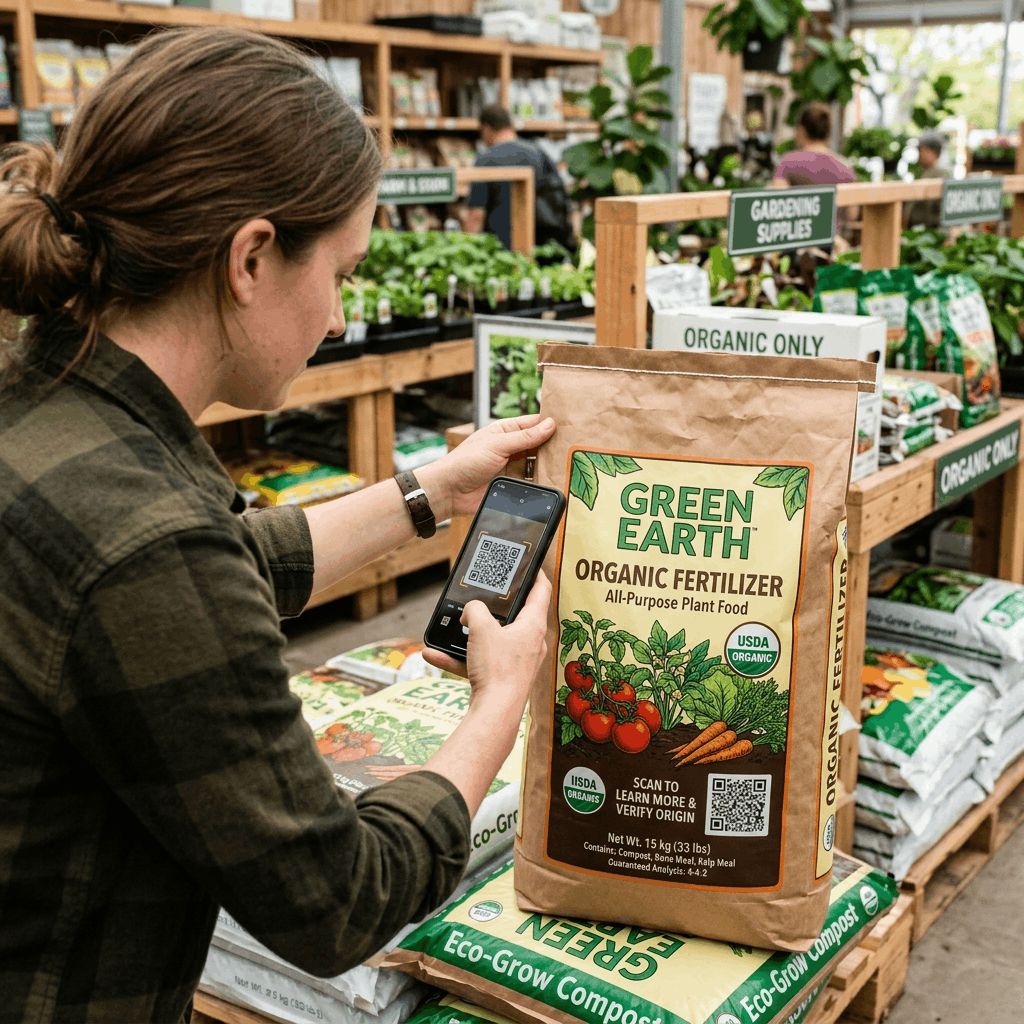
Application Rates: Quality Standards and the Risk of Adulterated Inputs
The rising demand for organic products has led to a flood of organic fertilizers in the market. Unfortunately, many cheap products are adulterated with silt, sand, charcoal dust, or industrial waste colored black. Using adulterated fertilizers can damage crops, introduce weed seeds, and lower yields. To protect their farms, farmers must verify quality. The Fertilizer Control Order (FCO) of India sets strict standards for organic vermicompost fertilizer and composted cow dung manure. The moisture level must be between 15% and 25%, organic carbon must be a minimum of 12%, and the C:N ratio must be under 20:1. Understanding these quality parameters ensures that farmers apply the correct rate of genuine nutrients, avoiding crop failure. High-quality inputs like Mitti Gold vermicompost guarantee compliance with these strict FCO standards. The recommended application rate for genuine vermicompost is 400 to 500 kg per acre for vegetable crops during field preparation. If using composted cow dung manure, the rate is 2 to 3 tons per acre. Applying agricultural charcoal at a rate of 100 kg per acre alongside these organic inputs helps stabilize soil organic carbon and hold plant-available nutrients in the root zone. Furthermore, spraying liquid vermiwash at a rate of 10 liters per acre, diluted 1:10 with water, during key growth stages ensures that the plants receive trace elements and humic acids. In contrast, if a farmer unknowingly applies adulterated compost containing industrial waste or heavy sand, they may need to apply double the quantity to see any effect, which not only increases costs but also risks toxic metal contamination in the soil. Thus, checking quality is the first step to successful organic farming. Additionally, for commercial cash crops like cotton and groundnut, applying genuine composted cow dung manure at 4 tons per acre during the pre-sowing phase is critical. If the manure is adulterated with silt or soil, the actual nutrient delivery is reduced, resulting in nutrient deficiencies during the critical flowering stage. To verify quality before application, farmers should check that the product is certified under the NPOP or PGS-India systems. Applying pure cow dung powder at a rate of 200 kg per acre as a soil amendment can also help boost soil carbon and reactivate native biology. Incorporating agricultural charcoal at 150 kg per acre in sandy or clayey soils improves aeration and prevents the leaching of valuable nutrients supplied by Mitti Gold vermicompost. By ensuring that only high-quality, verified organic inputs are used at the recommended application rates, farmers can protect their crops, maintain soil fertility, and secure maximum yields.
How to Use Product: Simple Physical and Chemical Home Tests
Conducting simple home tests is a practical way for farmers to verify fertilizer quality before purchasing in bulk. Visual inspection is the first step: genuine vermicompost is dark brown or black, has a granular texture resembling tea powder, and has a pleasant, earthy smell like forest soil. When to apply: Conduct these tests on sample batches before buying. The water suspension test is highly effective: mix a handful of the fertilizer in a glass of water. Genuine organic matter will float or remain suspended, whereas sand, silt, and heavy soil will settle instantly at the bottom. Avoid products that release a foul, ammonia-like odor, as this indicates that the cow dung manure is raw and will burn plant roots if applied. To test for the presence of agricultural charcoal instead of cheap coal dust, place a small sample on a hot pan; genuine agricultural charcoal will glow without producing black, toxic smoke. For biological testing, mix 50% of the compost with 50% coco peat, plant a few mung bean seeds, and observe their growth. If the seedlings germinate within 3 days and show healthy white roots, the compost is mature and safe. Water the bio-assay pots with a highly diluted solution of vermiwash (1:50) to check if the compost reacts favorably to microbial inoculation. Mixing a small amount of pure cow dung powder into a soil sample and observing the rate of decomposition can also help determine the biological activity of the soil. These simple home-based tests help farmers avoid purchasing counterfeit organic inputs, saving their hard-earned money and protecting their fields. Furthermore, to test for the quality of composted cow dung manure, farmers can perform a simple heat test. Place a handful of moist manure in a sealed plastic bag and leave it in a warm place for 24 hours. If the bag swells with gas and releases a foul, putrid odor upon opening, the manure is not fully composted and contains active pathogens. Fully matured composted cow dung manure will remain stable and release no bad odor. The texture should be crumbly, and it should not leave sticky stains on your hands, which indicates high clay content. To test if Mitti Gold vermicompost is pure and free of added soil, perform the squeeze test: squeeze a handful of moist vermicompost; it should hold its shape gently but crumble apart easily when touched. These practical physical and biological verification steps are crucial for quality control on organic farms, ensuring that every bag of fertilizer applied contributes to soil health and crop productivity.
1
Visual and Tactile Check
Rub the compost between your fingers; it should feel soft, crumbly, and not sticky or sandy.
2
Water Settlement Test
Dissolve a sample in water to check for sand and silt sediment at the bottom.
3
Germination Bio-Assay
Sow fast-growing seeds in a 50% compost mix to verify that it is free from root-burning raw dung.
Outcome Comparison: High-Quality Certified Compost vs. Low-Grade Adulterated Material
The difference in crop performance and soil health when using genuine organic vermicompost fertilizer compared to cheap, adulterated inputs is significant. The choice of fertilizer determines not only the yield of the current season but also the long-term biological productivity of the soil:
- Seed Germination Rate and Early Growth: Seeds sown in soil enriched with pure Mitti Gold vermicompost show a 95% germination rate within 5 days. In contrast, adulterated compost containing high salts or raw manure stunts or kills seedlings.
- Crop Vigor and Nutrient Delivery: Genuine composted cow dung manure provides a balanced supply of macro and micronutrients, resulting in dark green leaves and high yield. Adulterated compost fails to feed the crop, leading to yellowing and stunted growth.
- Weed Infestation and Labor Cost: Well-composted cow dung manure is heated during processing, which kills weed seeds. Un-composted or adulterated manure is full of viable weed seeds, increasing weeding labor costs.
- Soil Structure and Water Holding: Incorporating pure agricultural charcoal and vermiwash improves soil structure and water retention. Adulterated compost containing silt blocks soil pores, leading to waterlogging.
Supporting Soil Life with Pure Organic Carbon
Pure organic fertilizers are rich in organic carbon and humic acids, which serve as the primary food source for beneficial soil organisms. When applied to the field, high-quality Mitti Gold vermicompost inoculates the soil with millions of beneficial bacteria and mycorrhizal fungi. Earthworms are attracted to this organic matter, multiplying and naturally aerating the soil. In contrast, adulterated fertilizers containing chemical dyes, heavy metals, or industrial waste kill soil creatures, turning fertile soil sterile. The addition of agricultural charcoal provides a permanent physical habitat for these microbes, sheltering them from drought and synthetic chemical damage. Regular application of vermiwash introduces beneficial liquid microbial cultures that stimulate the soil food web. Using pure cow dung powder acts as a natural feed for earthworms, encouraging them to multiply and burrow. As they move through the soil, they create channels that improve water infiltration and root growth. This active biology releases locked phosphorus and potassium, ensuring that the crop receives a steady supply of nutrients throughout its growth cycle. The soil becomes self-sustaining and fertile, producing crops that are naturally resilient to pests and diseases, and possess the high-quality characteristics that command premium prices. In contrast, conventional farming practices that rely on synthetic chemical fertilizers often neglect the soil microbiome, leading to a sterile, compacted soil structure. When chemical inputs are applied, they kill off beneficial fungi and earthworms, leaving the crop dependent on constant chemical feeding. The soil organic carbon depletes rapidly, reducing the soil's water-holding capacity and making the crop highly vulnerable to drought. By applying composted cow dung manure and agricultural charcoal, farmers can restore this biological fertility. The active soil microbes synthesize plant growth-promoting hormones, which improve root architecture and increase nutrient uptake. Beneficial bacteria also form a protective biofilm around the roots, preventing pathogens from colonizing the plant. This biological restoration is the foundation of sustainable agriculture, turning farm waste into a high-value biological engine that drives crop productivity and environmental health.
Preventing Pathogen Contamination and Root Burn
Raw or poorly composted cow dung manure can harbor harmful pathogens like E. coli and Salmonella, which can infect crops and pose health risks to humans. Proper composting requires maintaining high temperatures (55-60°C) during the thermophilic phase to kill these pathogens. Genuine composted cow dung manure is completely safe. When to apply: Use only fully decomposed compost to prevent root burn. The high ammonia in raw manure burns sensitive roots, making them vulnerable to secondary fungal diseases like fusarium wilt. Incorporating Mitti Gold vermicompost builds overall plant vigor, reducing pest susceptibility. Foliar spray of vermiwash builds systemic resistance against sucking pests. Applying pure cow dung powder mixed with wood ash can be dusted on vegetables to control caterpillars. To further safeguard crops, farmers can utilize agricultural charcoal to adsorb toxins and heavy metals from the soil, preventing them from being absorbed by the plant roots. These combined natural prevention and biological protection techniques ensure that the crop remains healthy, clean, and free from pathogen contamination, making it highly valuable in the market. To prevent damping-off disease in nurseries, which is caused by soil-borne fungi like Pythium, farmers should sterilize the nursery beds before sowing. This can be done by solarization or by applying a thin layer of composted cow dung manure enriched with Trichoderma. In established crops, spraying vermiwash mixed with botanical extracts like neem and garlic acts as a powerful repellent against aphids, thrips, and mites. Applying agricultural charcoal at the base of the plants improves soil aeration and drainage, creating a dry microclimate that is unfavorable for fungal spore germination. Additionally, the charcoal helps retain beneficial bio-pesticides like Bacillus thuringiensis in the root zone, extending their protective window. Using pure cow dung powder mixed with cow urine as a root dip for transplanting saplings provides a protective microbial barrier that prevents root-knot nematodes from invading the roots. By adopting these ecological and biological protection methods, farmers can prevent major crop losses in the field and storage, ensuring that their harvest is of the highest quality and completely free of chemical residues, which is a key requirement to secure premium bids at APMC yards.
Sourcing Certified Inputs and Lab Testing for Commercial Farms
For commercial organic farms and exporters, chemical residue testing and nutrient analysis are necessary to maintain organic certifications (such as NPOP and USDA). Exporters require certified organic inputs like Mitti Gold products, which are manufactured under strict quality control. Sourcing certified organic vermicompost fertilizer and composted cow dung manure ensures that the final harvest passes strict pesticide and heavy metal residue testing, securing access to high-value export markets and premium domestic buyers. Incorporating agricultural charcoal into the soil helps grow high-quality crops with high essential oil and nutrient content, which is highly valued in the global market. Furthermore, using pure cow dung powder and vermiwash to grow export-grade crops ensures that the produce has a beautiful appearance, rich taste, and extended shelf life, reducing losses during transit. By cooperative marketing, smallholders can aggregate their produce, obtain collective organic certifications, and negotiate directly with major retail chains, bypassing middle-men and capturing a larger share of the consumer price. This market-oriented organic farming model provides sustainable livelihoods for rural youth and boosts the state's agricultural GDP. The international demand for certified organic spices, oilseeds, and grains from India is growing rapidly, driven by the global trend towards clean, healthy eating. To access these premium markets, exporters must provide detailed traceability records, showing that no synthetic chemicals or adulterated inputs were used throughout the crop cycle. Using certified organic inputs like Mitti Gold vermicompost and agricultural charcoal ensures that the crops are grown in a clean, natural environment, free from industrial pollutants and pesticide residues. Cooperative societies can play a crucial role by setting up regional testing centers where members' produce is tested for organic compliance before packaging. This quality assurance, combined with professional packaging and digital marketing, allows farmers to build a strong brand presence in both domestic and export markets. By shifting to certified organic practices and utilizing verified inputs, farmers can double their net incomes, contribute to environmental sustainability, and drive the growth of organic agriculture in the country.
📦 Bulk Orders & Export
Mitti Gold Organic: For bulk orders of all organic fertilizers — Farmers, Nurseries, and Export. WhatsApp: +91 95372 30173
Testing Organic Fertilizer FAQ
What is the smell of genuine, fully decomposed compost?
Genuine compost has a clean, pleasant, earthy smell, similar to wet forest soil. It should never have a foul, putrid, or strong ammonia smell.
How can I check if vermicompost has too much moisture?
Take a handful of vermicompost and squeeze it. If water droplets squeeze out, the moisture is too high (above 30%). If it crumbles easily without sticking, it is ideal.
Why is sand added to cheap vermicompost?
Unscrupulous vendors mix sand and silt into compost to increase its weight and volume, reducing its nutrient value and quality.
What does the Seed Germination Bio-Assay check?
It tests if the compost is mature and safe for plants. If seeds germinate and grow healthy roots in a compost mix, the fertilizer is free from phytotoxins.
How does industrial carbon waste differ from agricultural charcoal?
Industrial carbon waste often contains toxic heavy metals and chemicals. Agricultural charcoal is made from pure organic biomass (wood/crop residue) through clean pyrolysis and is completely safe.