📅 June 2026 | ✍️ Mitti Gold Organic | 🗂️ Machinery & Markets
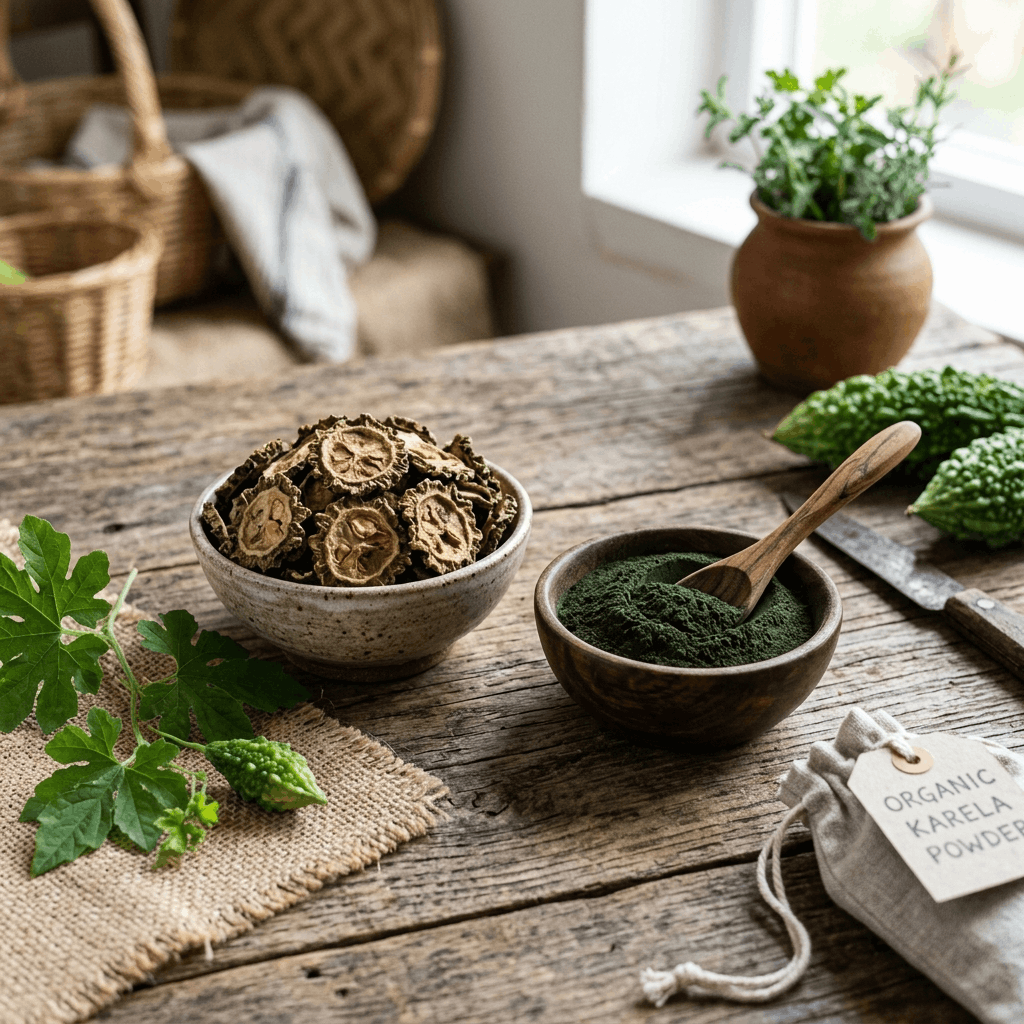
Application Rates of Dehydrated Bitter Gourd Peel Powder
Dried bitter gourd (Momordica charantia) peel powder is a unique and powerful soil amendment in organic agriculture. It is rich in potassium, iron, magnesium, and active bitter compounds like momordicins and charantin, which possess potent antimicrobial and pest-repelling properties. The recommended application rate for open-field agriculture is 10 to 15 kg of dried karela peel powder per acre, mixed into the soil during primary tillage. For vegetable gardens and high-value crops, blend 10 to 15 grams of karela peel powder with 1.5 kg of Mitti Gold vermicompost per plant. For orchards and woody crops, apply 150 to 200 grams of karela peel powder mixed with 8 kg of composted cow dung manure per tree. Integrating 250 grams of agricultural charcoal helps lock in these active bitter compounds in the root zone, prolonging their protective action against soil-borne pests. To ensure even nutrient distribution, farmers can mix the peel powder with pure cow dung powder at a rate of 500 grams per plant. Additionally, applying vermiwash as a root drench at a dilution of 1:10 every fortnight helps solubilize the bitter elements, making it easier for the plant roots to absorb them while simultaneously boosting plant immunity. For commercial vegetable cultivation, particularly crops like tomatoes, eggplant, and gourds, mixing this organic combination into the topsoil creates a highly fortified root-zone environment. This blend must be applied in split applications during the vegetative phase and early flowering stage to protect the plants during their most vulnerable growth stages. Regular monitoring of crop growth and root health is advised to adjust application rates based on specific soil texture and pest pressure. In highly sandy soils, the amount of agricultural charcoal should be increased to 400 grams to prevent the active alkaloids from leaching away with irrigation water, ensuring a long-lasting pest-repellent effect. Furthermore, combining this mix with composted cow dung manure not only supplies nitrogen but also buffers any minor salinity variations that could be introduced by the highly concentrated bitter peel extracts. In heavy clay soils, the addition of vermicompost improves aeration, ensuring that the root system does not suffer from waterlogging, which can aggravate soil-borne fungal infections. For nursery beds, incorporating 5 grams of karela peel powder per seedling tray helps prevent early damping-off, ensuring that seedlings transplant with high survival rates and strong initial root networks.
How to Use Bitter Gourd Peel Powder for Soil Health
Applying dried bitter gourd peel powder correctly ensures maximum pest control and nutrient delivery. The peels must be dried completely and ground into a fine powder to facilitate rapid release of active ingredients. For soil sterilization, incorporate the powder directly into the planting pits or seedbeds. When to apply: The ideal timing is during land preparation or right before transplanting crops that are susceptible to nematodes. To prepare a natural pest-repellent tea, soak 150 grams of dried karela peel powder in 10 liters of water for 24 hours. Use this liquid to drench the soil around plants showing signs of root stress or insect infestations. Blend the powder with pure cow dung powder to create a slow-release natural fertilizer and pesticide combo. To optimize the application, farmers can combine the soil drench with a 1:5 dilution of vermiwash, which acts as a powerful bio-stimulant and helps the plant recover from pest damage. When incorporating the dry powder into vegetable beds, mix it thoroughly with Mitti Gold vermicompost and composted cow dung manure to enrich the organic matter content and activate soil microbes. For established plants, apply the mixture in a shallow ring around the drip line, keeping it at least 10 cm away from the stem to prevent direct tissue contact. Apply agricultural charcoal over the ring to lock in the bitter compounds and prevent evaporation of the volatile active elements. Water the soil immediately after application to ensure that the nutrients and alkaloids are carried down to the root zone. Repeat the soil application every 4 weeks during the active growth cycle, especially for crops susceptible to root-knot nematodes. For foliar applications, the strained bitter gourd peel tea can be sprayed on leaves using a clean backpack sprayer to deter foliar-feeding caterpillars and beetles. This dual application method ensures all-around protection and nutrition for organic crops.
1
Peel Preparation
Dehydrate bitter gourd peels under shade until crisp and grind them into a uniform powder.
2
Nutrient Integration
Mix the karela powder with vermicompost, cow dung manure, and agricultural charcoal.
3
Soil Incorporation
Dig the mixture into the topsoil around the crop root zones to deter soil pests and provide nutrients.
Outcome Comparison: Karela Peel Amendment vs. Chemical Nematicides
Comparing agricultural fields treated with a combination of dried bitter gourd peel powder and Mitti Gold vermicompost against those treated with chemical nematicides shows exceptional ecological, biological, and economic results:
- Safe Nematode Suppression and Soil Ecosystem Preservation: Karela peel powder repels and suppresses root-knot nematodes naturally without sterilizing the soil of beneficial microbes. Chemical nematicides are highly toxic and destroy the entire soil biology, leaving the soil lifeless. When applied alongside agricultural charcoal, the bitter compounds remain active in the rhizosphere for a longer period, creating a natural protective zone that allows beneficial soil fungi, mycorrhizae, and earthworms to thrive, which is crucial for maintaining soil structure, water retention, and long-term fertility. This biological approach ensures that the soil's natural immune system is strengthened rather than degraded.
- Micronutrient Enrichment and Crop Quality Improvement: Bitter gourd peels provide essential iron, magnesium, and potassium that enhance crop yields, while chemical nematicides offer no nutritional benefits to the plants. Mixing the peel powder with composted cow dung manure and pure cow dung powder ensures a balanced supply of nitrogen and trace minerals, leading to greener foliage, sturdier stems, and a higher count of marketable fruits with superior taste and shelf life. This balanced nutrition helps plants synthesize natural defense compounds, reducing their vulnerability to environmental stresses like drought or high temperatures.
- Residue-Free Harvest and Export Compliance: Crops grown with organic karela peel amendments and vermiwash are completely free of toxic chemical residues, making them ideal for premium export markets that enforce strict pesticide limits. Chemical nematicides often leave harmful residues in the soil and food, which can lead to export rejections and lower market value. The organic approach ensures compliance with global safety standards, allowing farmers to secure higher profits and build a reputation for producing healthy, clean food.
Supporting Beneficial Soil Life while Deterring Pests
While the bitter compounds in dried karela peels repel harmful pests, they do not harm beneficial soil microorganisms. When mixed with carbon-rich composted cow dung manure, this organic matter feeds beneficial bacteria and fungi that break down the bitter gourd fibers. The presence of Mitti Gold agricultural charcoal provides a protective shelter for these beneficial microbes, allowing them to multiply. This microbial activity accelerates soil aeration and improves nutrient availability, transforming the soil into a thriving, resilient ecosystem. The inclusion of Mitti Gold vermicompost introduces a high concentration of humic acids and active earthworms, which thrive in this organic environment. Applying pure cow dung powder and vermiwash helps maintain the biological balance by providing a steady source of nitrogen and microbial enzymes. These enzymes speed up the mineralization of organic phosphorus and potassium, making them readily available to plant roots. The porous structure of agricultural charcoal acts like a sponge, retaining these nutrients along with moisture, preventing them from leaching away. As the soil micro-life decomposes the bitter gourd peels, they produce organic glues that bind soil particles together, improving soil aggregate stability. This results in a healthy soil food web where beneficial organisms compete with and suppress soil pathogens, reducing the risk of root diseases and promoting sustainable crop production. Additionally, the presence of these beneficial microbes helps break down the complex saponins in the karela peels into simple carbon compounds, which further fuel the soil food web. The active mycorrhizal fungi network, supported by this organic substrate, extends deep into the soil, helping the plants absorb water and essential minerals from a wider volume of soil, which significantly improves crop drought tolerance and yield stability.
Natural Anti-Fungal and Anti-Bacterial Root Protection
The active biochemicals in bitter gourd peels, including saponins and alkaloids, exhibit strong antifungal and antibacterial activities. Mixing karela peel powder into the soil protects young plant roots from devastating diseases like damping-off, fusarium wilt, and bacterial rot. When to apply: Apply the mixture to nursery beds and seedbeds during preparation. This natural protection, combined with the immune-boosting properties of organic vermicompost fertilizer and pure cow dung powder, ensures that seedlings develop strong, disease-resistant root systems from the start. To expand this protective effect, farmers can use Mitti Gold vermicompost and composted cow dung manure as a soil amendment, which introduces beneficial antagonistic microbes like Trichoderma and Bacillus. These microbes colonize the root zone and prevent pathogenic fungi from establishing. Drenching the soil with vermiwash provides a quick boost of plant-available nutrients and enzymes, which help the plant recover from early transplant shock and build systemic resistance. Incorporating agricultural charcoal into the soil mix helps adsorb and hold the bitter compounds, preventing them from washing away and ensuring long-term protection against root-knot nematodes and grubs. For foliar protection, spraying a strained liquid extract of the bitter gourd peels onto the crop leaves acts as a natural deterrent against chewing insects and pests like leafminers, whiteflies, and beetles. This integrated natural pest and disease control strategy allows farmers to grow healthy, high-yielding crops without using expensive and hazardous chemical pesticides, ensuring a clean and safe harvest. Furthermore, the bitter compounds act as a feeding deterrent, making the plant tissues unpalatable to insects, thereby preventing them from laying eggs on the crop. This systemic protection, combined with the physical and biological benefits of organic soil amendments, forms a complete defensive shield that keeps the crop healthy throughout its life cycle.
Commercial Sourcing and Organic Agriculture Demand
With the increasing shift toward organic vegetable cultivation in India, the commercial market for dried karela peel powder has grown significantly. Food processing industries that produce bitter gourd juice and dried slices generate peels as a byproduct, which are now being recycled into organic farming amendments. Cooperatives and FPOs source these peels in bulk to create organic pest-control formulations. Farmers using these natural inputs can sell their vegetables to organic mandis and specialty retail chains at a premium, boosting their agricultural income. To scale up this market opportunity, mixing the karela peel powder with high-quality organic fertilizers like Mitti Gold vermicompost and composted cow dung manure has become a popular practice. Manufacturers are packaging these specialized pest-repelling fertilizer blends for commercial vegetable growers who face severe nematode infestations. By adding agricultural charcoal and pure cow dung powder, they create premium soil-remediation products that command high prices in the organic market. The liquid extract, when combined with vermiwash, is sold as an organic foliar spray, offering a value-added product for greenhouse and vertical farming operations. Exporters are also actively sourcing crops grown with these organic inputs, as they easily pass the strict chemical residue tests required for international trade in markets like the United States, Europe, and the Middle East. This growing commercial demand not only helps farmers increase their profits but also promotes a circular economy by turning agricultural processing waste into high-value organic inputs. By replacing expensive, synthetic agrochemicals with these recycled botanical amendments, farmers can lower their cultivation costs by 20% to 30%, while securing a premium price of up to 40% for their certified organic produce. This dual economic benefit makes dried karela peel amendments a highly attractive option for sustainable agribusiness models.
📦 Bulk Orders & Export
Mitti Gold Organic: For bulk orders of all organic fertilizers — Farmers, Nurseries, and Export. WhatsApp: +91 95372 30173
Dried Karela Peel Powder FAQ
Does karela peel powder make the crop taste bitter?
No, the bitter compounds are absorbed and broken down in the soil, and they do not affect the taste or flavor of the harvested crops.
Can karela peel powder control root-knot nematodes?
Yes, the bitter saponins and alkaloids in the karela peels are highly effective at repelling and reducing nematode populations in the soil.
How often should I apply bitter gourd peel powder to my farm?
Applying it once during land preparation and once mid-season during the vegetative phase is sufficient for seasonal vegetable crops.
Is it safe to mix karela peel powder with vermicompost?
Yes, mixing it with Mitti Gold organic vermicompost fertilizer is highly recommended as it provides balanced nutrition while delivering pest-repellent benefits.
How long does karela peel powder remain active in the soil?
The active compounds typically remain effective for 4 to 6 weeks, especially when combined with agricultural charcoal which helps retain them in the root zone.