📅 June 2026 | ✍️ Mitti Gold Organic | 🗂️ Legal
📥 Download Sample Format
Get the sample document format in English, Hindi, Gujarati, or Urdu.
Section 1: The Threat of Unauthorized Cart Tracks
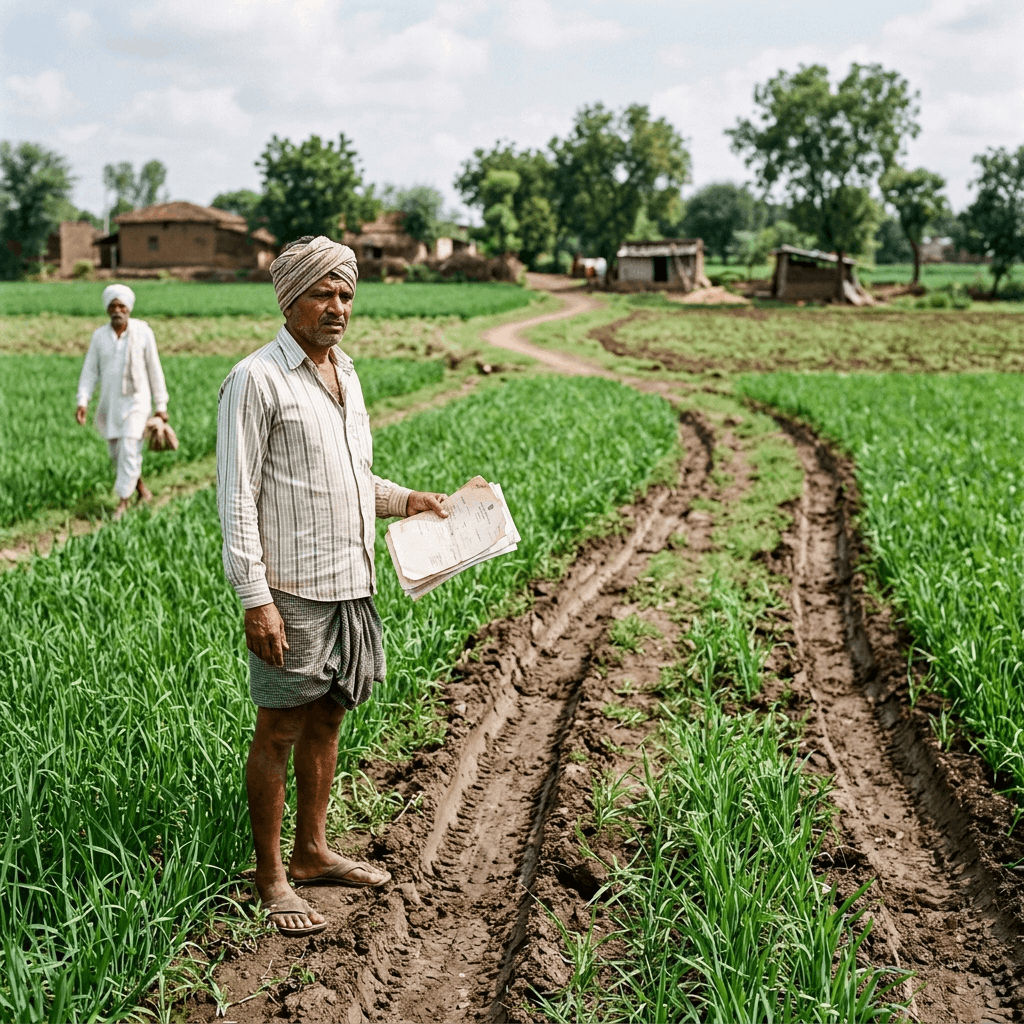
Agricultural lands often suffer from unauthorized access paths, commonly known as cart tracks or 'pagdandis'. In addressing this issue, we explore the legal remedies available to landowners whose property rights are infringed by such tracks. The right of way is an easement right, but it must be legally established. When neighbors or villagers attempt to forcibly create or widen a cart track across your private farmland, immediate legal action is required. To file a robust objection, your application must contain:
- Precise survey numbers and boundary details of the affected land.
- Photographic evidence and a detailed sketch showing the unauthorized encroachment.
- Reference to previous revenue records proving the absence of a historical right of way.
Section 2: Legal Definition of Easements and Rights of Way
Agricultural lands often suffer from unauthorized access paths, commonly known as cart tracks or 'pagdandis'. In addressing this issue, we explore the legal remedies available to landowners whose property rights are infringed by such tracks. The right of way is an easement right, but it must be legally established. When neighbors or villagers attempt to forcibly create or widen a cart track across your private farmland, immediate legal action is required. To file a robust objection, your application must contain:
- Precise survey numbers and boundary details of the affected land.
- Photographic evidence and a detailed sketch showing the unauthorized encroachment.
- Reference to previous revenue records proving the absence of a historical right of way.
Section 3: Gathering Evidence for Your Objection
Agricultural lands often suffer from unauthorized access paths, commonly known as cart tracks or 'pagdandis'. In addressing this issue, we explore the legal remedies available to landowners whose property rights are infringed by such tracks. The right of way is an easement right, but it must be legally established. When neighbors or villagers attempt to forcibly create or widen a cart track across your private farmland, immediate legal action is required. To file a robust objection, your application must contain:
- Precise survey numbers and boundary details of the affected land.
- Photographic evidence and a detailed sketch showing the unauthorized encroachment.
- Reference to previous revenue records proving the absence of a historical right of way.
Section 4: The Role of the Tehsildar
Agricultural lands often suffer from unauthorized access paths, commonly known as cart tracks or 'pagdandis'. In addressing this issue, we explore the legal remedies available to landowners whose property rights are infringed by such tracks. The right of way is an easement right, but it must be legally established. When neighbors or villagers attempt to forcibly create or widen a cart track across your private farmland, immediate legal action is required. To file a robust objection, your application must contain:
- Precise survey numbers and boundary details of the affected land.
- Photographic evidence and a detailed sketch showing the unauthorized encroachment.
- Reference to previous revenue records proving the absence of a historical right of way.
Section 5: Dealing with Gram Panchayat Resolutions
Agricultural lands often suffer from unauthorized access paths, commonly known as cart tracks or 'pagdandis'. In addressing this issue, we explore the legal remedies available to landowners whose property rights are infringed by such tracks. The right of way is an easement right, but it must be legally established. When neighbors or villagers attempt to forcibly create or widen a cart track across your private farmland, immediate legal action is required. To file a robust objection, your application must contain:
- Precise survey numbers and boundary details of the affected land.
- Photographic evidence and a detailed sketch showing the unauthorized encroachment.
- Reference to previous revenue records proving the absence of a historical right of way.
Section 6: Filing Under Section 133 CrPC
Agricultural lands often suffer from unauthorized access paths, commonly known as cart tracks or 'pagdandis'. In addressing this issue, we explore the legal remedies available to landowners whose property rights are infringed by such tracks. The right of way is an easement right, but it must be legally established. When neighbors or villagers attempt to forcibly create or widen a cart track across your private farmland, immediate legal action is required. To file a robust objection, your application must contain:
- Precise survey numbers and boundary details of the affected land.
- Photographic evidence and a detailed sketch showing the unauthorized encroachment.
- Reference to previous revenue records proving the absence of a historical right of way.
Section 7: Civil Injunctions for Immediate Relief
Agricultural lands often suffer from unauthorized access paths, commonly known as cart tracks or 'pagdandis'. In addressing this issue, we explore the legal remedies available to landowners whose property rights are infringed by such tracks. The right of way is an easement right, but it must be legally established. When neighbors or villagers attempt to forcibly create or widen a cart track across your private farmland, immediate legal action is required. To file a robust objection, your application must contain:
- Precise survey numbers and boundary details of the affected land.
- Photographic evidence and a detailed sketch showing the unauthorized encroachment.
- Reference to previous revenue records proving the absence of a historical right of way.
Section 8: Mapping and Survey Interventions
Agricultural lands often suffer from unauthorized access paths, commonly known as cart tracks or 'pagdandis'. In addressing this issue, we explore the legal remedies available to landowners whose property rights are infringed by such tracks. The right of way is an easement right, but it must be legally established. When neighbors or villagers attempt to forcibly create or widen a cart track across your private farmland, immediate legal action is required. To file a robust objection, your application must contain:
- Precise survey numbers and boundary details of the affected land.
- Photographic evidence and a detailed sketch showing the unauthorized encroachment.
- Reference to previous revenue records proving the absence of a historical right of way.
Section 9: Addressing Political and Village Pressures
Agricultural lands often suffer from unauthorized access paths, commonly known as cart tracks or 'pagdandis'. In addressing this issue, we explore the legal remedies available to landowners whose property rights are infringed by such tracks. The right of way is an easement right, but it must be legally established. When neighbors or villagers attempt to forcibly create or widen a cart track across your private farmland, immediate legal action is required. To file a robust objection, your application must contain:
- Precise survey numbers and boundary details of the affected land.
- Photographic evidence and a detailed sketch showing the unauthorized encroachment.
- Reference to previous revenue records proving the absence of a historical right of way.
Section 10: Drafting the Application - Core Components
Agricultural lands often suffer from unauthorized access paths, commonly known as cart tracks or 'pagdandis'. In addressing this issue, we explore the legal remedies available to landowners whose property rights are infringed by such tracks. The right of way is an easement right, but it must be legally established. When neighbors or villagers attempt to forcibly create or widen a cart track across your private farmland, immediate legal action is required. To file a robust objection, your application must contain:
- Precise survey numbers and boundary details of the affected land.
- Photographic evidence and a detailed sketch showing the unauthorized encroachment.
- Reference to previous revenue records proving the absence of a historical right of way.
Section 11: Appeals Against Unfavorable Orders
Agricultural lands often suffer from unauthorized access paths, commonly known as cart tracks or 'pagdandis'. In addressing this issue, we explore the legal remedies available to landowners whose property rights are infringed by such tracks. The right of way is an easement right, but it must be legally established. When neighbors or villagers attempt to forcibly create or widen a cart track across your private farmland, immediate legal action is required. To file a robust objection, your application must contain:
- Precise survey numbers and boundary details of the affected land.
- Photographic evidence and a detailed sketch showing the unauthorized encroachment.
- Reference to previous revenue records proving the absence of a historical right of way.
Section 12: Understanding Prescriptive Rights
Agricultural lands often suffer from unauthorized access paths, commonly known as cart tracks or 'pagdandis'. In addressing this issue, we explore the legal remedies available to landowners whose property rights are infringed by such tracks. The right of way is an easement right, but it must be legally established. When neighbors or villagers attempt to forcibly create or widen a cart track across your private farmland, immediate legal action is required. To file a robust objection, your application must contain:
- Precise survey numbers and boundary details of the affected land.
- Photographic evidence and a detailed sketch showing the unauthorized encroachment.
- Reference to previous revenue records proving the absence of a historical right of way.
Section 13: The Impact on Land Valuation
Agricultural lands often suffer from unauthorized access paths, commonly known as cart tracks or 'pagdandis'. In addressing this issue, we explore the legal remedies available to landowners whose property rights are infringed by such tracks. The right of way is an easement right, but it must be legally established. When neighbors or villagers attempt to forcibly create or widen a cart track across your private farmland, immediate legal action is required. To file a robust objection, your application must contain:
- Precise survey numbers and boundary details of the affected land.
- Photographic evidence and a detailed sketch showing the unauthorized encroachment.
- Reference to previous revenue records proving the absence of a historical right of way.
Section 14: Negotiation and Settlement Options
Agricultural lands often suffer from unauthorized access paths, commonly known as cart tracks or 'pagdandis'. In addressing this issue, we explore the legal remedies available to landowners whose property rights are infringed by such tracks. The right of way is an easement right, but it must be legally established. When neighbors or villagers attempt to forcibly create or widen a cart track across your private farmland, immediate legal action is required. To file a robust objection, your application must contain:
- Precise survey numbers and boundary details of the affected land.
- Photographic evidence and a detailed sketch showing the unauthorized encroachment.
- Reference to previous revenue records proving the absence of a historical right of way.
Section 15: Concluding Advice for Farmers
Agricultural lands often suffer from unauthorized access paths, commonly known as cart tracks or 'pagdandis'. In addressing this issue, we explore the legal remedies available to landowners whose property rights are infringed by such tracks. The right of way is an easement right, but it must be legally established. When neighbors or villagers attempt to forcibly create or widen a cart track across your private farmland, immediate legal action is required. To file a robust objection, your application must contain:
- Precise survey numbers and boundary details of the affected land.
- Photographic evidence and a detailed sketch showing the unauthorized encroachment.
- Reference to previous revenue records proving the absence of a historical right of way.
📦 Bulk Orders & Export
Mitti Gold Organic: For bulk orders of all organic fertilizers — Farmers, Nurseries, and Export. WhatsApp: +91 95372 30173
Cart Track Objection FAQs
Can a neighbor legally force a cart track through my land?
Not generally, unless they have absolutely no other access to a public road, which legally falls under an \"easement of necessity\".
Where should I file the first objection?
The first written objection should typically be filed with the local Tehsildar or Revenue Inspector, along with police intimation if violence is involved.
How long does a track need to be used to become permanent?
Under the Limitation Act, uninterrupted and hostile usage for 20 years over private land can establish an easement right by prescription.
What is Section 133 of the CrPC?
Section 133 CrPC empowers an Executive Magistrate to remove public nuisances, which can sometimes be invoked if a private dispute turns into a public law and order issue.
Can the Gram Panchayat pass a resolution to build a track on my land?
No, a Gram Panchayat cannot legally pass a resolution to construct a road or track on private land without the owner’s consent or formal land acquisition.