📅 June 2026 | ✍️ Mitti Gold Organic | 🗂️ Machinery & Markets
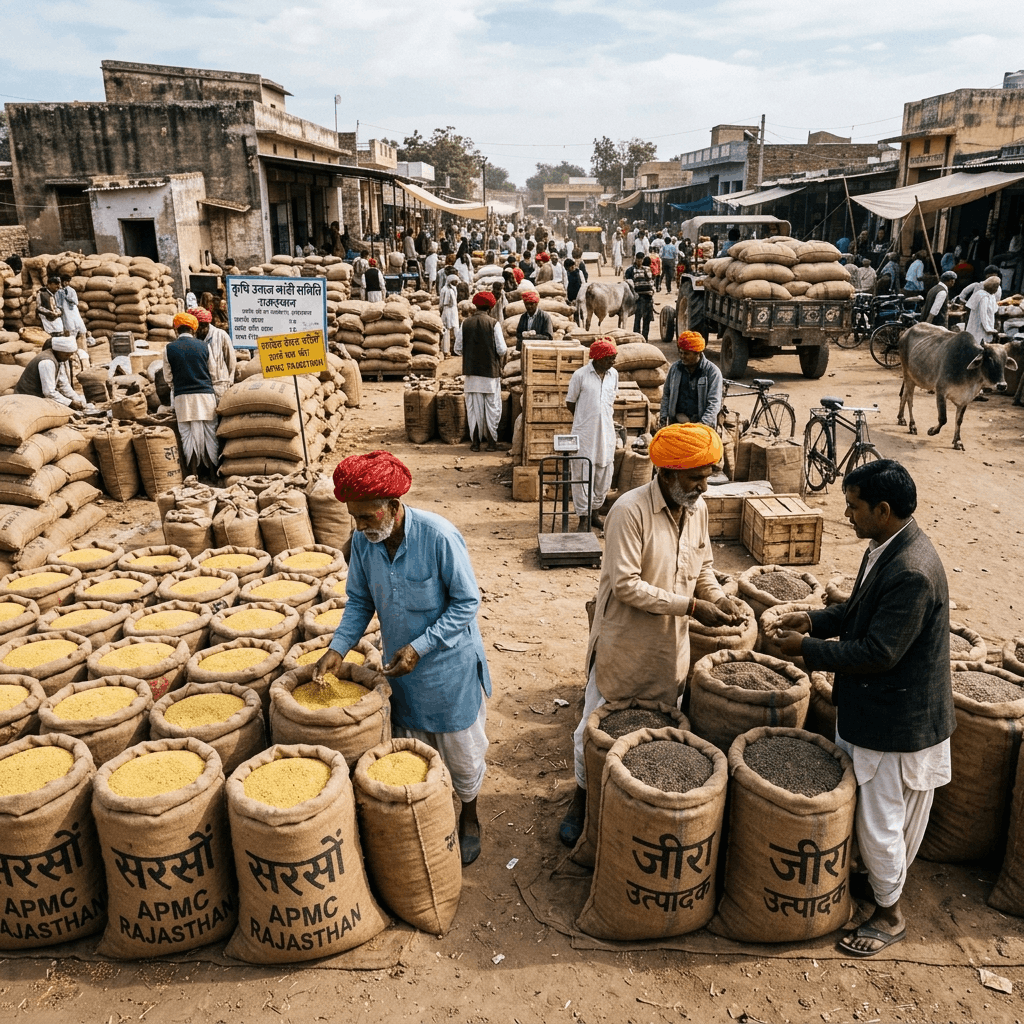
Nutrient Requirements and Organic Application Rates for Rajasthan Soils
Rajasthan's agriculture is dominated by arid and semi-arid regions, characterized by sandy desert soils that are naturally low in organic carbon, trace minerals, and water-holding capacity. Key regional crops like mustard, bajra (pearl millet), cumin (jeera), coriander, barley, and guar require specialized nutrient management to survive and thrive in these tough conditions. For open-field mustard and bajra, the recommended basal application rate is 4 to 5 tons of Mitti Gold composted cow dung manure per acre. This application adds vital organic matter that stabilizes the loose sand particles and reduces evaporation losses. For delicate spice crops like cumin and coriander, which have sensitive roots and need direct nutrient access, farmers should apply 1.5 to 2 tons of Mitti Gold vermicompost per acre during soil preparation. Due to rapid water infiltration and evaporation rates in sandy desert soils, incorporating 400 kg of Mitti Gold agricultural charcoal per acre is critical to lock in moisture and prevent nutrient leaching down past the root zone. Top-dressing with 250 kg of Mitti Gold pure cow dung powder during the vegetative phase supplies essential slow-release nitrogen and sulfur, promoting uniform growth and increasing seed density. Additionally, applying 8 to 10 liters of liquid vermiwash per acre through drip irrigation or as a soil drench helps supply instant micronutrients and growth-promoting hormones, which are essential for seedling survival. By implementing this combined organic feeding strategy, Rajasthan's farmers can significantly improve the physical structure and fertility of their sandy fields. This ensures that cumin seeds have high essential oil concentrations and mustard seeds have maximum oil recovery, making them highly desirable for premium traders at local and national auctions. Furthermore, to maximize effectiveness in hyper-arid zones like Jaisalmer, Barmer, and Bikaner, farmers are encouraged to implement a dual-phase soil enrichment program. In the first phase, which takes place during summer deep plowing, the incorporation of agricultural charcoal helps create a permanent carbon matrix that reduces soil temperature by up to 3 degrees Celsius at the root zone. In the second phase, just before seed sowing, broadcasting a mixture of Mitti Gold vermicompost and composted cow dung manure ensures that beneficial microbial inoculants are present to colonize the emerging radicles immediately. For micro-irrigated farms, regular weekly doses of vermiwash (5 liters per acre) combined with organic liquid formulations help maintain high humic content in the drip zone. This constant humic presence prevents the sandy soils from forming hard crusts after sudden light rains, which otherwise hinder seedling emergence. Additionally, during the flowering stage of mustard and cumin, a foliar spray of vermiwash at a 10% concentration can be paired with natural seaweed extracts. This foliar application stimulates the production of secondary metabolites, such as glucosinolates in mustard and cuminol in cumin, directly responsible for the intense flavor and high commercial grade of these commodities. Top-dressing with pure cow dung powder right before a scheduled irrigation ensures that the organic nitrogen is dissolved and carried directly to the shallow root networks of cumin plants, avoiding the volatilization losses that occur with synthetic urea under high desert winds. By maintaining this strict organic protocol, farmers can ensure that their arid soils undergo a slow but permanent transformation, increasing overall fertility, restoring natural soil biology, and providing a sustainable platform for high-value agricultural trading in regional krishi upaj mandis. Additionally, in clay-loam soils found in parts of Kota and Baran, where drainage is an issue during the monsoon, incorporating composted cow dung manure improves aeration and prevents waterlogging around root zones, while agricultural charcoal acts as a buffer against heavy metal accumulation. This comprehensive integration of organic amendments provides a complete soil-rebuilding solution for Rajasthan's diverse terrains, ensuring high-quality yields year after year.
How to Apply Organic Amendments in Rajasthan's Arid Soils
The application of organic inputs must focus on the conservation of moisture and nutrients in Rajasthan's sandy and sandy-loam soils. Broadcast Mitti Gold composted cow dung manure and agricultural charcoal evenly before the pre-sowing irrigation (locally known as palewa). This ensures that the organic matter and charcoal are incorporated into the soil during plowing and seeding operations. For cumin and coriander, sow seeds in shallow raised beds mixed with Mitti Gold vermicompost to facilitate controlled drip or sprinkler watering and prevent water stagnation. When to apply: The best time to apply the basal organic mix is in October-November during land preparation for the Rabi spice and mustard crops, and in June-July before the Kharif sowing. Drenching the soil with liquid vermiwash diluted at 1:10 during the vegetative stage improves plant vigor and helps spice crops withstand cold stress and temperature drops during harsh winter nights. For mustard crops, top-dressing with pure cow dung powder should be done before the first irrigation (about 25-30 days after sowing) to support branching and uniform seed pod development. Foliar application of vermiwash at a 10% concentration during flowering boosts flower retention, increases seed pod count, and prevents insect damage. Incorporating agricultural charcoal into the root zone creates a permanent amendment that improves the soil's water holding capacity season after season, reducing irrigation frequency and saving precious groundwater. These precise methodologies ensure that the nutrients are efficiently utilized by the crops rather than lost to the desert sun or leaching, maximizing crop yields and quality, and delivering premium commodities that stand out in the mandis.
1
Soil and Carbon Building
Broadcast composted cow dung manure and agricultural charcoal during land preparation to increase the organic matter of sandy soils.
2
Controlled Sowing and Feeding
Incorporate vermicompost and cow dung powder in the seeding lines to provide immediate nutrition to developing roots.
3
Harvest Cleaning and Packing
Clean and grade the harvested spices or grains, packing them in dry bags containing charcoal moisture absorbers before transport to the APMC.
Outcome Comparison: Organic Farming vs. Chemical Fertilizers in Rajasthan
Comparing crop performance and soil health under organic management using Mitti Gold vermicompost against conventional chemical farming in Rajasthan shows clear agronomic and financial benefits. Chemical fertilizers like Urea and DAP easily leach through sandy soils during irrigation, leading to groundwater pollution, high production costs, and soil compaction. Organic amendments, on the other hand, build soil structure, organic carbon levels, and water retention capacity. Cumin grown organically displays a higher essential oil content, distinct aroma, and bold seeds, fetching premium bids at mandis like Jodhpur and Merta City. Furthermore, organic mustard crops show higher seed density, higher oil percentage, and natural resistance to aphid attacks, whereas chemical-intensive fields require frequent, costly chemical pesticide sprays that destroy the beneficial insect populations. Soils treated with Mitti Gold agricultural charcoal and composted cow dung manure retain moisture up to 30% longer, which reduces irrigation costs and diesel usage for water pumps, providing a massive advantage in arid zones. Applying pure cow dung powder and spraying vermiwash results in zero chemical residues, ensuring that the spices and grains meet strict export standards. The economic analysis indicates that while chemical inputs yield diminishing returns and degrade the soil, organic cultivation increases crop value and protects the soil for future years, reducing overall input costs. This sustainability is crucial for Rajasthan's farmers, who face harsh climates and limited water resources, making organic farming a highly profitable, secure choice that ensures premium returns on every harvest at the state's competitive krishi upaj mandis.
Fostering Soil Micro-Life in Desert Soils
Sandy desert soils in Rajasthan often lack microbial activity due to high surface temperatures, low organic matter, and low moisture. The application of carbon-rich composted cow dung manure and highly porous Mitti Gold agricultural charcoal acts as a biological catalyst. The agricultural charcoal provides microscopic shelters that protect beneficial soil bacteria (like Azotobacter and Rhizobium) and mycorrhizal fungi from heat and dry spells, maintaining their populations during summer. These microbes break down minerals, making phosphorus and potassium easily accessible to crop roots. This biological activity increases soil health and encourages native earthworms to thrive, improving water infiltration. The humic substances in Mitti Gold vermicompost and vermiwash trigger the multiplication of beneficial actinomycetes, which decompose organic matter and improve soil texture. Earthworms, attracted to the organic carbon of pure cow dung powder, create vertical channels that help in deep root penetration and air circulation in the root zone. Mycorrhizal networks stimulated by the agricultural charcoal help plants absorb water from deeper soil layers, boosting drought tolerance and preventing crop failure during delayed monsoons. This biological revitalization is key to turning barren sands into productive, living soils, reducing the reliance on synthetic inputs and ensuring long-term fertility. A living soil ensures that crops can withstand climate extremes, resulting in stable yields and high-quality produce that easily meets the standards of national and international buyers at regional APMC markets.
Natural Pest Resistance and Wilt Prevention in Spices
Spices like cumin are highly vulnerable to wilt (Fusarium oxysporum), root rot, blight, and powdery mildew, which can destroy entire crops within days under unfavorable weather. Organic growers manage these diseases by maintaining excellent soil drainage and using preventative biological controls. Mixing Trichoderma and Pseudomonas-enriched Mitti Gold vermicompost and composted cow dung manure into the soil during sowing prevents root rot by colonizing the rhizosphere and suppressing pathogenic fungi. When to apply: Apply this biological shield during land preparation or seed dressing. Spraying a diluted mixture of fermented cow urine, neem oil, and vermiwash on the foliage acts as a natural insect repellent against aphids, whiteflies, and thrips, preventing virus transmission. The slow-release nutrients from pure cow dung powder help plants build natural defenses, such as thicker cell walls, which prevent fungal spores from penetrating. Additionally, agricultural charcoal in the soil absorbs fungal toxins and chemical residues, ensuring a healthy growth environment and preventing plant stress. This organic pest management strategy eliminates the need for toxic chemical pesticides, keeping the harvest completely residue-free. By using these natural methods, farmers protect the local ecosystem, safeguard natural predators like ladybugs, and ensure that their high-value spices fetch premium prices at the APMC without facing buyers' rejections due to chemical residue limits. This systematic approach ensures both healthy crops and healthy profits.
e-NAM Spice Trading and Premium Sales at Rajasthan APMCs
Rajasthan's major APMCs, including Jaipur (Muhana Mandi), Jodhpur (Bhagat Ki Kothi), Kota, and Unjha (neighboring Gujarat), are key trading centers for mustard, cumin, coriander, and oilseeds. Integration with the e-NAM platform allows farmers to trade digitally with national and international buyers. Certified organic cumin, coriander, and mustard command a 30% to 50% price premium over conventional crops. Exporters and premium spice brands bid actively on crops grown using natural inputs like Mitti Gold vermicompost and composted cow dung manure, as they easily pass pesticide residue tests. The assaying laboratories at these mandis evaluate quality parameters such as oil content in mustard and essential oil percentages in cumin. Incorporating Mitti Gold agricultural charcoal, pure cow dung powder, and vermiwash ensures a high-grade, residue-free harvest that consistently clears these tests. Direct online trading via e-NAM ensures transparent auctions, eliminating local middlemen cartels and commission agents who reduce the farmer's profits. Furthermore, the digital bidding process ensures immediate electronic payment directly into the farmer's bank account within 24 hours. This financial security allows farmers to invest in sustainable farming and high-quality inputs, transforming desert farming into a highly profitable enterprise. By producing certified organic, high-grade commodities, Rajasthan's farmers can access international markets, secure premium prices, and build a sustainable livelihood despite the challenging environmental conditions of the region.
📅 Official Application & Deadline Guide
⏳
Last Date of Application
Ongoing / Seasonal registration
🌐
Official Portal to Apply
Rajasthan Agricultural Marketing Board
Apply Online Here ↗
📦 Bulk Orders & Export
Mitti Gold Organic: For bulk orders of all organic fertilizers — Farmers, Nurseries, and Export. WhatsApp: +91 95372 30173
Rajasthan APMC and Organic Farming FAQ
Which is the largest APMC for cumin in Rajasthan?
The Jodhpur and Merta City APMCs are the largest trading hubs for cumin (jeera) in the state.
How can I prevent cumin wilt organically?
Maintain good drainage, practice crop rotation, and apply Trichoderma-enriched Mitti Gold vermicompost during land preparation.
Is agricultural charcoal suitable for sandy soils?
Yes, it is highly recommended as it increases water holding capacity and prevents nutrient leaching in sandy soils.
What is the best organic fertilizer for mustard?
A combination of composted cow dung manure and pure cow dung powder provides the nitrogen and sulfur needed for high seed yield and oil content.
How can I sell my organic crop on the Rajasthan e-NAM portal?
Register your land and organic certificate on the e-NAM portal, and list your crop at the nearest e-NAM enabled mandi.