📅 June 2026 | ✍️ Mitti Gold Organic | 🗂️ Machinery & Markets
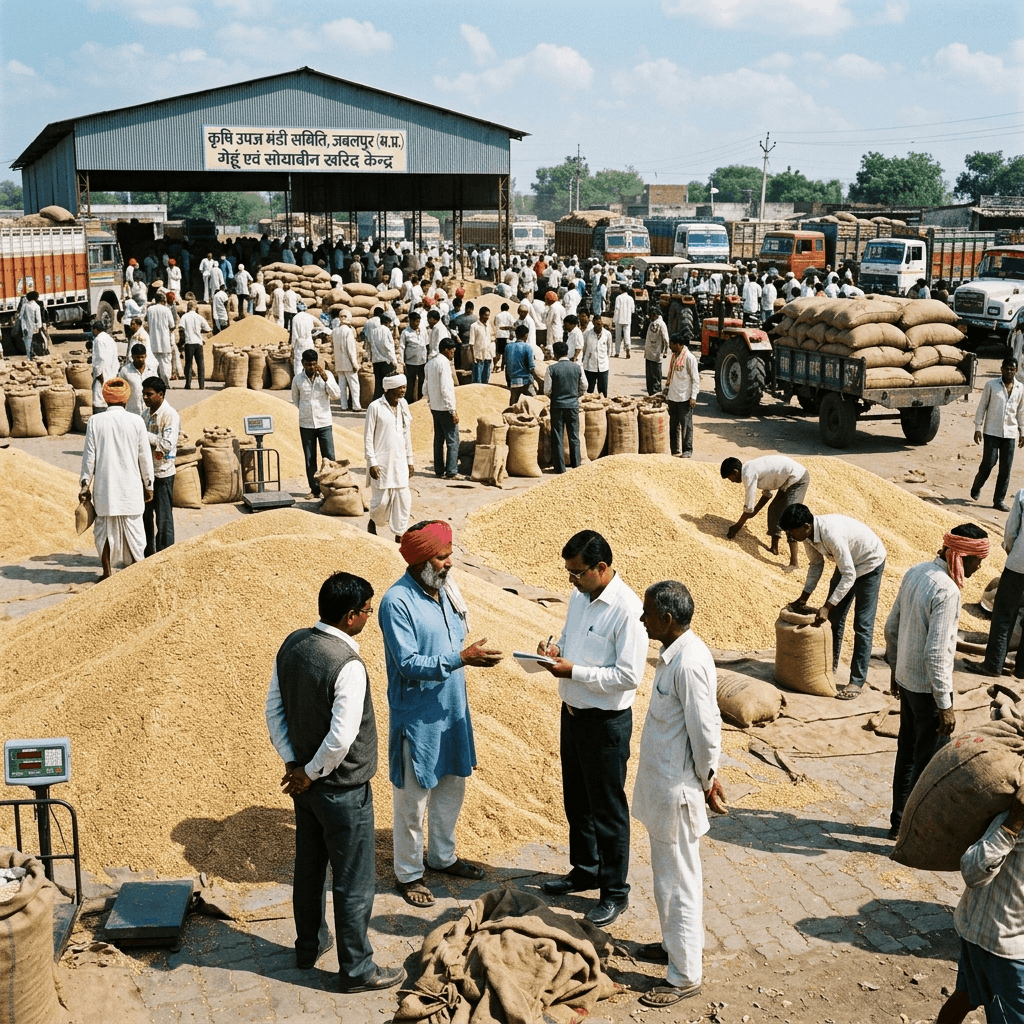
Nutrient Requirements and Organic Application Rates for Madhya Pradesh Soils
Madhya Pradesh, the 'Soybean State' of India, has a diverse range of soils from the fertile black soils of the Malwa plateau to the alluvial soils of the Narmada valley and the red-yellow soils of the eastern districts. Key crops like soybean, wheat (particularly the premium Sharbati variety), gram, garlic, mustard, and coriander require high levels of organic matter to produce bold grains, deep color, and high oil or flavor content. For open-field soybean and wheat cultivation, the recommended basal application rate is 4 tons of Mitti Gold composted cow dung manure per acre, mixed thoroughly into the soil during secondary tillage. This basal dose increases the soil organic carbon, which is crucial for microbial activation. For spice and bulb crops like garlic and onions, which require immediate and dense nutrient absorption, farmers should apply 1.5 to 2 tons of Mitti Gold vermicompost per acre during field preparation. Sandy and medium loam soils in parts of Chambal, Gwalior, and Bundelkhand suffer from poor water holding capacity and quick nutrient leaching; adding 250 to 300 kg of Mitti Gold agricultural charcoal per acre improves soil moisture retention and holds nutrients in the rhizosphere, preventing fertilizer run-off. Additionally, applying 200 to 250 kg of Mitti Gold pure cow dung powder as a top dressing during the vegetative phase provides essential secondary and micro-nutrients that improve yield density and market quality. Drenching the soil with vermiwash at 8 to 10 liters per acre during critical growth phases helps trigger hormonal activity in plants, improving root development, and enhancing photosynthetic activity. By implementing this balanced combination of organic amendments, farmers can restore the native physical and chemical characteristics of MP's soils, providing a stable foundation for high-quality production that fetches top prices in the state's competitive krishi upaj mandis. This comprehensive feeding strategy ensures that wheat grains develop a golden luster and soybeans have maximum oil content, satisfying the strict requirements of export traders.
How to Apply Organic Soil Amendments in Madhya Pradesh Agriculture
Proper application methods determine the effectiveness of organic amendments in Madhya Pradesh's varied cropping systems. For soybean and wheat, broadcast Mitti Gold composted cow dung manure and agricultural charcoal evenly across the field before the pre-sowing irrigation (locally known as palewa). This allows the agricultural charcoal and manure to integrate into the soil structure during the subsequent plowing and harrowing processes. For garlic and onions, apply Mitti Gold vermicompost in shallow beds before sowing cloves, ensuring the nutrients are placed directly where the developing roots can access them. When to apply: The best time to apply the basal organic mix is in June before the Kharif sowing, and in October-November during land preparation for the Rabi sowing. Drenching the soil with vermiwash diluted in a 1:10 ratio with water during the vegetative stage helps garlic crops develop larger, firmer bulbs and prevents leaf tip yellowing. Incorporating agricultural charcoal into the root zone helps buffer soil temperature during the harsh winter and dry summer seasons of Central India, reducing crop stress. For field crops like gram and mustard, top-dressing with pure cow dung powder during the first inter-cultivation (25-30 days after sowing) followed by light hoeing helps incorporate the nutrients into the soil. This top-dressing should be timed just before irrigation to ensure rapid decomposition and absorption by the crop. Foliar application of vermiwash at a 10% concentration during the pre-flowering stage of soybeans and wheat boosts flower retention, grain filling, and overall crop vigor. In fruit orchards of the Malwa region, vermicompost must be applied in the active root zone in circular rings, covering it with dry leaves as mulch. These precise application methodologies ensure that the organic fertilizers are not lost to volatilization or leaching, maximizing the nutrient efficiency and ensuring a rich harvest that meets the premium grading standards of Indore and Bhopal markets.
1
Basal Land Enrichment
Mix composted cow dung manure and agricultural charcoal with the soil before sowing to build soil carbon.
2
Vegetative Crop Feeding
Top-dress garlic and spice crops with vermicompost and cow dung powder to support root development and bulb growth.
3
Quality Post-Harvest Care
Dry and clean the grains or bulbs thoroughly, packing them in jute bags containing charcoal dehumidifiers to preserve quality before auction.
Outcome Comparison: Organic Farming vs. Chemical Fertilizers in Madhya Pradesh
Comparing crops grown with Mitti Gold vermicompost and composted cow dung manure against chemically farmed crops in Madhya Pradesh reveals superior quality and environmental advantages. Heavy application of chemical fertilizers like Urea and DAP in MP has led to severe soil crusting, depletion of soil organic carbon, and a drop in microbial populations. In contrast, organic amendments restore the natural soil structure, increasing its water-holding capacity and cation exchange capacity. Organically grown Sharbati wheat has a higher gluten index, superior baking quality, and a distinct golden luster, which commands premium bids at major mandis. Similarly, organic soybean crops show higher oil content, bolder seed size, and increased resistance to pod-blight and stem rot, while conventional chemical-intensive fields face rising pesticide costs and pest resistance. Furthermore, chemical farming leads to rapid nutrient runoff during the heavy monsoons in the Narmada valley, whereas soils amended with Mitti Gold agricultural charcoal retain nutrients in the root zone, making them available over the entire crop cycle. The moisture retention provided by agricultural charcoal and composted cow dung manure reduces the irrigation requirement, saving electricity and groundwater resources. Crop yields under organic management also show greater stability during erratic weather conditions, such as dry spells or unseasonal rains, which are common in Central India. The plants develop a robust root system and thicker stalks, preventing lodging in wheat. Additionally, applying pure cow dung powder and vermiwash results in produce that is completely residue-free, fulfilling the strict quality requirements of national organic food brands. The long-term economic comparison shows that while chemical farming might provide initial high yields, it depletes the soil, leading to higher input costs in successive years. Organic farming, on the other hand, builds soil fertility year-on-year, offering farmers a sustainable, input-secure path with premium market pricing.
Fostering Soil Microbiome in Central Indian Soils
The application of carbon-rich composted cow dung manure acts as a prebiotic for beneficial soil micro-life in Madhya Pradesh's agricultural soils. Highly porous Mitti Gold agricultural charcoal provides microscopic shelters for nitrogen-fixing bacteria like Rhizobium (essential for soybean nodules) and Azotobacter, protecting them from drying out during the hot summer months. These microbes work in tandem with mycorrhizal fungi to solubilize phosphorus and zinc, which are often locked up in MP's alkaline black soils. This biological synergy improves root growth, enhances nutrient absorption, and encourages earthworm activity, turning sterile dirt into a thriving, self-sustaining soil web. The presence of humic and fulvic acids in Mitti Gold vermiwash and Mitti Gold vermicompost stimulates the multiplication of beneficial actinomycetes, which are responsible for the earthy smell of healthy soil and play a key role in decomposing cellulose and lignin. The carbon-to-nitrogen ratio of composted cow dung manure provides the perfect fuel source for these microbes. As the microbial population thrives, they secrete natural chelating agents that bind trace minerals, making them easily absorbable by the plant roots. This active biological soil web also promotes the production of glomalin by mycorrhizal fungi, which binds soil particles and improves soil aggregation. Improved aggregation prevents the soil from crusting after heavy rains, allowing better air circulation to the roots. Earthworms, attracted to the organic matter of pure cow dung powder, further aerate the deep soil layers, creating vertical channels that assist in deep rooting and water infiltration. This biological revitalisation is key to restoring degraded soils in MP, ensuring long-term fertility, and reducing the need for synthetic chemical inputs. Ultimately, a living soil produces plants with superior vigor and nutrient density, which translates directly to better grading and higher prices at the mandi auctions.
Natural Pest Management and Disease Mitigation
Crops grown in soil enriched with Mitti Gold vermicompost develop stronger root systems and high natural immunity against pathogens. To prevent devastating diseases like soybean yellow mosaic virus, garlic purple blotch, and gram wilt, organic farmers in Madhya Pradesh use preventative bio-control measures. Mixing Trichoderma and Pseudomonas-enriched composted cow dung manure into the root zone builds a defense barrier against soil-borne root rot, damping-off, and wilt pathogens. When to apply: Apply this mix during sowing or transplanting. Regular sprays of fermented cow urine, neem-seed kernel extract, and liquid vermiwash repel sucking insects like whiteflies, thrips, and aphids, eliminating chemical residues. Sucking pests are the primary vectors for viral diseases; by repelling them naturally, farmers protect their crops from viral outbreaks. Additionally, agricultural charcoal in the soil absorbs toxic chemical residues and heavy metals, preventing them from entering the plant's system. The slow-release nutrients from composted cow dung manure and pure cow dung powder help the plant maintain balanced vegetative growth, avoiding the excess nitrogen bloating that attracts pests. In contrast, chemically farmed crops with high urea application have thin cell walls, which are easily breached by insect mouthparts and fungal hyphae. Organic crops develop a thicker cuticle layer and accumulate phenolic compounds, which act as natural deterrents. This organic pest management strategy not only ensures a clean, residue-free harvest that commands top prices at the APMC but also protects the local ecosystem, including beneficial pollinators and predatory insects like ladybirds and lacewings that help control pest populations naturally. By utilizing these natural methods, farmers reduce their reliance on expensive, hazardous chemical pesticides, ensuring their produce is safe for consumption and highly valued by buyers.
Premium Organic Sales and e-NAM Auctions at Madhya Pradesh APMCs
Madhya Pradesh's major APMCs, including Indore (Choithram Mandi), Bhopal (Karond Mandi), Neemuch, and Ujjain, have dedicated e-NAM terminals that allow buyers from across India to bid online. Certified organic crops grown using natural inputs like Mitti Gold vermicompost and composted cow dung manure fetch a 30% to 50% price premium over conventional crops. Exporters and food brands buy organic wheat, pulses, and oilseeds directly from registered organic farmers. Listing your crop on e-NAM as organic ensures transparent auctions, eliminates local market cartels, and guarantees direct payment into the farmer's bank account. Buyers are willing to pay more for crops grown with Mitti Gold agricultural charcoal, pure cow dung powder, and vermiwash because they meet the zero-residue standards required for international markets. The assaying laboratories at these mandis test the quality, moisture content, and chemical residues before listing. Organically grown crops consistently receive higher grade certificates, attracting national and international buyers. By trading through these digital channels, farmers avoid middlemen commissions and unfair deductions. The integration of e-NAM also provides farmers with real-time price discovery, helping them decide the best time to sell their harvest. Immediate electronic payments directly to their bank accounts provide financial security, allowing them to reinvest in high-quality organic inputs for the next cropping season. This systematic approach to cultivation and marketing ensures that organic farming in Madhya Pradesh is both environmentally sustainable and commercially lucrative, paving the way for rural prosperity and soil restoration across the state.
📅 Official Application & Deadline Guide
⏳
Last Date of Application
Ongoing / Seasonal registration
🌐
Official Portal to Apply
MP State Agricultural Marketing Board (Mandi Board)
Apply Online Here ↗
📦 Bulk Orders & Export
Mitti Gold Organic: For bulk orders of all organic fertilizers — Farmers, Nurseries, and Export. WhatsApp: +91 95372 30173
Madhya Pradesh APMC and Organic Farming FAQ
What is the largest grain APMC in MP?
The Indore APMC (Choithram Mandi) is the largest grain market, handling massive daily trades of soybean, wheat, and pulses.
How can I increase soybean oil content organically?
Apply balanced organic nutrition using composted cow dung manure and vermicompost, which supply trace minerals and sulfur naturally.
Is agricultural charcoal beneficial for wheat cultivation?
Yes, it improves soil moisture retention in the Malwa region, reducing irrigation water requirements and nutrient leaching.
How can I sell Sharbati wheat at premium rates?
Grow it organically, secure organic certification, and trade via e-NAM or direct contracts with premium food brands.
What is the role of cow dung powder in garlic farming?
Mitti Gold pure cow dung powder acts as a slow-release fertilizer that increases soil organic carbon and boosts garlic bulb size.