📅 June 2026 | ✍️ Mitti Gold Organic | 🗂️ Machinery & Markets
Nutrient Requirements and Organic Application Rates for Karnataka Soils
Karnataka's diverse agro-climatic zones present varied soil conditions, from the red sandy loams of the south to the laterite soils of the coastal-malnad region and the black cotton soils of the northern plains. Key crops like ragi (finger millet), paddy, arecanut, coconut, pomegranate, and coffee require balanced organic inputs to maintain soil fertility and structure over multiple cropping seasons. For field crops like ragi and paddy, the recommended basal application rate is 4 tons of Mitti Gold composted cow dung manure per acre during the primary plowing stage. This builds up the vital humus content of the soil, preventing nutrient run-off during heavy rains. For plantation crops like arecanut and coconut, apply 15 to 20 kg of composted cow dung manure and 5 to 8 kg of Mitti Gold vermicompost per tree annually to sustain vegetative vigor and high nut weight. In coffee plantations of Chikmagalur and Kodagu, intercropped with black pepper vines, applying a basal dose of 5 kg of vermicompost per vine stimulates root development and enhances berry retention. Laterite and red soils, especially in regions like Shimoga, Chikmagalur, and Dakshina Kannada, are often acidic and deficient in organic carbon; incorporating 300 to 400 kg of Mitti Gold agricultural charcoal per acre helps buffer soil pH, improves cation exchange capacity, and prevents essential nutrient leaching during the intense monsoon seasons. For high-value fruit crops like pomegranate and banana, top-dressing with 250 kg of Mitti Gold pure cow dung powder during the pre-flowering and fruit-set phases provides a rich, slow-release nitrogen source, alongside secondary elements that ensure sweet, high-quality fruits with premium market appeal. In dry regions like Chitradurga and Tumakuru, where groundnut and millets are grown, applying 300 kg of composted cow dung manure per acre during secondary tillage ensures a resilient soil moisture profile. Additionally, soil drenching and foliar application of vermiwash at a rate of 10 liters per acre during the vegetative phase improves nutrient uptake, triggers rooting hormones, and enhances drought resistance in dry regions. By combining composted cow dung manure, Mitti Gold vermicompost, agricultural charcoal, and vermiwash, Karnataka's farmers can create a resilient soil environment that supports sustainable, high-yield production, ensuring their produce meets the high-quality benchmarks needed for top-tier pricing in regional APMCs. Furthermore, regular monitoring of soil electrical conductivity and pH levels allows farmers to adjust these application rates dynamically, ensuring optimal nutrient availability and maximizing economic returns on every harvest season.
How to Apply Organic Amendments in Karnataka's Farms and Plantations
Effective utilization of organic amendments varies by crop type and requires precise application methods to maximize nutrient efficiency on Karnataka's farms. For arecanut and coconut palms, dig a ring-trench approximately 15 cm deep and 1 to 1.5 meters away from the tree trunk along the active drip line. Mix the excavated soil with Mitti Gold vermicompost, composted cow dung manure, and agricultural charcoal, then backfill the trench and irrigate the area immediately to trigger microbial action. When to apply: The best time for this plantation application is during the post-monsoon period (September to November) before the flowering cycles start, allowing the trees to absorb nutrients for the upcoming yield. For cardamom plantings in coffee estates, applying pure cow dung powder around the root zone before the onset of pre-monsoon showers ensures a steady supply of nutrients when the plant needs it most. For seasonal field crops like ragi, maize, and paddy, broadcast composted cow dung manure and agricultural charcoal during the final plowing or puddling stages, ensuring the organic carbon is thoroughly integrated into the root zone. In wet paddy fields, agricultural charcoal should be incorporated during the first puddling to stabilize nitrogen levels and reduce volatilization losses. Drenching transplant beds and young seedlings with a 10% vermiwash solution during the vegetative stage promotes quick root establishment, reduces transplant shock, and enhances crop vigor. For high-value pomegranate orchards in North Karnataka, top-dressing with pure cow dung powder should be carried out during the active vegetative growth stage, followed by light raking and immediate drip irrigation. Vermiwash can also be applied as a foliar spray at a 1:5 dilution ratio to promote leaf expansion, chlorophyll synthesis, and overall disease resistance. Incorporating agricultural charcoal during land preparation in acidic soils buffers the soil, ensuring that the applied Mitti Gold vermicompost nutrients remain available to the plant instead of being locked up or washed away by heavy monsoon rains. By adhering to these tailored application schedules, farmers can dramatically reduce fertilizer wastage, improve overall crop health, and produce grade-A commodities that command excellent market prices at Yeshwanthpur and other major APMC mandis.
1
Root Basin Enrichment
Dig circular trenches around plantation trees and fill them with composted cow dung manure, vermicompost, and agricultural charcoal.
2
Soil pH and Moisture Management
Broadcast agricultural charcoal in acidic laterite soils to buffer pH and retain nutrients during heavy monsoon rains.
3
Crop Harvesting and Packing
Grade the harvested arecanut or grains, packing them in dry bags with charcoal packets to prevent moisture absorption and fungal spoilage before auction.
Outcome Comparison: Organic Farming vs. Chemical Fertilizers in Karnataka
Comparing farms managed with Mitti Gold vermicompost against chemical-intensive farms in Karnataka reveals distinct agricultural benefits and long-term soil improvement. Chemical fertilizers like synthetic urea, diammonium phosphate (DAP), and potassic formulations lead to rapid soil degradation, especially in acidic laterite and red soils where nutrients leach away during the heavy monsoons, leaving the soil sterile, compacted, and acidic. Conversely, organic inputs improve soil aggregation, porosity, and cation exchange capacity. Arecanut trees fertilized organically show high resistance to yellow leaf disease and produce nuts with higher density, better kernel quality, and increased weight. Pomegranates grown organically have a rich color, high juice percentage, and sweet flavor, fetching premium bids at APMC markets compared to chemically grown fruits that tend to have a shorter shelf life and are prone to skin cracking during transport. Furthermore, soils treated with Mitti Gold agricultural charcoal and composted cow dung manure show a significant increase in water-holding capacity, allowing crops to withstand dry spells without dropping flowers or fruit. Top-dressing with pure cow dung powder and applying vermiwash helps establish a natural nutrient reservoir in the soil, reducing the need for chemical top-dresses that burn roots and kill beneficial soil organisms. The economic comparison reveals that while chemical farming requires rising input budgets and yields fewer premium grades over time, organic farming stabilizes yields and increases the percentage of export-grade produce. Organic paddy exhibits higher head rice recovery during milling because the grains are structurally dense, which fetches premium pricing from millers and traders at major APMCs like Hubli and Davanagere, making the transition to organic cultivation highly profitable.
Revitalizing Soil Biology in Acidic and Laterite Soils
Acidic laterite soils in coastal and hilly Karnataka often have low microbial activity due to low pH and heavy leaching of organic matter. Applying carbon-rich composted cow dung manure and highly porous Mitti Gold agricultural charcoal buffers the soil pH, creating a favorable, neutral environment for soil micro-life to flourish. The agricultural charcoal acts as a micro-refuge for beneficial mycorrhizal fungi, Azotobacter, and phosphate-solubilizing bacteria, protecting them from drying out during dry spells and shielding them from chemical residues. These microbes break down organic matter and unlock bound phosphorus and iron, making them available to the crops. This biological activity increases the population of native earthworms, which aerate the soil and improve root health. The humic substances in Mitti Gold vermicompost and vermiwash act as strong microbial catalysts, accelerating the multiplication of beneficial actinomycetes in the soil. These organisms are vital for decomposing cellulose from crop residues, converting them into stable humus. Furthermore, earthworms attracted to the organic carbon of pure cow dung powder create deep burrows that enhance water infiltration and root penetration, preventing soil erosion on sloping plantation lands of Western Ghats. The mycorrhizal networks facilitated by the agricultural charcoal extend the root surface area, allowing plants to absorb nutrients and water from deeper soil layers. This thriving microbiome acts as a natural biological filter, protecting the roots from harmful pathogens and ensuring that the soil remains productive and fertile for future generations without the need for expensive chemical inputs, creating a self-sustaining ecosystem.
Natural Pest and Disease Control in Humid Climates
The humid climates of Karnataka's coastal and hilly regions favor fungal pathogens like bud rot in coconut, koleroga (rot) in arecanut, and blast in paddy. Chemical fungicides are costly, leave toxic residues, and harm the environment. Organic growers manage these issues naturally by applying Trichoderma and Pseudomonas-enriched Mitti Gold vermicompost and composted cow dung manure around the tree basins. When to apply: Apply this biological shield before the onset of the southwest monsoon, allowing the beneficial microbes to colonize the root zone before the damp season begins. Spraying a diluted mixture of fermented cow urine, neem oil, and vermiwash on the foliage acts as an effective preventive barrier against leaf spots, capsule borers, and sucking pests. The systemic acquired resistance (SAR) developed by the plants prevents pathogens from entering the plant tissues, as the organic nutrients help build thicker cell walls and cuticles. The addition of agricultural charcoal to the soil absorbs toxins and prevents the spread of soil-borne pathogens like Phytophthora and Fusarium. Pure cow dung powder, when mixed with bio-pesticides like Beauveria bassiana, acts as a carrier that keeps the beneficial microbes alive and active on the soil surface, providing long-lasting protection. This organic protection strategy ensures that crops are free from pesticide residues, making them acceptable for strict export markets in Europe and North America. By maintaining soil health and using natural pest repellents, farmers can protect their crops without disrupting the ecological balance, ensuring the safety of workers, consumers, and the local wildlife.
Premium Spices and e-NAM Trading at Karnataka APMCs
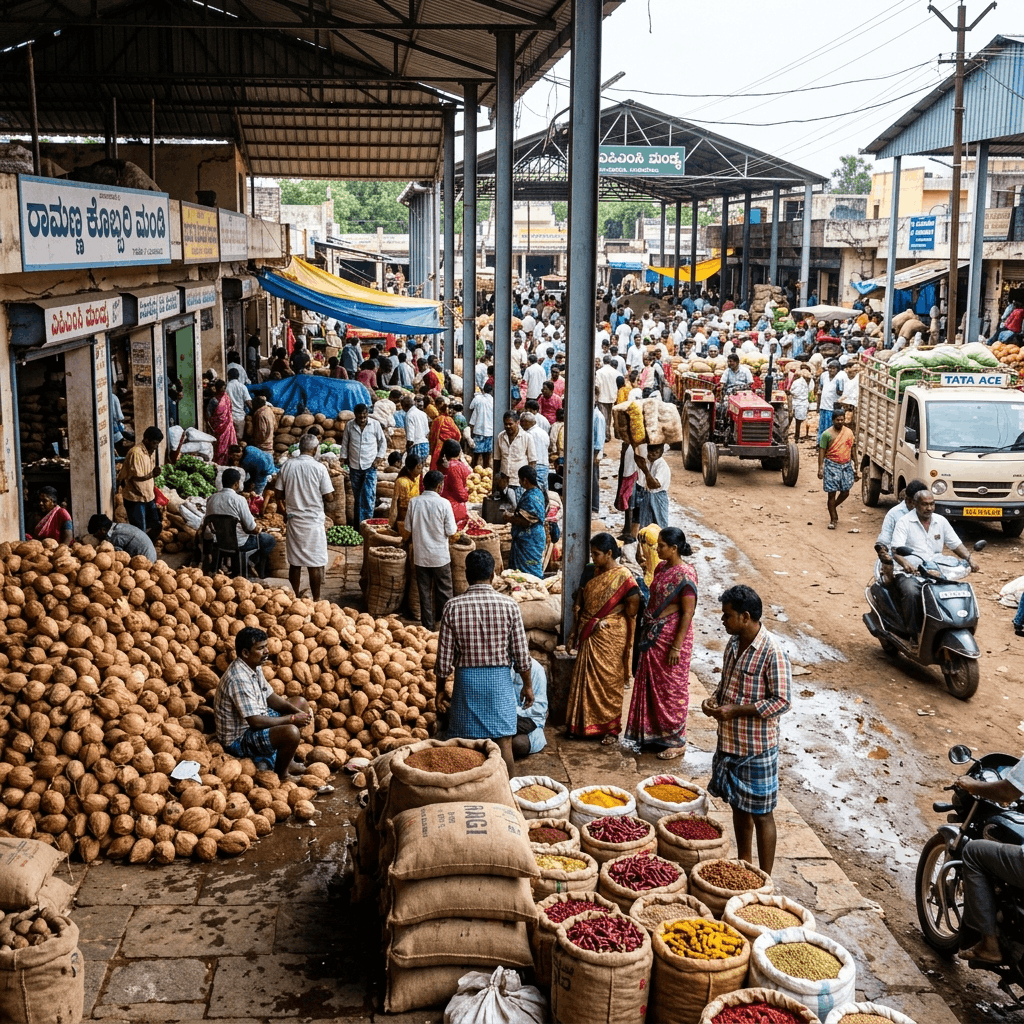
Yeshwanthpur (Bengaluru), Hubli, Mangaluru, and Shimoga APMCs are major trading centers for grains, pulses, arecanut, and spices in Karnataka. The state's integration with the e-NAM platform allows farmers to access national buyers and receive competitive bids. Certified organic ragi, arecanut, coconuts, and pulses command a 30% to 50% price premium over conventional crops. Exporters and premium organic brands bid actively on crops grown using natural inputs like Mitti Gold vermicompost and composted cow dung manure. These premium inputs improve quality parameters such as kernel density, color, and size, which are tested during the mandi's assaying process. Incorporating Mitti Gold agricultural charcoal, pure cow dung powder, and vermiwash ensures that the produce is completely residue-free, easily clearing the strict phytosanitary checks required for export. Direct trading via e-NAM ensures transparent auctions, eliminating middlemen cartels and commission agents who reduce the farmer's share. Furthermore, the digital bidding process ensures immediate electronic payment directly into the farmer's bank account within 24 hours. This financial stability allows farmers to invest in sustainable techniques and purchase high-quality organic inputs for the next cycle. By producing high-grade, certified organic commodities, farmers in Karnataka can establish direct relationships with exporters and organic food chains, securing long-term contracts and maximizing their agricultural profits, transforming traditional farming into a modern, highly profitable business enterprise.
📅 Official Application & Deadline Guide
⏳
Last Date of Application
Ongoing / Seasonal registration
🌐
Official Portal to Apply
Karnataka State Agricultural Marketing Board (KSAMB)
Apply Online Here ↗
📦 Bulk Orders & Export
Mitti Gold Organic: For bulk orders of all organic fertilizers — Farmers, Nurseries, and Export. WhatsApp: +91 95372 30173
Karnataka APMC and Organic Farming FAQ
Which is the largest APMC for arecanut in Karnataka?
The Mangaluru and Shimoga APMCs are the largest trading hubs for arecanut (supari) in the state.
How can I control arecanut rot (koleroga) organically?
Maintain good drainage, apply Trichoderma-enriched Mitti Gold vermicompost, and spray a preventive Bordeaux mixture before monsoon.
Is agricultural charcoal suitable for laterite soils?
Yes, it is highly beneficial for acidic laterite soils as it buffers pH and prevents nutrient leaching during heavy rains.
What are the benefits of organic vermicompost for ragi?
It improves soil moisture retention and supplies balanced nutrients, resulting in higher grain yield and bolder seeds.
How can I sell my organic crop on the Karnataka e-NAM portal?
Register your land on the portal, obtain an organic certificate from an accredited agency, and list your crop at the nearest e-NAM enabled APMC.