📅 June 2026 | ✍️ Mitti Gold Organic | 🗂️ Machinery & Markets
Nutrient Management and Organic Application Rates for Haryana Soils
Haryana's agricultural landscape is dominated by the intensive rice-wheat cropping system. The soils range from fertile loams in the north-eastern districts to sandy soils in the south-western regions, which are prone to salinity and waterlogging. To restore depleted soil organic carbon and maintain long-term productivity, organic inputs are highly recommended. For open-field paddy and wheat, the recommended basal application rate is 4 tons of Mitti Gold composted cow dung manure per acre. This organic manure acts as a soil builder, restoring crucial humic substances and vital nutrients. For high-value Basmati rice and cotton, farmers should apply 2 tons of Mitti Gold vermicompost per acre during soil preparation. This premium vermicompost supplies balanced nutrition, active enzymes, and natural growth hormones that stimulate root development and plant health. In areas prone to soil salinity and waterlogging, incorporating 300 to 450 kg of Mitti Gold agricultural charcoal per acre improves soil drainage, increases aeration, and buffers root zones against salt stress. Top-dressing with 250 kg of Mitti Gold pure cow dung powder during the vegetative growth stage provides the nitrogen needed for strong vegetative growth and high yield quality. Additionally, farmers should apply liquid vermiwash as a foliar spray at a rate of 10 to 15 liters per acre, diluted with water, during critical vegetative growth and tillering phases. This foliar application provides immediate macro and micro-nutrients directly to the leaves, enhancing photosynthetic efficiency and stress tolerance. By combining these organic inputs, Haryana's farmers can restore soil structure, reduce synthetic chemical fertilizer usage, and produce high-quality crops that command premium prices at mandis. Furthermore, this organic practice improves the water retention capacity of sandy loam soils, which is essential for conserving groundwater in Haryana's water-stressed regions. The combination of composted cow dung manure and agricultural charcoal creates a stable carbon matrix in the soil. This matrix holds onto nutrients and prevents them from leaching away with irrigation water. The porous nature of the charcoal also creates a beneficial microhabitat for nitrogen-fixing bacteria, which further enriches the soil. Ultimately, this comprehensive organic approach enables Haryana's growers to build a more resilient farming system, improving both crop yield and soil sustainability.
How to Apply Organic Soil Amendments in Haryana's Crop Cycles
The timing and method of applying organic amendments are crucial to maximize nutrient efficiency in Haryana's intensive farming systems. In paddy fields, incorporate Mitti Gold composted cow dung manure and Mitti Gold agricultural charcoal during the puddling stage before transplanting. For wheat, broadcast composted manure during the final harrowing before sowing. When to apply: Basal applications should occur in June for the Kharif season and October-November for the Rabi season. For cotton, apply Mitti Gold vermicompost in shallow bands along the crop rows, followed by light irrigation. This targeted application ensures that the nutrients are concentrated near the crop's root zone, minimizing weed competition and maximizing fertilizer use efficiency. Drenching the crops with liquid vermiwash during the tillering stage in wheat and vegetative stage in rice enhances nutrient uptake and tillering. The liquid vermiwash should be diluted at a 1:10 ratio with water and applied close to the root zone. During the active growth phase of cereal crops, farmers should also top-dress with Mitti Gold pure cow dung powder to provide a slow-release nitrogen boost. The integration of agricultural charcoal is highly beneficial in the sandy soils of Southern Haryana, as it prevents rapid moisture loss and stabilizes soil structure. By scheduling organic applications in coordination with the crop's growth stages and local weather conditions, farmers can optimize nutrient availability, improve crop health, and secure higher yields. Furthermore, this method helps protect crops against sudden dry spells by keeping the root zone consistently moist and nutrient-rich. Additionally, when preparing the soil for oilseed crops like mustard, applying agricultural charcoal alongside composted cow dung manure during primary tillage helps build a long-lasting reservoir of nutrients. The highly porous structure of the charcoal acts as a biological magnet, preventing the leaching of water-soluble nutrients from the manure during heavy rains. By matching application techniques to the specific soil moisture levels and crop requirements, farmers can dramatically reduce input wastage, build long-term soil resilience, and achieve sustainable productivity year after year.
1
Basal Soil Prep
Broadcast composted cow dung manure and agricultural charcoal before sowing to build soil carbon and improve drainage.
2
Split Crop Feeding
Apply vermicompost and cow dung powder during vegetative growth stages to support root development and plant health.
3
Harvest Cleaning
Sort and clean harvested grains, packing them in dry bags containing agricultural charcoal packets to prevent moisture absorption and spoilage before auction.
Outcome Comparison: Organic Farming vs. Chemical Fertilizers in Haryana
Comparing crops grown with Mitti Gold vermicompost against chemical-intensive cultivation in Haryana shows clear benefits. Heavy application of chemical fertilizers (like Urea, DAP) has led to soil compaction, micronutrient deficiencies, and lower water tables across the state. In contrast, organic amendments improve soil structure, water retention, and microbial activity. Organically grown Basmati rice produces longer grains with a distinct aroma and higher head rice recovery during milling, giving farmers a significant advantage over chemically grown grain. Organic wheat displays better gluten quality and grain luster, fetching premium bids at mandis like Karnal and Kurukshetra, while chemical-farmed crops face declining yields and rising fertilizer costs. When potato and vegetable fields are treated with Mitti Gold composted cow dung manure and agricultural charcoal, the soil remains loose and aerated. This prevents tuber rot and yields vegetables with longer storage life and firmer texture. Furthermore, crops grown with organic inputs show a higher tolerance to water stress, maintaining their green foliage during dry spells, whereas chemically fertilized fields wilt quickly. The application of pure cow dung powder and vermiwash sprays provides a full spectrum of micronutrients that are completely absent in synthetic fertilizers, leading to crops that are naturally more flavorful and nutrient-dense. Consequently, organic produce commands a 30% to 50% price premium in the market. By transitioning to organic practices, Haryana's farmers can break the cycle of chemical dependency, lower their operating costs, and protect their land's agricultural value for future generations. This ecological transition also leads to significant environmental benefits, such as reduced chemical runoff into local canals and a decrease in greenhouse gas emissions. Farmers who adopt this organic system report that their soils become easier to till within just two seasons, requiring less tractor fuel and labor. The enhanced soil structure also allows for quicker water infiltration during heavy rains, reducing the risk of waterlogging and crop loss. Organically grown crops are also physically stronger, with thicker stems that prevent lodging during windy conditions. Ultimately, the organic method creates a more resilient, profitable, and ecologically sustainable farming system that secures the farmer's livelihood.
Fostering Soil Microbiome in Saline and Depleted Soils
Intensive farming and heavy chemical use in Haryana have depleted the natural soil microbiome, resulting in compacted and less productive soils. Incorporating carbon-rich Mitti Gold composted cow dung manure combined with porous Mitti Gold agricultural charcoal provides a stable habitat that protects beneficial bacteria, such as Azotobacter (nitrogen-fixing) and Pseudomonas (phosphate-solubilizing), from chemical residues and temperature extremes. These microbes colonize the micro-pores of agricultural charcoal, helping solubilize bound phosphorus and trace minerals in the soil. This biological activity stimulates root growth, improves nutrient absorption, and encourages earthworm activity, which naturally aerates compacted soils. The addition of Mitti Gold vermicompost inoculates the soil with millions of active, beneficial microorganisms and enzymes that stimulate plant growth. As earthworms consume this organic matter, they create channels that improve soil aeration and water infiltration, which is critical for root respiration. Regular applications of liquid vermiwash act as a biostimulant, supplying soluble carbon and trace elements that feed rhizospheric microbes and accelerate their reproduction. This microbial activity produces glomalin, a biological glue that binds soil particles into stable aggregates, improving soil texture and preventing water erosion. Over time, the soil becomes a living, self-nourishing ecosystem that cycles nutrients efficiently, reducing the need for synthetic inputs. By restoring soil biology with pure cow dung powder and agricultural charcoal, farmers can rebuild their soil's natural fertility, ensuring high-quality, sustainable crop production year after year. This biological rejuvenation is particularly important for rebuilding soil health in areas that have suffered from heavy monocropping, as it reintroduces the biodiversity necessary for a balanced, healthy agricultural ecosystem. As the microbial population increases, they also establish a competitive environment that naturally suppresses soil-borne pathogens. Beneficial fungi like Trichoderma and mycorrhizae colonize the root surfaces, forming a protective barrier that blocks disease-causing organisms. This biological shield reduces the incidence of root rot and wilt diseases, protecting crop yields without the need for toxic chemical fungicides. The restoration of soil biodiversity thus serves as both a nutrient delivery system and a natural plant protection mechanism, creating a stable, high-yielding agricultural system.
Natural Pest and Pathogen Defense in Haryana Crops
Paddy and wheat crops in Haryana are vulnerable to various pests and diseases, including stem borer, leaf blast in rice, and yellow rust in wheat. Chemical pesticide applications leave toxic residues, increase production costs, and lead to pest resistance. Organic farmers manage these diseases by mixing Trichoderma-enriched Mitti Gold vermicompost into the soil during sowing or land preparation. This biological shield suppresses soil-borne pathogens and improves plant immunity by activating systemic acquired resistance. When to apply: Apply this biological mixture during land preparation. Regular foliar sprays of fermented cow urine mixed with neem oil act as a natural insect repellent against sucking pests like thrips and whiteflies. The incorporation of Mitti Gold composted cow dung manure and agricultural charcoal helps absorb and neutralize soil toxins, creating a clean, healthy root environment. Drenching the soil and spraying the foliage with liquid vermiwash introduces beneficial microbes that compete with pathogens for space and nutrients on the leaf surface, reducing the incidence of powdery mildew and leaf spot. In vegetable crops, applying pure cow dung powder during soil preparation provides essential micronutrients like zinc and boron, which strengthen plant cell walls and make them physically resistant to fungal penetration. This natural protection system preserves the population of beneficial insect predators, such as ladybugs and spiders, which control pest populations naturally. By avoiding chemical fungicides, farmers can ensure that their harvests are free from harmful residues, making them ideal for high-value organic markets and exports. This integrated approach to crop health not only saves money on chemical inputs but also secures a safer working environment for farmers. Additionally, the moisture-regulating properties of agricultural charcoal prevent the waterlogged conditions that favor root-rotting pathogens. In the heavy soils of Haryana, this drainage assistance is invaluable, as it ensures that the roots receive sufficient oxygen even during heavy monsoon phases, preventing physiological stress that makes plants susceptible to diseases. By maintaining a clean, well-drained, and microbially active root zone, farmers can dramatically reduce crop losses and secure a stable, high-quality harvest.
Premium Sourcing and e-NAM Trading at Haryana APMCs
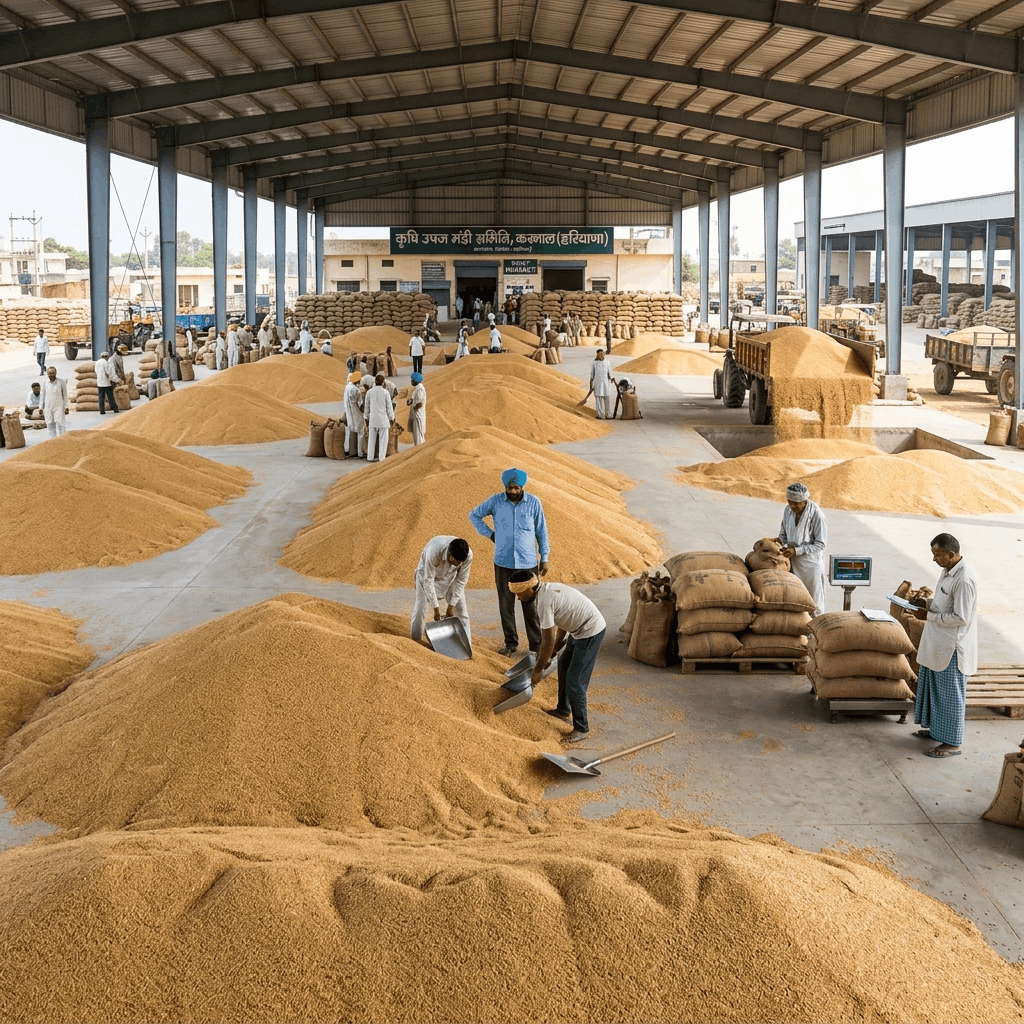
Major Haryana APMCs like Karnal, Kurukshetra, and Sirsa are fully integrated with the e-NAM platform, allowing digital bidding. Certified organic produce, particularly organic Basmati rice, wheat, and cotton, commands a price premium of 30% to 50% in these markets. Exporters and organic retail brands actively bid on crops grown using natural inputs like Mitti Gold vermicompost. Direct online trading on e-NAM ensures transparent auctions, eliminates local market cartels, and guarantees secure, direct payment into the farmer's bank account. When farmers utilize Mitti Gold composted cow dung manure and agricultural charcoal, they produce grains and cotton of superior physical appearance, size, and shelf life, which immediately stand out during the digital assaying process on e-NAM. The use of pure cow dung powder and vermiwash guarantees chemical-free produce, which is a major selling point for high-value export markets in Europe and North America. Exporters from nearby hubs actively seek out organic Basmati rice and premium wheat for shipments overseas. In addition, the rising demand for organic baby foods, health supplements, and packaged cereals in urban centers has opened up lucrative opportunities for contract farming. Food processing companies are increasingly willing to enter into pre-harvest agreements with farmer groups who strictly use natural inputs such as composted cow dung manure and vermiwash. These agreements provide farmers with guaranteed pricing and financial security, eliminating the price volatility associated with local trade. By focusing on quality and leveraging digital platforms, Haryana's farmers can tap into these high-value supply chains, boosting their household incomes and establishing a prestigious reputation for the state's organic produce on the global stage. This economic transformation enables smallholder farmers to invest in modern organic farming equipment, ensuring long-term prosperity and sustainability. Moreover, the shelf-life enhancement provided by agricultural charcoal during storage means that farmers can wait for peak market prices rather than being forced into distress sales. This gives them greater bargaining power and higher profitability. By adopting organic practices, farmers not only improve their local environments but also build a highly profitable brand for their region, attracting agricultural tourism and government subsidies aimed at promoting sustainable farming.
📅 Official Application & Deadline Guide
⏳
Last Date of Application
Ongoing / Seasonal registration
🌐
Official Portal to Apply
Haryana State Agricultural Marketing Board (HSAMB)
Apply Online Here ↗
📦 Bulk Orders & Export
Mitti Gold Organic: For bulk orders of all organic fertilizers — Farmers, Nurseries, and Export. WhatsApp: +91 95372 30173
Haryana APMC and Organic Farming FAQ
Which is the largest APMC market in Haryana?
The Karnal APMC and the Sirsa APMC are among the largest agricultural trading hubs in the state.
How can I increase Basmati rice grain length organically?
Use Mitti Gold organic vermicompost fertilizer and composted cow dung manure to supply balanced trace minerals and improve soil organic matter.
Is agricultural charcoal beneficial for saline soils in Haryana?
Yes, Mitti Gold agricultural charcoal helps buffer root zones against salt stress, improves soil drainage, and reduces salt toxicity.
What is the best organic fertilizer for wheat in Haryana?
A combination of Mitti Gold composted cow dung manure and agricultural charcoal helps retain moisture and nutrients in Haryana's sandy loam soils.
Can I sell organic cotton on e-NAM in Haryana?
Yes, registered farmers can auction certified organic cotton on the e-NAM platform, attracting premium national buyers.