📅 June 2026 | ✍️ Mitti Gold Organic | 🗂️ Legal
📥 Download Sample Format
Get the sample document format in English, Hindi, Gujarati, or Urdu.
Section 1: The Need for Land Consolidation (Chakbandi)
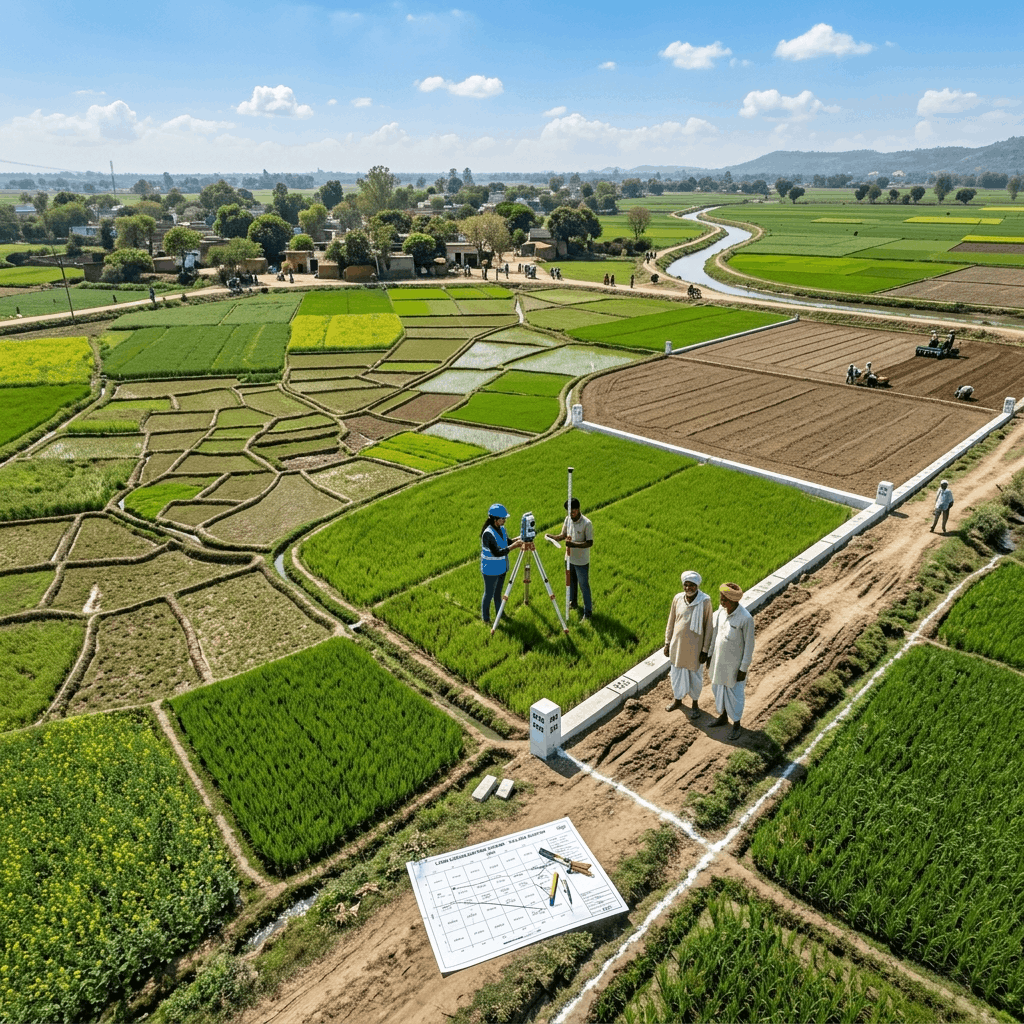
Land fragmentation is a major hurdle to efficient agriculture. Land consolidation, or 'Chakbandi', is the statutory process of amalgamating fragmented parcels of land into single, compact blocks. This section elucidates the complexities of drafting an application for agricultural land consolidation. The process is governed by specific state enactments, such as the Consolidation of Holdings Act. A valid consolidation application must clearly stipulate:
- Details of all scattered land holdings belonging to the applicant, including Khasra numbers and areas.
- The proposed central location where consolidation is desired, usually adjacent to the farmer's largest plot or irrigation source.
- Consents from neighboring landowners, if attempting mutual exchange outside the formal state-driven process.
Section 2: Legal Framework Governing Chakbandi
Land fragmentation is a major hurdle to efficient agriculture. Land consolidation, or 'Chakbandi', is the statutory process of amalgamating fragmented parcels of land into single, compact blocks. This section elucidates the complexities of drafting an application for agricultural land consolidation. The process is governed by specific state enactments, such as the Consolidation of Holdings Act. A valid consolidation application must clearly stipulate:
- Details of all scattered land holdings belonging to the applicant, including Khasra numbers and areas.
- The proposed central location where consolidation is desired, usually adjacent to the farmer's largest plot or irrigation source.
- Consents from neighboring landowners, if attempting mutual exchange outside the formal state-driven process.
Section 3: Valuing Different Parcels of Land
Land fragmentation is a major hurdle to efficient agriculture. Land consolidation, or 'Chakbandi', is the statutory process of amalgamating fragmented parcels of land into single, compact blocks. This section elucidates the complexities of drafting an application for agricultural land consolidation. The process is governed by specific state enactments, such as the Consolidation of Holdings Act. A valid consolidation application must clearly stipulate:
- Details of all scattered land holdings belonging to the applicant, including Khasra numbers and areas.
- The proposed central location where consolidation is desired, usually adjacent to the farmer's largest plot or irrigation source.
- Consents from neighboring landowners, if attempting mutual exchange outside the formal state-driven process.
Section 4: Navigating the Role of the Chakbandi Adhikari
Land fragmentation is a major hurdle to efficient agriculture. Land consolidation, or 'Chakbandi', is the statutory process of amalgamating fragmented parcels of land into single, compact blocks. This section elucidates the complexities of drafting an application for agricultural land consolidation. The process is governed by specific state enactments, such as the Consolidation of Holdings Act. A valid consolidation application must clearly stipulate:
- Details of all scattered land holdings belonging to the applicant, including Khasra numbers and areas.
- The proposed central location where consolidation is desired, usually adjacent to the farmer's largest plot or irrigation source.
- Consents from neighboring landowners, if attempting mutual exchange outside the formal state-driven process.
Section 5: Formatting Your Application Correctly
Land fragmentation is a major hurdle to efficient agriculture. Land consolidation, or 'Chakbandi', is the statutory process of amalgamating fragmented parcels of land into single, compact blocks. This section elucidates the complexities of drafting an application for agricultural land consolidation. The process is governed by specific state enactments, such as the Consolidation of Holdings Act. A valid consolidation application must clearly stipulate:
- Details of all scattered land holdings belonging to the applicant, including Khasra numbers and areas.
- The proposed central location where consolidation is desired, usually adjacent to the farmer's largest plot or irrigation source.
- Consents from neighboring landowners, if attempting mutual exchange outside the formal state-driven process.
Section 6: Overcoming Initial Rejections
Land fragmentation is a major hurdle to efficient agriculture. Land consolidation, or 'Chakbandi', is the statutory process of amalgamating fragmented parcels of land into single, compact blocks. This section elucidates the complexities of drafting an application for agricultural land consolidation. The process is governed by specific state enactments, such as the Consolidation of Holdings Act. A valid consolidation application must clearly stipulate:
- Details of all scattered land holdings belonging to the applicant, including Khasra numbers and areas.
- The proposed central location where consolidation is desired, usually adjacent to the farmer's largest plot or irrigation source.
- Consents from neighboring landowners, if attempting mutual exchange outside the formal state-driven process.
Section 7: Filing Objections to Draft Schemes
Land fragmentation is a major hurdle to efficient agriculture. Land consolidation, or 'Chakbandi', is the statutory process of amalgamating fragmented parcels of land into single, compact blocks. This section elucidates the complexities of drafting an application for agricultural land consolidation. The process is governed by specific state enactments, such as the Consolidation of Holdings Act. A valid consolidation application must clearly stipulate:
- Details of all scattered land holdings belonging to the applicant, including Khasra numbers and areas.
- The proposed central location where consolidation is desired, usually adjacent to the farmer's largest plot or irrigation source.
- Consents from neighboring landowners, if attempting mutual exchange outside the formal state-driven process.
Section 8: Community Consensus in Chakbandi
Land fragmentation is a major hurdle to efficient agriculture. Land consolidation, or 'Chakbandi', is the statutory process of amalgamating fragmented parcels of land into single, compact blocks. This section elucidates the complexities of drafting an application for agricultural land consolidation. The process is governed by specific state enactments, such as the Consolidation of Holdings Act. A valid consolidation application must clearly stipulate:
- Details of all scattered land holdings belonging to the applicant, including Khasra numbers and areas.
- The proposed central location where consolidation is desired, usually adjacent to the farmer's largest plot or irrigation source.
- Consents from neighboring landowners, if attempting mutual exchange outside the formal state-driven process.
Section 9: The Final Consolidation Order
Land fragmentation is a major hurdle to efficient agriculture. Land consolidation, or 'Chakbandi', is the statutory process of amalgamating fragmented parcels of land into single, compact blocks. This section elucidates the complexities of drafting an application for agricultural land consolidation. The process is governed by specific state enactments, such as the Consolidation of Holdings Act. A valid consolidation application must clearly stipulate:
- Details of all scattered land holdings belonging to the applicant, including Khasra numbers and areas.
- The proposed central location where consolidation is desired, usually adjacent to the farmer's largest plot or irrigation source.
- Consents from neighboring landowners, if attempting mutual exchange outside the formal state-driven process.
Section 10: Updating Land Records Post-Chakbandi
Land fragmentation is a major hurdle to efficient agriculture. Land consolidation, or 'Chakbandi', is the statutory process of amalgamating fragmented parcels of land into single, compact blocks. This section elucidates the complexities of drafting an application for agricultural land consolidation. The process is governed by specific state enactments, such as the Consolidation of Holdings Act. A valid consolidation application must clearly stipulate:
- Details of all scattered land holdings belonging to the applicant, including Khasra numbers and areas.
- The proposed central location where consolidation is desired, usually adjacent to the farmer's largest plot or irrigation source.
- Consents from neighboring landowners, if attempting mutual exchange outside the formal state-driven process.
Section 11: Appeals and Revisions in Consolidation
Land fragmentation is a major hurdle to efficient agriculture. Land consolidation, or 'Chakbandi', is the statutory process of amalgamating fragmented parcels of land into single, compact blocks. This section elucidates the complexities of drafting an application for agricultural land consolidation. The process is governed by specific state enactments, such as the Consolidation of Holdings Act. A valid consolidation application must clearly stipulate:
- Details of all scattered land holdings belonging to the applicant, including Khasra numbers and areas.
- The proposed central location where consolidation is desired, usually adjacent to the farmer's largest plot or irrigation source.
- Consents from neighboring landowners, if attempting mutual exchange outside the formal state-driven process.
Section 12: Resolving Boundary Disputes Internally
Land fragmentation is a major hurdle to efficient agriculture. Land consolidation, or 'Chakbandi', is the statutory process of amalgamating fragmented parcels of land into single, compact blocks. This section elucidates the complexities of drafting an application for agricultural land consolidation. The process is governed by specific state enactments, such as the Consolidation of Holdings Act. A valid consolidation application must clearly stipulate:
- Details of all scattered land holdings belonging to the applicant, including Khasra numbers and areas.
- The proposed central location where consolidation is desired, usually adjacent to the farmer's largest plot or irrigation source.
- Consents from neighboring landowners, if attempting mutual exchange outside the formal state-driven process.
Section 13: Integrating Irrigation Assets
Land fragmentation is a major hurdle to efficient agriculture. Land consolidation, or 'Chakbandi', is the statutory process of amalgamating fragmented parcels of land into single, compact blocks. This section elucidates the complexities of drafting an application for agricultural land consolidation. The process is governed by specific state enactments, such as the Consolidation of Holdings Act. A valid consolidation application must clearly stipulate:
- Details of all scattered land holdings belonging to the applicant, including Khasra numbers and areas.
- The proposed central location where consolidation is desired, usually adjacent to the farmer's largest plot or irrigation source.
- Consents from neighboring landowners, if attempting mutual exchange outside the formal state-driven process.
Section 14: Ensuring Equitable Valuation
Land fragmentation is a major hurdle to efficient agriculture. Land consolidation, or 'Chakbandi', is the statutory process of amalgamating fragmented parcels of land into single, compact blocks. This section elucidates the complexities of drafting an application for agricultural land consolidation. The process is governed by specific state enactments, such as the Consolidation of Holdings Act. A valid consolidation application must clearly stipulate:
- Details of all scattered land holdings belonging to the applicant, including Khasra numbers and areas.
- The proposed central location where consolidation is desired, usually adjacent to the farmer's largest plot or irrigation source.
- Consents from neighboring landowners, if attempting mutual exchange outside the formal state-driven process.
Section 15: The Future of Modern Farming Through Consolidation
Land fragmentation is a major hurdle to efficient agriculture. Land consolidation, or 'Chakbandi', is the statutory process of amalgamating fragmented parcels of land into single, compact blocks. This section elucidates the complexities of drafting an application for agricultural land consolidation. The process is governed by specific state enactments, such as the Consolidation of Holdings Act. A valid consolidation application must clearly stipulate:
- Details of all scattered land holdings belonging to the applicant, including Khasra numbers and areas.
- The proposed central location where consolidation is desired, usually adjacent to the farmer's largest plot or irrigation source.
- Consents from neighboring landowners, if attempting mutual exchange outside the formal state-driven process.
📦 Bulk Orders & Export
Mitti Gold Organic: For bulk orders of all organic fertilizers — Farmers, Nurseries, and Export. WhatsApp: +91 95372 30173
Land Consolidation FAQs
Is Chakbandi mandatory or voluntary?
Chakbandi is usually initiated by the state government for a whole village, making it mandatory, but farmers can also voluntarily apply for mutual exchange of parcels.
How is the value of different land parcels determined?
Valuation is based on soil quality, irrigation facilities, proximity to roads, and historical yield, expressed in standard units (like Annas or Paisa).
Can I refuse the plot allotted to me?
You cannot outright refuse it, but you have the right to file an objection before the Settlement Officer Consolidation (SOC) to seek a revision.
What happens to my existing tubewell or trees?
The value of fixed assets like tubewells and trees is calculated, and if the plot is given to someone else, you are compensated financially or given a correspondingly higher valued plot.
How long does the Chakbandi process take?
A full village consolidation can take anywhere from 3 to 10 years, depending on the number of disputes and objections filed.