📅 June 2026 | ✍️ Mitti Gold Organic | 🗂️ Farming
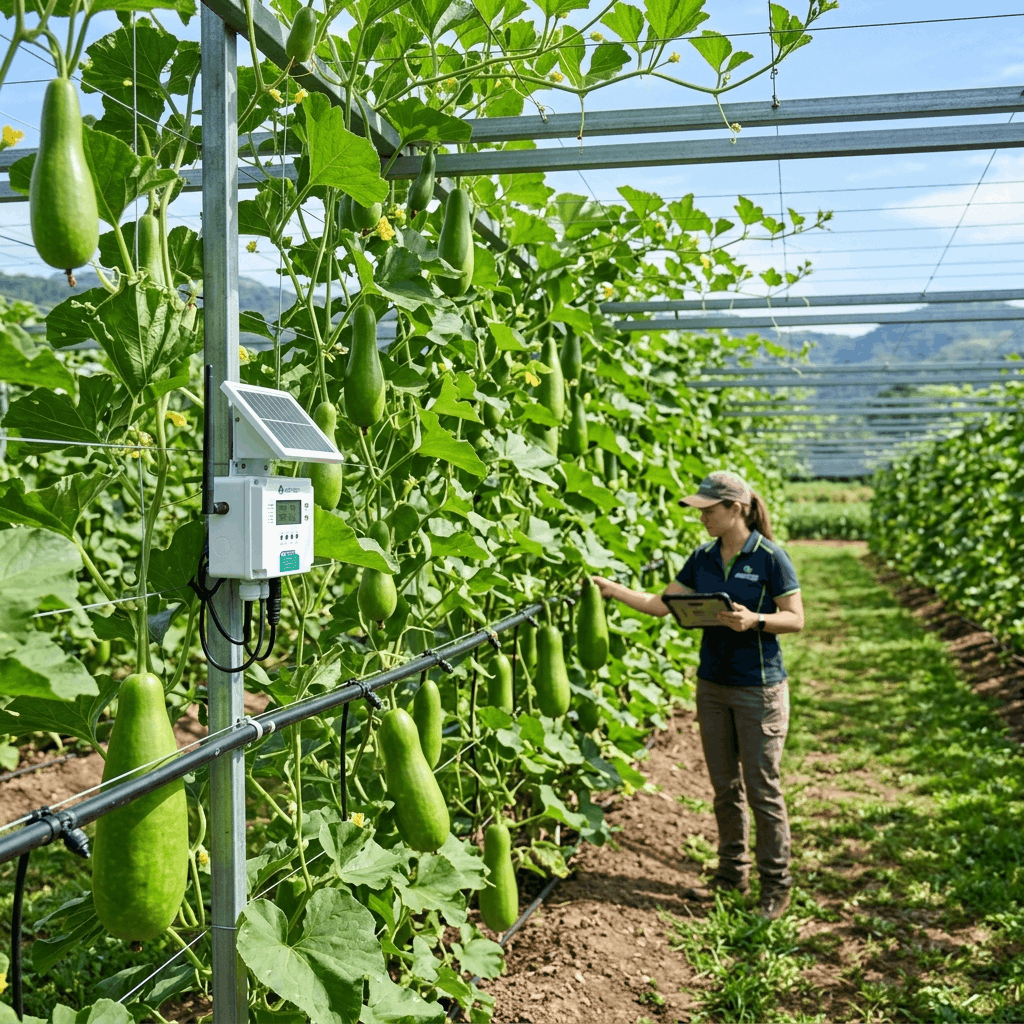
Fertilizer Application Rates per Bigha
For Calabash (Bottle Gourd) farming, ensuring the right nutrient balance is crucial for vigorous vine growth and high-quality fruit production. We recommend a structured application of organic fertilizers per Bigha to optimize soil health and plant vitality. Start with 20-25 tonnes of well-rotted Farmyard Manure (FYM) mixed thoroughly into the soil during land preparation. Supplement this with Mitti Gold Organic Manure (50-70 kg) to provide essential micronutrients and improve soil structure.
For basal application, use Bio-NPK (Nitrogen, Phosphorus, Potassium) cultures at 2-3 kg per Bigha, mixed with organic compost. Vermicompost (about 200-300 kg) can be applied near the root zones a few weeks after planting to ensure a steady release of nutrients. Regular application of Jeevamrut (200 liters per Bigha every 15 days) through irrigation channels drastically increases microbial activity, facilitating nutrient uptake.
Step-by-Step Farming Guide
Growing Calabash organically requires precise techniques, from seed selection to harvesting. The climbing nature of the vine means structural support is just as important as soil health. Below is a detailed, modern approach to cultivating bottle gourds effectively.
Seed Selection & Treatment
Choose high-yielding, disease-resistant indigenous or certified organic seeds. Treat the seeds with Beejamrut (a natural seed coating made from cow dung, cow urine, lime, and local soil) for 24 hours before sowing. This provides an initial shield against seed-borne diseases and boosts germination rates.
Land Preparation & Sowing
Plough the field deeply 2-3 times to achieve a fine tilth. Incorporate the FYM and Mitti Gold Organic Manure during the final ploughing. Sow the seeds on raised beds or ridges spaced 2.5 to 3 meters apart, keeping a plant-to-plant distance of 60 to 90 cm. Sowing 2-3 seeds per pit ensures a good stand, later thinning to one healthy plant per pit.
Trellising and Canopy Management
Calabash vines thrive when given proper support. Implement a bower (pandal) system or a robust wire trellis. Training the vines onto the trellis keeps the fruits off the soil, preventing rot and improving their shape and uniform color. Pruning side shoots up to a height of 1 meter encourages vertical growth and improves airflow, reducing fungal infections.
Irrigation Management
Adopt drip irrigation to ensure precise moisture delivery to the root zone without wetting the foliage. Calabash requires consistent moisture, especially during the flowering and fruiting stages. Overwatering can lead to root rot, while drought stress will cause fruit drop. Drip irrigation also facilitates easy application of liquid bio-fertilizers (fertigation).
Harvesting & Post-Harvest Handling
Harvest the gourds when they are tender, medium-sized, and the skin is easily penetrable by a thumbnail. Regular picking (every 3-4 days) encourages further fruit set. Cut the fruits cleanly with a sharp knife, leaving a small stalk attached. Handle with care to prevent bruising, and store in a cool, shaded area before transporting to the market.
How to Compare Yield Outcomes
When transitioning to organic Calabash farming, the metrics for success extend beyond mere weight. Traditional chemical farming might offer an immediate bulk yield, but organic methods provide sustainable, long-term benefits. Quality over Quantity: Organic bottle gourds are known for superior taste, longer shelf life, and a bright, appealing green color without chemical residues.
Over a period of 2-3 crop cycles, you will observe that the organic yield stabilizes and often surpasses chemical farming due to enhanced soil vitality. Farmers should track the number of fruits per vine, average fruit weight, and the reduction in input costs (such as chemical pesticides). The premium price fetched by organic produce in the market often leads to higher net profitability.
How it Helps Soil Creatures
Chemical fertilizers and harsh pesticides devastate the fragile ecosystem beneath the soil. By adopting Mitti Gold organic practices, you are actively restoring this balance. Earthworms, the natural tillers of the soil, return in large numbers, aerating the earth and leaving behind nutrient-rich castings.
Beneficial soil microbes, such as mycorrhizal fungi and nitrogen-fixing bacteria, form symbiotic relationships with the Calabash roots. These microorganisms break down complex organic matter into bio-available nutrients, improving the soil's water-holding capacity and structural integrity. A thriving subterranean ecosystem creates a robust foundation for healthy crops.
Protection from Disease and Pests
Calabash is susceptible to pests like fruit flies, red pumpkin beetles, and aphids, as well as diseases like powdery mildew and downy mildew. Organic protection relies on prevention and natural remedies. Install pheromone traps and yellow sticky cards early in the season to monitor and control fruit flies and beetles.
For foliar diseases, a proactive spray of Neem oil (10,000 ppm) mixed with a natural emulsifier acts as a powerful deterrent. Sour buttermilk (fermented for 5-7 days) is highly effective against fungal infections. Maintaining proper plant spacing and using a trellis system ensures adequate sunlight and ventilation, creating an environment hostile to pathogens.
Market: Farmer & Export Opportunities
The demand for organically grown bottle gourd is surging both in domestic and international markets. Health-conscious consumers value its nutritional benefits, high water content, and medicinal properties (such as in detox juices). Farmers can command a premium price at local organic farmer's markets, supermarkets, and specialized health food stores.
For export, ensuring strict adherence to organic certification standards (like NPOP/NOP) is vital. Organically grown Calabash has a better shelf life and structural integrity, making it suitable for long-distance transport. Value addition, such as producing dehydrated bottle gourd powder or organic juices, opens up lucrative avenues for agropreneurs.
📦 Bulk Orders & Export
Mitti Gold Organic: For bulk orders of all organic fertilizers — Farmers, Nurseries, and Export. WhatsApp: +91 95372 30173
Frequently Asked Questions on Calabash Farming
Calabash can be grown twice a year. The summer crop is sown from January to March, and the rainy season crop is sown from June to July. It requires a warm, humid climate to thrive.
Flower drop can be caused by extreme temperatures, improper pollination, or nutrient deficiencies (especially boron). Encouraging bees, avoiding chemical pesticides, and spraying a micronutrient mix can help.
While not strictly mandatory, trellising is highly recommended. It keeps fruits off the ground, reducing rotting and pest attacks, and ensures the gourds grow straight and blemish-free, which fetches better market prices.
Use cue-lure pheromone traps (about 4-5 per Bigha) to trap male fruit flies. Additionally, bagging young fruits and using Neem-based sprays are effective organic control methods.
It needs consistent moisture but cannot tolerate waterlogging. Drip irrigation for 1-2 hours daily or every alternate day, depending on the soil type and weather, is optimal.