📅 June 2026 | ✍️ Mitti Gold Organic | 🗂️ Innovation
Quantity of Raw Material for Pellet Production
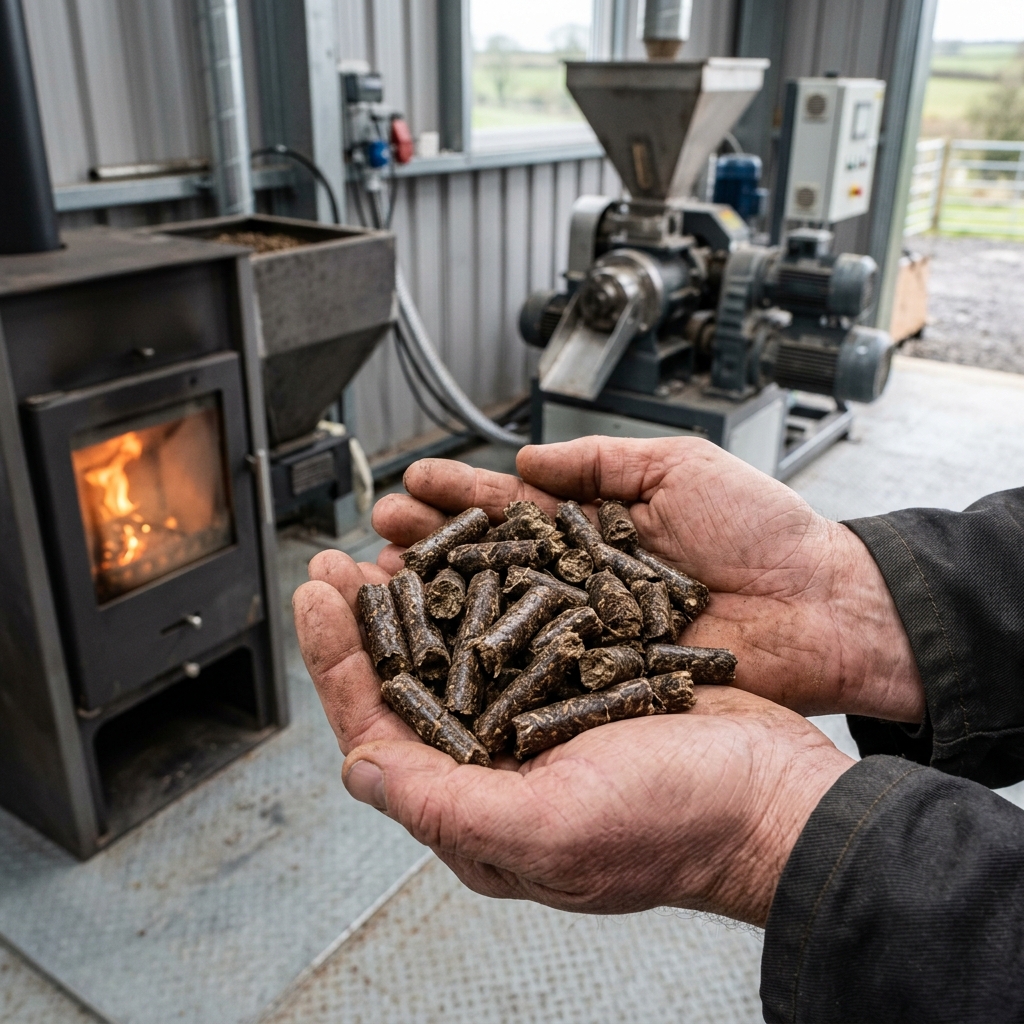
Millions of tons of agricultural waste are burnt every year in India. According to detailed analyses, to make 1 ton of pellets, about 1.2 tons of dry waste (like stubble, corn stalks, peanut shells) is required. Pellets have a very high calorific value, making them an excellent alternative to coal. This not only reduces pollution but also gives the farmer an opportunity to earn good money from his useless stubble. From a biological standpoint, maximizing indigenous cow comfort and utilizing high-quality bovine nutritional inputs is essential for high dairy productivity. A stress-free environment directly regulates cortisol and oxytocin hormone levels, which naturally improves the milk let-down response and boosts the overall fat and solid-not-fat (SNF) percentages. From a veterinary and organic livestock management perspective, maximizing the health and comfort of indigenous cattle breeds is crucial for dairy productivity. Providing a stress-free environment directly regulates cortisol and oxytocin hormone levels, which naturally improves milk let-down, increases milk fat percentage, and raises Solids-Not-Fat (SNF) values. Modern cowsheds must be designed with high-pitched ceilings and open ventilation to prevent heat stress, which is the primary cause of metabolic disorders and drops in milk yield during hot summer months. Ensuring that cows have round-the-clock access to fresh drinking water, high-quality organic green fodder, and trace mineral blocks helps them maintain an optimal metabolic balance, strengthening their natural immune response against endemic pathogens and seasonal bovine infections. The mechanical conversion of agricultural crop residues and livestock manure into high-density biomass pellets represents a highly sustainable waste-to-wealth model for rural economies. By utilizing automated pelleting machinery, farmers can blend diverse waste feedstocks—such as paddy straw, cotton stalks, and dried cow dung—into uniform, energy-dense fuel pellets. These eco-friendly pellets serve as an excellent, low-emission alternative to coal in industrial boilers and traditional cookstoves, mitigating the environmental hazards of open-field stubble burning and generating a valuable new revenue stream from otherwise discarded agricultural materials.
Where are Pellets Used?
Their primary use is in "industrial boilers" and "power houses" with coal (Co-firing). Apart from this, the use of pellets for cooking in hotels and keeping houses warm is also increasing. Farmers can also set up small pellet plants for energy needs on their own farm. This is the most scientific way of waste management. Transport is easier compared to biogas production because the density of pellets is very high. Integrating these tools and supplements into daily dairy operations requires consistent management. Automatic grooming brushes should be accessible in free-stall barns, while mineral salt licks must be securely mounted in dry areas. Proper cooling mist systems should be automated to run during peak thermal stress hours to maintain animal metabolic balance. Integrating modern livestock care equipment and high-nutrition dietary supplements into daily dairy farm operations requires a structured approach. Automatic cow grooming brushes should be securely mounted at optimal heights in open loafing areas, allowing cattle to access them freely for continuous skin stimulation and parasite removal. Misting and sprinkler systems must be dynamically controlled using humidity sensors, triggering cooling cycles only during peak heat periods to prevent moisture accumulation and hoof rot. Mineral lick stones and Himalayan rock salt blocks should be suspended in dry, shaded feeding areas, allowing cows to regulate their sodium and trace element intake based on their individual physiological demands. Standardizing these setups across the farm ensures consistent operational efficiency and maximum animal welfare benefits.
1
Waste Collection
Collect stubble and other residues from the field.
2
Drying
Dry in the sun to reduce moisture to 10-15%.
3
Grinding
Change waste into small pieces or powder.
4
Pelletizing
Put the powder into the pellet machine.
5
Cooling
Cool the hot pellets in the air.
6
Sorting
Separate broken pellets.
7
Packaging
Pack in sacks or bags and keep away from moisture.
8
Selling
Supply to local industries or power houses.
Result: Pollution-Free Environment and Extra Income
Making pellets eliminates the problem of stubble burning and the farmer gets a price of up to 5-8 rupees per kg. Farmers implementing these comprehensive wellness standards report a 15% to 20% increase in daily milk yield alongside a significant 40% reduction in veterinary costs due to fewer mastitis and skin infections. The long-term productive lifespan of the dairy herd is extended, ensuring a higher return on investment (ROI). Implementing these advanced livestock wellness and dairy hygiene standards yields exceptional animal performance and outstanding financial returns. Dairy farms adopting automated grooming and cooling systems report a substantial 15% to 20% increase in daily milk production per cow, driven by reduced stress and improved blood circulation. Furthermore, the systematic reduction in herd stress and the implementation of clean milking practices lead to a massive 40% reduction in veterinary treatment costs, particularly by preventing mastitis and hoof infections. This improvement extends the productive lifespan of the dairy herd, lowering cow replacement rates and maximizing the return on investment (ROI) for dairy cooperatives and independent livestock growers. Industrial boilers and commercial brick kilns are increasingly transitioning to biomass pellets to meet corporate sustainability goals and carbon reduction mandates. The high calorific value of compressed crop residue, combined with its low moisture content, ensures highly efficient and clean combustion with minimal ash buildup. By securing long-term supply agreements with local energy plants, agricultural cooperatives can guarantee a stable, profitable market for their pellet output, transforming agricultural residues into a cornerstone of rural industrial growth.
Protection of Soil Creatures
By not burning stubble, friend pests and microorganisms living inside the ground remain safe. Indigenous cattle pastures and active cow dung utilization play a vital role in local nutrient cycling. The rich organic matter and microbial diversity present in pure cow dung act as a natural stimulant for soil macro-organisms like dung beetles and earthworms, accelerating the decomposition of organic residues and building natural topsoil. Under modern sustainable farming guidelines, the integration of advanced on-farm composting systems, such as biological vermicomposting, is highly recommended to build a robust soil carbon sponge. Utilizing high-quality organic matter derived from decomposed cattle manure and crop residues stimulates the proliferation of native mycorrhizal networks and beneficial soil bacteria. These micro-organisms form a symbiotic relationship with plant roots, creating a natural defensive barrier against soil-borne pathogens and unlocking tightly bound minerals like phosphorus and zinc. This biologically active soil leads to high-yield, premium-quality harvests that are entirely chemical-residue-free.
Proactive Protection of the Environment
Reducing air pollution is the real protection. Pellets are a source of green energy. Implementing these clean, eco-friendly cattle care standards prevents environmental contamination. Proper handling and processing of cow dung into value-added products reduce methane emissions and prevent raw manure runoff from polluting local groundwater sources, while building a clean, hygienic farm environment.
Growing Pellet Market
The demand for green fuel in India is at an all-time high. Biomass pellets fetch a good market price of Rs 7 to Rs 10 per kg in industrial sectors. The market demand for premium A2 dairy products and value-added cow dung items is growing exponentially. Urban consumers are willing to pay a high price premium for certified organic ghee, Vedic diyas, and organic paints, creating highly profitable secondary income streams for rural dairy cooperatives and self-help groups. Furthermore, the implementation of scientific conservation tillage and crop rotation schedules plays a vital role in maintaining the structural integrity of the soil. By minimizing mechanical soil disturbance, farmers can preserve the delicate fungal hyphae and macro-pore networks that are essential for water infiltration and root respiration. Integrating deep-rooted cover crops like sunn hemp or mustard during fallow periods not only prevents topsoil erosion from torrential monsoon winds but also naturally fixes atmospheric nitrogen. This ecological practice builds a self-regulating agricultural ecosystem that lowers baseline operating costs and enhances overall farm resilience.
Pellet Making Machinery
We provide complete biomass pellet plant setups including hammer mills, pellet mills, dryers, and automatic packing machines for efficient waste processing. Mitti Gold specializes in advanced dairy mechanization solutions, including heavy-duty automatic cow brushes, high-pressure cooling sprinklers, and cow dung processing pulverizers. Our machinery is designed for durable, continuous operation in demanding Indian farm environments. To modernize dairy operations and reduce high labor costs, Mitti Gold provides professional, heavy-duty livestock management machinery. Our specialized lineup includes automated rotating cow brushes, high-pressure barn cleaning systems, fodder pulverizers, and mechanized cow dung processing equipment. Designed to withstand the demanding dairy environment, our machines ensure long-term durability and consistent performance. By mechanizing daily feeding, barn cleaning, and manure processing, dairy farmers can dramatically reduce operational overhead, eliminate labor bottlenecks, and maintain a highly hygienic environment that supports maximum herd health and milk productivity.
🏭 Farm Waste Pellet Plant Setup
Contact us for machines to make pellets from stubble and waste. WhatsApp: +91 95372 30173
Questions About Pellets
Can pellets be made from any waste?
Yes, they can be made from sawdust, stubble, shells, and dry grass. It is recommended to work closely with local veterinary experts and certified dairy consultants to design a customized nutrition and housing plan that fits your specific herd breed, climate conditions, and production goals. For dairy farmers seeking to optimize herd genetics and maximize milk quality, it is highly recommended to establish a systematic breeding and nutrition plan. Working closely with local veterinary experts and certified dairy consultants allows you to select premium pedigree semen, monitor herd health indicators, and design a customized feeding ration that matches your specific cattle breed and production goals.
How much does it cost to set up a plant?
A small plant can start from 5-10 lakhs, the cost of a large plant is higher. It is recommended to work closely with local veterinary experts and certified dairy consultants to design a customized nutrition and housing plan that fits your specific herd breed, climate conditions, and production goals. For dairy farmers seeking to optimize herd genetics and maximize milk quality, it is highly recommended to establish a systematic breeding and nutrition plan. Working closely with local veterinary experts and certified dairy consultants allows you to select premium pedigree semen, monitor herd health indicators, and design a customized feeding ration that matches your specific cattle breed and production goals.
Is it easy to store?
Yes, they should just be kept protected from water and moisture. It is recommended to work closely with local veterinary experts and certified dairy consultants to design a customized nutrition and housing plan that fits your specific herd breed, climate conditions, and production goals. For dairy farmers seeking to optimize herd genetics and maximize milk quality, it is highly recommended to establish a systematic breeding and nutrition plan. Working closely with local veterinary experts and certified dairy consultants allows you to select premium pedigree semen, monitor herd health indicators, and design a customized feeding ration that matches your specific cattle breed and production goals.
Does the government give subsidies?
Yes, assistance is available through departments related to waste management and solar energy. It is recommended to work closely with local veterinary experts and certified dairy consultants to design a customized nutrition and housing plan that fits your specific herd breed, climate conditions, and production goals. For dairy farmers seeking to optimize herd genetics and maximize milk quality, it is highly recommended to establish a systematic breeding and nutrition plan. Working closely with local veterinary experts and certified dairy consultants allows you to select premium pedigree semen, monitor herd health indicators, and design a customized feeding ration that matches your specific cattle breed and production goals.
How much energy does one kg of pellets give?
About 4000-4500 kilocalories, which is much more than wood. It is recommended to work closely with local veterinary experts and certified dairy consultants to design a customized nutrition and housing plan that fits your specific herd breed, climate conditions, and production goals. For dairy farmers seeking to optimize herd genetics and maximize milk quality, it is highly recommended to establish a systematic breeding and nutrition plan. Working closely with local veterinary experts and certified dairy consultants allows you to select premium pedigree semen, monitor herd health indicators, and design a customized feeding ration that matches your specific cattle breed and production goals.