📅 July 2026 | ✍️ Mitti Gold Organic | 🗂️
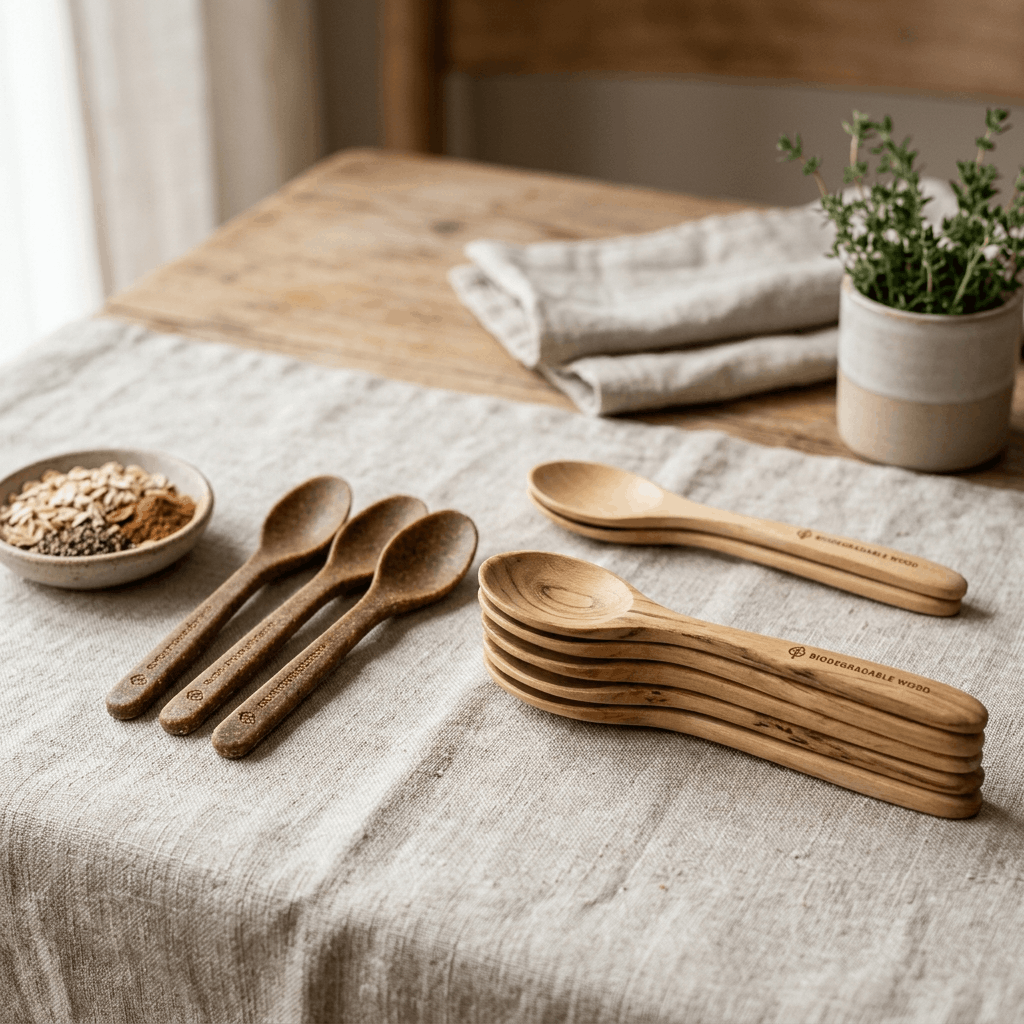
Introduction to the Eco-Friendly Cutlery Revolution
The modern world stands at a critical juncture where the convenience of single-use plastics has culminated in an unprecedented environmental crisis, necessitating an urgent and massive shift towards sustainable alternatives such as eco-friendly spoons. For decades, plastic cutlery has dominated the food and beverage industry, offering cheap, lightweight, and disposable options for consumers on the go. However, this fleeting convenience has left a permanent scar on our ecosystems. Billions of plastic spoons are discarded globally every single day, ending up in overflowing landfills, clogging vital waterways, and polluting our majestic oceans. These petroleum-based utensils take hundreds, if not thousands, of years to decompose, and even when they do break down, they fragment into insidious microplastics that infiltrate the food chain, soil, and water supply. The concept of creating and utilizing eco-friendly spoons is not merely a passing trend or a niche market; it is a fundamental necessity for the survival of our planet and the preservation of biodiversity. By shifting our focus towards manufacturing spoons from biodegradable, compostable, and renewable resources, we can drastically mitigate the adverse impacts of human consumption. Eco-friendly spoons can be crafted from a diverse array of natural materials, including bamboo, birch wood, palm leaves, sugarcane bagasse, wheat straw, and even edible ingredients like sorghum, rice, and wheat flour. Each of these materials offers a unique set of benefits, but they all share a common denominator: they return to the earth without leaving a toxic legacy. This comprehensive guide will delve deep into the multifaceted world of eco-friendly spoon manufacturing, exploring everything from raw material sourcing and production mechanics to market dynamics and profound environmental benefits. Whether you are an aspiring entrepreneur looking to start a green business, an environmental advocate seeking deep knowledge, or a consumer wanting to make informed choices, understanding the intricate lifecycle and immense value of eco-friendly spoons is the first step towards fostering a sustainable, zero-waste future. As we journey through the various aspects of sustainable cutlery, it becomes evident that every single eco-friendly spoon produced and used represents a tangible victory against the pervasive plastic pollution pandemic, symbolizing a broader commitment to ecological stewardship and responsible consumption.
Furthermore, the transition to eco-friendly spoons represents a profound shift in consumer consciousness and industrial responsibility. We are witnessing a global awakening where individuals, corporations, and governments are recognizing the true cost of single-use plastics. Regulatory bodies worldwide are implementing stringent bans and taxes on single-use plastic items, thereby creating a massive vacuum in the market that sustainable alternatives must urgently fill. This regulatory push, combined with a surge in environmentally conscious consumers who actively seek out and prefer green businesses, is driving unprecedented innovation in the field of sustainable materials science. The production of eco-friendly spoons is at the forefront of this innovation, utilizing advanced technologies to transform agricultural waste and fast-growing plants into durable, functional, and aesthetically pleasing utensils. The socio-economic implications are equally significant. By sourcing materials like bamboo or agricultural byproducts, the eco-friendly spoon industry can empower rural communities, provide new revenue streams for farmers, and promote circular economies where waste is viewed as a valuable resource rather than a disposal problem. As we explore the depths of how to make eco-friendly spoons, we will uncover the intricate balance between functionality, sustainability, and economic viability, proving that it is indeed possible to satisfy the demands of modern convenience without compromising the health of our planet or the well-being of future generations.
Raw Material Sourcing, Market Scale, and Yield Quantities
Understanding the scale and sourcing of raw materials is absolutely critical when evaluating the feasibility and impact of producing eco-friendly spoons. The global market for biodegradable cutlery is experiencing exponential growth, driven by shifting consumer preferences and stringent legislative bans on single-use plastics. Analysts project the market to reach multi-billion dollar valuations within the next decade, indicating a colossal demand for raw materials that are both sustainable and scalable. Depending on the chosen base material—whether it be bamboo, areca palm leaves, or agricultural residues like wheat straw and bagasse—the yield per acre (or bigha) can be astoundingly efficient, especially when compared to the resource-intensive processes of petroleum extraction and plastic synthesis. For instance, let us examine bamboo, one of the most popular and robust materials for eco-friendly cutlery. Bamboo is technically a grass, known for its phenomenal growth rate; certain species can grow up to three feet in a single day. A single hectare (approximately 7.5 bighas) of well-managed bamboo plantation can yield between 20 to 40 tons of usable bamboo poles annually. From just one ton of mature bamboo, manufacturers can produce tens of thousands of high-quality, durable spoons. This incredible yield not only ensures a steady and abundant supply chain but also makes it a highly profitable venture for farmers and manufacturers alike.
Similarly, the use of agricultural waste, such as sugarcane bagasse or wheat bran, presents a revolutionary approach to resource utilization. Traditionally, millions of tons of agricultural byproducts are burned or left to rot, contributing heavily to air pollution and greenhouse gas emissions. By repurposing this "waste" into the base pulp for eco-friendly spoons, the industry operates on a true circular economy model. In regions where wheat or sugarcane is extensively cultivated, the raw material is virtually infinite and extremely low-cost. For every ton of wheat harvested, a substantial amount of straw and bran is generated. Utilizing even a fraction of this byproduct from a single bigha of farmland can produce enough biomass to manufacture thousands of biodegradable spoons. Furthermore, the areca palm leaf industry, primarily based in South Asia, relies on naturally fallen leaves. A single areca palm tree naturally sheds about 5 to 7 massive leaves per year. A plantation covering one bigha can house hundreds of trees, providing a continuous, completely sustainable, and free source of raw material without ever requiring a single tree to be cut down. The sheer volume of raw material available, combined with the rapid regeneration rates of these natural resources, clearly demonstrates that the market scale for eco-friendly spoons is not constrained by supply, but rather bounded only by our capacity to manufacture and distribute these essential, earth-saving products on a global scale.
The Comprehensive Production Process and Usage Guide
The journey of an eco-friendly spoon from a raw, natural resource to a polished, functional dining utensil is a fascinating testament to sustainable engineering and innovative manufacturing. While the exact production process varies significantly depending on the base material, the overarching principles remain the same: minimizing energy consumption, eliminating toxic chemicals, and ensuring the final product is completely biodegradable. Let us dive deep into the manufacturing process of a wooden or bamboo spoon, as it is one of the most prevalent types on the market. The process begins with the careful harvesting of mature bamboo culms or sustainable timber. Once harvested, the raw wood is cut into manageable logs and boiled in water. This boiling step is crucial as it removes natural sugars and insects, softening the wood for easier processing without the use of harsh chemical treatments. The softened logs are then rotary-peeled into thin, continuous veneers. These veneers are stamped or die-cut into the rough shape of spoons using massive mechanical presses. To achieve the iconic curved bowl of the spoon, the flat blanks are subjected to heat-pressing. In specialized molds, high temperature and pressure force the flat wood to permanently adopt the deep curve necessary for holding liquids and foods. After molding, the spoons undergo a rigorous polishing process. They are tumbled in massive drums with natural abrasives like smooth stones or crushed walnut shells to remove any splinters or rough edges, ensuring a perfectly smooth mouthfeel. Finally, some spoons may be coated with a thin layer of natural, food-grade oil, such as carnauba wax or linseed oil, to increase their water resistance and durability.
In the case of pulp-based spoons made from bagasse or wheat straw, the process resembles eco-friendly paper manufacturing. The agricultural waste is first cleaned and then mashed into a thick, fibrous pulp using water and mechanical agitation. This pulp is poured into intricate, spoon-shaped molds. High heat and immense pressure are applied to squeeze out the water and bind the fibers tightly together, resulting in a surprisingly sturdy and rigid spoon. Edible spoons, an even more innovative category, are essentially baked like hard biscuits. Dough made from sorghum, rice, and wheat flours is mixed with water, shaped using molds, and baked at precise temperatures to achieve a hard, durable texture that can withstand hot soups and cold desserts for an extended period before softening. From a usage standpoint, eco-friendly spoons operate exactly like their plastic counterparts but with a vastly superior environmental footprint. They are perfect for hot and cold foods, ideal for takeaways, picnics, parties, and everyday home use. They do not melt or leach chemicals into hot liquids, a common failing of low-grade plastic spoons. Once the meal is finished, the usage cycle reaches its beautiful conclusion: disposal. Unlike plastic, which must be relegated to the trash bin to haunt the earth for centuries, eco-friendly spoons can be tossed into a compost bin, buried in the garden, or disposed of with regular food waste, where they will naturally break down and return their nutrients to the soil within a matter of months.
A Stark Contrast: Comparing Eco-Friendly Spoons to Plastic Spoons
When we place an eco-friendly spoon next to a conventional plastic spoon, we are looking at two vastly different philosophies of consumption, resource management, and environmental responsibility. To truly appreciate the necessity of eco-friendly spoons, one must conduct a thorough, side-by-side comparison of the product outcomes, lifecycle impacts, and the hidden costs associated with each material. Plastic spoons are primarily manufactured from polystyrene (PS) or polypropylene (PP), which are derived from crude oil and natural gas. The extraction, refinement, and polymerization of these fossil fuels are incredibly energy-intensive processes that release massive volumes of greenhouse gases, toxic volatile organic compounds (VOCs), and hazardous wastewater. The outcome is a product that is undeniably cheap and durable, but this durability is its fatal flaw. A plastic spoon used for a ten-minute meal will persist in the environment for up to 1,000 years. During its impossibly long breakdown process, it undergoes photodegradation, shattering into microscopic fragments known as microplastics. These microplastics act as sponges for persistent organic pollutants (POPs) in the ocean, eventually being consumed by marine life and traveling up the food chain to ultimately end up on our own dinner plates. Furthermore, when exposed to high heat—such as stirring a boiling cup of coffee or hot soup—plastic spoons can leach endocrine-disrupting chemicals like Bisphenol A (BPA) and phthalates directly into the food, posing silent but severe long-term health risks to the consumer.
Conversely, the outcome of using eco-friendly spoons is overwhelmingly positive across every metric of sustainability and health. Eco-friendly spoons, whether made of wood, bamboo, palm leaves, or agricultural pulp, are derived entirely from renewable, naturally occurring biomass. Their production consumes significantly less energy and water, and because they are made from plants that absorb CO2 during their growth cycle, their overall carbon footprint is drastically lower, often approaching carbon neutrality. In terms of functional outcome, modern eco-friendly spoons are incredibly robust. High-quality bamboo and wood spoons possess a high tensile strength and do not snap easily under pressure. They are naturally heat-resistant, meaning they will not melt, warp, or leach toxic chemicals when submerged in hot liquids, ensuring a safe and pure dining experience. The most profound difference, however, lies in their end-of-life outcome. When a biodegradable spoon is discarded, it does not become a toxic burden. Under composting conditions, microbes, fungi, and natural elements break the spoon down into organic matter, water, and carbon dioxide. Instead of generating microplastics, it generates nutrient-rich humus that can be used to fertilize soil and grow more plants. By choosing eco-friendly spoons, the consumer actively participates in a regenerative cycle, whereas choosing plastic perpetuates a destructive, linear trajectory of extraction, pollution, and permanent ecological damage. The contrast is stark, undeniable, and forms the moral imperative for making the switch.
Safeguarding Marine Life and Preserving Biodiversity
The devastating impact of single-use plastics on global ecosystems, particularly marine environments, is one of the most tragic and pressing environmental crises of our time. Millions of tons of plastic waste infiltrate the world's oceans annually, with disposable cutlery, including spoons, comprising a alarmingly large percentage of this debris. The lightweight nature of plastic spoons makes them easily carried by wind and rain into storm drains, rivers, and eventually the sea. Once in the ocean, these seemingly innocuous utensils become deadly hazards for a vast array of marine creatures. Sea turtles, marine birds, dolphins, and various fish species frequently mistake plastic fragments for food. When a sea turtle ingests a plastic spoon or its broken pieces, it can cause severe internal blockages, lacerations to the digestive tract, and a false sense of satiation that ultimately leads to starvation and death. Seabirds are often found washed ashore with their stomachs completely filled with brightly colored plastic shards, a heartbreaking testament to the lethal deception of plastic pollution. Furthermore, as plastic spoons slowly photodegrade into microplastics, they are ingested by filter feeders like baleen whales, oysters, and countless species of zooplankton, introducing toxic chemicals into the very foundation of the marine food web. The widespread adoption of eco-friendly spoons offers a direct, powerful, and immediate solution to this horrific crisis, acting as a crucial safeguard for marine life and global biodiversity.
By transitioning to spoons made from natural, biodegradable materials, we are actively removing a significant source of lethal pollution from the environment. If an eco-friendly wooden, bamboo, or pulp-based spoon accidentally finds its way into a waterway or ocean, the environmental consequences are negligible compared to plastic. Natural materials are rapidly broken down by the water, salt, and naturally occurring marine microorganisms. A wooden spoon will merely soften, rot, and dissolve, eventually becoming part of the natural marine biomass without causing any physical harm or chemical toxicity to the creatures that encounter it. Edible spoons, in fact, provide a completely safe and digestible food source for wildlife if discarded in nature. The broader impact on biodiversity extends beyond the oceans to terrestrial ecosystems as well. Landfills, which are currently choked with immortal plastics, encroach upon natural habitats and leach toxic chemicals into the surrounding soil and groundwater, threatening land animals and plant life. By utilizing compostable spoons, we dramatically reduce the volume of waste sent to landfills, mitigating habitat destruction and chemical runoff. Moreover, the sustainable cultivation of materials like bamboo or the utilization of agricultural waste promotes healthier land management practices, reducing the need for aggressive deforestation and chemical-intensive farming. In essence, the simple act of manufacturing and using eco-friendly spoons reverberates throughout the entire global ecosystem, providing a vital layer of protection for the countless vulnerable creatures with whom we share this planet, and ensuring that our natural world remains vibrant, diverse, and untainted by the scourge of plastic waste.
Health Benefits and Uncompromising Protection from Toxins
While the environmental benefits of eco-friendly spoons are widely celebrated, the profound health benefits and the protection they offer from insidious toxins are equally significant, though often dangerously overlooked by the general public. Conventional plastic spoons are complex chemical cocktails, primarily composed of synthetic polymers mixed with various plasticizers, stabilizers, and colorants to achieve the desired flexibility, durability, and appearance. When these plastic utensils are used—especially in conjunction with hot foods, acidic meals, or oily substances—a phenomenon known as chemical leaching occurs. Heat acts as a catalyst, accelerating the release of harmful compounds directly from the plastic into the food or beverage being consumed. One of the most notorious culprits is Bisphenol A (BPA), alongside its replacements like BPS, and a class of chemicals called phthalates. These substances are scientifically proven endocrine disruptors. When ingested, even in microscopic quantities, they can mimic or interfere with the body's natural hormones, leading to a cascade of severe health issues over time. Prolonged exposure to these leached chemicals has been linked by numerous medical studies to hormonal imbalances, reproductive disorders, early puberty, developmental issues in children, increased risk of certain cancers, metabolic disorders, and weakened immune systems. Every time a consumer stirs a hot cup of tea or eats a steaming bowl of soup with a cheap plastic spoon, they are unknowingly subjecting themselves to a micro-dose of industrial toxins.
Eco-friendly spoons provide an uncompromising shield against these hidden health hazards, ensuring that the simple act of eating remains safe and pure. Spoons crafted from untreated natural wood, premium bamboo, palm leaves, or molded agricultural pulp contain absolutely zero synthetic chemicals, artificial dyes, or petroleum-based plastics. Because they are derived from nature, there is zero risk of BPA, phthalates, or other endocrine-disrupting chemicals leaching into your food, regardless of the temperature, acidity, or fat content of the meal. A bamboo spoon can confidently stir a boiling liquid without melting, warping, or releasing any foreign substances. Furthermore, many eco-friendly materials possess innate beneficial properties. For instance, bamboo has natural antimicrobial and antibacterial qualities, which actively inhibit the growth of harmful bacteria on the surface of the spoon, adding an extra layer of hygiene and safety for the user. Edible spoons take health protection a step further by offering nutritional value; made from wholesome grains like sorghum and wheat, they are not only toxin-free but can also provide dietary fiber and essential nutrients. By consciously manufacturing and utilizing eco-friendly spoons, we are not just cleaning up the environment; we are actively protecting human health, preventing long-term chronic illnesses associated with plastic chemical exposure, and providing peace of mind for consumers, parents, and health-conscious individuals who demand absolute purity in the products they bring to their dining tables.
Step-by-Step Manufacturing Guide for Eco-Friendly Wooden Spoons
Step 1: Sourcing and Harvesting Sustainable Timber or Bamboo
The foundational step in manufacturing eco-friendly spoons is the responsible sourcing of the raw material. To ensure the final product is truly sustainable, manufacturers must select fast-growing, highly renewable resources such as bamboo, birch, or poplar wood. Bamboo is particularly favored due to its rapid regeneration rate and robust structural properties. The harvesting process must be strictly managed to prevent deforestation and maintain ecological balance. Harvesters carefully select mature culms (bamboo poles) that are typically 3 to 5 years old, leaving the younger shoots to continue growing and stabilizing the soil. For timber, it is crucial to source from FSC (Forest Stewardship Council) certified forests, guaranteeing that for every tree felled, new trees are planted, and the rights of local communities and wildlife habitats are rigorously protected. Once harvested, the raw logs or poles are transported to the processing facility where they are sorted by size, quality, and moisture content, preparing them for the initial stages of transformation. This ethical sourcing ensures that the very beginning of the supply chain is aligned with the core values of environmental preservation.
Step 2: Boiling, Softening, and Veneer Peeling
After the raw logs arrive at the factory, they undergo a crucial preparation phase to make the wood pliable and safe for food contact. The logs are cut into manageable lengths and submerged in massive vats of boiling water. This extensive boiling process serves multiple vital purposes: it naturally sterilizes the wood, eliminates any residual insects or larvae, and extracts natural sugars and sap that could otherwise lead to mold growth. Most importantly, the high heat softens the tough woody fibers without the need for toxic chemical softeners. Once the logs are sufficiently softened and sterilized, they are mounted onto heavy-duty rotary peeling machines. As the log spins, a massive, razor-sharp blade peels the wood into continuous, remarkably thin, and uniform sheets known as veneers. The thickness of the veneer is precisely calibrated according to the desired thickness of the final spoon, typically ranging from 1.5 to 2.5 millimeters. These long sheets of wet veneer are then carefully unrolled and prepared for the cutting phase.
Step 3: Die-Cutting the Spoon Blanks
With the continuous sheets of soft, pliable veneer ready, the manufacturing process moves to the cutting stage, where the initial shape of the cutlery is formed. The wet veneer sheets are fed into powerful, automated stamping presses equipped with custom-designed steel dies. With immense force, these dies punch through the veneer, cutting out thousands of flat, two-dimensional outlines of spoons in a matter of minutes. These flat cutouts are referred to in the industry as "spoon blanks." The die-cutting process is engineered for maximum efficiency, arranging the cuts closely together to minimize waste material. The leftover wood scraps that are not formed into blanks are never thrown away; instead, they are collected and recycled. They can be ground into sawdust to fuel the factory's boilers, processed into wood pellets for heating, or sold to farmers as organic animal bedding or compost material, ensuring a zero-waste manufacturing philosophy is maintained throughout the factory.
Step 4: Thermoforming and Shaping the Bowl
The flat spoon blanks, while correctly shaped in outline, lack the essential curved bowl necessary to function as a spoon. To achieve this three-dimensional shape, the blanks undergo a highly specialized thermoforming process. The flat blanks are loaded into heavy metal molds that perfectly match the desired curvature of the spoon. These molds are heated to high temperatures, often exceeding 150 degrees Celsius (300 degrees Fahrenheit). The presses close, applying intense pressure and heat simultaneously to the flat wood. This combination forces the wood fibers to bend and permanently set into the deep, curved shape of the mold. The heat also serves a dual purpose: it rapidly drives out the remaining moisture from the previously boiled and wet veneer, curing the wood and locking the new shape permanently into place. This process gives the eco-friendly spoon its structural integrity, rigidity, and the functional capacity to hold hot liquids, soups, and heavy foods without bending or breaking.
Step 5: Tumbling, Polishing, and Quality Control
The newly shaped spoons emerge from the thermoforming presses strong but with rough edges and potential splinters along the cut lines, which are unacceptable for food utensils. To achieve a perfectly smooth, splinter-free finish, the spoons are placed into massive rotating tumbling drums. These drums are filled with natural, biodegradable abrasive materials, such as smooth river stones, ceramic beads, or finely crushed walnut shells. As the drums rotate for several hours, the abrasives gently rub against every surface and edge of the spoons, sanding them down to a silky-smooth finish. Following the tumbling process, the spoons are thoroughly dusted and cleaned. They then enter a rigorous quality control phase where workers or optical sorting machines inspect each individual spoon for defects, cracks, or improper shaping. Only the flawless spoons pass the inspection. Finally, they are hygienically bundled and packaged using recyclable or compostable materials, ready to be shipped globally and replace millions of single-use plastic spoons in restaurants, cafes, and households around the world.
Unveiling the Enormous Market Scope and Commercial Potential
The market scope for eco-friendly spoons is expanding at an astronomical rate, driven by a powerful confluence of environmental awareness, shifting consumer demands, and aggressive global legislation. We are currently witnessing a global paradigm shift away from a disposable plastic culture towards a sustainable, circular economy, and the sustainable cutlery sector is at the very heart of this transformation. From a regulatory standpoint, dozens of countries, states, and municipalities around the world have already implemented strict bans or heavy taxes on single-use plastic items, including cutlery. Major markets such as the European Union, Canada, India, and numerous states in the USA have legislated the phase-out of plastic utensils. This legislative action has instantly created a multi-billion dollar vacuum in the food service industry, a void that must be filled rapidly by manufacturers of eco-friendly alternatives. The demand is not just coming from governments; it is being aggressively driven by consumers. Modern consumers, particularly Millennials and Gen Z, are hyper-aware of environmental issues and actively choose to spend their money with brands that demonstrate ecological responsibility. Restaurants, fast-food chains, airlines, and catering companies are acutely aware of this shift and are urgently transitioning to eco-friendly spoons to appease their customer base, enhance their brand image, and comply with new laws.
The market potential spans across incredibly diverse sectors, offering immense opportunities for entrepreneurs, farmers, and large-scale manufacturers alike. For farmers and the agricultural sector, the production of eco-friendly spoons opens up entirely new revenue streams. Agricultural waste, such as wheat straw, sugarcane bagasse, and fallen palm leaves, which were previously considered a financial burden to dispose of, are now valuable commodities that can be sold to packaging manufacturers. This boosts rural economies and maximizes the financial yield of every bigha of farmed land. Nurseries and the gardening industry are also major consumers; eco-friendly, biodegradable spoons and tools can be used in planting and then left to compost directly in the soil, adding organic matter. The export market is perhaps the most lucrative avenue. Developing nations with abundant natural resources like bamboo and areca palm have the opportunity to become global manufacturing hubs, exporting massive quantities of finished eco-friendly spoons to Western countries where demand far outstrips local production capacity. Furthermore, continuous innovation is opening up niche premium markets, such as high-end edible spoons infused with flavors for gourmet desserts, or intricately carved wooden spoons for luxury catering. The market is not merely a passing trend; it is a permanent, structural evolution in global consumption habits. Investing in, manufacturing, or supplying materials for eco-friendly spoons represents a remarkably secure, highly profitable, and ethically sound business opportunity that aligns perfectly with the future of global commerce and environmental preservation.
📦 Bulk Orders & Export
Mitti Gold Organic: For bulk orders of all organic fertilizers — Farmers, Nurseries, and Export. WhatsApp: +91 95372 30173
Frequently Asked Questions
Yes, absolutely. High-quality eco-friendly wooden and bamboo spoons are exceptionally sanitary and perfectly safe for eating. During the manufacturing process, the raw wood is subjected to extensive boiling and high-heat thermoforming, which naturally sterilizes the material, killing any bacteria or pathogens. Furthermore, materials like bamboo possess natural antimicrobial properties that resist bacterial growth. Because they are 100% natural, they do not contain harmful synthetic chemicals, BPA, or phthalates that can leach into hot foods, making them arguably much safer and healthier to use than conventional plastic spoons.
The decomposition time varies by material, but it is always vastly faster than plastic. A standard untreated wooden or bamboo spoon will completely biodegrade in a home compost bin or natural soil environment within 90 to 180 days. Spoons made from molded agricultural pulp (like bagasse) or palm leaves decompose even faster, often breaking down into nutrient-rich compost in just 45 to 60 days under proper composting conditions (heat, moisture, microbes). In stark contrast, a plastic spoon will persist in the environment for 500 to 1,000 years, fragmenting into toxic microplastics.
Yes, they are highly heat resistant. Eco-friendly spoons made from wood, bamboo, and compressed agricultural fibers are structurally robust and possess excellent heat resistance. Unlike cheap polystyrene plastic spoons that can warp, melt, and leach chemicals when submerged in boiling liquids, natural fiber spoons maintain their structural integrity and rigidity in high temperatures. You can confidently use them to stir boiling hot coffee, eat steaming hot soups, or serve fresh, hot food without any concern of the spoon melting or compromising your meal.
Not when sourced responsibly. The eco-friendly cutlery industry heavily relies on highly renewable resources specifically chosen to prevent deforestation. Bamboo, for instance, is a rapidly growing grass that can be harvested every 3-5 years without killing the plant, as the root system continues to sprout new shoots. When timber (like birch) is used, reputable manufacturers source strictly from FSC (Forest Stewardship Council) certified sustainable forests, which mandate rigorous replanting and conservation practices, ensuring that the ecological balance of the forest is maintained and improved over time.
While historically slightly more expensive upfront, the price gap is closing rapidly. The raw production cost of a single plastic spoon is currently cheaper due to heavily subsidized petroleum industries and decades of scaled manufacturing. However, as global production of eco-friendly spoons scales up and manufacturing technology improves, their costs are drastically decreasing. More importantly, when calculating the "true cost"—including the environmental damage, landfill taxes, and health consequences of plastic pollution—eco-friendly spoons are exponentially cheaper for society and the planet in the long run.