📅 July 2026 | ✍️ Mitti Gold Organic | 🗂️
Introduction: The Resurgence of Natural, Eco-Friendly Incense
The burning of incense, or agarbatti, is a profoundly ancient tradition deeply woven into the cultural, spiritual, and daily fabric of societies across the globe. From the sacred altars of grand temples to the quiet corners of modern yoga studios and homes seeking aromatic tranquility, the wafting smoke of incense has always been synonymous with purity, meditation, and divine connection. However, the modern commercialization of the agarbatti industry has taken a dark and highly toxic turn. In a relentless pursuit of lower manufacturing costs and artificially overpowering scents, a vast majority of commercially available incense sticks today are manufactured using synthetic chemicals, petroleum-derived combustion agents, artificial dyes, and hazardous synthetic fragrances. When burned, these mass-produced sticks release a volatile cocktail of carcinogens, fine particulate matter (PM2.5), and toxic gases such as sulfur dioxide, carbon monoxide, and formaldehyde. Prolonged exposure to this toxic indoor air pollution has been scientifically linked to severe respiratory issues, asthma exacerbation, and long-term cellular damage.
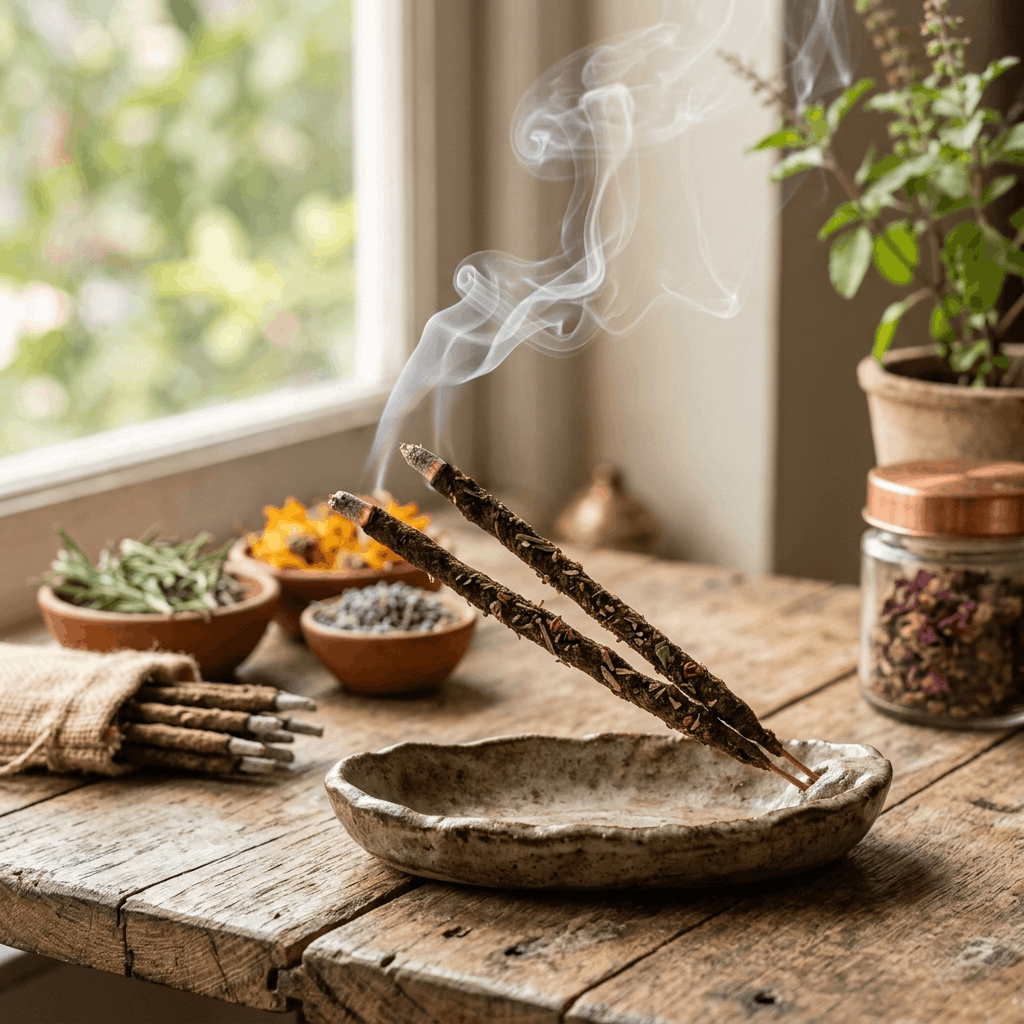
In response to this growing public health crisis, a powerful global movement towards eco-friendly, 100% natural agarbatti is rapidly gaining momentum. Eco-friendly agarbatti represents a return to the sacred roots of incense making. It completely abandons synthetic chemicals and toxic accelerants, relying instead on the abundant, aromatic gifts of nature. These artisanal and commercially scalable natural incense sticks are crafted from a harmonious blend of dried floral powders (often upcycled from temple offerings), fragrant wood dusts like sandalwood and cedar, natural binding resins extracted from tree bark (such as Jigat), and pure, therapeutic-grade essential oils. The combustion base is frequently formulated using sustainable alternatives like finely pulverized, sun-dried cow dung or activated coconut shell charcoal, both of which burn cleanly and emit negative ions that actively purify the surrounding air.
The transition to eco-friendly agarbatti manufacturing is not merely a health imperative; it is a profound environmental and economic opportunity. By utilizing upcycled floral waste—millions of tons of which are otherwise dumped into rivers, causing massive water pollution—the eco-agarbatti industry champions the principles of the circular economy. It transforms a hazardous waste stream into a high-value, sustainable product. Furthermore, the production process is highly labor-intensive in its artisanal forms, creating significant employment opportunities for women and marginalized communities in rural areas, fostering profound socio-economic empowerment. As consumers become increasingly health-conscious and environmentally aware, the demand for non-toxic, beautifully fragrant, and sustainably produced incense is skyrocketing. This comprehensive guide will illuminate the entire process of manufacturing eco-friendly agarbatti, detailing the raw materials, the step-by-step methodology, the myriad health benefits, and the expansive commercial market awaiting sustainable entrepreneurs.
Raw Material Requirements: Gathering Nature's Bounty
The secret to exceptional eco-friendly agarbatti lies entirely in the purity and quality of its raw materials. Unlike synthetic incense, where inferior base materials are masked by overpowering chemical perfumes, natural incense relies on the intrinsic aromatic properties of its botanical ingredients. To begin manufacturing on a small commercial scale (producing approximately 10 to 15 kilograms of agarbatti per day), you will need to source and carefully prepare a specific inventory of natural components.
The Core Ingredients and Required Quantities:
- The Combustible Base (40% - 50% of the mix): The base material provides the fuel for a slow, even burn. In traditional eco-friendly methods, finely powdered, sun-dried indigenous cow dung is highly prized due to its natural anti-bacterial properties and clean burn. Alternatively, activated charcoal powder derived from coconut shells or bamboo is excellent for creating a completely smokeless, neutral-scented base that allows the floral aromas to shine. You will need approximately 5 kg of base powder for a standard 10 kg batch.
- The Aromatic Biomass (20% - 30% of the mix): This is where upcycling plays a crucial role. Collect discarded flowers (marigold, rose, jasmine, hibiscus) from temples or florists. These must be meticulously sorted to remove plastics and threads, thoroughly sun-dried until brittle, and ground into an ultra-fine powder using a pulverizer machine. You can also incorporate fragrant wood dusts, such as waste sandalwood powder or cedarwood dust sourced from sustainable carpentry. You will need roughly 3 kg of aromatic biomass powder.
- The Natural Binder (10% - 15% of the mix): A binding agent is essential to hold the powders together and adhere them to the bamboo stick. Jigat powder, derived from the bark of the Machilus macrantha tree, is the industry standard organic binder. When mixed with water, Jigat forms a highly viscous, sticky mucilage that provides perfect adhesion without emitting any toxic smoke when burned. You will require approximately 1.5 kg to 2 kg of high-quality Jigat powder.
- The Core Stick: Sourcing high-quality, unbleached bamboo sticks is vital. The sticks should be smooth, uniformly round (typically 1.3 mm to 1.5 mm in diameter), and free of fungal growth. For a 10 kg batch of incense dough, you will need approximately 2.5 kg to 3 kg of raw bamboo sticks (typically 8 to 9 inches in length).
- Aromatherapy Essential Oils and Hydrosols: To elevate the fragrance profile, pure essential oils (such as lavender, patchouli, lemongrass, or pure rose otto) are utilized. Instead of chemical diethyl phthalate (DEP) used in synthetic incense to hold the fragrance, natural fixatives like vetiver root extract or benzoin resin can be employed. The quantity of essential oil varies widely based on desired potency, ranging from 50 ml to 200 ml per batch, blended into a natural carrier oil or alcohol base for dipping.
Sourcing these materials from verified organic suppliers or establishing your own floral waste collection network is the first critical step toward establishing a truly authentic eco-friendly agarbatti brand.
Manufacturing Process: From Raw Dust to Fragrant Sticks
The manufacturing process of eco-friendly agarbatti is a delicate balance of precise formulation, meticulous mixing, and careful curing. While traditional methods rely heavily on hand-rolling, modern commercial operations utilize semi-automatic pedal machines or fully automatic extrusion machines to ensure consistency and high volume production while maintaining organic integrity.
The Formulation and Dough Preparation: The process begins by dry-mixing the core ingredients in highly specific ratios. A standard, reliable recipe for a natural premix is 4 parts combustible base (charcoal or cow dung powder), 3 parts aromatic floral/wood powder, and 2 parts Jigat binder. These dry powders must be sifted through a fine mesh screen (usually 80 to 100 mesh) to remove any coarse particles, ensuring the final stick is perfectly smooth and burns without sputtering. Once the dry ingredients are intimately blended in an industrial ribbon blender or large mixing vat, water is gradually introduced. The hydration process is critical; the goal is to create a stiff, pliable dough—similar in consistency to modeling clay or tight chapati dough. If the dough is too wet, the sticks will warp and take too long to dry; if it is too dry, the dough will not adhere to the bamboo and will crumble during the rolling process.
The Extrusion and Rolling Phase: In a commercial setup using an automatic agarbatti making machine, the prepared dough is fed into the hopper. The machine's piston mechanism forces the dough through a specialized die. Simultaneously, bamboo sticks are rapidly fed from a chute through the center of the die. As the stick passes through, it is evenly coated with a precise thickness of the incense dough. A high-speed automatic machine can flawlessly coat between 150 to 200 sticks per minute. For artisanal, handcrafted brands, skilled artisans sit with small portions of the dough on a smooth wooden plank, placing a bamboo stick in the center and rolling it swiftly with a flat wooden tool to achieve an even coating. While slower, hand-rolled incense often commands a premium in luxury markets due to its bespoke nature and rustic aesthetic.
Drying, Curing, and Perfuming: Once rolled, the damp, raw agarbatti (often called 'unscented raw sticks' at this stage, even if they contain floral powders) must be meticulously dried. They are spread thinly on wire mesh trays or bamboo racks. Crucially, eco-friendly agarbatti should ideally be shade-dried in a well-ventilated room or a temperature-controlled dehumidification chamber rather than baked in direct, harsh sunlight. Rapid sun drying can cause the outer layer to crack and the natural aromas to volatilize and escape. After 24 to 48 hours of curing, the sticks are completely dry and rigid. The final step is the perfuming process. The dried sticks are gently dipped into a meticulously crafted blend of pure essential oils and natural fixatives. They are allowed to steep briefly to absorb the aromatic oils, then removed and allowed to dry again, ensuring the fragrance is locked deeply within the porous structure of the stick, ready to be unleashed upon lighting.
Compare Product Outcomes: Synthetic Toxicity vs. Eco-Friendly Purity
When consumers evaluate the outcomes of burning traditional, synthetic agarbatti versus 100% eco-friendly, natural agarbatti, the contrast is stark, spanning sensory experience, environmental impact, and, most critically, human health. The shift from chemical to natural is not just a preference; it is a necessity for a healthy home environment.
The Olfactory Experience and Burn Characteristics: Synthetic agarbatti relies on highly concentrated, artificially synthesized chemical fragrances. When lit, these sticks produce an overwhelmingly strong, often cloying, and sharp aroma that quickly saturates a room. While they may smell potent initially, the underlying odor of burning chemical accelerants is often detectable, and the smoke tends to be thick, heavy, and black. In contrast, eco-friendly agarbatti delivers a vastly superior, nuanced olfactory experience. Because they utilize pure essential oils and natural floral biomass, the aroma is subtle, therapeutic, and deeply soothing—reminiscent of a natural garden or a serene forest rather than a perfume factory. The burn time of natural sticks is generally slower and more consistent. The smoke produced is thin, light-colored (or nearly smokeless if a high-quality bamboo charcoal base is used), and dissipates gently without leaving a heavy, lingering chemical film on furniture or walls.
Environmental and Ecological Footprint: The production and disposal of synthetic incense are ecological nightmares. The manufacturing processes for artificial dyes and synthetic fragrances release toxic effluents into waterways. Furthermore, the base materials often include sawdust from unsustainable logging practices or petroleum-derived chemicals that contribute to fossil fuel depletion. Conversely, eco-friendly agarbatti is a marvel of sustainability. By actively upcycling millions of tons of discarded temple flowers—which would otherwise rot in rivers, depleting oxygen levels and killing aquatic life—the industry performs a critical environmental cleanup service. Using sustainable binders like Jigat and renewable bases like cow dung or coconut shell charcoal ensures a near-zero carbon footprint. Even the ash left behind after burning an eco-friendly stick is completely organic and can be safely mixed into the soil of potted plants as a mild fertilizer, whereas synthetic ash contains concentrated chemical residues that are harmful to soil biology.
Helping Creatures: Natural Pest Repellents and Ecosystem Harmony
The impact of our consumer choices extends far beyond our living rooms; it directly affects the delicate balance of the ecosystems surrounding us. Conventional pest control methods and synthetic incense sticks often employ harsh chemical insecticides, such as DEET or synthetic pyrethroids, to repel or kill mosquitoes and flies. When these chemicals are vaporized into the air, they do not discriminate. They are highly toxic to a vast array of beneficial creatures, including honeybees, butterflies, ladybugs, and even small household pets, contributing significantly to the alarming global decline in pollinator populations.
Eco-friendly agarbatti offers a harmonious, non-lethal solution to pest management that actively protects helping creatures. By thoughtfully formulating the agarbatti dough with specific natural botanicals, manufacturers can create highly effective, organic insect repellents. Ingredients such as pure Citronella oil, Lemongrass extract, Neem leaf powder, Holy Basil (Tulsi), and Eucalyptus are renowned for their powerful insect-repelling properties. When an eco-friendly agarbatti infused with these botanicals is burned, the smoke masks the carbon dioxide and lactic acid scents that humans emit, effectively confusing and repelling mosquitoes without utilizing neurotoxic chemicals. Because these botanical compounds are entirely natural, they degrade rapidly in the environment and pose absolutely no threat to vital pollinators like bees or butterflies outside the immediate vicinity of the smoke. Furthermore, the absence of synthetic chemicals ensures that birds and small amphibians, which are highly sensitive to airborne toxins, remain unharmed. Choosing eco-friendly agarbatti is a conscious decision to maintain a pest-free home while acting as a responsible steward of the local ecosystem and its beneficial inhabitants.
Protection from Disease and Respiratory Health: A Breath of Pure Air
The most compelling and urgent reason for the global shift towards eco-friendly agarbatti is the profound protection it offers against severe respiratory diseases and systemic health issues. The indoor air pollution generated by burning synthetic incense is a silent, pervasive hazard. Scientific studies conducted by global health organizations have conclusively demonstrated that the smoke from mass-produced, chemically laden agarbatti contains dangerously high levels of volatile organic compounds (VOCs), polycyclic aromatic hydrocarbons (PAHs), and fine particulate matter (PM2.5). Chronic inhalation of these toxins is directly linked to the development and exacerbation of asthma, chronic obstructive pulmonary disease (COPD), bronchial irritation, and severe allergic reactions. Furthermore, the synthetic musks and phthalates used to bind the artificial fragrances act as powerful endocrine disruptors, potentially causing long-term hormonal imbalances and reproductive issues.
Eco-friendly agarbatti entirely eliminates these insidious health risks. Because it is crafted exclusively from 100% natural, unadulterated botanical ingredients, the combustion process is incredibly clean. Burning organic cow dung or pure coconut shell charcoal releases negligible amounts of harmful particulates and zero synthetic VOCs. In fact, traditional Ayurvedic texts assert that burning specific natural herbs and resins acts as a powerful atmospheric purifier, actively eliminating airborne bacteria and viral pathogens. When you inhale the subtle aroma of an eco-friendly agarbatti, you are engaging in genuine aromatherapy. The pure essential oils released into the air—such as lavender for profound stress relief and anxiety reduction, sandalwood for enhanced cognitive focus and meditation, or eucalyptus for clearing respiratory congestion—interact directly with the limbic system of the brain, promoting holistic physiological and psychological healing. By eliminating the toxic burden of synthetic chemicals, eco-friendly incense transforms a daily ritual from a hidden health hazard into a powerful practice of respiratory protection and overall wellness.
Step-by-Step Manufacturing Guide: Launching Your Eco-Incense Production
Step 1: Establishing a Raw Material Supply Chain
The foundation of a successful eco-friendly agarbatti business is a reliable, high-quality supply chain. Begin by partnering with local temples, flower markets, and wedding venues to establish a daily collection system for discarded floral waste. This not only secures your primary aromatic biomass essentially for free or at a very low cost but also positions your brand as a champion of waste management and environmental sustainability. Simultaneously, source bulk quantities of authentic Jigat binder powder and premium, unbleached bamboo sticks from verified organic agricultural suppliers to ensure the structural integrity of your product.
Step 2: Processing and Pulverizing Biomass
Once collected, the floral waste must be immediately sorted to remove all non-organic materials like plastic strings, rubber bands, and rotting stems. Spread the sorted flower petals in a thin layer across large drying racks in a well-ventilated, covered area to air-dry naturally; avoid direct, scorching sunlight which can destroy the delicate aromatic compounds. Once the petals are completely crisp and devoid of moisture, process them through a commercial heavy-duty pulverizer machine. Sift the resulting output through a fine 80-mesh screen to achieve a silky, ultra-fine floral powder. This fineness is non-negotiable for producing smooth, high-quality sticks that burn evenly.
Step 3: Precision Mixing and Dough Hydration
In a large industrial ribbon mixer, combine your dry ingredients according to your established formulation (e.g., 40% base powder, 40% floral powder, 20% Jigat binder). Mix the dry powders thoroughly for at least 15 minutes to ensure absolute homogeneity. Next, begin the critical hydration phase. Slowly add filtered water to the dry mix while the machine continues to knead. The exact amount of water depends on the ambient humidity and the moisture content of the powders. The goal is to achieve a dense, pliable, non-sticky dough that holds its shape perfectly when squeezed in the hand. Allow the dough to rest in a sealed container for 30 minutes to allow the Jigat to fully activate and develop its binding mucilage.
Step 4: Extrusion and Quality Control
Load the hydrated dough into the hopper of your automatic or semi-automatic agarbatti extruder machine. Feed the bamboo sticks into the machine's inlet. As the machine operates, constantly monitor the output. The extruded incense paste should coat the bamboo stick evenly, leaving exactly the required length of bare bamboo at the bottom for holding. Implement strict quality control at this stage: instantly reject and recycle any sticks that are bent, unevenly coated, or cracked. A well-calibrated machine operated by a skilled technician can produce thousands of flawless raw sticks per hour.
Step 5: Shade Drying and Aromatic Dipping
Carefully transfer the freshly extruded, wet sticks onto large wire-mesh drying trays. Ensure they are laid out in a single layer without overlapping to prevent sticking and ensure even airflow. Place the trays in a dark, highly ventilated drying room equipped with industrial exhaust fans and dehumidifiers. Allow the sticks to cure slowly over 24 to 48 hours until they are bone dry and emit a sharp 'snap' when broken. Finally, prepare your natural fragrance baths using pure essential oils diluted in a natural carrier base. Dip the dried sticks into the fragrance bath, allowing them to steep for several minutes to absorb the oils deeply. Remove, drain the excess liquid, and dry them one final time before moving them to the packaging department for final sealing in eco-friendly, biodegradable packaging.
Market Scope: Tapping into the Global Wellness Economy
The commercial potential for certified eco-friendly, 100% natural agarbatti is vast and expanding at an unprecedented rate, transitioning from a niche artisanal product into a mainstream consumer necessity. The global wellness economy, valued in the trillions of dollars, is driving a massive consumer shift toward organic, non-toxic household products. Domestically, there is a massive, untapped market among health-conscious urban households, yoga and meditation studios, luxury spas, and boutique organic retail chains. These demographics are actively seeking out chemical-free alternatives to traditional incense and are more than willing to pay premium prices for products that guarantee purity, sustainability, and authentic aromatherapy benefits.
Furthermore, the institutional market is immense. Thousands of temples, ashrams, and spiritual centers are increasingly mandating the use of eco-friendly incense to protect the health of their priests, devotees, and the structural integrity of ancient temple artwork from corrosive chemical smoke. On an international scale, the export potential is staggering. Markets in North America, Europe, and Australia have incredibly stringent regulations regarding indoor air quality and synthetic chemicals. Eco-friendly agarbatti, particularly when packaged with compelling branding that highlights the upcycling of floral waste and the empowerment of rural women artisans, aligns perfectly with the ethical purchasing criteria of Western consumers. By securing organic certifications and navigating export protocols, a well-managed eco-agarbatti enterprise can scale rapidly, tapping into lucrative international distribution networks and establishing a highly profitable, globally recognized sustainable brand.
📦 Bulk Orders & Export
Mitti Gold Organic: For bulk orders of all organic fertilizers — Farmers, Nurseries, and Export. WhatsApp: +91 95372 30173
Frequently Asked Questions
The price difference reflects the vast difference in the quality of raw materials and the manufacturing process. Regular agarbatti is incredibly cheap to produce because it relies on bulk industrial waste, sawdust, and highly inexpensive, mass-produced synthetic chemical perfumes. Eco-friendly agarbatti uses premium, pure botanical ingredients, upcycled floral powders, natural Jigat binders, and highly expensive, authentic essential oils. Furthermore, the meticulous sorting and processing of organic materials is more labor-intensive, resulting in a higher cost of production but a vastly superior, safer product.
No, and this is by design. Commercial brands use chemical enhancers to create an artificial, overpowering scent that can quickly fill a large hall. Eco-friendly agarbatti offers a much more subtle, sophisticated, and authentic aroma. The scent profile is therapeutic and natural, designed to soothe the senses rather than overwhelm them. It creates a gentle, lingering background aroma that is safe to breathe for extended periods without causing headaches or olfactory fatigue.
Yes, absolutely. When sourced from healthy, indigenous cows, thoroughly sun-dried, and finely pulverized, cow dung is an exceptional, completely sterile combustible base. In Ayurveda and traditional Indian science, burning dried cow dung is recognized for magnetizing potent antibacterial and air-purifying properties. It burns cleanly, produces very little smoke, and acts as an excellent neutral base that allows the floral and essential oil fragrances to permeate effectively.
Typically, eco-friendly agarbatti has a shelf life of 12 to 24 months. Because it does not contain chemical preservatives or synthetic fixatives (like DEP), the natural essential oils can gradually evaporate over very long periods. To maximize shelf life and preserve the aromatic potency, the agarbatti must be stored in airtight, moisture-proof packaging, away from direct sunlight and extreme temperature fluctuations.
Yes, it is highly feasible to start small. You can begin a micro-enterprise from home using manual rolling techniques or a small pedal-operated machine, requiring minimal initial capital investment. By sourcing floral waste locally for free and purchasing small quantities of binder and natural oils, you can test the market and perfect your formulations. As demand for your healthy, organic incense grows, you can systematically reinvest the profits to purchase automatic extrusion machines and scale up to full commercial production.