📅 June 2026 | ✍️ Mitti Gold Organic | 🗂️ Farming
Coriander Application Rates & Cultivation Strategies
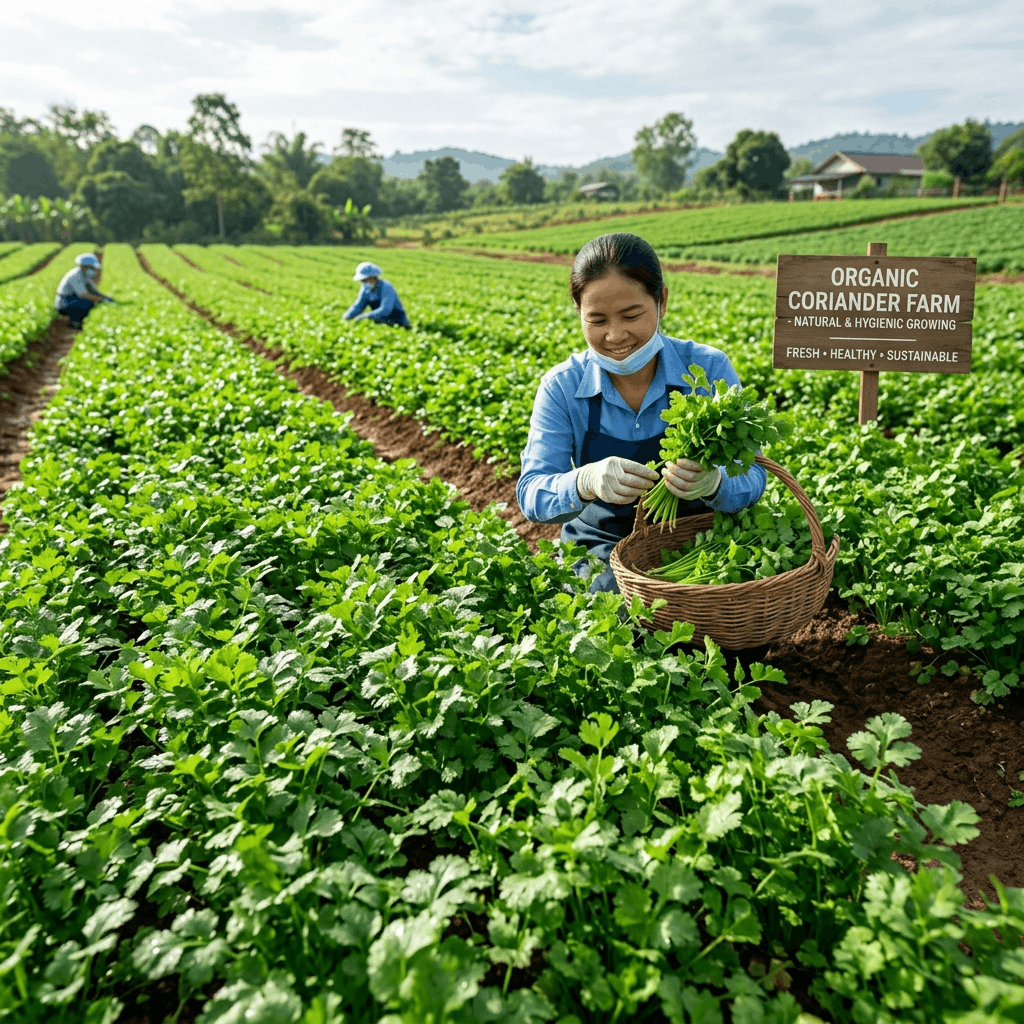
Cultivating organic coriander (Coriandrum sativum) is not just an agricultural pursuit; it is a vital step toward creating sustainable livelihoods for rural women. Understanding the correct application rates for organic inputs is crucial for achieving high yields without relying on synthetic chemicals. For one acre of land, it is generally recommended to use approximately 5 to 7 kilograms of high-quality coriander seeds. Before sowing, the soil should be enriched with 4 to 5 tonnes of well-rotted farmyard manure (FYM) or compost. Additionally, integrating bio-fertilizers such as Azotobacter and Phosphorus Solubilizing Bacteria (PSB) at a rate of 2 kilograms per acre can significantly enhance nutrient availability. This meticulous approach to cultivation ensures that the soil remains fertile and capable of supporting robust plant growth. By adhering to these organic application rates, women farmers can produce coriander that is entirely free from harmful pesticide residues, making it exceptionally safe for consumption and for use in traditional feminine hygiene practices. The transition to organic cultivation methods not only safeguards the environment but also provides a premium product that commands a higher price in the market, thereby elevating the economic status of the women involved.
Step-by-Step Organic Coriander Farming Guide
The journey to a bountiful and chemically pure organic coriander harvest involves several crucial steps. By following a systematic approach, farmers can ensure the health of the crop and the surrounding ecosystem.
Seed Preparation and Sowing
Start with certified organic seeds. To improve germination rates, lightly crush the seeds to separate the two halves (mericarps) before sowing. Soak the seeds in water for 12 to 24 hours. Treat the seeds with Trichoderma viride or Pseudomonas fluorescens (10g per kg of seed) to protect against soil-borne diseases. Sow the seeds in well-prepared beds with a spacing of 30 cm between rows and 10 cm between plants.
Soil Enrichment with Organic Matter
Prepare the field by ploughing it 2-3 times to achieve a fine tilth. Incorporate well-decomposed farmyard manure or vermicompost into the soil at least three weeks before sowing. This improves soil structure, enhances water retention, and provides a slow release of essential nutrients throughout the growing season.
Natural Pest and Disease Management
Organic farming relies on preventative measures and natural interventions. Use neem seed kernel extract (NSKE 5%) or neem oil sprays to deter aphids and whiteflies, which are common pests in coriander. Promote beneficial insects like ladybugs. For fungal diseases like powdery mildew, a spray of sour buttermilk or a natural sulfur solution can be highly effective without leaving toxic residues.
Irrigation and Water Conservation
Coriander requires consistent moisture, especially during the germination and flowering stages. Implement drip irrigation or sprinkler systems to conserve water and ensure even distribution. Avoid waterlogging, as it can lead to root rot. Regular, light watering is preferable to infrequent, heavy irrigation.
Harvesting and Processing
Harvesting should be done when the leaves are fully grown and bright green for fresh herbs, or when the seeds turn brown for spice production. Pluck the leaves early in the morning to retain moisture and essential oils. Dry the seeds in a shaded, well-ventilated area to preserve their aroma, flavor, and medicinal properties. Proper drying is critical for preventing fungal growth during storage.
Comparing Yield and Health Outcomes
When comparing organic coriander farming to conventional methods, the long-term benefits clearly favor the organic approach. While conventional farming might occasionally produce a quick, artificially inflated yield using synthetic fertilizers, the organic method ensures sustained, high-quality production year after year. The organic yield is richer in essential oils, antioxidants, and phytonutrients, which are the very components that provide health benefits. Furthermore, the health outcomes for the women farmers and consumers are profoundly positive. Conventional farming exposes women to toxic pesticides during application and harvesting, which has been linked to numerous health issues, including respiratory problems and hormonal imbalances. By avoiding these chemicals, organic farming creates a safe working environment. The chemical-free coriander produced can be safely incorporated into traditional feminine hygiene practices, such as using coriander seed infusions for cleansing or managing menstrual discomfort, without the risk of absorbing pesticide residues.
Nurturing Soil Creatures and Biodiversity
A thriving organic coriander farm is a haven for soil biodiversity. Synthetic chemicals often devastate populations of earthworms, beneficial nematodes, and mycorrhizal fungi, which are essential for nutrient cycling and soil structure. In contrast, organic practices, such as the addition of compost and green manure, feed and multiply these microscopic workers. Earthworms aerate the soil, improving drainage and root penetration, while beneficial fungi form symbiotic relationships with the coriander roots, enhancing water and nutrient uptake. This vibrant underground ecosystem creates resilient plants that are better equipped to withstand environmental stress, leading to a more robust and sustainable agricultural system.
Protection from Disease for Farmers and Consumers
The protective shield of organic farming extends beyond the crop to encompass the farmers, their families, and the end consumers. The elimination of toxic pesticides and herbicides from the farming process drastically reduces the risk of acute poisoning and chronic diseases among rural women who handle the crops. Furthermore, organically grown coriander is free from chemical residues, ensuring that consumers are not unknowingly ingesting harmful substances. This is particularly crucial when coriander is used in health remedies and feminine hygiene routines, where purity is paramount. The natural anti-bacterial and anti-inflammatory properties of pure coriander can be fully realized without the counteracting effects of synthetic toxins.
Market Reach: Women Farmers, Export & Health
The global shift towards organic and natural products has created a highly lucrative market for organic coriander, directly benefiting women farmers. By producing certified organic herbs, these women can access premium markets, both domestically and internationally. Export opportunities for high-quality, chemical-free spices are expanding rapidly, offering a reliable and enhanced income stream. This financial independence empowers women, allowing them to invest in their families' education, healthcare, and overall well-being. Moreover, the integration of organic coriander into health and hygiene products represents a growing niche market, further validating the importance of clean, sustainable farming practices led by women.
📦 Bulk Orders & Export
Mitti Gold Organic: For bulk orders of all organic fertilizers — Farmers, Nurseries, and Export. WhatsApp: +91 95372 30173
Frequently Asked Questions
It provides a safe, chemical-free working environment, protecting them from pesticide exposure. It also offers a reliable income through premium organic markets, and the chemical-free herbs can be safely used for traditional health and hygiene practices.
Yes, traditionally, infusions made from organic coriander seeds are sometimes used for their mild antibacterial and soothing properties. However, it is crucial that the coriander is 100% organic and free from pesticide residues.
While initial yields may be slightly lower during the transition period, organic yields stabilize and often surpass conventional yields in the long term due to improved soil health and resilience against pests and diseases.
Using neem seed kernel extract (NSKE), promoting beneficial insects like ladybugs, and maintaining healthy soil to ensure robust plant growth are the most effective and safe organic pest control methods.
Typically, 5 to 7 kilograms of high-quality, treated organic seeds are required per acre for optimal plant density and yield.