📅 June 2026 | ✍️ Mitti Gold Organic | 🗂️ Gardening
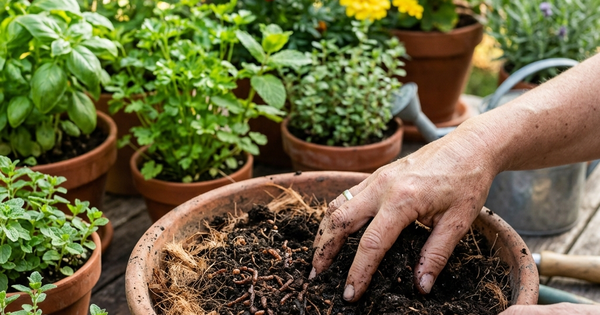
Application Rates: Mixing Ratios for the Ultimate Potting Mix
Preparing the perfect potting soil is the most important step for successful container gardening. Pots restrict root space, so the soil mix must be nutrient-rich, well-draining, and aerated. The recommended application rate (mixing ratio) for general garden plants is: 30% Mitti Gold vermicompost, 30% coco peat (for moisture retention), 30% sterile garden soil (or red soil), and 10% agricultural charcoal. To enrich the mix further, add 1 cup of neem cake powder (to prevent soil-borne pests) and 2 tablespoons of bone meal or rock phosphate per pot. Mixing in pure cow dung powder acts as a natural microbial activator, introducing beneficial bacteria that break down organic nutrients over time. For heavy feeders like tomatoes, peppers, and roses, the mixing ratio should be adjusted to include 40% Mitti Gold vermicompost and 20% composted cow dung manure to provide a steady release of nitrogen, phosphorus, and potassium. For succulents and cacti, which require superior drainage, increase the agricultural charcoal to 20% and reduce the coco peat to 10% to prevent root rot. When establishing a container garden, spraying the soil mix with liquid vermiwash at a dilution of 1:10 with water before planting seeds moistens the soil and inoculates it with beneficial plant growth regulators, ensuring rapid seed germination and strong root growth. By using these precise ingredient proportions, home gardeners can create a professional-grade potting mix that ensures healthy, long-lasting container plants. Furthermore, to grow organic leafy vegetables like spinach, coriander, and mint in balcony containers, a lighter potting mix is preferred. The ideal formulation consists of 40% coco peat, 30% Mitti Gold vermicompost, 20% composted cow dung manure, and 10% agricultural charcoal. This composition keeps the pot lightweight and prevents compaction, which is essential for shallow-rooted herbs. Dusting the top of the mix with 20 grams of pure cow dung powder and watering it in provides an immediate nitrogen boost that promotes lush green leaf development. For containerized fruit trees like dwarf lemons or pomegranates, gardeners should add 2 kg of composted cow dung manure and 1 kg of Mitti Gold vermicompost per pot twice a year. Regular foliar applications of vermiwash, sprayed every 2 weeks, help keep the plants free from nutrient deficiency symptoms and build resistance against sucking pests. These specialized organic mixing rates allow urban gardeners to grow a wide variety of plants successfully in limited container spaces.
How to Use Product: Filling Pots and Planting Seeds
Using the organic potting mix correctly ensures rapid seed germination and healthy plant growth. First, place a 1-inch layer of agricultural charcoal at the bottom of the pot. When to apply: This drainage layer is applied before adding the soil mix. The agricultural charcoal prevents waterlogging and adsorbs any toxic chemicals or salts in the water. Fill the pot with the prepared soil mix, leaving 1-2 inches of space at the top for watering. Plant the seeds or transplant the saplings, and water gently. Top-dress the pots with 2-3 tablespoons of Mitti Gold vermicompost every 30 to 45 days during the active growth phase to replenish depleted nutrients and keep the plants healthy. To give transplants an extra boost, water them with a dilute vermiwash solution (1:15 ratio) immediately after planting, which helps reduce transplant shock and stimulates root establishment. For older container plants showing signs of nutrient depletion, gently scrape the top 2 inches of soil, mix in 100 grams of composted cow dung manure and 50 grams of pure cow dung powder, and water thoroughly. This top-dressing technique reactivates the soil microbiomes and delivers a balanced dose of organic nutrients to the root zone. By following these application methods, gardeners can maintain a thriving container garden year-round, ensuring that their plants remain green, healthy, and productive. Additionally, when preparing pots for seasonal flowers like petunias, marigolds, or pansies, the potting soil should be thoroughly aerated before filling. Spread the soil mix in a thin layer under the sun for a few hours to ensure it is dry and loose. When filling the pots, tap them gently on the ground to settle the soil, but do not press it down with your hands, as compaction destroys the air pockets required for root respiration. When adding the agricultural charcoal drainage layer, ensure the drainage hole at the bottom of the pot is not completely blocked, but covered with a porous mesh or piece of broken clay pot. Regular application of vermiwash as a foliar spray helps keep the foliage clean and dust-free, which is especially important for indoor house plants. This comprehensive soil preparation and application methodology guarantees that container plants receive the perfect balance of moisture, aeration, and organic nutrition, ensuring beautiful blooms and healthy growth.
1
Ingredient Preparation
Collect garden soil, coco peat, vermicompost, and agricultural charcoal, and sift them to remove stones and large debris.
2
Blending
Thoroughly mix the ingredients in a large tray, adding neem cake powder and pure cow dung powder for extra nutrition.
3
Pot Setup
Place a layer of agricultural charcoal at the bottom of the pot, fill it with the organic soil mix, and plant your seeds or saplings.
Outcome Comparison: Organic Home-Made Soil vs. Cheap Commercial Soil
Plants grown in a custom-blended organic potting soil show clear differences compared to those grown in cheap, store-bought soil. The difference is visible in plant health, growth rate, flower yield, and the long-term sustainability of the soil:
- Root Development: The porous structure created by coco peat and agricultural charcoal allows roots to spread rapidly and breathe, compared to cheap soil which becomes compacted and suffocates roots. The addition of Mitti Gold vermicompost provides natural root hormones that stimulate healthy branching.
- Leaf and Flower Quality: The rich nutrients in organic vermicompost and composted cow dung manure ensure vibrant green leaves and abundant flowering. Plants in low-grade soils often show yellow leaves and poor blooming due to lack of trace minerals.
- Water Retention: The organic mix holds moisture without waterlogging, reducing the watering frequency. Incorporating agricultural charcoal helps buffer moisture, whereas cheap soil either drains too fast or holds water like clay, causing root rot.
- Microbial Activity and Longevity: The presence of pure cow dung powder and vermiwash inoculates the soil with beneficial microbes that maintain soil fertility over time, whereas chemical-based potting soils quickly become sterile and require constant synthetic inputs.
Fostering a Healthy Microbiome in Container Plants
Pots can easily become sterile environments due to frequent watering and lack of soil biodiversity. Incorporating organic Mitti Gold vermicompost and agricultural charcoal inoculates the mix with beneficial mycorrhizae and soil bacteria. The agricultural charcoal acts as a permanent microscopic refuge for these microbes, protecting them from drying out. These beneficial organisms break down organic matter into easily absorbable nutrients, feeding the plant roots and maintaining soil health inside the container. The addition of composted cow dung manure feeds the soil food web, providing a rich organic substrate for beneficial fungi to thrive. Using pure cow dung powder acts as a pre-biotic, stimulating native soil microbes and encouraging them to colonize the root zone. Regular applications of liquid vermiwash supply a continuous stream of live microbes and enzymes that rejuvenate the soil microbiome. As these microbes multiply, they produce natural sticky substances called glomalin, which bind soil particles together, maintaining a loose, crumbly texture in the pot. This active biology releases locked phosphorus and iron, making them readily available to the plants. The container soil becomes a living, self-sustaining ecosystem that supports robust growth and makes the plants naturally resilient to drought and stress. In contrast, potting soils that rely on synthetic chemical fertilizers quickly lose their structural integrity and biological activity. The chemical salts accumulate in the pot, killing off beneficial microbes and creating an acidic, compacted medium that suffocates the plant roots. The plants become dependent on chemical feeds, making them weak and highly susceptible to diseases. By shifting to organic ingredients like composted cow dung manure and agricultural charcoal, gardeners can prevent this degradation. The carbon-rich charcoal provides a highly porous network of microscopic cavities where beneficial bacteria and mycorrhizal fungi can establish permanent colonies, safe from chemical runoff and physical disturbance. These microbes work in symbiosis with the plant roots, exchanging vital nutrients and water for plant sugars. This healthy, living soil microbiome is the secret to successful container gardening, ensuring that potted plants grow vigorously and bloom beautifully.
Preventing Soil-Borne Fungal Diseases and Nematodes
Container plants are highly susceptible to damping-off, root rot, and nematode infestations, which thrive in wet, compacted soils. Organic gardeners prevent these diseases by ensuring excellent drainage and using natural bio-control agents. The porous agricultural charcoal and Mitti Gold vermicompost prevent waterlogging, which is the primary cause of root rot. Adding neem cake powder to the mix provides natural protection from disease, repelling nematodes and suppressing harmful fungal spores in the soil. To prevent damping-off in young seedlings, the potting mix can be enriched with composted cow dung manure mixed with Trichoderma viride. Applying a foliar spray of vermiwash diluted with water builds systemic resistance in the plants, making their leaf cuticles stronger and less susceptible to fungal attacks like powdery mildew. Dusting the potting soil with a thin layer of pure cow dung powder mixed with wood ash repels crawling insects and slugs. In the event of a pest outbreak, spraying a mixture of neem oil and liquid soap diluted with vermiwash acts as an effective natural insecticide. By combining these natural prevention and hygiene techniques, home gardeners can protect their potted plants from pests and diseases without using synthetic chemical sprays, keeping their garden clean, organic, and safe for children and pets. Furthermore, container soils should be monitored for water accumulation, which is the perfect breeding ground for soil-borne pathogens. The inclusion of agricultural charcoal in the potting mix is highly beneficial in this regard, as it absorbs excess water and slowly releases it when the soil dries out, preventing the anaerobic conditions that promote Pythium and Phytophthora root rots. For plants highly susceptible to nematodes, like tomatoes and eggplants, incorporating a handful of marigold leaf compost and composted cow dung manure helps suppress nematode populations. Spraying the foliage with vermiwash mixed with a small amount of garlic juice acts as a natural repellent against spider mites and whiteflies, which are common pests in indoor gardens. These integrated biological and cultural protection methods ensure that the container garden remains healthy and vibrant, allowing urban gardeners to enjoy the beauty of nature without the risks associated with chemical pesticides.
Ready-to-Use Potting Soil for Nurseries and Urban Gardeners
The demand for ready-to-use premium potting soil is booming in urban areas due to the rise of terrace farming and balcony gardening. Nurseries, landscaping companies, and home gardeners are willing to pay a premium for certified organic soil mixes. Preparing and selling customized soil mixes, enriched with Mitti Gold vermicompost, composted cow dung manure, and agricultural charcoal, is a highly profitable micro-business. Packaging the mix in attractive, moisture-proof bags allows entrepreneurs to sell directly online or through local nurseries, capturing a high-margin market. Offering value-added products like pure cow dung powder and concentrated liquid vermiwash further increases the profitability of the business. By educating consumers through social media on how to use these organic inputs, entrepreneurs can build a loyal brand. FPOs can also enter this market by setting up soil-blending units at the village level, processing farm waste into high-value urban gardening products, creating jobs and boosting rural incomes. This business model represents a sustainable link between rural agriculture and urban greening. The urban gardening market in major cities like Mumbai, Ahmedabad, and Bangalore is expanding rapidly, driven by environmental awareness and the desire for home-grown, organic vegetables. To tap into this lucrative market, entrepreneurs can create specialized potting mixes for different plant varieties, such as succulent mixes, flowering plant mixes, and vegetable mixes. Using high-quality ingredients like Mitti Gold vermicompost and agricultural charcoal ensures that the products deliver excellent results, leading to repeat purchases and word-of-mouth recommendations. The addition of composted cow dung manure and pure cow dung powder provides a complete package of plant nutrients that conventional mixes lack. Packaging the soil in eco-friendly, breathable bags with clear instructions on application rates and watering practices builds strong customer confidence. By establishing partnerships with local plant nurseries and landscape designers, soil-blending businesses can secure stable, wholesale orders. Additionally, offering home-delivery services and custom soil-testing consultations for terrace gardens creates a premium service line. This integrated product and service model allows urban agriculture businesses to scale rapidly, contributing to the greening of cities and generating significant profits.
🏡 Premium Gardening & Landscaping
Mitti Gold Organic: Bulk supply of Premium Vermicompost and Potting Soil for Nurseries & Landscapers. WhatsApp: +91 95372 30173
Potting Soil Preparation FAQ
Can I use 100% vermicompost for potting plants?
No, 100% vermicompost is too dense and will hold too much water, suffocating the plant roots. It should be mixed with garden soil and coco peat.
Why do my potted plants have yellow leaves?
Yellow leaves are often a sign of nitrogen deficiency or overwatering. Top-dressing with organic vermicompost and improving drainage will resolve this.
Is it necessary to sterilize garden soil before making potting mix?
While not mandatory, sun-drying the garden soil for 2-3 days kills weed seeds and harmful soil pathogens, making it safer for young plants.
Can I use agricultural charcoal in vegetable pots?
Yes, agricultural charcoal is highly recommended for organic vegetable pots as it improves aeration, retains nutrients, and keeps the soil healthy.
How long does a batch of potting soil last in storage?
If stored in a cool, dry place in a sealed bag, it can last for up to 6 months without losing its microbial activity.