📅 June 2026 | ✍️ Mitti Gold Organic | 🗂️ Gardening
Application Rates: Soil Preparation for Urban Gardens
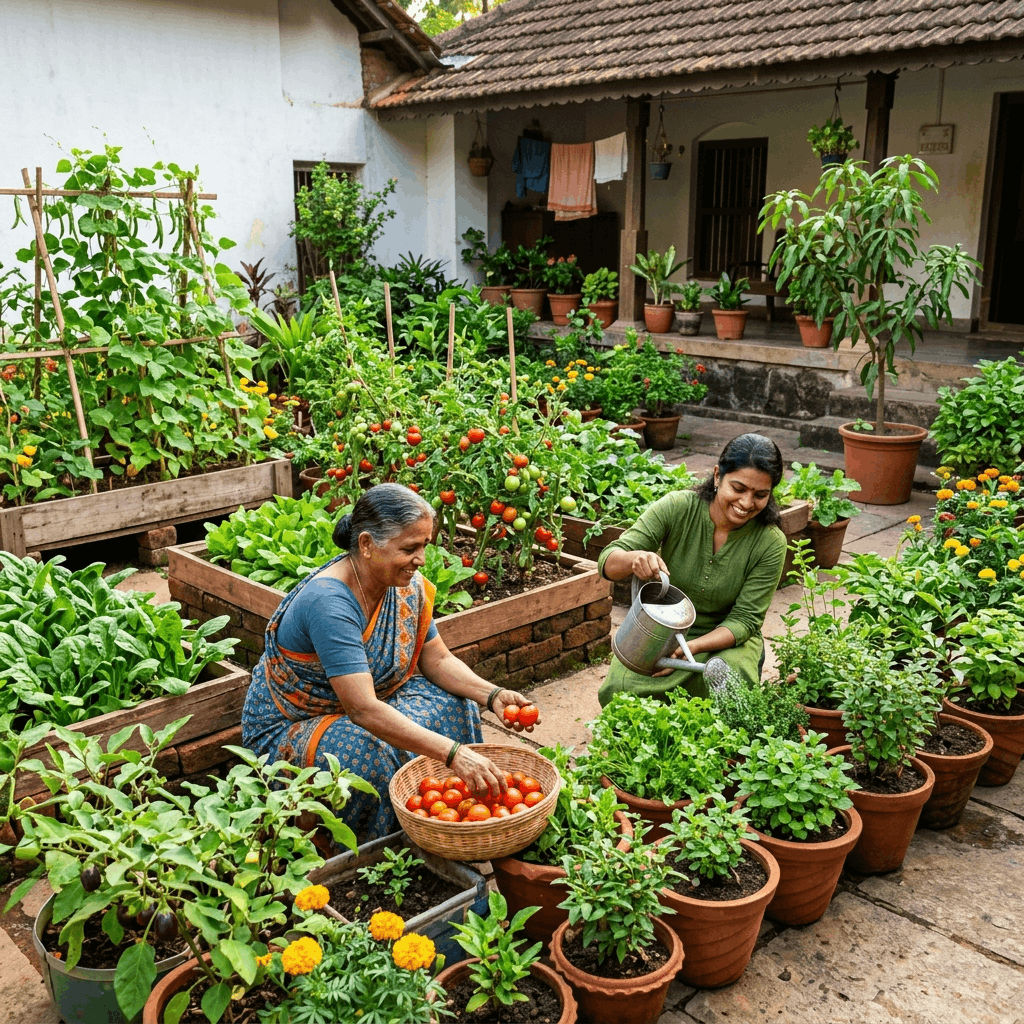
Setting up a home kitchen garden—whether on a rooftop, balcony, or backyard—is the most effective way to ensure your family consumes 100% chemical-free, nutrient-dense vegetables. The success of an urban garden depends entirely on the quality of the potting mix, as container plants have a restricted root zone. The recommended "Application Rate" for the perfect organic potting soil is a mixture of 40% normal garden soil, 30% coco peat (for moisture retention), and 30% high-quality organic Vermicompost. Vermicompost is the ultimate super-food for home gardens; applying just 100 to 200 grams of pure earthworm castings per plant every 15 days provides an explosive boost of nitrogen, phosphorus, and essential trace minerals. For a standard 100 sq. ft. terrace garden containing 40 to 50 grow bags, a gardener will require approximately 20 to 30 kg of vermicompost per season. This rich, porous organic base ensures rapid root expansion, prevents soil compaction in pots, and guarantees a heavy yield of fresh organic tomatoes, spinach, chilies, and herbs right at your doorstep.
How to Use Product: Sowing, Watering, and Maintenance
Understanding how to use your space and organic inputs efficiently makes kitchen gardening effortless. Start by selecting thick, UV-stabilized HDPE grow bags or terracotta pots with proper drainage holes. When to apply seeds: Sow fast-growing leafy greens (like spinach, coriander, and fenugreek) directly into the soil. For fruiting vegetables (like tomatoes, eggplants, and capsicum), germinate the seeds in a separate seedling tray and transplant them into the main pots after 20 days. Watering must be done carefully; over-watering washes away nutrients and causes root rot. Water the plants only when the top one inch of soil feels dry to the touch. Once a week, apply a liquid fertilizer like Vermiwash or Jeevamrutha—diluted 1:10 in water—directly to the roots or as a foliar spray on the leaves. This liquid organic boost accelerates flowering and ensures the vegetables grow large, vibrant, and packed with natural flavor.
1
Sunlight and Space Selection
Choose a location on your terrace, balcony, or backyard that receives at least 5 to 6 hours of direct sunlight daily, which is essential for fruiting vegetables.
2
Prepare the Organic Potting Mix
Blend garden soil, washed coco peat, and premium vermicompost in a 4:3:3 ratio. Add a handful of neem cake powder to the mix to prevent soil-borne pests.
3
Planting and Regular Harvesting
Plant seasonal organic seeds. Apply a top-dressing of 2 handfuls of vermicompost every 15 days. Harvest leaves and vegetables regularly to encourage the plant to produce more.
How to Compare Product Outcomes: Homegrown vs Supermarket Produce
Comparing the outcomes of homegrown organic vegetables with store-bought produce reveals shocking differences:
- Zero Chemical Pesticides: Supermarket vegetables are often sprayed with toxic chemical pesticides and coated with wax. Homegrown food is 100% pure, safe, and residue-free.
- Nutrient Density and Taste: Store-bought vegetables lose up to 40% of their vitamins during days of transport and cold storage. Homegrown tomatoes plucked and eaten within minutes retain maximum Vitamin C, antioxidants, and exceptional natural sweetness.
- Economic Savings: A well-maintained 100 sq. ft. kitchen garden can easily produce 2 to 3 kg of fresh organic vegetables every week, saving thousands of rupees on expensive organic groceries annually.
How to Help into Creature: Creating an Urban Ecosystem
An organic kitchen garden is a miniature sanctuary that helps urban creatures survive in concrete jungles. By avoiding toxic chemical sprays, your terrace garden quickly becomes a safe haven for pollinating bees, beautiful butterflies, and small birds. Introducing a small home composting bin using Eisenia fetida earthworms allows you to recycle all your daily kitchen vegetable scraps into rich compost, preventing waste from reaching city landfills. These earthworms silently process the organic waste, returning pure black gold (vermicompost) to feed your plants. The presence of varied flowering herbs (like basil, marigold, and mint) naturally attracts predatory insects, such as ladybugs, which actively hunt and eat harmful aphids, maintaining a perfect, self-sustaining biological balance on your balcony.
Protection from Disease: Organic Pest Management
In a home garden, chemical pesticides are strictly prohibited as you are growing food for your family. Complete protection from disease is achieved through organic and physical barriers. When to apply: Spray a solution of cold-pressed Neem Oil (5ml per liter of water) mixed with a few drops of organic liquid soap every two weeks. This acts as a powerful natural repellent against mealybugs, whiteflies, and spider mites. Intercropping with strong-smelling herbs like garlic, onions, and marigolds creates a natural olfactory shield that confuses pests. If a fungal disease appears, a simple spray of sour buttermilk or a baking soda solution alters the pH of the leaf surface, instantly killing powdery mildew and black spots, ensuring your garden remains a safe, healthy source of food.
Market: Farmer, Nursery, Gardener, Export
The explosive rise of home kitchen gardening has created a massive new economy. The Nursery and Gardener market is booming, with urban consumers spending heavily on organic seeds, grow bags, ready-to-use potting mixes, and premium vermicompost. For the rural Farmer and organic input manufacturer, this represents a highly lucrative direct-to-consumer (D2C) market. Startups and farmers are now packaging premium, odor-free vermicompost, neem cake, and organic liquid fertilizers into small 1kg and 5kg retail bags, selling them online at premium prices (often 300% higher than bulk agricultural rates). Furthermore, successful urban gardeners often transition into micro-entrepreneurs, selling surplus exotic organic produce, microgreens, and medicinal herbs locally, proving that high-value agriculture can thrive even on a city rooftop.
🌿 Start Your Organic Home Kitchen Garden
Get premium organic vermicompost, potting soil, and liquid organic nutrients delivered for your terrace garden. WhatsApp: +91 95372 30173
Home Kitchen Garden FAQ
What is the best potting mix for a terrace garden?
An ideal lightweight, nutrient-rich mix is 40% garden soil, 30% coco peat, and 30% organic vermicompost, enriched with a handful of neem cake powder.
Which vegetables are easiest to grow at home for beginners?
Leafy greens like spinach, fenugreek (methi), coriander, and fast-growing vegetables like tomatoes, chilies, and radishes are perfect for beginners.
How often should I add vermicompost to my potted plants?
Apply 1 to 2 handfuls of pure vermicompost around the base of the plant every 15 to 20 days and water immediately to boost fruiting and growth.
How do I organically control pests like whiteflies or mealybugs?
Spray a diluted mixture of organic Neem Oil (5ml per liter) with mild liquid soap once every two weeks to repel pests without using toxic chemicals.
Can I use daily kitchen waste to make compost?
Yes, vegetable and fruit peels can be collected in a covered, aerated bin. Adding a small culture of composting earthworms converts this waste into premium vermicompost within 45 days.