📅 June 2026 | ✍️ Mitti Gold Organic | 🗂️ Soil Health
Application Rates per Bigha
When applying dry cow dung powder to your fields, understanding the proper dosage is critical for achieving optimal soil fertility without causing nutrient runoff. For a standard bigha of land, the recommended application rate typically ranges from 1,000 to 1,500 kilograms, depending on the current health of the soil and the crop being planted. This quantity ensures a balanced release of nitrogen, phosphorus, and potassium as the organic matter slowly breaks down. Unlike fresh manure, which is bulky and carries a high moisture content, cow dung powder is concentrated. Therefore, applying it at these specific rates helps farmers maintain soil structure, enrich microbial life, and supply adequate nutrients to the root zones of the crops efficiently.
Step-by-Step Application Guide
Applying cow dung powder effectively involves a methodical approach to ensure that the nutrients are fully integrated into the soil matrix. By following these scientifically-backed steps, farmers can maximize the benefits of this organic fertilizer, improving both soil aeration and nutrient retention.
Soil Preparation and Testing
Before applying the powder, it is essential to conduct a comprehensive soil test to determine the existing nutrient profile and pH levels. Based on the results, till the soil to a depth of 6-8 inches to break up compacted layers. This preparation allows the cow dung powder to mix evenly with the native soil, facilitating better root penetration and water infiltration.
Even Distribution
Broadcast the cow dung powder evenly across the prepared field. Depending on the scale of the farm, this can be done manually or using a mechanical spreader. The goal is to ensure a uniform coating over the soil surface so that all plants receive an equal share of the nutrients. Avoid clumping, as localized high concentrations can lead to nutrient burn.
Incorporation into the Soil
Immediately after broadcasting, incorporate the powder into the top 4-6 inches of the soil using a harrow or a rotary tiller. Mixing the powder with the soil prevents the loss of volatile nutrients, such as nitrogen, into the atmosphere. It also positions the organic matter right where the beneficial microbes and plant roots will interact with it.
Irrigation and Moisture Management
Lightly irrigate the field after incorporation. Moisture is the catalyst that activates the dormant microbes in the cow dung powder and begins the decomposition process. Proper watering helps bind the powder to the soil particles, reducing wind erosion and initiating the slow-release mechanism of the nutrients.
How to Compare Product Outcomes
Comparing the outcomes of using dried cow dung powder versus fresh manure or synthetic fertilizers involves looking at several key performance indicators (KPIs) in your farming operation. First, observe the soil structure; fields treated with dung powder generally show improved tilth, better water holding capacity, and increased porosity. Second, monitor crop yield and quality. While synthetic fertilizers might offer a rapid, short-term growth spike, cow dung powder provides sustained nourishment leading to stronger, more resilient plants and often a higher quality yield. Finally, long-term soil health is the ultimate metric. Over multiple seasons, the continuous use of dung powder builds up the humus layer, increases the cation exchange capacity (CEC), and creates a self-sustaining ecosystem that reduces the need for external inputs.
How it Helps Soil Creatures
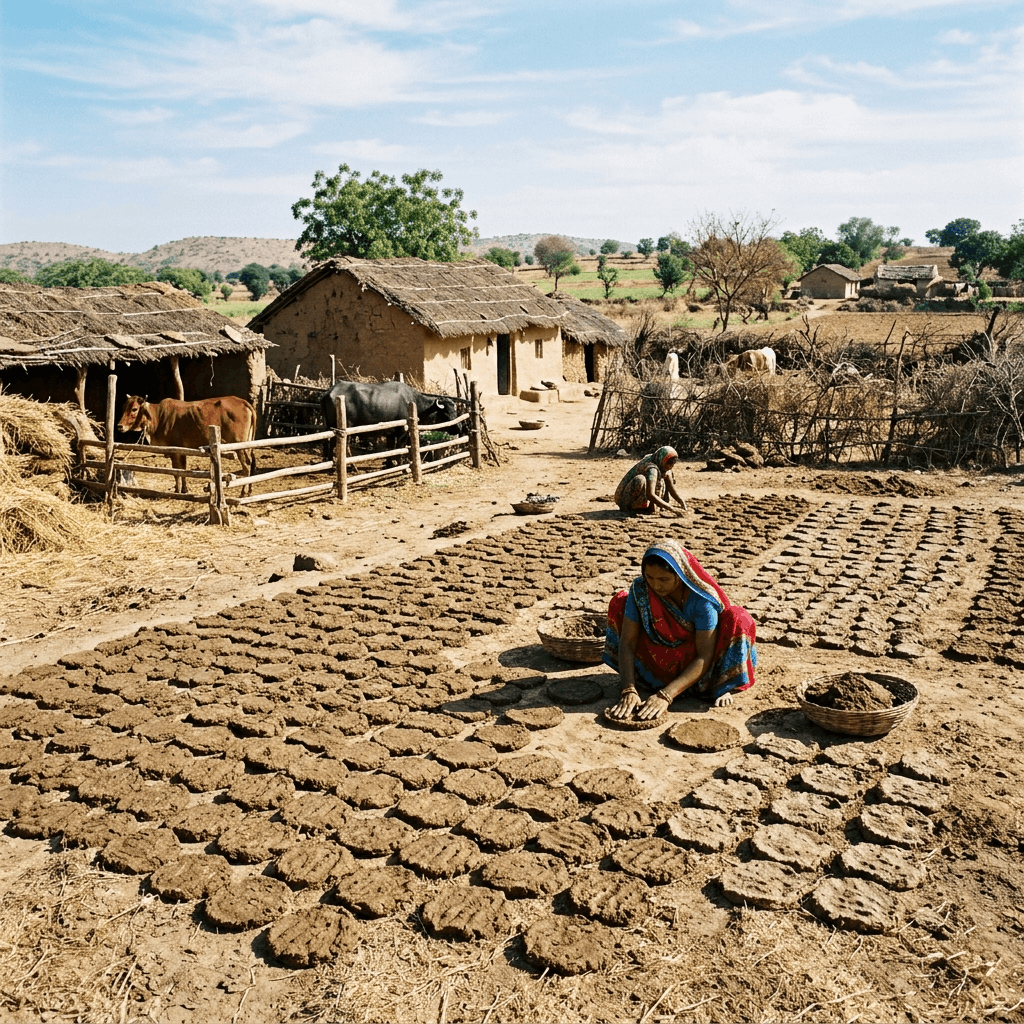
The process of drying cow dung stabilizes it, making it an excellent food source for the myriad of creatures that inhabit healthy soil. Earthworms, beneficial nematodes, and diverse microbial populations thrive on the organic carbon provided by the powder. Earthworms consume the organic matter and excrete nutrient-rich castings, further enhancing soil fertility and aeration through their burrowing activities. The microbial breakdown of the powder secretes glomalin and other sticky substances that help form stable soil aggregates. By introducing cow dung powder, farmers are essentially feeding the underground food web, which in turn works continuously to break down nutrients into plant-available forms, creating a symbiotic environment essential for sustainable organic agriculture.
Protection from Disease
One of the significant advantages of using dried cow dung powder over fresh manure is the reduction of pathogen transmission. The drying and composting process involves heat generation that effectively kills off harmful bacteria, weed seeds, and pathogens that might be present in raw dung. When applied to the soil, the beneficial microbes in the powder act as a competitive barrier against soil-borne diseases like root rot and fusarium wilt. These friendly microbes outcompete pathogenic organisms for resources and space, and some even produce natural antibiotic compounds. This natural disease suppression results in healthier root systems and robust plants that are better equipped to withstand environmental stresses.
Market: Farmer, Nursery, Gardener, Export
The market for high-quality cow dung powder is vast and multifaceted. For traditional and commercial farmers, it represents a cost-effective, sustainable alternative to chemical fertilizers that improves long-term soil viability. Nurseries utilize it as a fundamental component in their potting mixes, ensuring young saplings receive a gentle, steady supply of nutrients without the risk of chemical burn. Urban and home gardeners prize it for its lack of foul odor, ease of use, and eco-friendly profile, making it perfect for container gardening and raised beds. On an international scale, the export market is growing rapidly as global agricultural standards shift towards organic and sustainable practices, demanding certified, weed-free, and pathogen-free organic amendments like premium cow dung powder.
📦 Bulk Orders & Export
Mitti Gold Organic: For bulk orders of all organic fertilizers — Farmers, Nurseries, and Export. WhatsApp: +91 95372 30173
Frequently Asked Questions
While improper drying under direct, intense sunlight can lead to some volatilization of ammonia (nitrogen loss), controlled drying and composting preserve the majority of the nutrients. The resulting product is actually a more stable, slow-release form of nitrogen compared to fresh manure.
Yes, in many ways. Cow dung powder is lighter, easier to transport, odor-free, and most importantly, it has undergone a process that eliminates harmful pathogens and weed seeds, which are often present in fresh manure.
Cow dung powder acts as a slow-release fertilizer. Depending on soil temperature, moisture, and microbial activity, it can continue to release nutrients and improve soil structure for several months to over a year.
Absolutely. Because it is dried, composted, and lacks the strong odor of fresh manure, it is an excellent organic amendment for indoor potted plants, providing essential nutrients without attracting pests.
Properly dried and cured cow dung retains a robust population of beneficial microbes in a dormant state. Once introduced to the soil and moistened, these microbes reactivate and begin enriching the soil ecosystem.