📅 June 2026 | ✍️ Mitti Gold Organic | 🗂️ Farming
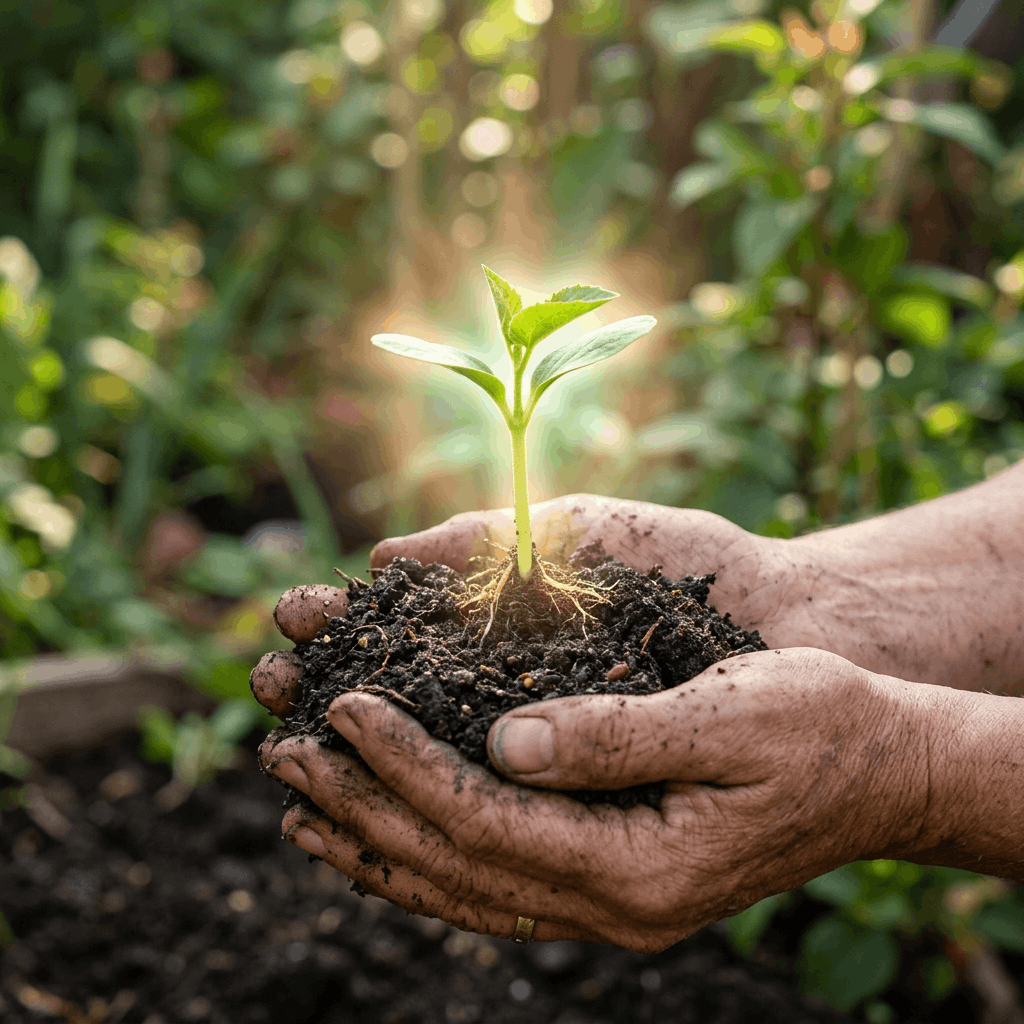
Application Rates and Quantities for Optimal Results
Achieving the best results with earthworm castings (vermicompost) requires understanding the correct application rates tailored to specific crops and soil types. Unlike chemical fertilizers, earthworm castings provide a steady, slow release of nutrients, meaning they can be applied generously without the risk of burning plants. For a standard agricultural field, applying 1,000 to 1,500 kilograms per bigha is generally recommended to establish a strong foundational layer of organic matter and beneficial microbes. This initial application acts as an inoculant, kickstarting the biological processes that build long-term soil health. For high-value horticultural crops, orchards, or heavily depleted soils, the application rate can be increased to 2,000 kilograms per bigha. In raised beds or intensive vegetable farming operations, incorporating castings at a rate of 10-20% of the total soil volume in the root zone yields exceptional results. It's important to remember that earthworm castings are not just a fertilizer but a comprehensive soil conditioner. They improve soil structure, enhance water retention, and foster a robust microbiome. Therefore, consistent annual applications, even at lower maintenance rates of 500-800 kilograms per bigha, will compound over time, leading to progressively healthier soil and more resilient crops. Regular soil testing can help refine these rates, ensuring that the specific nutritional and biological needs of your farm are met efficiently and sustainably.
How and When to Apply Earthworm Castings
The timing and method of applying earthworm castings play a critical role in maximizing their benefits for crop immunity and growth. The versatility of castings allows them to be used at various stages of the plant life cycle, providing targeted support when the plant needs it most. Whether you are prepping a new field, transplanting seedlings, or top-dressing mature plants, earthworm castings can be seamlessly integrated into your standard farming practices.
Pre-Planting Soil Preparation
Broadcasting earthworm castings over the field before tilling or plowing is an excellent way to prepare the soil. This ensures an even distribution of nutrients and beneficial microbes throughout the root zone, creating a welcoming environment for seeds or transplants. Apply the castings a few weeks before planting to allow the biological activity to establish itself in the soil matrix.
Seed Sowing and Transplanting
For direct seeding, mix a handful of castings into the seed furrow or hole. This provides immediate nutritional support as the seed germinates. When transplanting seedlings, place a generous scoop of castings directly into the planting hole. This direct contact with the root system reduces transplant shock and encourages rapid root development, giving the plant a strong head start.
Top-Dressing and Side-Dressing
During the active growing season, applying castings as a top-dress around the base of established plants provides a mid-season boost. For row crops, side-dressing—applying the castings in a shallow trench alongside the plants—is highly effective. Water immediately after application to help wash the soluble nutrients and microbes down into the root zone where they are needed most.
Making Compost Tea for Foliar Application
Earthworm castings can be brewed into a highly potent liquid fertilizer known as compost tea. By steeping the castings in aerated water, you multiply the beneficial microbes exponentially. Spraying this tea directly onto the plant leaves (foliar feeding) provides rapid nutrient absorption and coats the foliage in protective microbes, which physically block pathogens from taking hold.
Comparing Product Outcomes: Vermicompost vs. Conventional Fertilizers
When comparing the outcomes of crops grown with earthworm castings versus those grown solely with conventional synthetic fertilizers, the differences extend far beyond just the final yield. While synthetic fertilizers can provide a rapid, short-term burst of growth, they often do so at the expense of long-term soil health. They can degrade soil structure, reduce microbial diversity, and lead to nutrient runoff that pollutes waterways. In contrast, earthworm castings build a sustainable foundation for agriculture. Crops nourished by castings typically exhibit stronger, thicker stems, more extensive root systems, and a deeper, more vibrant green coloration in their leaves, indicative of enhanced chlorophyll production and efficient photosynthesis. Furthermore, the produce itself often boasts improved characteristics: higher brix levels (indicating greater sugar content and better flavor), increased nutritional density, and a longer shelf life after harvest. Because the nutrients in castings are released slowly and steadily, plants grow at a natural, balanced pace, making them less susceptible to the stress-induced pest attacks often seen with rapid, synthetically forced growth. The long-term outcome is a farming system that requires fewer external inputs over time, as the soil becomes self-sustaining and naturally fertile.
Fostering a Thriving Ecosystem of Soil Creatures
Earthworm castings are fundamentally a biological product, teeming with a diverse and active community of microorganisms. When you apply castings to your fields, you are not just adding nutrients; you are inoculating the soil with life. This introduction of beneficial bacteria, fungi, protozoa, and nematodes creates a cascading positive effect on the entire soil food web. These microorganisms work symbiotically with plant roots. For example, mycorrhizal fungi extend the reach of the root system, accessing water and nutrients that the plant could not reach on its own. Beneficial bacteria help solubilize minerals in the soil, converting them into forms that the plant can easily absorb. Furthermore, this vibrant microbial life improves soil structure. As these organisms move, feed, and reproduce, they secrete sticky substances called glomalin that bind soil particles together into stable aggregates. This improved structure enhances soil aeration and water infiltration, preventing compaction and runoff. Additionally, a soil rich in organic matter and microbial life becomes a welcoming habitat for larger beneficial creatures, including native earthworms, predatory insects, and other macrofauna, which further aerate the soil and help control pest populations naturally. By utilizing earthworm castings, farmers actively participate in restoring and maintaining the complex, life-sustaining ecosystems beneath the soil surface.
Natural Protection Against Diseases and Pests
One of the most remarkable benefits of earthworm castings is their ability to naturally bolster a plant's immune system, offering robust protection against a variety of diseases and pests. This protective effect operates through several distinct mechanisms. Firstly, the dense population of beneficial microbes present in the castings aggressively outcompetes pathogenic organisms for resources and space in the root zone (rhizosphere), a process known as competitive exclusion. Simply put, when the good guys occupy all the available real estate, the bad guys cannot establish a foothold. Secondly, certain microbes in the castings produce natural antibiotic compounds that actively suppress disease-causing fungi and bacteria in the soil. Furthermore, earthworm castings contain high levels of chitinase, an enzyme that breaks down chitin. Chitin is a primary component of the exoskeletons of many insect pests and the cell walls of pathogenic fungi. The presence of chitinase essentially acts as a natural deterrent, damaging pests and inhibiting fungal growth. Finally, the balanced, slow-release nutrition provided by castings ensures that plants grow strong and unstressed. A healthy, vigorous plant naturally produces stronger physical barriers (like thicker cuticles) and more potent biochemical defenses (like phytoalexins) to ward off attacks. By fostering optimal plant health from the roots up, earthworm castings provide a comprehensive, systemic defense strategy that minimizes the need for harsh chemical pesticides and fungicides.
Market Applications: From Farmers to Exporters
The unparalleled benefits of earthworm castings make them an invaluable asset across all sectors of the agricultural and horticultural markets. For commercial farmers managing large acreages, incorporating castings translates to improved soil resilience, reduced dependency on expensive synthetic inputs, and ultimately, higher quality yields that can command premium prices in the market. In the nursery industry, where rapid, healthy root development is crucial for plant survival and customer satisfaction, castings are an essential component of potting mixes, significantly reducing seedling mortality rates. Home gardeners and urban farmers value earthworm castings for their safety, ease of use, and profound impact on flower blooms and vegetable harvests, all without the risk of chemical runoff. Furthermore, for agricultural businesses focused on the export market, earthworm castings offer a distinct competitive advantage. Produce grown organically with castings meets the increasingly stringent international standards for chemical residues and sustainable farming practices. By promoting plant health and extending the post-harvest shelf life of fruits and vegetables, castings help ensure that produce arrives at distant markets in pristine condition, reducing spoilage and maximizing profitability for the exporter. Earthworm castings are a universal solution for anyone looking to optimize plant growth sustainably and responsibly.
📦 Bulk Orders & Export
Mitti Gold Organic: For bulk orders of all organic fertilizers — Farmers, Nurseries, and Export. WhatsApp: +91 95372 30173