📅 June 2026 | ✍️ Mitti Gold Organic | 🗂️ Machinery & Markets
Recommended Application Rates of Organic Amendments for Maharashtra Soils
Maharashtra's agricultural landscape is characterized by its heavy clayey black cotton soils (regur soil) and a diverse cropping pattern including sugarcane, cotton, soybean, onions, and grapes. To produce export-grade, premium crops that fetch the highest bids at APMCs like Vashi, Pune, and Nagpur, farmers must maintain a rich soil structure and optimal cation exchange capacity. The recommended basal application rate for field crops like cotton and soybean is 3 to 4 tons of Mitti Gold composted cow dung manure per acre during primary tillage. This helps in building up the organic carbon levels in clayey fields that are otherwise prone to compaction and hardening. For high-value cash crops like sugarcane and grapes, farmers should apply 1.5 to 2 tons of Mitti Gold vermicompost per acre, which provides a rich source of plant-available nutrients, beneficial humic acids, and active enzymes. Furthermore, black cotton soils are prone to severe compaction and cracking, making soil aeration crucial; incorporating 300 to 400 kg of Mitti Gold agricultural charcoal per acre improves soil porosity, aids drainage, and prevents waterlogging around root systems during heavy monsoon spells while locking in moisture during dry periods. For seasonal top dressing, especially during the vegetative growth phase of onions and pulses, applying 200 to 250 kg of Mitti Gold pure cow dung powder helps supply a steady, slow-release nitrogen stream, promoting balanced growth and maximizing yield volume. Additionally, in soils that suffer from micronutrient depletion and low microbial activity, applying 5 to 10 liters of liquid vermiwash per acre through drip irrigation or direct soil drenching during early vegetative and pre-flowering stages provides instant micronutrient access and stimulates root elongation. This integrated application of organic amendments is crucial for maintaining the delicate physical, biological, and chemical balance of Maharashtra's soils. By combining composted cow dung manure, Mitti Gold vermicompost, agricultural charcoal, and vermiwash, farmers can create a resilient soil environment that supports deep rooting, enhances cation exchange capacity, and prevents nutrient leaching. This robust feeding regime ensures that crops develop uniform sizes, excellent textures, and long shelf lives, which are vital characteristics for obtaining premium price bids from traders in major agricultural yards across the state.
How to Apply Organic Amendments in Maharashtra's Cropping Cycles
The successful integration of organic inputs depends on the specific crop cycle, crop type, and irrigation methods employed. In sugarcane fields of Western Maharashtra, composted cow dung manure should be applied along the furrows at the time of planting setts, ensuring it is mixed well with the soil to promote rapid root establishment and early sprouting. For horticultural orchards, particularly grapes in Nashik or oranges in Nagpur, Mitti Gold vermicompost is best applied in circular trenches dug along the drip line of the vines or trees in October after the pruning season. This allows the nutrients to target the active feeding roots directly and support uniform fruit set. When to apply: The basal dose of Mitti Gold agricultural charcoal should be incorporated during the final harrowing phase before the onset of the monsoon, allowing the charcoal to absorb monsoon rainfall and store it for the drier months. For drip-irrigated cotton fields, applying pure cow dung powder around the plant base followed by shallow raking ensures that nutrients dissolve slowly into the rhizosphere during watering cycles. If using drip irrigation systems, drenching the root zone with vermiwash provides instant micronutrients and growth hormones that prevent early vegetative stress and support robust canopy development. For seasonal field crops like soybean, the agricultural charcoal and composted cow dung manure must be broadcasted evenly across the field before the pre-sowing tillage. During the vegetative stage, applying a top-dressing of Mitti Gold vermicompost near the root zone before earthing-up operations helps in stabilizing soil moisture and improving pod development. In the case of onions, the pure cow dung powder should be applied 30 days after transplanting, followed by light hoeing and immediate irrigation to release nutrients. Vermiwash can also be used as a foliar spray at a 10% concentration during the active growth phase of pulses and cotton to enhance photosynthesis, flower retention, and overall plant health. By following these precise application methods and timings, farmers can optimize nutrient availability, reduce input losses, and achieve the high-quality produce required for top-tier prices at Maharashtra's APMC markets.
1
Soil and Basal Preparation
Broadcast composted cow dung manure and agricultural charcoal during land preparation to improve the structure of heavy clay soils.
2
Crop Feeding and Top Dressing
Apply vermicompost and cow dung powder in splits during the pre-flowering and vegetative stages to ensure a steady supply of nutrients.
3
Harvest Grading and Storage
Clean and grade the harvested crop to separate A-grade produce, storing it in dry conditions with charcoal packs to prevent mold before auctioning.
Outcome Comparison: Organic Farming vs. Chemical Soil Conditioners in Maharashtra
Comparing crop performance and soil health under organic management using Mitti Gold vermicompost against conventional chemical farming yields significant insights for Maharashtra's farmers. In chemical farming, heavy applications of synthetic fertilizers (like DAP and urea) lead to severe soil compaction, increased salinity, and rapid nutrient leaching, which degrades the fertile regur soil over time. Conversely, organic amendments like composted cow dung manure and agricultural charcoal improve soil aggregation, bulk density, and water retention. Sugarcane crops grown organically display a higher Brix level (sugar content) and juice quality, which translates to premium prices at sugar mills and APMCs. Similarly, organically grown grapes and onions have a firmer cell structure, thicker skin, and longer shelf life, preventing bruising and post-harvest damage during transit to distant APMC yards like Mumbai or Pune. In contrast, chemically fertilized crops are often bloated with water, making them highly susceptible to fungal decay and transport damage. Furthermore, chemical inputs harm the natural soil flora and eliminate earthworm populations, whereas organic amendments build long-term soil resilience. The porous structure of agricultural charcoal acts as a sponge, retaining moisture and dissolved nutrients like those found in vermiwash, which reduces irrigation frequency by up to 25%. This water conservation is highly beneficial in drought-prone regions like Marathwada and Vidarbha. Over several crop cycles, fields treated with Mitti Gold vermicompost and pure cow dung powder exhibit a steady increase in organic carbon levels, leading to a vibrant soil ecosystem. The inclusion of pure cow dung powder and vermiwash creates a synergistic effect that promotes rapid root colonization by beneficial mycorrhizae, which is typically suppressed in chemical-saturated soils. Chemical farming requires escalating doses of synthetic fertilizers to maintain the same yields, resulting in high input costs and declining profit margins. Organic cultivation, however, lowers dependency on expensive chemical sprays by naturally strengthening the plants' immune systems against stress. Ultimately, the switch to organic farming not only protects the environment but also enhances the marketability and value of the harvested produce, ensuring sustainable and profitable farming in Maharashtra.
Stimulating Rhizospheric Micro-Life in Clayey Soils
The highly porous structure of Mitti Gold agricultural charcoal serves as a permanent habitat for beneficial microorganisms, protecting them from dry spells, extreme temperatures, and chemical shocks. When combined with the rich organic carbon from composted cow dung manure, it stimulates the rapid growth of indigenous mycorrhizal fungi and phosphate-solubilizing bacteria (such as Pseudomonas and Bacillus species). These microbes form complex, symbiotic networks with the crop roots, converting bound phosphorus, potash, and iron in the clay soils into plant-available forms. This active biological rhizosphere promotes healthy, deep root expansion, which is critical for crops to survive dry periods. In addition, the application of Mitti Gold vermicompost and pure cow dung powder introduces millions of beneficial bacteria and enzymes (like cellulase and phosphatase) directly into the soil. These enzymes break down complex organic materials, releasing vital micronutrients in a form that crops can immediately absorb. Regular applications of liquid vermiwash further enrich the soil surface, acting as a microbial inoculant that speeds up the decomposition of crop residues and enhances soil biodiversity. As the biological activity in the rhizosphere increases, the population of native earthworms grows rapidly. Earthworms are attracted to the organic matter in composted cow dung manure; their continuous burrowing activity helps naturally aerate the heavy clay soils of Maharashtra, breaking up compacted layers and creating channels for root growth and water infiltration. This natural tillage improves the soil's physical structure, making it less prone to cracking during dry spells and waterlogging during monsoons. Furthermore, the microorganisms housed in agricultural charcoal secrete sticky substances called glomalin, which bind soil particles into stable aggregates. This improves the overall tilth of the soil, ensuring a balanced air-to-water ratio. Ultimately, by fostering a thriving community of rhizospheric micro-life, farmers can establish a self-sustaining nutrient cycle in their fields. This reduces the necessity of purchasing synthetic microbial inoculants and chemical additives, resulting in healthier, more robust crops that translate to higher yields and better profits when traded at the local APMC yards.
Natural Pest Resistance and Pathogen Control
Crops grown with balanced organic nutrients develop thick cell walls and high systemic acquired resistance (SAR), making them less susceptible to sucking pests like thrips, whiteflies, and aphids. In Maharashtra's farming sectors, pest pressure can be intense, but plants nourished with Mitti Gold vermicompost absorb silica, calcium, and boron, which physically hardens plant tissues and makes it difficult for insect pests to pierce and feed on the foliage. Organic farmers in Maharashtra prevent devastating soil-borne diseases such as root rot, damping-off, and Fusarium wilt by mixing Trichoderma and Pseudomonas-enriched composted cow dung manure into the soil. When to apply: Apply this bio-agent enriched mix during sowing, transplanting, or as a root-zone application before the onset of the monsoon. The porous nature of Mitti Gold agricultural charcoal further assists by absorbing root exudates that might attract harmful fungal pathogens, while also providing a protective nesting ground for these beneficial bio-control agents. Spraying a 10% solution of fermented cow urine mixed with neem oil and vermiwash on the foliage acts as a natural insect repellent, anti-feedant, and growth promoter. This foliar spray forms a protective layer on the leaves, disrupting the breeding cycles of pests and preventing fungal spores like powdery mildew from germinating. For cash crops like grapes and onions, applying pure cow dung powder around the base helps suppress soil-borne nematodes that destroy root networks. This organic approach to crop protection ensures pesticide-free cultivation that complies with strict APMC quality standards and international export regulations. By eliminating chemical pesticides, farmers protect beneficial insects like honeybees and ladybugs, which act as natural predators for crop pests. Moreover, crops grown organically are free from chemical residues, making them highly sought after by premium buyers at the APMC who are sourcing for organic food brands and export markets. This holistic pest and disease management strategy not only saves farmers money on expensive, hazardous chemical sprays but also ensures the safety and long-term health of the soil.
Premium Sourcing and e-NAM Trading at Maharashtra APMCs
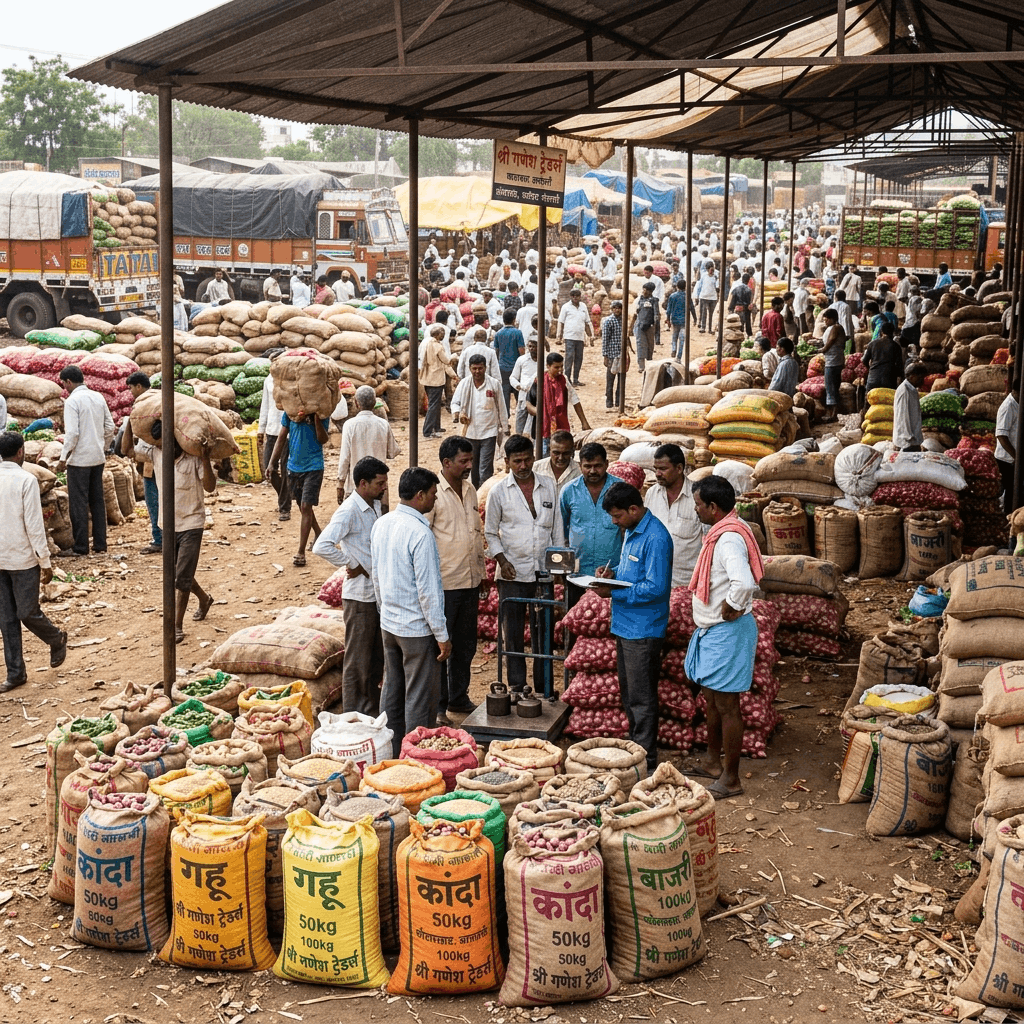
The government of Maharashtra has integrated major APMCs, such as Vashi in Navi Mumbai, Pune, Nagpur, and Nashik, with the electronic National Agriculture Market (e-NAM) platform, allowing transparent digital bidding on a national scale. Certified organic produce, particularly cotton, onions, soybean, and grapes, commands a significant price premium of 30% to 45% over conventional, chemically grown crops. Exporters, processing units, and premium organic retail brands actively bid on commodities grown using high-grade natural inputs like Mitti Gold vermicompost and composted cow dung manure. These buyers look for high-quality parameters such as uniform grain size, bold pods, high oil content in soybeans, and high sugar levels in grapes—all of which are direct results of a balanced organic fertilization program. By incorporating agricultural charcoal into the soil, farmers ensure that their crops are free from heavy metal contamination, while applying pure cow dung powder and vermiwash ensures a residue-free harvest. The Vashi APMC serves as a major gateway for exports to the Middle East, Europe, and Southeast Asia, where phytosanitary and pesticide residue standards are extremely strict. Crops grown organically with Mitti Gold products consistently clear these quality checks, qualifying for grade-A status. By presenting organic certifications alongside these premium-quality test reports, farmers can bypass traditional middlemen and commission agents, who often charge heavy commissions. Instead, they can negotiate direct buy-back contracts with corporate buyers and international exporters. This direct-to-market model ensures that farmers receive fair value for their labor. Furthermore, the digital bidding process on e-NAM guarantees that payments are credited directly into the farmers' bank accounts within 24 hours of the auction. This rapid cash flow reduces the farmers' reliance on high-interest loans from local moneylenders, helping to break the cycle of rural debt. Ultimately, investing in high-quality organic inputs not only rejuvenates the soil but also opens doors to lucrative, transparent commercial markets, transforming farming into a highly profitable enterprise.
📅 Official Application & Deadline Guide
⏳
Last Date of Application
Ongoing / Seasonal registration
🌐
Official Portal to Apply
Maharashtra State Agricultural Marketing Board (MSAMB)
Apply Online Here ↗
📦 Bulk Orders & Export
Mitti Gold Organic: For bulk orders of all organic fertilizers — Farmers, Nurseries, and Export. WhatsApp: +91 95372 30173
Maharashtra APMC and Organic Farming FAQ
What is the largest APMC in Maharashtra?
The Vashi APMC in Navi Mumbai is the largest market yard, handling massive volumes of grains, spices, fruits, and vegetables daily.
How can I improve sugarcane yields organically?
Apply a basal dose of composted cow dung manure and split doses of organic vermicompost fertilizer, along with agricultural charcoal to retain moisture.
Is agricultural charcoal safe for black cotton soils?
Yes, it is highly recommended as it improves aeration, water drainage, and prevents compaction in heavy clayey soils.
Can I sell organic produce on the e-NAM platform?
Yes, registered farmers can list their certified organic crops on e-NAM, attracting buyers from across the country willing to pay premium prices.
How does cow dung powder benefit vegetative growth?
Mitti Gold pure cow dung powder provides a slow-release nitrogen source, feeding beneficial soil microbes and supporting uniform vegetative growth.