📅 July 2026 | ✍️ Mitti Gold Organic | 🗂️
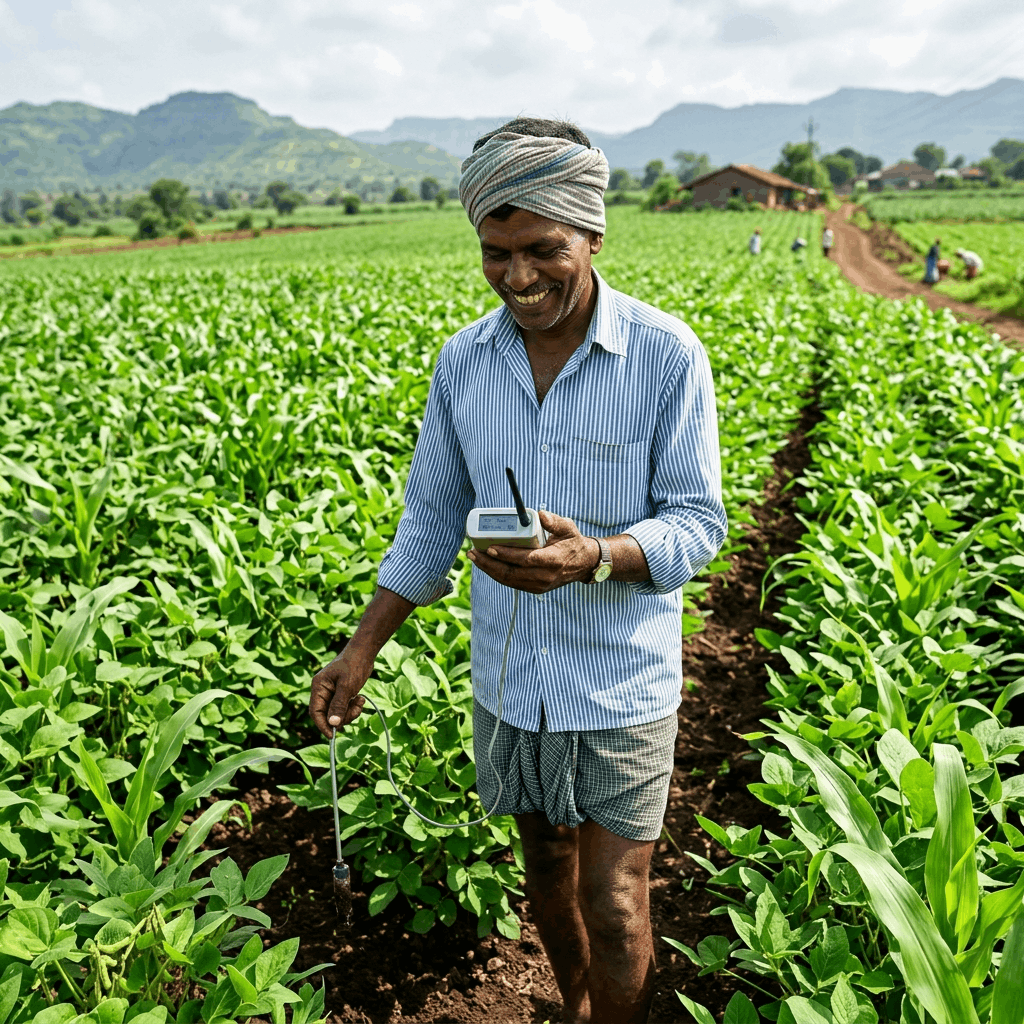
Embracing Technology on a Low Budget
Indian agriculture is undergoing a massive, unprecedented transformation driven by technological advancements. While large-scale, corporate farming operations frequently boast multi-million rupee machinery, GPS-guided tractors, and massive drone fleets, the reality for the vast majority of India's small and marginal farmers is very different. These farmers desperately need technological interventions that are highly accessible, extremely affordable, and simple to maintain without requiring advanced engineering degrees.
Adopting modern technology does not always mean investing in heavy, expensive machinery. Today, the most impactful agricultural tech revolution is happening on a micro-scale. It encompasses smart soil moisture sensors, highly efficient micro-irrigation kits, smartphone applications powered by artificial intelligence, and low-cost, battery-operated tools. By strategically integrating these affordable solutions into their daily routines, small farmers can achieve precision agriculture. This allows them to drastically cut down on expensive input costs like fertilizers and pesticides, minimize crop losses due to weather or pests, and ultimately maximize the market value of every single harvest they produce. It levels the playing field, allowing smallholders to compete with larger operations in terms of efficiency and quality.
Resource Optimization Per Bigha
The core philosophy of affordable modern technology is \"doing more with less\"—specifically, optimizing every single resource applied per bigha of land. In traditional farming practices, resources are often applied based on guesswork or outdated generational habits. For instance, traditional broadcast fertilization can result in up to 40% of expensive chemical fertilizers being wasted through leaching into groundwater or volatilization into the air, never reaching the plant's roots.
In contrast, adopting technologies like affordable soil moisture sensors and micro-sprinkler systems ensures that every drop of water and every gram of fertilizer is utilized efficiently. A low-cost, handheld NPK (Nitrogen, Phosphorus, Potassium) meter is a game-changer. It allows farmers to test their soil instantly and apply only the exact quantity of nutrients the crop actually needs at that specific growth stage. This precision farming approach eliminates massive waste, drastically lowers the financial burden of fertilizer costs per bigha, and prevents soil degradation caused by chemical overuse, all while providing the plants with the precise, balanced nutrition required for optimal growth.
How to Implement Affordable Tech Effectively
The key to successfully integrating technology on a small farm is to start small and scale up based on proven results. The absolute best starting point is digital adoption. Equip yourself with a smartphone and download dedicated agricultural mobile apps. These free or low-cost apps provide hyper-local, real-time weather forecasts, current Mandi (market) prices across different states, and expert crop advisories. This information alone can save a harvest from unseasonal rain or help a farmer negotiate better prices.
Once digital onboarding is complete, consider upgrading manual, labor-intensive tools. Transitioning from a hand-pumped sprayer to a battery-operated knapsack sprayer is an incredibly affordable upgrade that yields massive returns. These sprayers reduce physical exhaustion, save hours of labor, and, most importantly, provide a perfectly uniform mist for chemical or organic sprays, ensuring better coverage and effectiveness. Similarly, solar-powered insect traps represent another highly effective, low-cost intervention. They operate automatically at night using stored solar energy, significantly decimating pest populations without requiring daily manual labor, fuel, or expensive chemical refills.
Comparing Results: Traditional vs. Tech-Assisted Farming
The difference in outcomes between a traditional farm and a tech-assisted farm is often staggering, visible in both the health of the crops and the farmer's bank account. A farmer relying solely on traditional methods largely depends on visual estimations for watering and pest control. This reactionary approach often means water is applied too late, or pesticides are sprayed only after a severe infestation has already damaged the crop, leading to highly inconsistent and generally lower yields.
Conversely, a tech-assisted farmer operates proactively. Utilizing basic soil sensors and predictive weather apps, they irrigate only when the soil moisture drops below critical levels, saving immense amounts of water and electricity. Using AI-based pest recognition apps, they apply targeted, preventive pest control before an outbreak even occurs. The tangible result is a higher-quality, uniform crop yield, drastically reduced expenditure on labor and chemicals, and a substantial increase in net profit margins at the end of the agricultural season. The transition shifts farming from a gamble with nature to a managed, predictable business.
Protecting the Ecosystem with Precision
One of the most overlooked benefits of precision affordable technology is its positive impact on the farm's micro-ecosystem. Traditional farming often relies on the broad-spectrum application of harsh chemicals, which aggressively wipe out both pests and beneficial insects alike. Affordable technology allows for a much more targeted, surgical approach to farm management, preserving the delicate ecological balance.
For instance, using a calibrated, battery-operated sprayer minimizes pesticide drift, ensuring the chemicals only land on the target crop and not on neighboring wild flora where beneficial pollinating bees and predatory spiders reside. Solar light traps are ingeniously designed to specifically target destructive nocturnal pests (like moths that lay bollworm eggs) while remaining completely harmless to diurnal (daytime) pollinators like bees and butterflies. By using technology to apply inputs only where and when needed, farmers inadvertently become stewards of their local ecosystem, fostering a healthier, more resilient natural environment that naturally supports crop growth.
Advanced Disease and Pest Protection
In agriculture, early detection is undeniably the best protection. By the time a farmer can visually identify a widespread disease with the naked eye, a significant portion of the potential yield has already been irreversibly lost. Affordable technology bridges this gap. Today, inexpensive or free smartphone applications feature incredibly powerful AI-driven disease identification capabilities.
A farmer can simply take a close-up photograph of a discolored or diseased leaf, and within seconds, the app diagnoses the specific pathogen and recommends precise organic or chemical treatments. This rapid, real-time response capability is revolutionary. It allows farmers to isolate and treat a problem—such as early blight in tomatoes or wilt in cotton—before it has the chance to spread uncontrollably across the entire field. This localized treatment saves the majority of the crop, reduces the overall volume of chemicals needed, and prevents catastrophic seasonal failures.
Practical Steps to Upgrade Your Farm
Step 1: Digital Onboarding and App Integration
Begin your technological upgrade by turning your smartphone into an agricultural tool. Download reliable, government-backed or highly-rated private agricultural apps like Kisan Suvidha, Plantix, or local state-specific agri-apps. Set up custom alerts for hyper-local weather forecasts and daily market rates in your nearest Mandis.
Step 2: Upgrading Basic Hardware and Tools
Phase out exhausting manual tools. Replace your old manual hand-pump sprayer with a modern, high-efficiency battery-operated knapsack model. Simultaneously, install several low-cost solar insect traps at strategic locations across your field to establish a 24/7 automated pest monitoring and reduction system.
Step 3: Implementing Precision Irrigation
Stop relying on surface appearance to judge soil moisture. Install basic, affordable soil moisture sensors (tensiometers) at various depths in the root zone. These inexpensive probes provide precise data, telling you exactly when the soil at the root level is dry, completely eliminating over-watering and saving massive amounts of water and pumping electricity.
Impact on Market Readiness and Direct Selling
The ultimate goal of farming is profitable selling, and affordable technology directly impacts a farmer's market readiness. By utilizing precision inputs and timely disease management, farmers consistently produce export-quality crops. Technology helps maintain the uniform size, pristine color, and blemish-free appearance of fruits and vegetables—traits that are highly valued and strictly required by premium supermarkets and lucrative export agents.
Furthermore, technology empowers farmers to bypass traditional, exploitative supply chains. Digital marketplace apps and agricultural e-commerce platforms connect small farmers directly with institutional buyers, restaurants, and consumers across the country. This eliminates multiple layers of middlemen, allowing farmers to negotiate significantly better prices, understand exact market demands, and retain a much larger share of the final consumer price, fundamentally changing the economic trajectory of the small family farm.
⚙️ Professional Machinery & Setup
Planning to set up a professional organic fertilizer production unit (Vermicompost, Jeevamrut, or Cow Dung Processing)? We provide complete consultancy and high-capacity machinery for commercial projects. WhatsApp: +91 95372 30173