📅 June 2026 | ✍️ Mitti Gold Organic | 🗂️ Farming
Application Rates and Correct Quantities
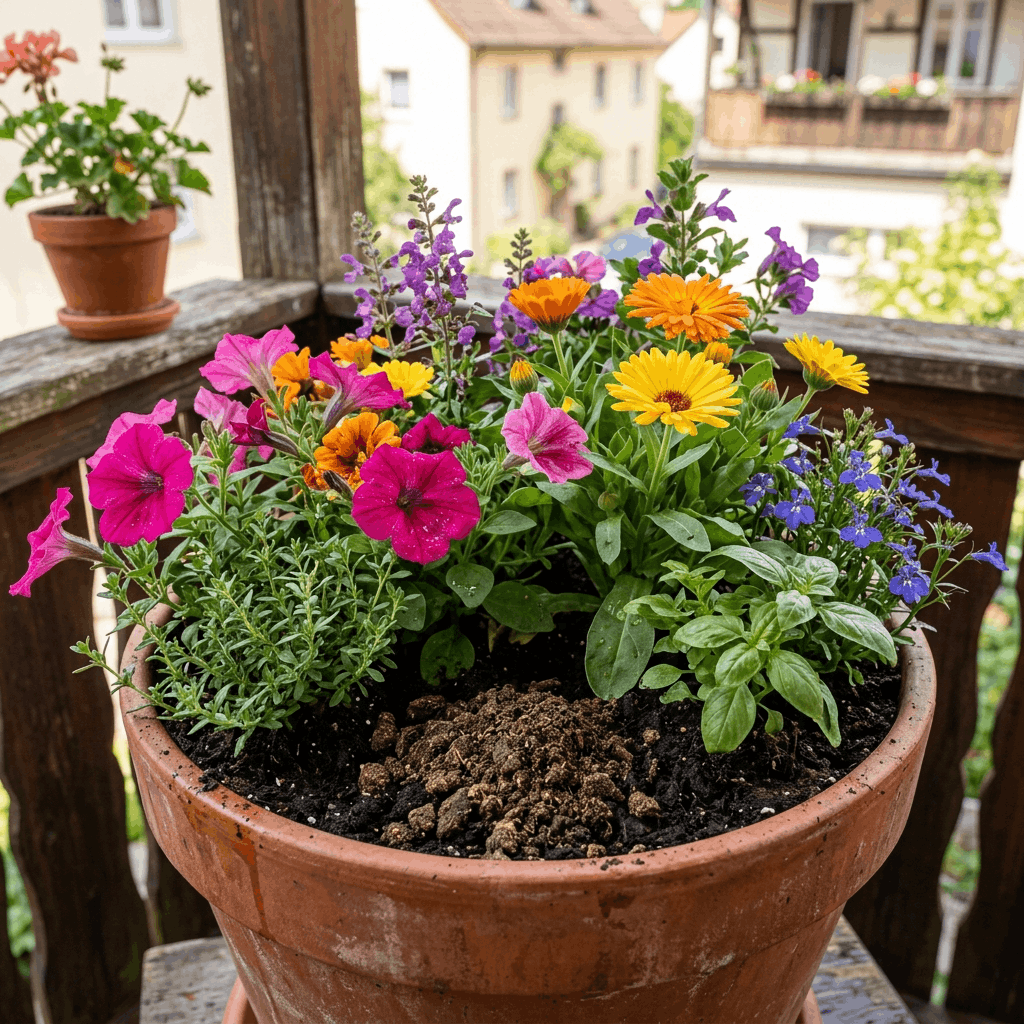
Getting the quantity right is the most critical step when applying dry cow dung powder to your potted plants. Unlike chemical fertilizers, organic compost is gentle, but over-application in confined pot environments can lead to nutrient burn or excessive moisture retention. For small to medium-sized pots (6 to 10 inches), adding 2 to 3 tablespoons of finely powdered dry cow dung once every month is highly recommended. For larger planters and balcony containers (12 to 24 inches), you can safely mix in half a cup to one full cup of the powder. If you are preparing a fresh potting mix from scratch, a golden ratio to follow is 1 part dry cow dung powder, 2 parts garden soil, and 1 part coco peat or sand. This ensures that the soil remains aerated while holding enough nutrients for the plant’s initial growth phase. During the active growing seasons of spring and summer, you might slightly increase the frequency of application, whereas, in the dormant winter months, feeding should be reduced significantly. Always remember that cow dung is particularly rich in nitrogen, so balancing it with other amendments like bone meal or neem cake can provide a more well-rounded diet for your flowering and fruiting plants.
How to Use Dry Cow Dung Powder in Your Garden
Applying dry cow dung powder effectively requires more than just sprinkling it on top of the soil. To maximize its benefits, it needs to be integrated into the soil matrix where the root system can access the released nutrients. Using the powder form is highly advantageous because it decomposes faster than large chunks of manure, providing a steady release of vital macro and micronutrients. Here is a comprehensive step-by-step method to ensure your indoor and outdoor potted plants thrive.
Prepare the Soil Surface
Start by gently loosening the top 1 to 2 inches of the soil in your pot using a small hand trowel or fork. Be very careful not to dig too deep or damage the shallow feeder roots of the plant. Loosening the soil allows the dry powder to mix well and prevents it from forming a hard crust on the surface when watered.
Apply the Powder
Sprinkle the measured amount of dry cow dung powder evenly around the base of the plant. Avoid letting the powder directly touch the main stem or the leaves, as direct contact with concentrated organic matter can sometimes cause stem rot or fungal issues. Keep it closer to the rim of the pot.
Mix and Cover
Thoroughly blend the powder into the loosened topsoil. Once mixed, you can add a thin layer of fresh soil or organic mulch (like dried leaves or coco peat) on top. This protective layer helps in retaining moisture, keeps the soil temperature stable, and accelerates the microbial breakdown of the cow dung.
Watering the Plant
Immediately after application, water the plant deeply but gently. The water acts as a carrier, dissolving the readily available nutrients and carrying them down into the root zone. Watering also activates the dormant beneficial microbes present in the dry powder, kick-starting the composting process directly in the pot.
Comparing Product Outcomes: The Organic Advantage
When comparing dry cow dung powder to synthetic liquid fertilizers or raw, uncomposted manure, the differences in plant health are remarkable. Synthetic fertilizers often provide a rapid, explosive burst of growth but do very little to improve the long-term structure of the potting soil. Over time, they can leave behind harmful salt accumulations that damage root systems. On the other hand, well-processed dry cow dung powder acts as a slow-release powerhouse. Plants treated with this organic amendment show deeper green foliage, stronger and thicker stems, and a significantly higher resistance to environmental stress. For flowering plants like roses, hibiscus, and bougainvillea, the consistent supply of phosphorus and potassium derived from the organic breakdown process results in larger, more vibrant blooms that last longer on the plant. Furthermore, unlike raw manure, high-quality dry cow dung powder is odorless and weed-free, making it the perfect choice for indoor gardening and balcony setups where hygiene and aesthetics are paramount.
Fostering Beneficial Soil Microbes
The true magic of dry cow dung powder lies in its biological activity. While it may appear as just dry dirt, it is actually a dormant ecosystem waiting to be awakened. When mixed with moist soil, it introduces millions of beneficial bacteria, fungi, and actinomycetes into the pot. These microorganisms are the unsung heroes of organic gardening. They work tirelessly to break down complex organic matter into simple, water-soluble nutrients that the plant roots can easily absorb. Additionally, the introduction of organic matter dramatically improves the soil structure, increasing its porosity and water-holding capacity. This creates an ideal habitat for earthworms (if you choose to add them to larger planters), which further aerate the soil and produce nutrient-rich castings. A healthy microbial population also produces natural plant growth hormones and enzymes, stimulating robust root development and overall plant vigor that simply cannot be replicated by chemical alternatives.
Natural Disease Protection and Immunity
Beyond basic nutrition, dry cow dung powder plays a vital role in protecting potted plants from common soil-borne diseases. The beneficial microbes introduced by the manure aggressively compete with pathogenic fungi and bacteria for resources and space in the root zone. This natural bio-control mechanism significantly reduces the incidence of root rot, damping-off, and other fungal infections that frequently plague indoor plants in damp conditions. Furthermore, the organic matter enhances the plant’s intrinsic immune system. Plants grown in rich, biologically active soil produce higher levels of defensive compounds, making them less susceptible to pest attacks like aphids and spider mites. By maintaining an optimal pH balance and preventing drastic fluctuations in soil acidity, cow dung powder ensures that the plant is never stressed, keeping its natural defenses operating at peak efficiency throughout the growing season.
Ideal for Home Gardeners and Urban Nurseries
The convenience and efficacy of dry cow dung powder make it an indispensable product for a wide range of users. For urban home gardeners with limited space, dealing with wet, smelly compost is out of the question. Dry cow dung powder offers a clean, easy-to-store, and odor-free alternative that can be neatly kept in a balcony cupboard or under the sink. It is incredibly user-friendly for beginners who might be intimidated by complex fertilizing schedules. For commercial plant nurseries and boutique indoor plant sellers, using this organic powder ensures that the plants they sell are robust, acclimated to organic soils, and have a higher survival rate when transferred to the customer’s home. The market for sustainable, chemical-free gardening inputs is rapidly expanding, and dry cow dung powder sits right at the forefront, bridging the gap between traditional agricultural wisdom and modern urban gardening needs.
📦 Bulk Orders & Export
Mitti Gold Organic: For bulk orders of all organic fertilizers — Farmers, Nurseries, and Export. WhatsApp: +91 95372 30173
Frequently Asked Questions About Dry Cow Dung Powder
No, high-quality, fully composted and dried cow dung powder has an earthy, natural soil scent. It does not have the foul odor associated with fresh or raw manure, making it perfectly safe and pleasant to use for indoor plants and balcony gardens.
Yes, but in very small quantities. Succulents prefer poor, well-draining soil. You can add a tiny pinch (about half a teaspoon) mixed thoroughly into their potting mix once a year to provide a subtle nutrient boost without retaining excess moisture.
For heavy bloomers like roses and hibiscus, applying 2 to 3 tablespoons of dry cow dung powder once every 3 to 4 weeks during their active flowering season yields the best results.
Unlike fresh manure which generates heat and contains high ammonia levels that can burn roots, fully dried and composted powder is gentle and slow-release. However, extreme over-application should still be avoided.
Both are excellent organic fertilizers. Vermicompost is slightly richer in certain micronutrients and enzymes, but dry cow dung powder is an exceptional, cost-effective source of essential macronutrients and organic carbon. Many gardeners mix them together for optimal results.