📅 June 2026 | ✍️ Mitti Gold Organic | 🗂️ Farming
Nutritional Value and Application Rates per Bigha
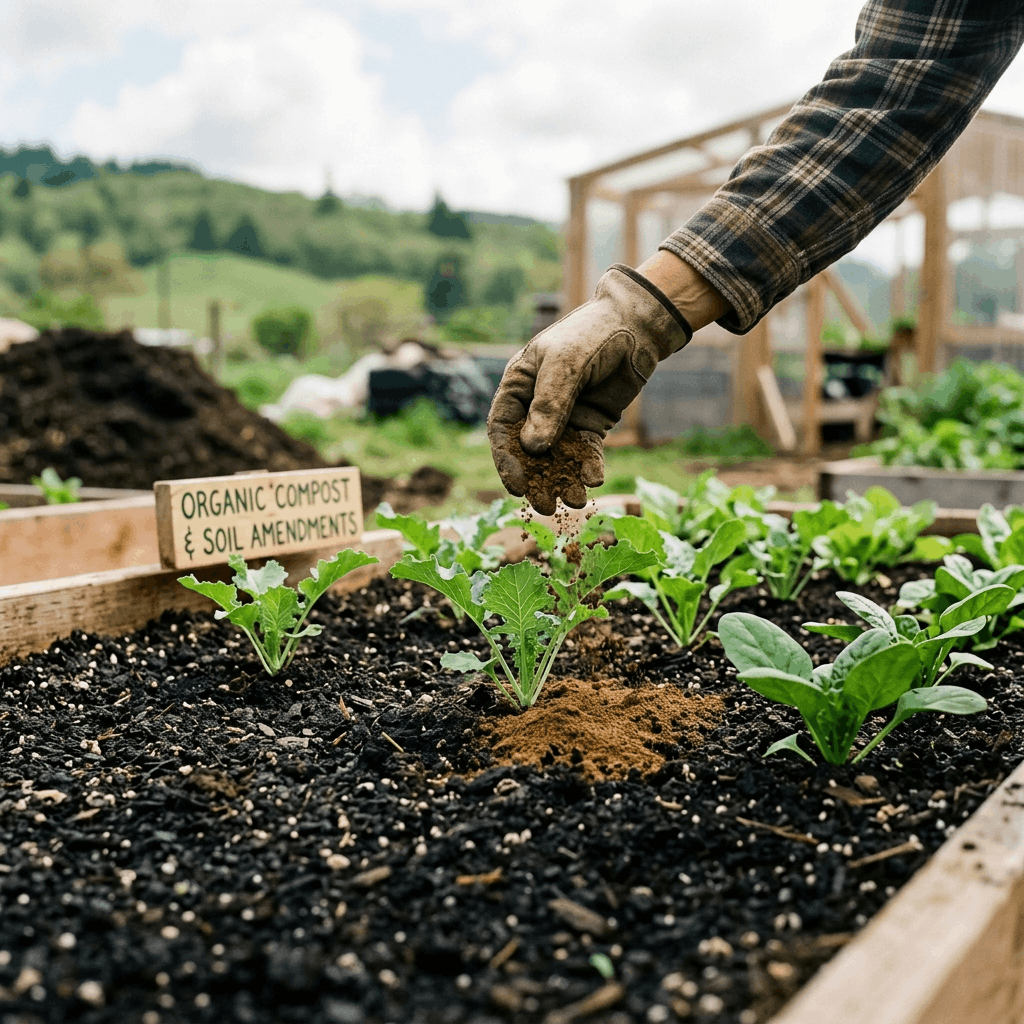
Cow dung powder is a powerhouse of nutrients, naturally enriched with essential macronutrients like Nitrogen (N), Phosphorus (P), and Potassium (K), alongside crucial micronutrients such as calcium, magnesium, and sulfur. This organic marvel not only feeds the plants but fundamentally restores the soil structure, enhancing its water retention capacity and promoting robust microbial life. When considering application rates, for an average bigha of land (approximately 0.25 hectares or 0.62 acres), it is highly recommended to apply between 500 to 800 kilograms of fine cow dung powder before the sowing season. This ensures that the soil is adequately primed. For highly depleted soils, farmers might increase the dosage to 1000 kilograms per bigha, mixed with other organic amendments like neem cake or vermicompost for synergistic effects. The slow-release nature of cow dung powder means that these nutrients are continuously available to the crops throughout their growth cycle, preventing the nutrient leaching commonly associated with synthetic fertilizers. Over time, regular application dramatically reduces the need for external fertilizers, saving costs and protecting the environment from chemical runoff. Moreover, the organic carbon added to the soil acts as a vital food source for earthworms and beneficial bacteria, creating a living, breathing soil ecosystem that is the hallmark of true organic farming.
Step-by-Step Application Guide
To maximize the benefits of cow dung powder, proper application techniques are essential. Following a systematic approach ensures that the nutrients are efficiently absorbed by the soil and made available to the plant roots exactly when they need them most. Whether you are managing a large agricultural farm, a commercial nursery, or a simple home garden, these steps will help you achieve the best possible results.
Step 1: Soil Preparation and Tilling
Before applying the powder, thoroughly till the soil to a depth of at least 6-8 inches. This process aerates the soil, breaks up hard clods, and creates a loose, crumbly texture that is ideal for root penetration. Ensure the field is clear of heavy weed infestations before proceeding, as weeds will compete for the newly added nutrients.
Step 2: Even Distribution (Broadcasting)
Once the soil is prepared, evenly broadcast the cow dung powder across the field. For smaller garden beds, use a hand trowel or a small spreader to ensure an even coat. It is crucial to achieve a uniform layer so that no single area is over-fertilized while others are starved. Mixing the powder with a little native soil before spreading can help with even distribution, especially in windy conditions.
Step 3: Incorporation and Mixing
Immediately after broadcasting, lightly till or rake the field again to mix the cow dung powder into the top 2-4 inches of the soil. Leaving the powder exposed on the surface can lead to nutrient loss, particularly nitrogen, through volatilization under the hot sun. Mixing it into the root zone ensures that the soil microbes can begin the decomposition process immediately, converting the organic matter into plant-available nutrients.
Step 4: Proper Watering and Moisture Management
After incorporation, water the area thoroughly. Moisture is the catalyst that activates the beneficial microbes present in the cow dung powder. The water helps dissolve the soluble nutrients, carrying them deeper into the soil profile where roots can access them. Maintain consistent moisture levels in the following weeks, but avoid waterlogging, which can create anaerobic conditions that are harmful to both plant roots and beneficial soil bacteria.
Comparing Product Outcomes: The Organic Advantage
When comparing crops grown with high-quality cow dung powder to those cultivated using conventional chemical fertilizers, the differences are stark and multi-faceted. Firstly, the physical characteristics of the produce are significantly improved; fruits and vegetables exhibit deeper, more vibrant colors, uniform sizes, and a markedly longer shelf life due to higher cellular integrity. Taste and aroma profiles are also vastly superior, as organic nutrition encourages the development of complex sugars and essential oils that chemicals often bypass. From a yield perspective, while chemical fertilizers might offer a quick, unnatural spike in growth, cow dung powder ensures a steady, sustainable yield year after year without degrading the soil. In fact, farmers report that over a period of 3-5 years of continuous organic practice, the overall yield matches or even surpasses conventional methods, but with a fraction of the input costs. The resilience of these crops is another critical outcome; plants nourished with organic matter develop stronger root systems and thicker cell walls, making them inherently more resistant to environmental stressors like drought, heatwaves, and unexpected frosts. This resilience translates to lower crop failure rates and higher profitability for the farmer in the long run.
How it Helps Soil Creatures and Ecosystems
A thriving agricultural system is entirely dependent on the microscopic and macroscopic life beneath the surface. Cow dung powder is akin to a superfood for the soil food web. The rich organic carbon content serves as the primary energy source for a vast array of beneficial microorganisms, including nitrogen-fixing bacteria, mycorrhizal fungi, and decomposing microbes. As these populations explode, they secrete sticky substances like glomalin, which binds soil particles together, creating a stable, porous structure that allows for excellent air and water infiltration. Beyond the microscopic, cow dung powder is incredibly attractive to earthworms, the master engineers of the soil. Earthworms consume the organic matter, digesting it and excreting castings that are exponentially richer in nutrients than the surrounding soil. Their burrowing action acts as natural plowing, aerating the deep soil layers and creating channels for plant roots to follow. This vibrant biological activity also outcompetes and suppresses pathogenic fungi and nematodes, naturally defending the crops from the ground up. By using cow dung powder, farmers are not just feeding a crop; they are cultivating an entire, self-sustaining ecosystem that works tirelessly to regenerate the land.
Natural Protection from Diseases and Pests
One of the most overlooked benefits of cow dung powder is its profound ability to protect plants from a variety of diseases and pests. Traditional wisdom, now backed by modern agronomic science, recognizes that healthy soil produces healthy plants. The intense microbial activity stimulated by the powder creates a highly competitive environment in the soil, known as competitive exclusion. Beneficial microbes out-compete soil-borne pathogens for space and resources, effectively suppressing diseases like root rot, damping-off, and wilt. Furthermore, cow dung naturally contains specialized bacteria that produce antibiotic substances, directly inhibiting the growth of harmful fungi and bacteria. On a physiological level, plants that receive balanced, slow-release nutrition from cow dung powder do not experience the sudden, sappy growth spurts caused by chemical nitrogen. This sappy growth is highly attractive to sap-sucking pests like aphids and whiteflies. Instead, organically grown plants develop robust, thick cell walls and produce secondary metabolites—natural defense compounds that make them unpalatable or even toxic to many pests. By building immunity from the soil up, farmers can drastically reduce or entirely eliminate their reliance on toxic chemical pesticides, ensuring a safer harvest and a cleaner environment.
Market Demand: Farmers, Nurseries, Gardeners, and Export
The global shift towards sustainable and organic agriculture has created an unprecedented demand for premium organic inputs, positioning high-quality cow dung powder as a highly sought-after commodity. For traditional farmers, it represents a path back to soil health and economic independence from expensive chemical inputs, driving massive domestic consumption. Commercial nurseries and landscaping businesses are also major consumers, relying on the powder to produce vigorous, healthy saplings and maintain lush, green lawns without the risk of chemical burn. The urban gardening and terrace farming boom has further expanded the retail market, with city dwellers demanding clean, odorless, and easy-to-use organic fertilizers for their home-grown vegetables and ornamental plants. Beyond domestic borders, the export market for certified organic cow dung powder is expanding rapidly, particularly in regions like Europe, North America, and the Middle East, where strict regulations on chemical residues are forcing a massive transition to organic farming. This international demand presents a lucrative opportunity for producers who can maintain high standards of quality, consistency, and proper processing, transforming what was once considered mere farm waste into a highly profitable, globally traded agricultural asset.
📦 Bulk Orders & Export
Mitti Gold Organic: For bulk orders of all organic fertilizers — Farmers, Nurseries, and Export. WhatsApp: +91 95372 30173
Frequently Asked Questions
Yes, high-quality, properly composted and dried cow dung powder is virtually odorless. The composting process breaks down the volatile compounds that cause the characteristic manure smell, leaving a product that smells like rich, earthy soil, making it perfect for indoor and urban gardening.
For most vegetable gardens, a heavy application before the planting season is ideal. You can follow up with a lighter top-dressing every 45-60 days during the active growing phase. Because it releases nutrients slowly, it continuously feeds the plants without the risk of over-fertilization.
No, one of the biggest advantages of fully composted cow dung powder is that it will not burn your plants, even if applied generously. Unlike synthetic nitrogen, the nutrients are bound in organic matter and are released gradually by microbial action, ensuring safe and steady plant growth.
If properly processed through hot composting, the temperatures reached (often above 140°F or 60°C) are sufficient to kill off almost all weed seeds and harmful pathogens. Mitti Gold ensures our powder undergoes rigorous processing to deliver a clean, weed-free product.
The high organic matter in cow dung powder acts like a natural sponge in the soil. It improves the soil structure by aggregating particles, creating pore spaces that hold water effectively. This significantly reduces runoff, prevents rapid evaporation, and ensures that plant roots have access to moisture even during dry spells.