📅
June 2026 | ✍️ Mitti Gold Organic | 🗂️
Farming
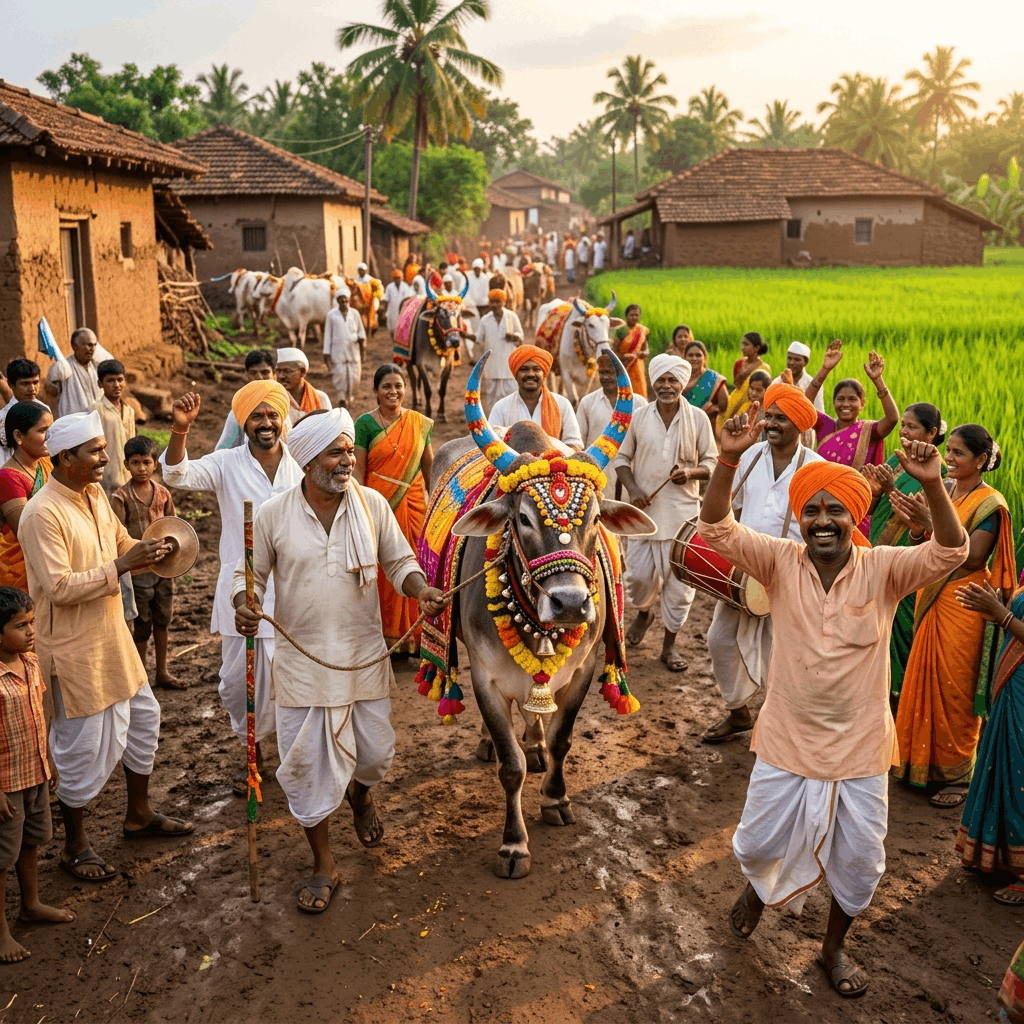
Application Rates & The Scale of Cow Festivals in India
India, with its deep-rooted agrarian civilization, celebrates numerous festivals dedicated entirely to the reverence of cows (Gau Mata). The scale of these celebrations is vast, spanning thousands of villages across states like Gujarat, Rajasthan, Uttar Pradesh, and Maharashtra. Festivals such as Gopashtami, Makar Sankranti, Govardhan Puja, and Pongal (Mattu Pongal) recognize the cow as the ultimate provider of agricultural wealth. During these festivals, farmers decorate their cows with vibrant natural colors, floral garlands, and traditional bells, acknowledging them as the backbone of rural prosperity. The "Application Rates" of these festivals extend beyond mere worship; they involve the widespread application of Panchagavya (a mixture of cow dung, urine, milk, curd, and ghee) across millions of acres of farmland. Historically, the application rate of pure
cow dung manure prior to these festive sowing seasons ranges from 3 to 5 tons per bigha. This massive cultural integration ensures that every farming household organically revitalizes their soil. By honoring the cow, these festivals systematically promote zero-budget natural farming, where the dung and urine produced by the celebrated livestock are immediately recycled into the earth, maintaining the delicate ecological balance and ensuring high crop yields without synthetic chemical fertilizers.
State-Wise Cow-Based Festivals & Their Durations
| State / Region |
Festival Name |
Duration |
Core Significance |
| Uttar Pradesh, Rajasthan, Gujarat |
Gopashtami |
1 Day |
Honoring the day Lord Krishna became a qualified cowherd; cow decoration and feeding. |
| Tamil Nadu |
Mattu Pongal |
1 Day |
Cattle decoration, Jallikattu sports, and offering sweet Pongal rice to farming cattle. |
| Maharashtra, Chhattisgarh, Madhya Pradesh |
Pola / Bail Pola |
1 Day |
Thanksgiving festival to honor bullocks and cows for their crucial role in tillage and crops. |
| Andhra Pradesh, Telangana |
Kanuma |
1 Day |
Cattle worship, decorating horns with gold/paint, and celebrating farm animals. |
| North India, Gujarat |
Govardhan Puja |
1 Day |
Creating cow dung deities and mountains, worshipping Gomaya to represent natural protection. |
| Rajasthan (Pushkar, Nagaur) |
Cattle Fairs (Sankranti) |
5 to 7 Days |
Massive regional assemblies for trading high-yield indigenous cow and bull breeds. |
How to Use Product: Rituals and Agricultural Integration
The rituals performed during cow-based festivals are deeply scientific and directly benefit agriculture. How to use the product (cow-derived materials) is demonstrated practically during these events. Fresh cow dung is collected and used to purify home courtyards, acting as a natural antiseptic and thermal insulator. In the fields, farmers prepare Jeevamrutha—a fermented microbial culture made from cow dung, cow urine, jaggery, and pulse flour. During festivals like Govardhan Puja, a symbolic mountain of cow dung is created and worshipped. Post-festival, this highly charged, microbe-rich dung is distributed and applied to the fields. Farmers are advised to use these products systematically: liquid Jeevamrutha should be applied via drip irrigation at a rate of 200 liters per acre every 15 days, while solid compost is incorporated into the soil during plowing. This dual application improves the soil's water-holding capacity, aerates the root zone, and drastically reduces the need for expensive chemical inputs. The festivals serve as an annual community training ground, reminding every generation of farmers precisely how to utilize cow resources for maximum agricultural and spiritual benefit.
1
Preparation and Purification
Begin the festival day by bathing the cows with clean water and herbal extracts like neem. Clean the cattle shed thoroughly and collect all fresh dung and urine for immediate composting or ritual use.
2
Decoration and Veneration
Adorn the cattle with organic turmeric, kumkum, and marigold garlands. Feed them specialized nutritious fodder mixed with jaggery, which improves their digestive health and subsequently enriches their dung.
3
Post-Festival Field Application
Gather the ceremonial cow dung mounds (Govardhan) and mix them into your vermicompost pits. Apply this blessed, high-carbon manure to your crop fields to initiate the new sowing season.
How to Compare Product Outcomes: Organic vs Chemical
Farmers observing these cow-centric traditions easily compare the outcomes of their organic products against conventional chemical farming:
- Soil Vitality: Fields treated with festive cow dung compost exhibit dark, spongy soil rich in humus, compared to the hard, cracked, and depleted soils of urea-dependent farms.
- Crop Resilience: Crops nourished by Panchagavya and Jeevamrutha show remarkable drought resistance and deeper root systems, consistently outperforming chemical plots during periods of low rainfall.
- Economic Savings: By utilizing the free, abundant resources honored during these festivals, farmers save up to ₹15,000 per acre annually on synthetic fertilizers and toxic pesticides.
How to Help into Creature: Soil Biodiversity
Cow-based festivals emphasize Ahimsa (non-violence) and the protection of all living creatures. The application of cow dung and urine directly helps the billions of microscopic creatures living in the soil. Fresh cow dung is a primary food source for native earthworms (like Eisenia fetida) and beneficial soil microbes. When farmers apply these organic materials instead of chemical pesticides, they protect the delicate food web. Earthworms thrive, tunneling through the earth and naturally aerating the soil. Beneficial fungi (mycorrhizae) multiply, creating vast underground networks that deliver phosphorus and water directly to plant roots. Furthermore, the absence of toxic chemicals ensures a safe habitat for pollinating bees, predatory ladybugs, and birds, fostering a completely balanced, self-sustaining micro-ecosystem on the farm.
Protection from Disease: Natural Immunity Boost
Beyond spiritual protection, cow-derived products provide formidable biological protection from disease for both plants and humans. Cow urine (Gomutra) is a potent bio-pesticide and natural fungicide. When to apply: Spraying a 10% solution of aged cow urine mixed with neem oil on crops during the vegetative stage prevents aphid attacks, leaf spot diseases, and powdery mildew. In traditional homes, floors plastered with cow dung repel harmful insects and mosquitoes, protecting families from vector-borne diseases. The smoke from dried cow dung cakes burnt during festive Homas (fire rituals) acts as an aerial disinfectant, purifying the atmosphere and reducing airborne bacterial loads. By integrating these practices, farmers build an invisible shield around their crops and homesteads, relying entirely on natural, zero-cost immunity boosters.
Market: Farmer, Nursery, Gardener, Export
The commercial market for cow-based organic products is experiencing explosive growth. For the modern Farmer, transitioning to organic practices using cow manure opens doors to premium domestic Mandis where organic wheat, rice, and pulses fetch 40-50% higher prices. For the Nursery and Gardener sectors, pure cow dung compost, vermicompost, and liquid Panchagavya are highly sought-after inputs for urban terrace gardens and exotic plant cultivation. In the Export market, international buyers strictly demand residue-free, certified organic produce. Indian farmers utilizing traditional cow-based agriculture easily meet these stringent NPOP and USDA organic standards. Furthermore, value-added products like distilled cow urine (Arka), organic dhoop sticks, and cow dung bio-pots are being heavily exported to global wellness and eco-friendly markets, creating a multi-million dollar economy driven entirely by the reverence of the Indian cow.
🐄 Embrace Traditional Cow-Based Organic Farming
Need guidance on setting up vermicompost units or sourcing premium organic manure? Contact us for expert advice. WhatsApp: +91 95372 30173
Cow Festivals & Agricultural Benefits FAQ
Which are the major cow-based festivals in India? +
Major festivals include Gopashtami, Govardhan Puja (Annakut), Mattu Pongal in the South, and Makar Sankranti, all of which specifically honor the cow's contribution to agriculture.
How much cow dung manure is needed per bigha? +
For optimal soil conditioning, farmers should apply 3 to 5 tons of well-decomposed cow dung compost or vermicompost per bigha before the sowing season.
When to apply cow urine (Gomutra) as a pesticide? +
Apply a 10% diluted solution of aged cow urine (mixed with neem) as a foliar spray during the early morning or late evening to protect crops from pests and fungal diseases.
Can cow-based farming increase market profits? +
Yes, completely replacing chemicals with cow-based inputs significantly reduces farming costs, and the resulting certified organic produce sells at a 40-50% premium in urban and export markets.
How does cow dung help soil creatures? +
Cow dung provides essential carbon and organic matter that serves as the primary food source for earthworms, beneficial bacteria, and fungi, creating a living, fertile soil ecosystem.